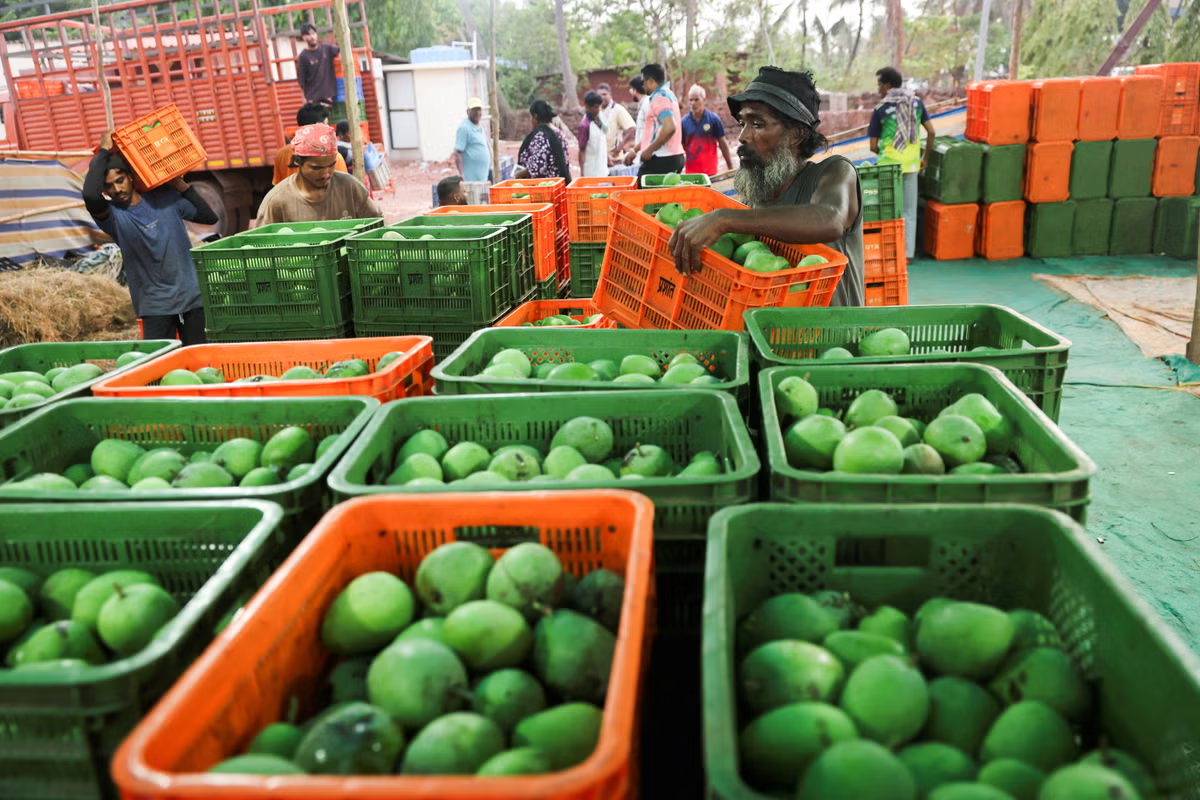
Just when mango season was picking up pace, Indian exporters received sour news from Japan. After allowing imports for nearly two decades, Japan has suspended fresh mango shipments from India for the 2026 season following concerns raised during an inspection at an Indian treatment facility. The move has affected premium varieties including Alphonso, Kesar, Langra and Banganapalli, leaving exporters worried during the peak April-to-June mango season.The suspension comes at a difficult time for India’s mango business, which is already battling heatwave-related crop damage, expensive freight charges and export disruptions linked to the West Asia conflict.The tiny pest behind a major export disruptionAt the centre of the issue is the fruit fly, one of the world’s most feared agricultural pests. Fruit flies lay eggs inside fruits, and once the larvae hatch, they damage the fruit from within. Countries with strict agricultural quarantine systems, including Japan, treat the pest as a serious threat because it can spread quickly across orchards and harm domestic farming.Japan’s concerns this year were linked not to confirmed fruit fly infestations in shipments, but to whether India’s pest-control systems were being properly followed.Before every export season, Japan sends quarantine officials to India to inspect Vapour Heat Treatment (VHT) facilities used for mango exports. VHT is a mandatory non-chemical process that exposes mangoes to controlled hot and humid air to eliminate fruit flies and other pests before shipment.During inspections conducted in March at a VHT facility in Rehmanpur, Uttar Pradesh, Japanese authorities reportedly found deficiencies in fumigation and disinfection procedures.Soon after, the Yokohama Plant Protection Association issued a notice stating that mango consignments carrying certificates issued by India on or after March 25, 2026, would not be accepted. The notice added that imports would remain suspended until Japan was satisfied that operational standards had improved.Japan had once banned Indian mangoes for 20 yearsThis is not the first time fruit fly fears have disrupted India’s mango trade with Japan. In 1986, Japan banned Indian mango imports over concerns related to fruit fly infestation. That ban lasted two decades.India eventually regained access to the Japanese market in 2006 after years of inspections, scientific assessments and quarantine improvements. Indian authorities introduced Vapour Heat Treatment systems, conducted extensive pest surveys and upgraded export infrastructure to meet Japanese standards.The reopening was considered a major breakthrough for India’s mango exporters.Under the agreement between the two countries, only six Indian mango varieties received approval for exports to Japan — Alphonso, Kesar, Banganapalli, Langra, Chausa and Malika. The mangoes also had to come from approved facilities in Andhra Pradesh, Maharashtra, Gujarat, Uttar Pradesh and West Bengal.For nearly 20 years after that, Indian mangoes continued reaching Japanese shelves without major disruptions.Exporters say the timing could not be worseAn exporter based in Pune told ET, “I am not aware of the exact reasons behind the Japanese restrictions on Indian mangoes. However, I can confirm that we are not exporting mangoes to Japan this year.”The president of the Mango Grower Association of India, S Insram Ali, said talks with Japanese authorities were underway. “We were promised some solution”, he said.Mango exporters battle heatwaves and freight costsThe Japan suspension has added pressure on exporters already dealing with multiple challenges.In Maharashtra’s Konkan region, heatwave conditions reportedly damaged Alphonso mango crops this year. Exporters have also struggled with rising shipping costs and container shortages linked to tensions in West Asia.Freight rates for refrigerated containers have increased sharply, making exports of perishable products more expensive.Ekram Husain, vice-president of the VAFA Fresh Vegetables and Fruits Exporters Association (Maharashtra), told Live Mint, “The high freight cost, war surcharges and limited availability of refrigerated containers have cast a shadow over exports of in-season mango varieties. April marks the onset of India’s peak mango season, featuring early- to mid-summer varieties like Alphonso and Banganapalli. Challenges are emerging not just for shipments to West Asia, but to other destinations as well, as longer shipping routes increase costs and are likely to disrupt sailing frequency.”Why Japan matters to India’s mango businessIndia remains the world’s largest mango producer, harvesting nearly 24 million metric tonnes every year. Most of the fruit is consumed within the country, while exports go to markets including the UAE, the US, the UK, Kuwait, Qatar and Japan.Japan’s share may be relatively small, but exporters say it is an important premium market because of higher prices and strict quality standards.According to export figures, India shipped nearly 29,938 metric tonnes of fresh mangoes globally in FY2024-25, valued at around $56.5 million. Exports of fresh and processed mango products to Japan were valued at around $1.54 million in 2025-26, with Gujarat’s Kesar mangoes accounting for a major share.No timeline yet for resuming exportsJapanese authorities have not announced when imports from India may resume. The suspension notice only says shipments will restart after Japan is satisfied that operational standards at Indian facilities have improved.For now, exporters fear that the mango season may end before the issue is resolved, leaving Indian mangoes missing from Japanese stores for the first time in nearly two decades.
From Alphonso to Kesar: How a tiny fly halted India’s mango exports to Japan after two decades
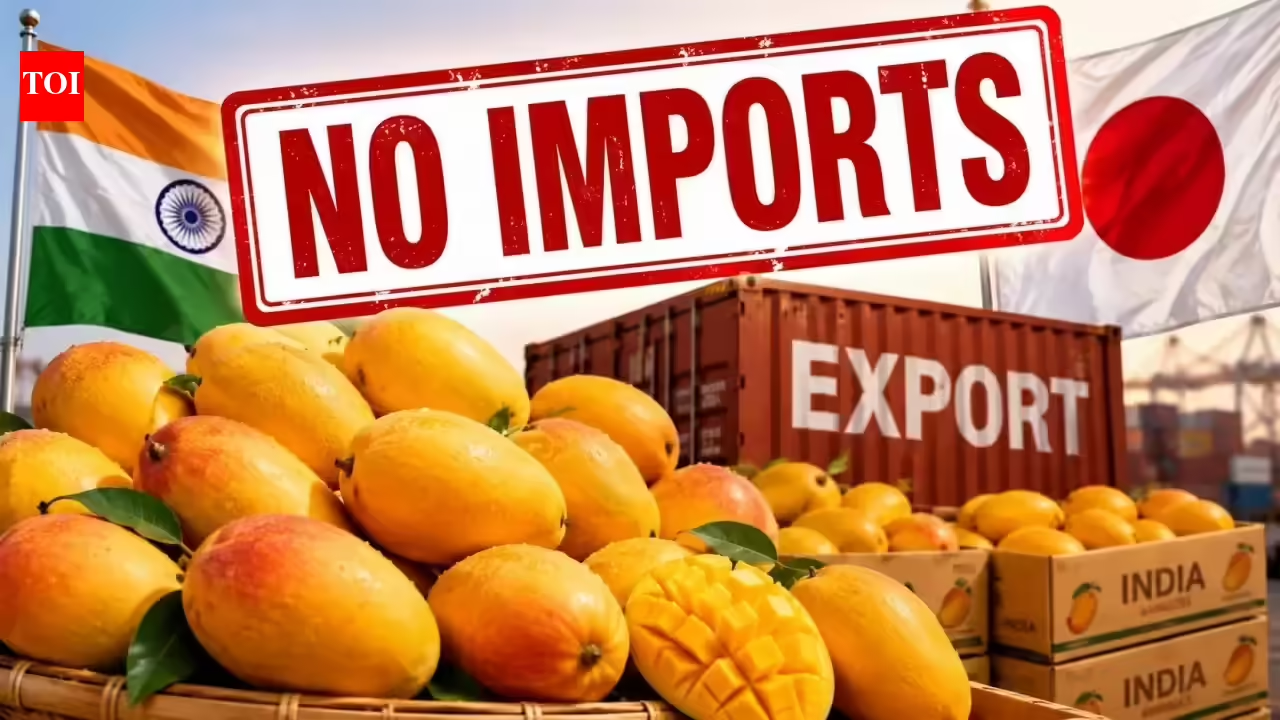
Japan has suspended fresh mango imports from India for the 2026 season due to concerns over pest treatment procedures at an Indian facility. This move impacts premium varieties and worries exporters already facing crop damage and high freight costs, disrupting a trade route that had been open for two decades.
832 words~4 min read