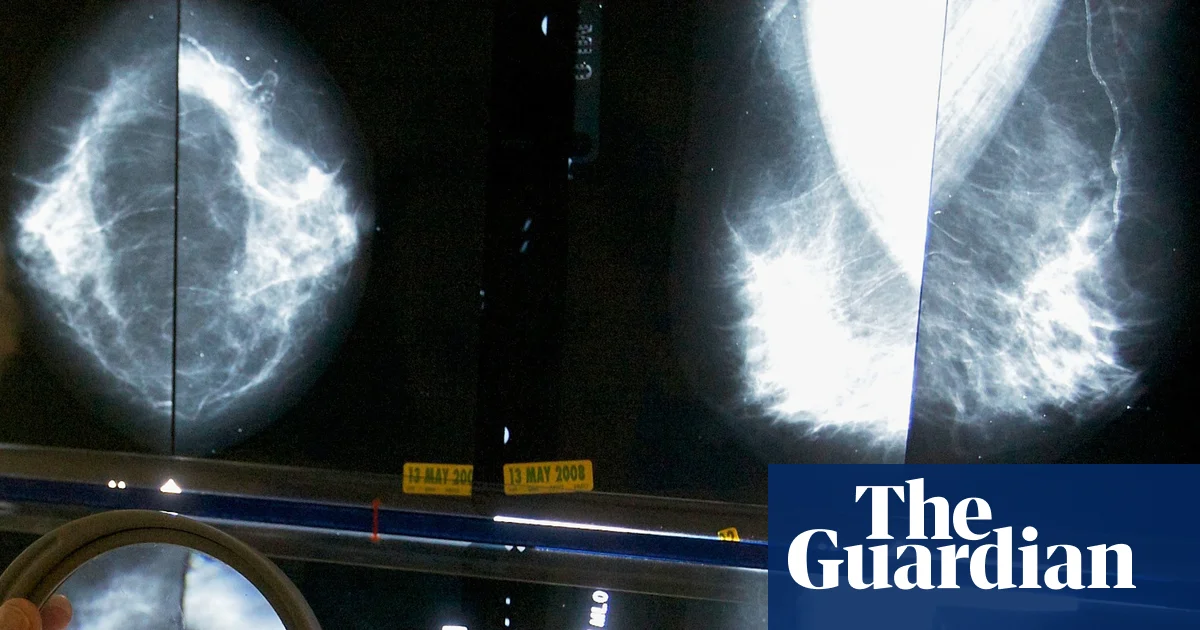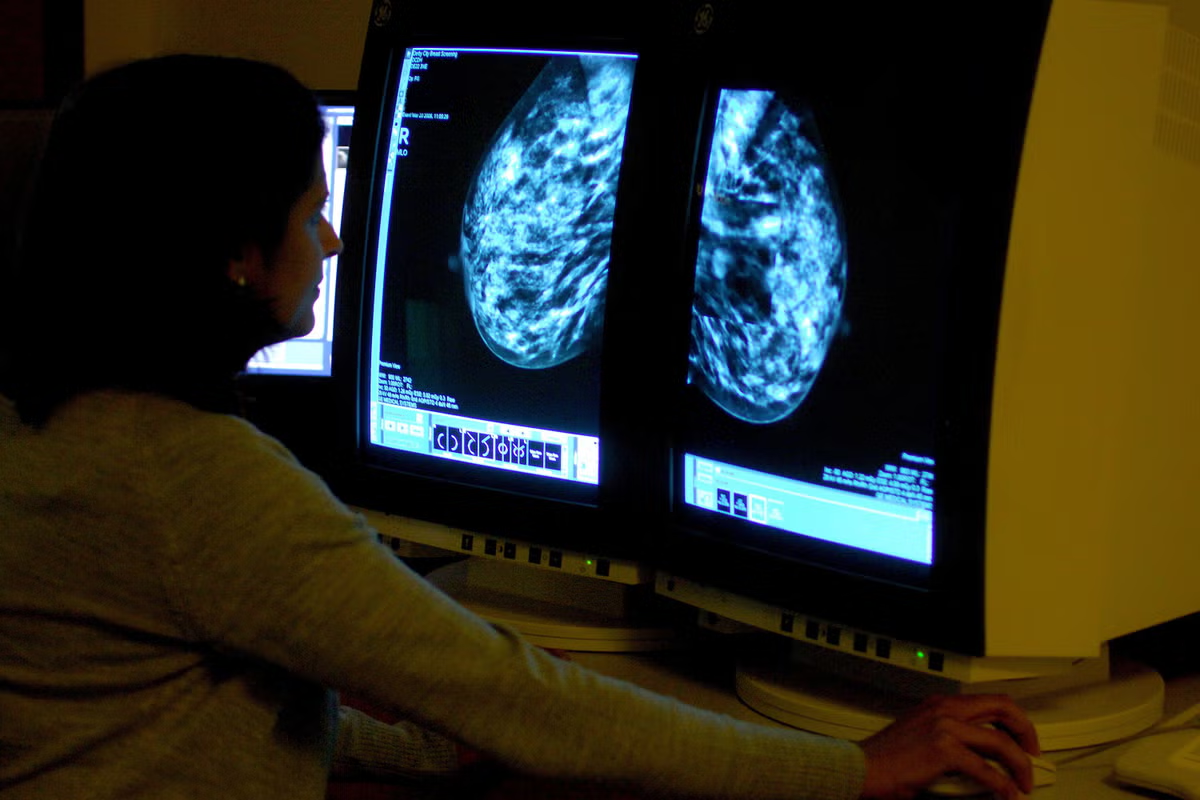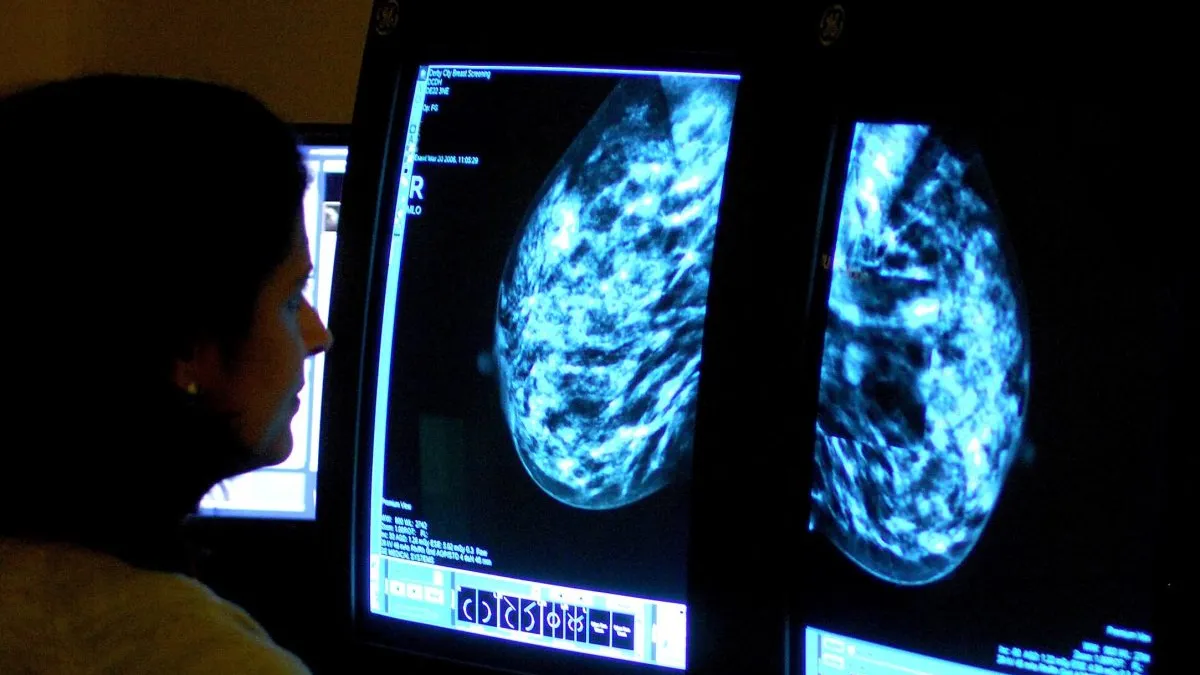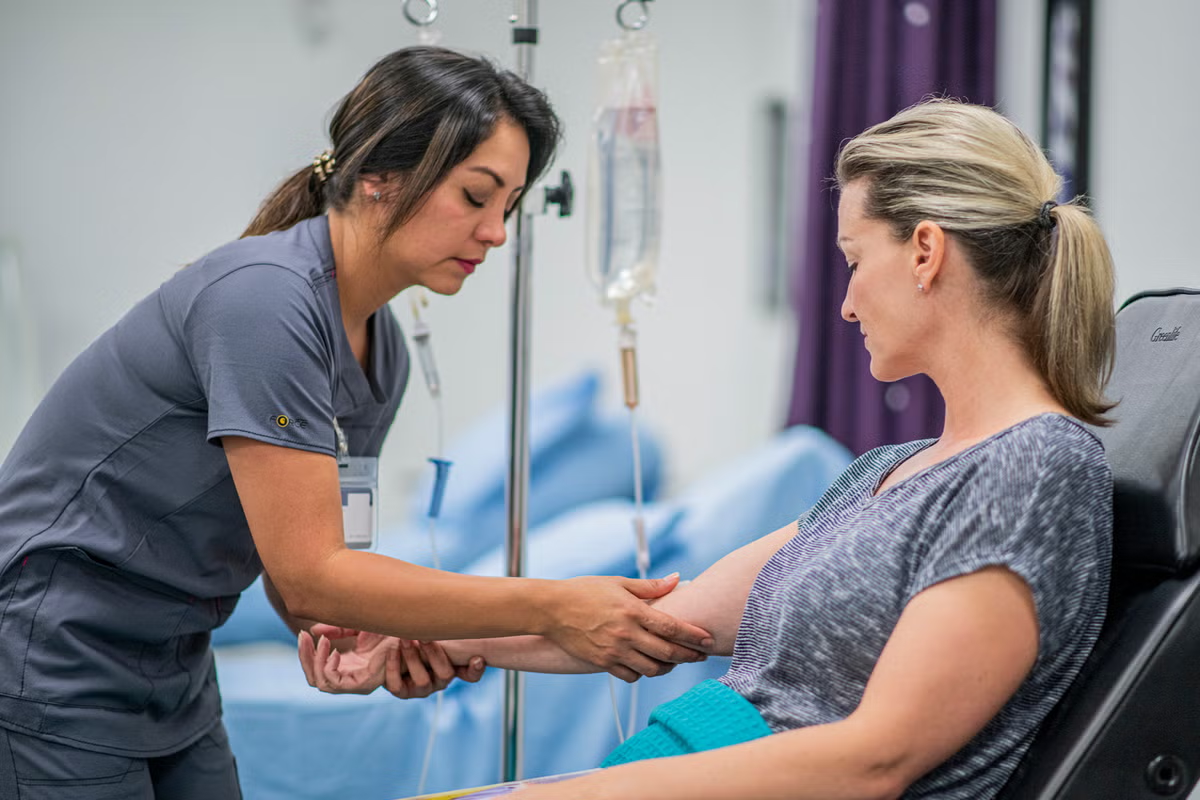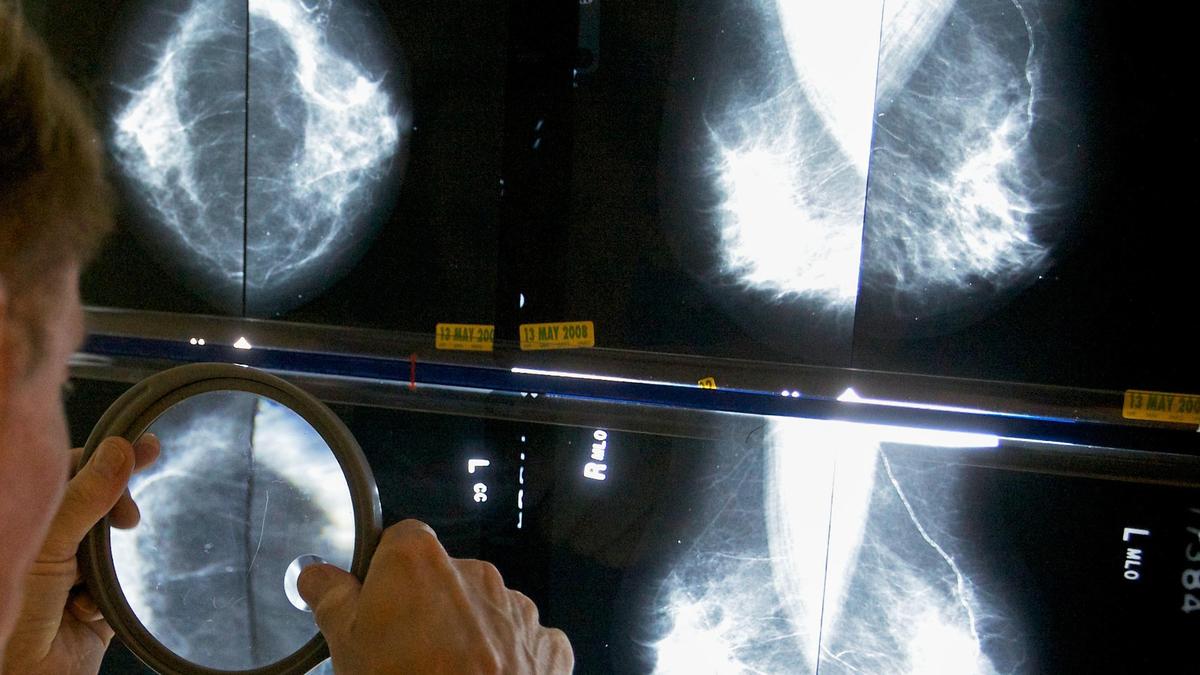
Chemotherapy can take a serious physical and emotional toll, with younger women facing consequences that can include infertility, cognitive impairment, and early menopause, with up to 43% of survivors experiencing lasting nerve damage |Image used for representational purpose only
| Photo Credit: AP
A commercially available test from Veracyte can identify patients with early cases of high-risk breast cancer who can safely skip chemotherapy, according to data being presented at the ASCO meeting.In a randomised trial with more than 4,400 patients with early breast cancer that was particularly aggressive or prone to spread or recur, more than two-thirds of those whose care was guided by Veracyte's Prosigna genomic test safely avoided chemo.The Prosigna group's 5-year cancer-free survival rate was 93.7%, statistically non-inferior to the 94.9% rate in patients randomly assigned to receive chemotherapy as part of standard care.The test analyses the activity of 50 specific genes in tumor tissue to determine the molecular subtype and develops a "Risk of Recurrence in the Next 10 Years" score to help oncologists decide if chemotherapy is necessary, Veracyte said.Chemotherapy can take a serious physical and emotional toll, with younger women facing consequences that can include infertility, cognitive impairment, and early menopause, with up to 43% of survivors experiencing lasting nerve damage.Dr. Kelly Marcom, Veracyte’s medical director for breast cancer, said the trial results "represent a major milestone in precision breast oncology.”"These findings have the potential to transform how clinicians treat a large population of patients with breast cancer, helping them to personalise their patients' treatment choices,” Marcom said.Separately, researchers in Australia and New Zealand found that Veracyte’s Decipher test could predict which patients with metastatic, hormone-sensitive prostate cancer would benefit from adding the chemotherapy drug docetaxel to standard treatment.Veracyte said complete findings from both studies will be reported on May 30 at the meeting in Chicago. Published - June 01, 2026 03:23 pm IST