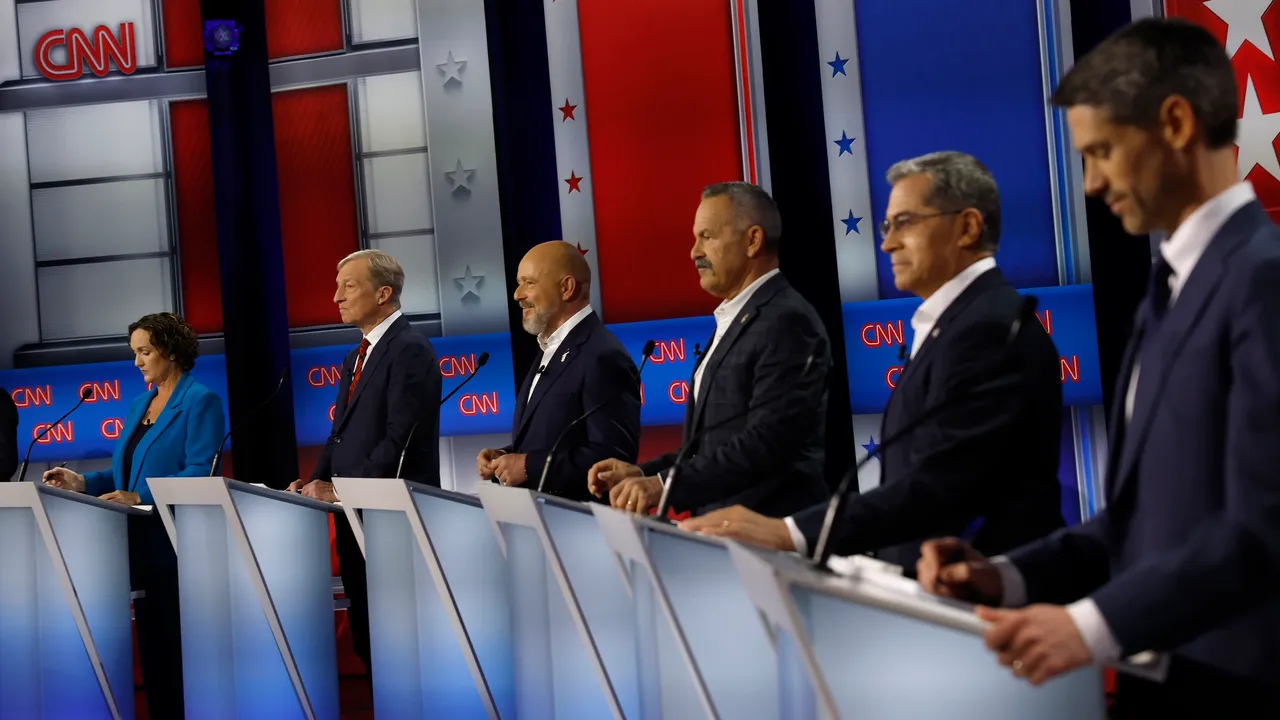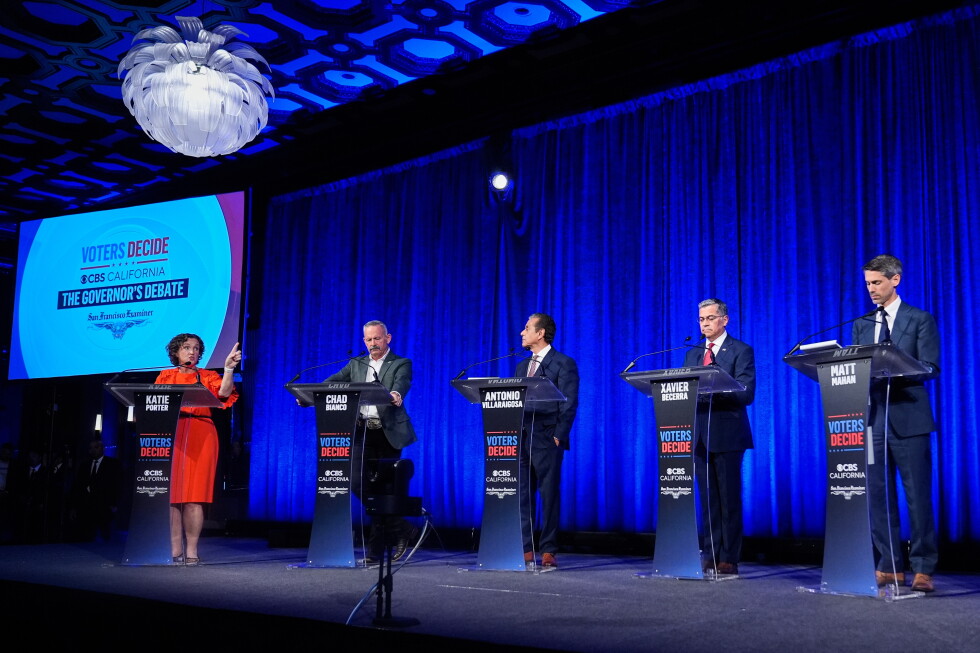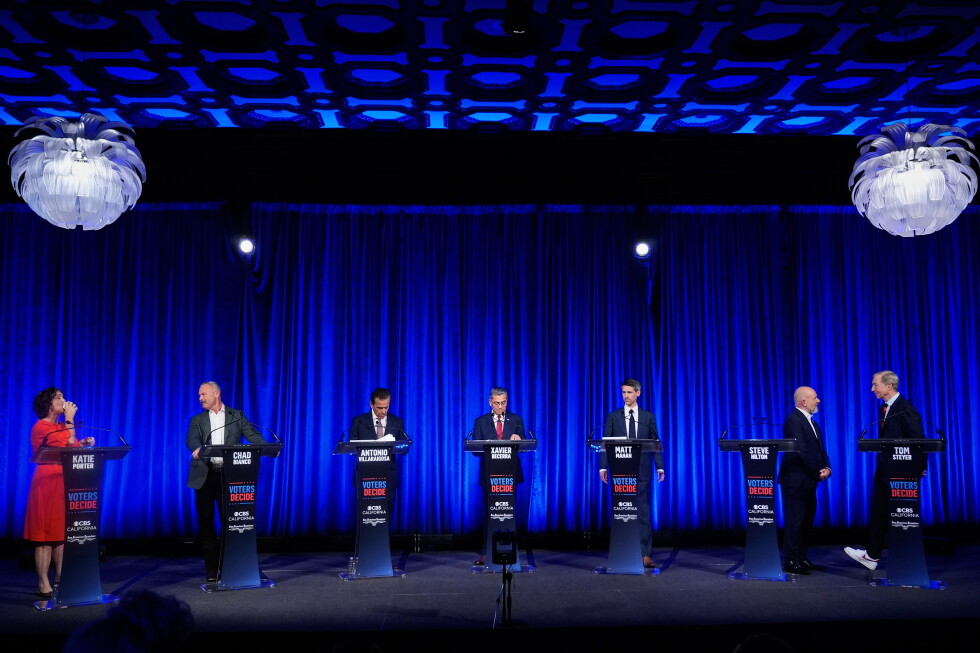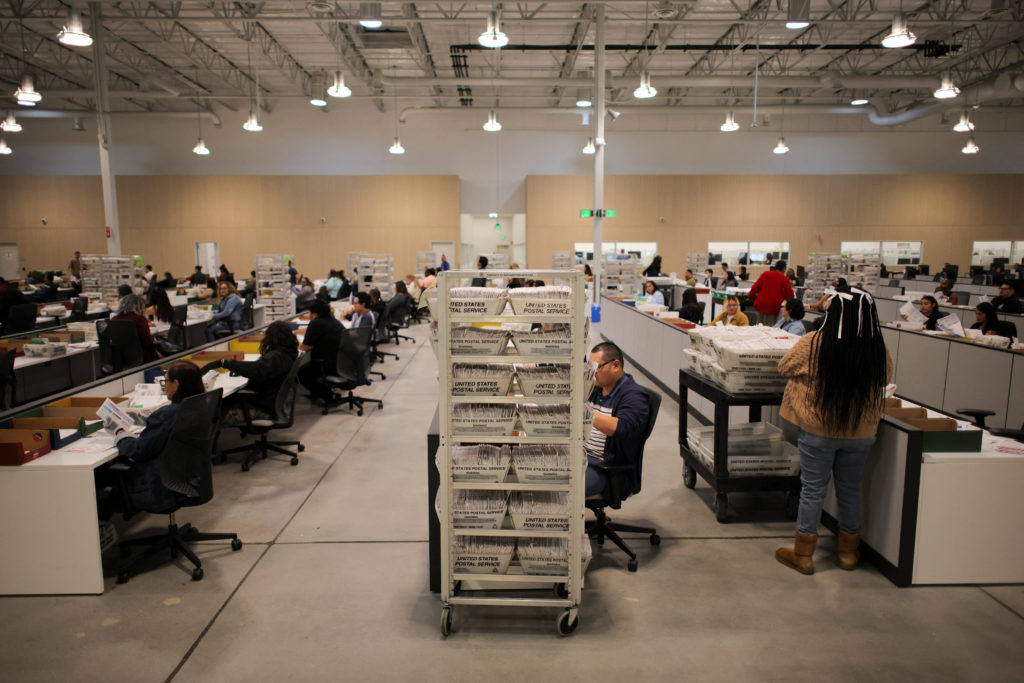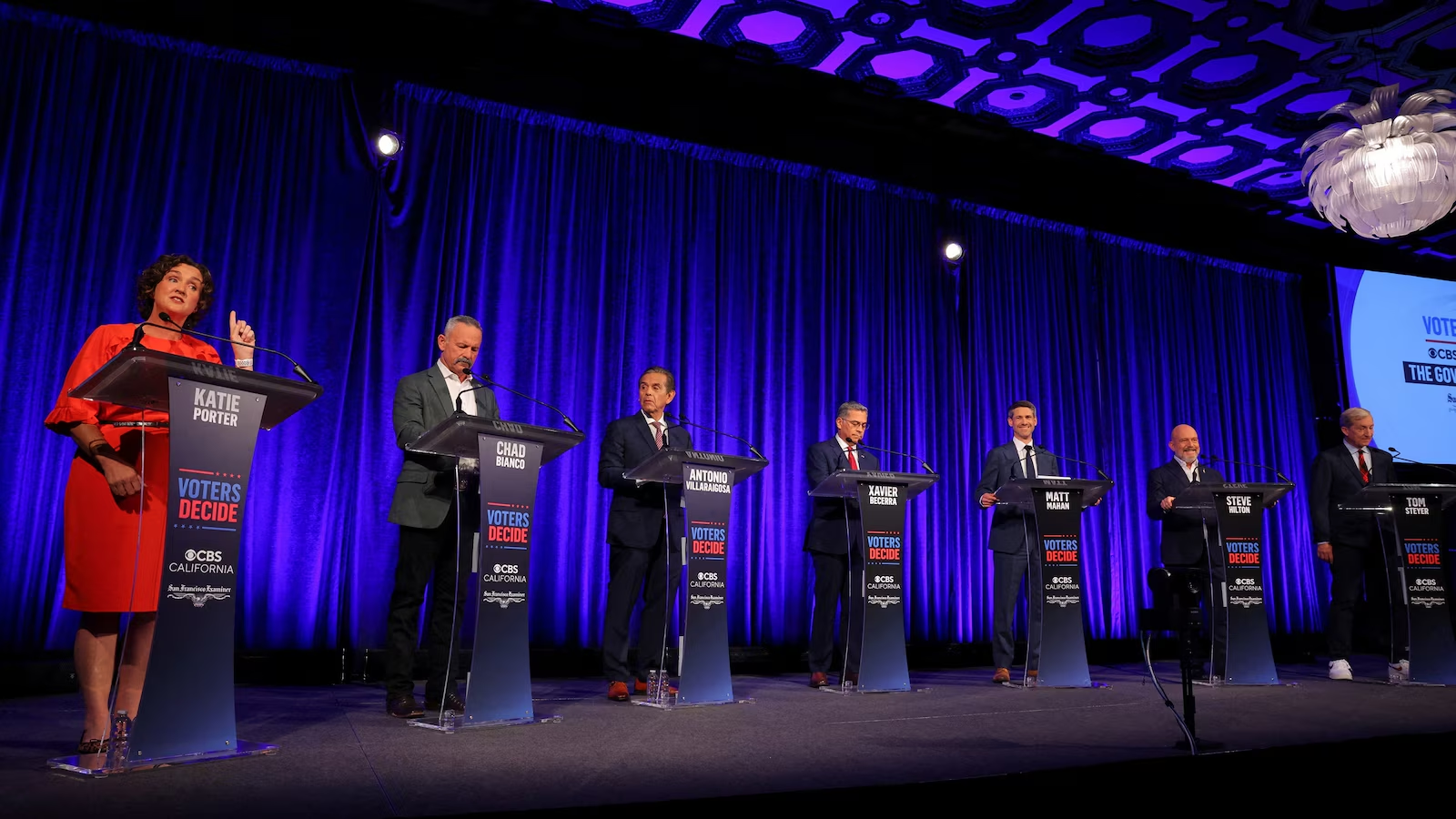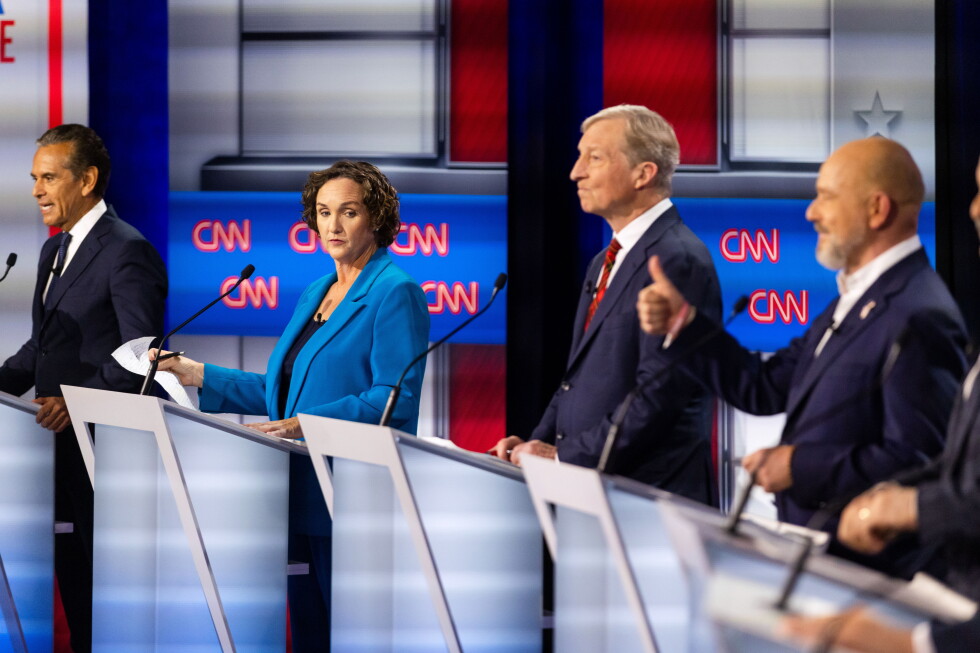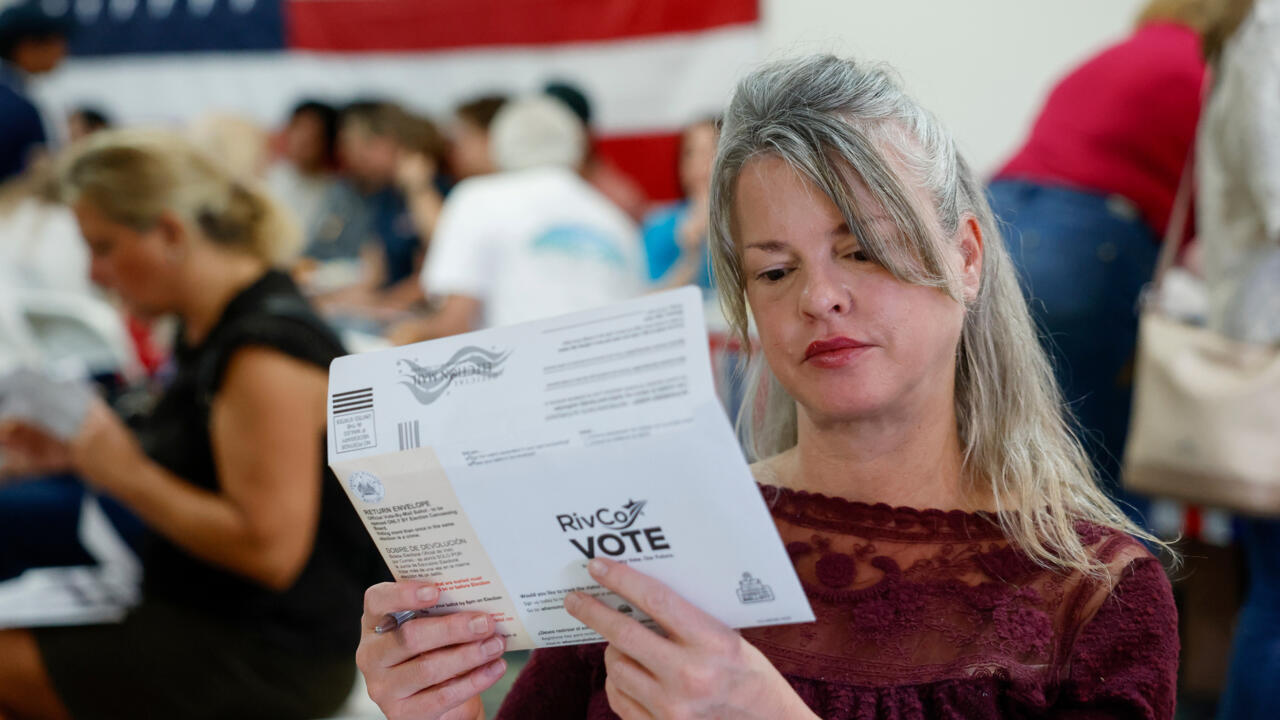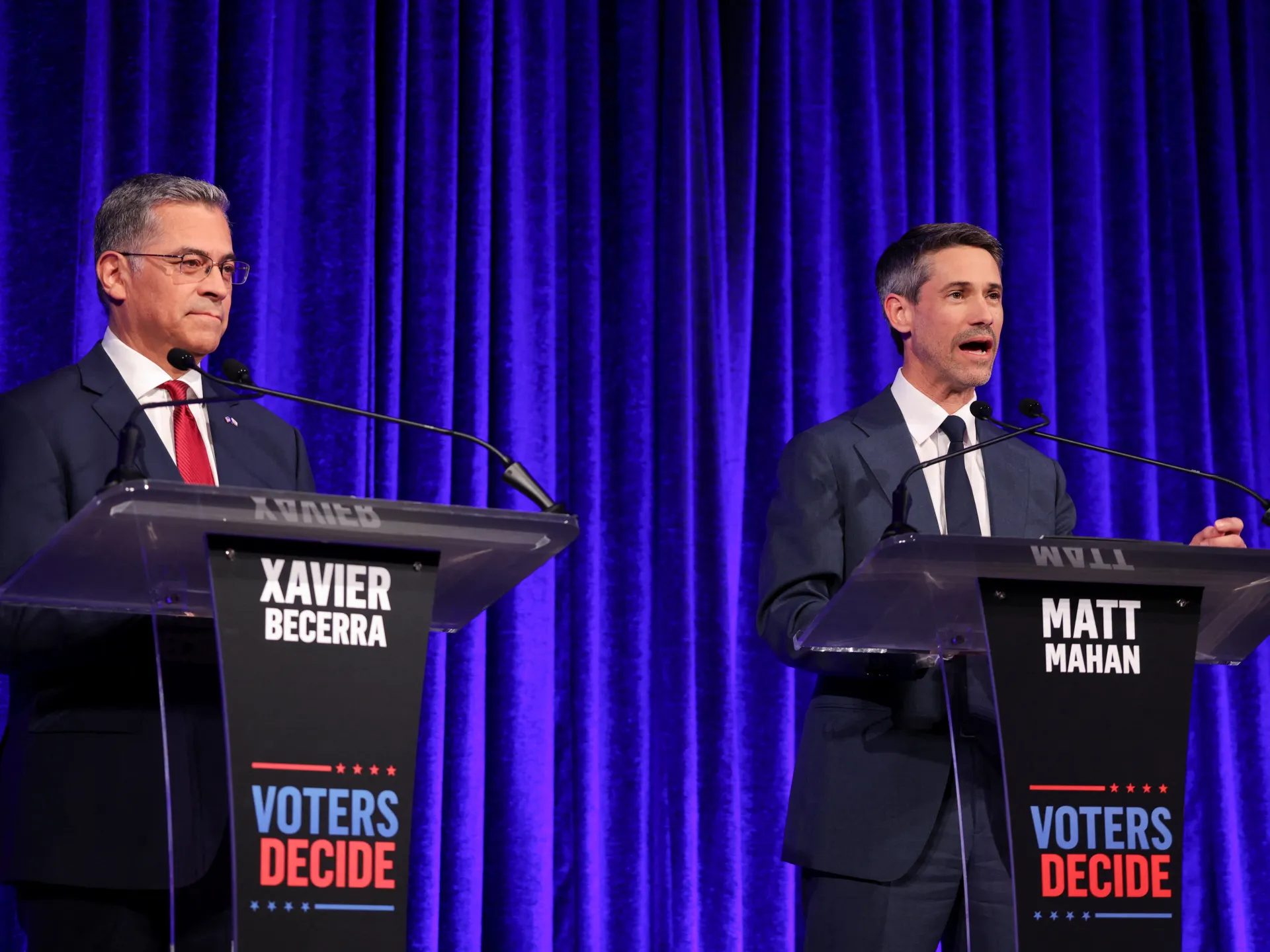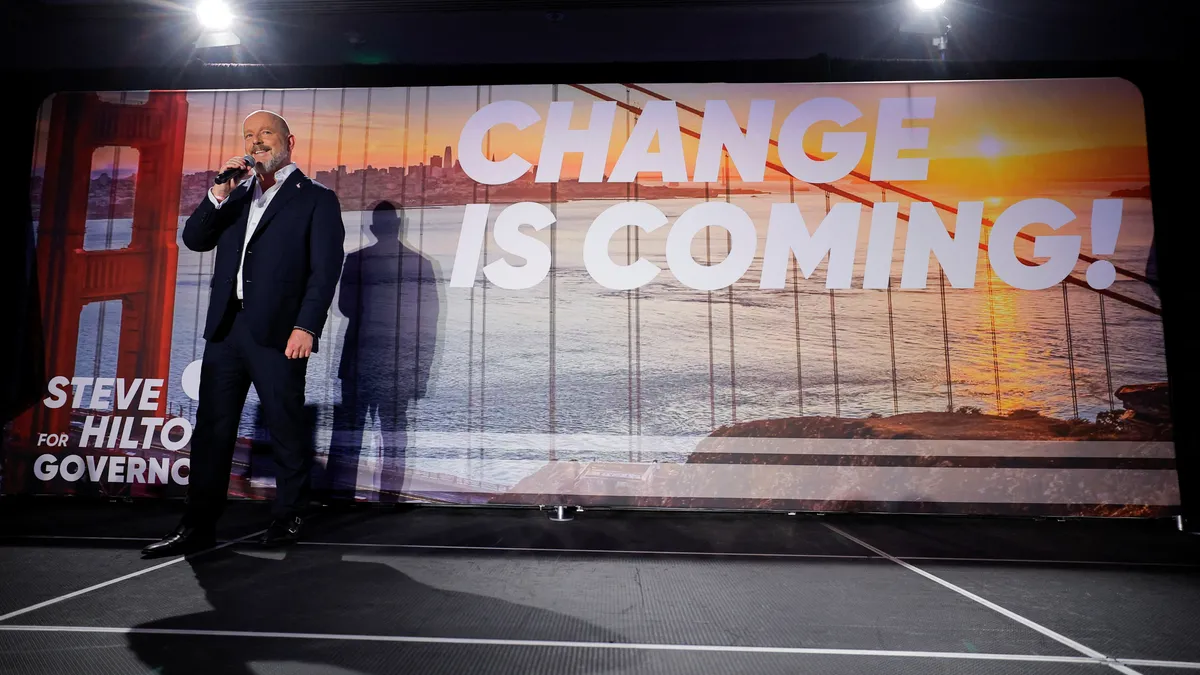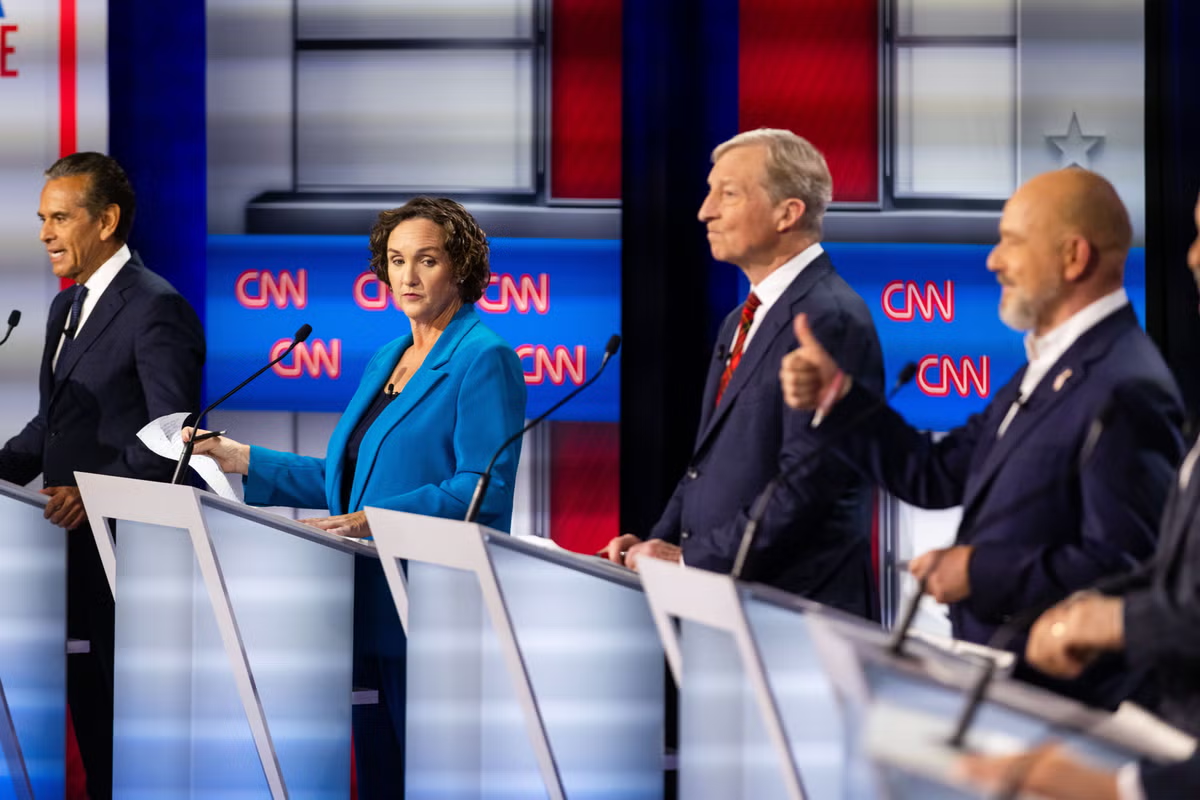
How many people want the second most powerful executive job in American politics? Does anybody? With the conclusion of Gavin Newsom’s final term as California governor this year, the seat, in this fall’s election, stands as open as a downtown parking spot. Passersby with timing and a certain derring-do have measured their odds and eyed their paths. The governorship of California is one of the great prizes in politics, and not just because the state is crucial to the United States’ economic dominance. On its own, it would be the world’s fourth-largest economy; industries under the governor’s tent include tech, entertainment, agriculture, and the automotive market. In matters of trade and talent, California is the nation’s main gateway to Asia. The governorship has organizing influence at home. Whoever is elected will be required to make more than three thousand political appointments, many with judicial consequence. The President of the United States appoints about four thousand, and can’t drive his own car.One might expect the road to such an office to be strewn with bodies. It is—but many of them are very much alive and hoping for the role. A defining feature of this spring’s primary has been an unholy bottleneck of applicants. The California ballot is nineteen inches long, and lists sixty-one candidates for governor. It looks like the menu at Mels. The majority of the contenders are not associated with California politics in the national eye, and some are not associated with much of anything at all. “If they formed a support group, they could call it Candidates Anonymous,” the Los Angeles Times’ political columnist Mark Z. Barabak lamented early last year. (Those were hopeful days; the pool has since grown.) Yet, with the clock to Tuesday’s election running down, a startling number continue to have prospects, or at least the prospect of prospects, as they pass hurdles to the sound of no applause. None of the kingmakers in California Democratic politics—Newsom, Nancy Pelosi, the current senators, the former Vice-President—has issued an endorsement for a standing candidate, a silence perceived as an extension of the if-you-can’t-say-anything-nice rule and, no duh, an unpropitious sign. In April, the New York Times described the race as a “mad scramble”; by May, it had revised the diagnosis to a “hot mess.” “The whole spectacle has taken on the feel of a bad reality show,” the columnist Michelle Cottle wrote. The difference is that even bad reality shows typically inaugurate a star.What the race might actually resemble most is a lazy Susan—a supposedly convenient mechanism by which a progression of lukewarm offerings starts to rotate away the moment you take up the spoon. In polling last summer, the field was led by Katie Porter, the Democratic former congresswoman, with the Republican commentator Steve Hilton trailing behind. By autumn, Porter had crashed from favor after a bad interview and renewed complaints about the way she treated staff, and Chad Bianco, a Southern California sheriff, was vying with Hilton for the lead. By winter, Hilton and Bianco were chased by the Democratic congressman Eric Swalwell and the apparently left-leaning billionaire Tom Steyer, who claimed immunity to venal interests because he could pay for his campaign himself. By mid-April, Swalwell was gone from both the race and his seat, following published allegations, by several women, that ranged from unsolicited nude messages to sexual assault. (Swalwell has denied the allegations.) By May, Xavier Becerra, a former Secretary of Health and Human Services, had gained an edge. As of this writing, Becerra holds his advantage, or what remains of it, and looks on track to take the drooping cake.The culprit here is, partly, California’s “jungle” primary: an egalitarian-minded effort by which everybody sets out together, in one pool, and the top two vote-getters progress to the general election, regardless of the parties that they represent. The theory, when the system was established, by ballot, in 2010, was that it would reduce two-party polarization and encourage nuance. The practice, at least this year, has been an Archimedean displacement of power, as Democratic contenders filled the bottom of the bath with a divided vote, and Republicans, possibly to their own surprise, rose. What does a viable Republican governor of California look like in 2026? Hilton, a semi-reconstructed Tory, made his name as the head of strategy to David Cameron, the man who strategized his way to Brexit. Bianco, a former Oath Keeper, previously drew headlines for an investigation into jails in the county where he’s sheriff, in which nineteen inmates died in 2022. Both men led the field for weeks. California really is, for some, a land of easy dreams.The idea of one of the bluest states in the Union dispatching a red governor to Sacramento so unnerved some Democrats that they counselled voters in the state (which sends early ballots to all registered voters, for return by mail or drop-off) to hold off until it was clear who landed as the Party front-runner. Many did: the election, as of the middle of the return period, had relatively low Democratic ballot returns—a dangerous game of chicken to play, and one that has caused the resources of a powerful Party to arrive late or not at all behind candidates ill-primed for sudden scrutiny. Becerra’s candidacy coincided with allegations that his staff had been involved in fraud, and resurfaced lingering concerns about the treatment of migrant children under his watch. (He denied involvement in wrongdoing in both cases.) He received a windfall almost too late, in the final stretch. Not that money seems to have mattered much in this race. The primary’s top outside fund-raiser, Matt Mahan, the mayor of San Jose, brought in fifteen million dollars, with support from Silicon Valley, and scarcely broke single digits in polls.The broader worry with this election is not really about primary systems or lacklustre politicians or even an alarming run of self-propelled implosions. It’s about whether the hardest leadership positions in government have become too hard for the most promising candidates to pursue. Observers note that California is filled with experienced, powerful Democrats. “Kamala Harris, Adam Schiff, Alex Padilla—any of them could have walked away with it,” a consultant on one of the gubernatorial campaigns told me. All these veterans have made clear that they have no interest in the governorship. Antonio Villaraigosa, the former Los Angeles mayor and a onetime speaker of the California Assembly who, fifteen years ago, was a politician often named in a rising power triumvirate with Harris and Newsom, is running, but he has struggled to get aloft, undone by the digital-media environment and his own long tail.One fear is that these pipeline problems are not merely a Golden State issue—that California’s primary is a (very) dry run for the Democrats’ path to higher leadership, and specifically the great big beautiful office that will open in 2029. California is not usually regarded as an American microcosm. Yet there’s a case that, as far as liberal politics goes, it is just that: a giant state of querulous diversity, pulled between the warring interests of powerful industries, cast against extremes of natural-resource management, peopled by the super-rich and the dirt poor, beset by middle-class affordability problems, and held as a beachhead for both international talent and an underclass seeking opportunity. It is often called ungovernable, perhaps a little grandly. (“Difficult? Yes. Challenging? Very. Not ungovernable,” Pete Wilson, a former governor who heard the claim almost forty years ago, once retorted.) But if the strongest arm of the Democratic Party can’t assemble a pool of appealing, qualified candidates willing to meet the challenge, what are its odds in a messy national race?Two theories have emerged for the specifically 2026 nature of the problem, both having to do with institutional decay. The first is that the task of governance, always hard, gets harder when true and untrue information is fired from every cellphone tower and when the public has no political memory to speak of. Once, a politician might have built a reputation, made alliances, assembled her base, marshalled her messaging, and embarked on a years-long strategy for change. Now that same leader can be felled by an Instagram pile-on or a spurious Substack rumor, and is likelier to shy from the long, slow, gritty work of governance. And, in the near term, how does she campaign? Do crazy stuff on social media? Send microtargeted mailers? Go on manosphere podcasts? Eat melted cheese at diners? The paradigm of contemporary campaign strategy is in quiet crisis, one symptom being darts-at-the-wall lineups like the California governor’s race—or, for that matter, the recent New York mayoral contest, whose ballot-topping choices, Zohran Mamdani, Andrew Cuomo, and Curtis Sliwa, represented three entirely different galaxies of political theory and practice. One thinks of the philosopher John Rawls, who held that an ingredient of successful democratic choice was “overlapping consensus”: people have untranslatable world views, and, in general, barely understand one another, but they can find enough alignment in their gyroscopes to make democracy and its disputes plausible. Today’s elections resemble contests without consensus; it is harder than ever to get a fix on what our decisive arguments are about.Organizers might call this herding cats (a fair title for this spring’s gubernatorial primary). Rawls called it “the fact of reasonable pluralism”—pluralism being, like wealth production, a revered American virtue that, without road signs and lane lines, goes careering down a lonely path into the woods. We need some place to reach a common understanding of the ways we can be different together. A lot of older structures have fallen away. In California, Newsom, like Harris, represents the last political generation to have been elevated with help from the organizing leadership of the so-called San Francisco Machine. Comprising figures such as Pelosi, Barbara Boxer, and John Burton, it ran California Democratic power loosely but assiduously for decades, brokering support, raking in money, straightening out spats, and seeing that the larder remained stocked with talent. With these lions’ valedictions, last of all Pelosi’s next January, it may not be coincidental that the cupboard now looks bare. The Machine was lambasted, fairly, for its clannish coördination and its efforts to keep Democratic politics in a certain mainstream style. But it’s not enough to say that the establishment is foul, if there is nothing fair to swoop in and replace it—a lesson that, in California, has been taught and taught again in painful ways. There will always be parking scrambles in the Golden State, which has a lot of cars, and almost enough places to put them. The challenge—and not just in politics—will be how to build a future in a fleeting opening for change. ♦
The Strange Emptiness of the Crowded Governor’s Race in California
California’s ballot is 19 inches long, and lists 61 gubernatorial candidates. But where are the star applicants?
1,771 words~8 min read