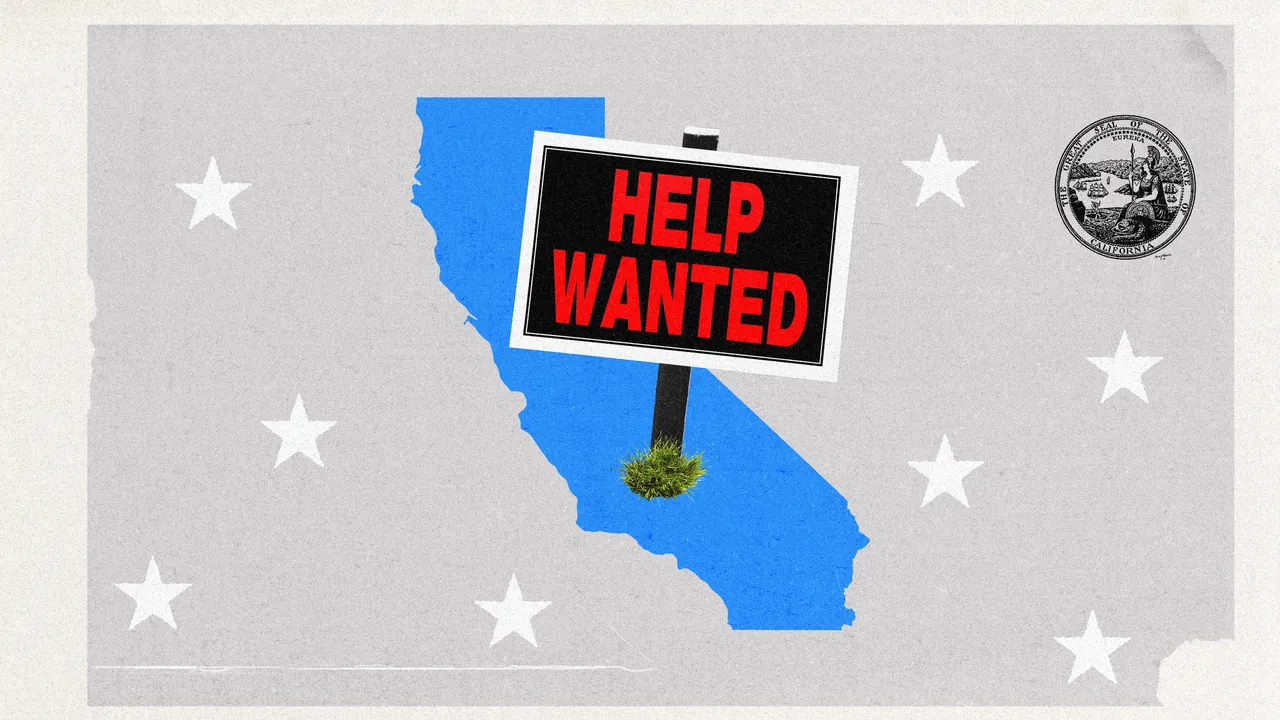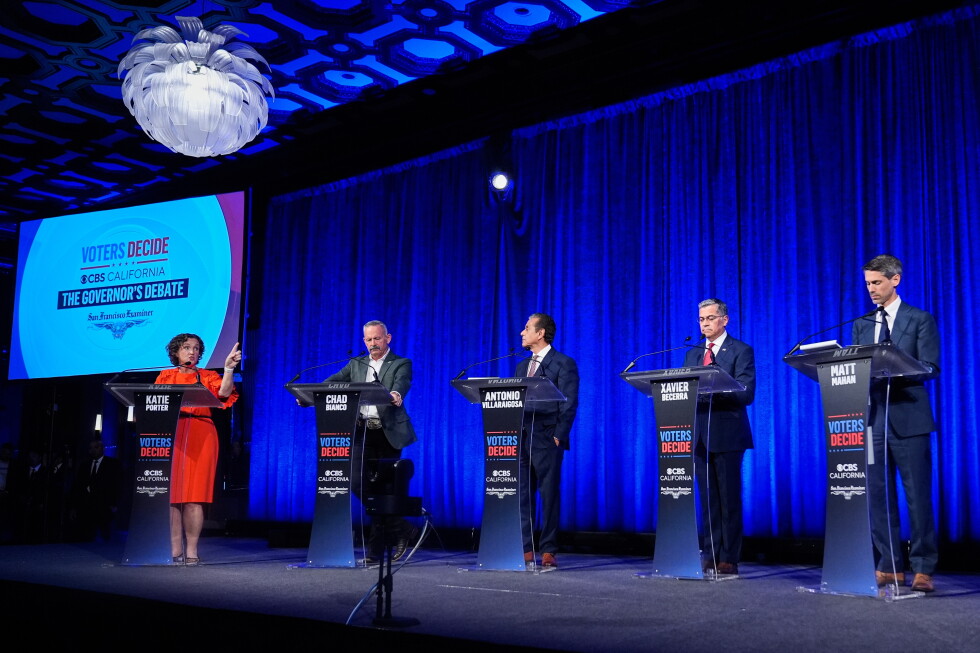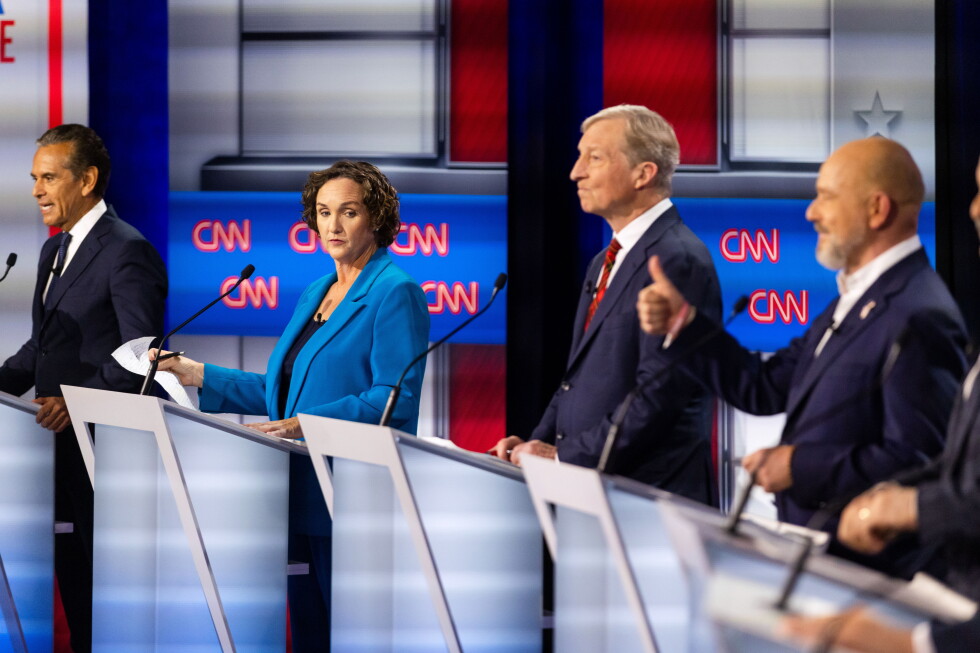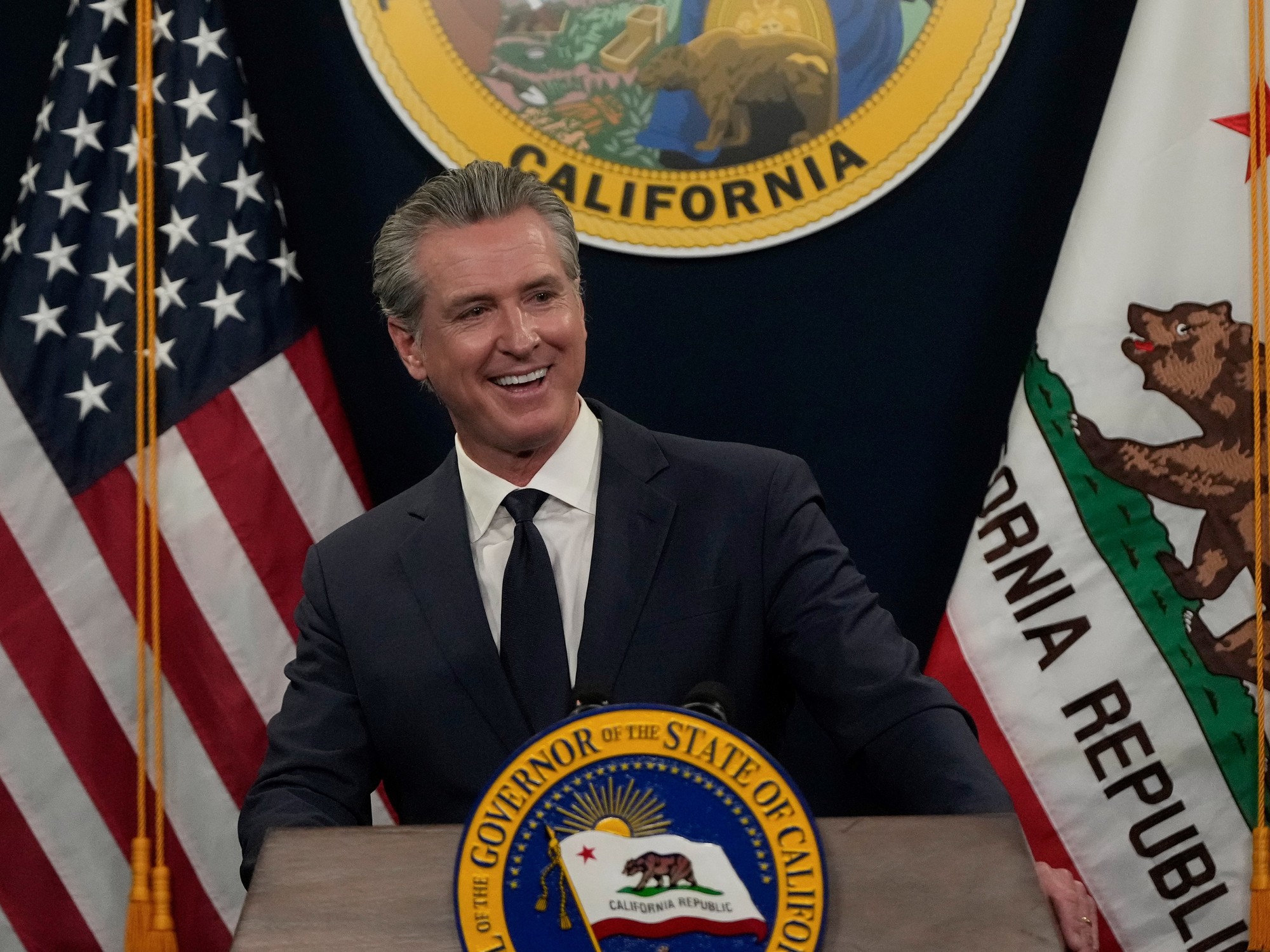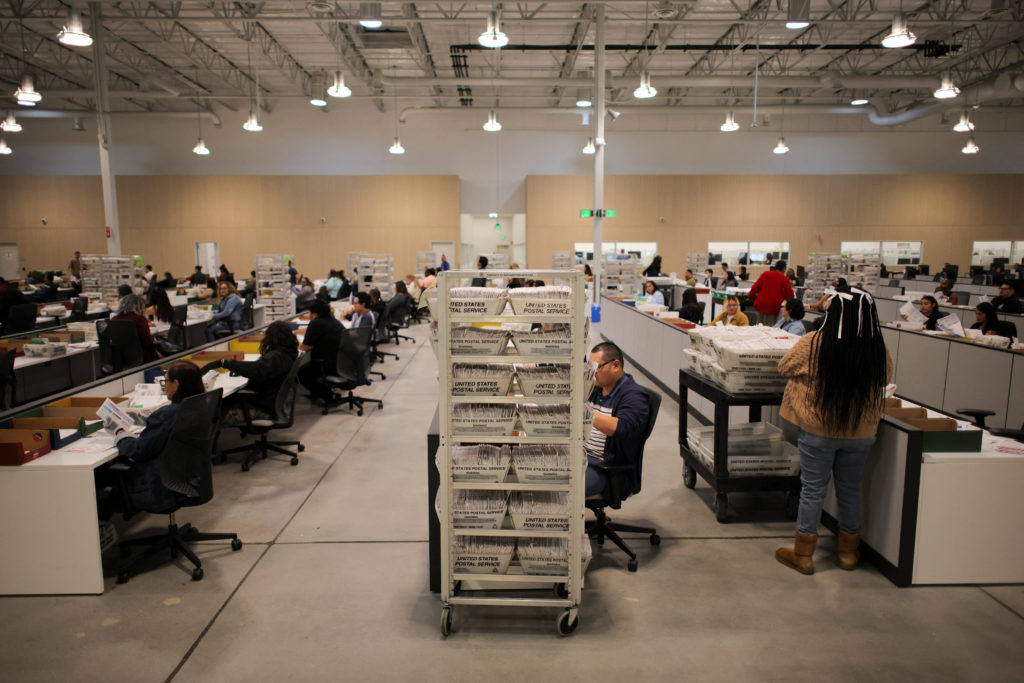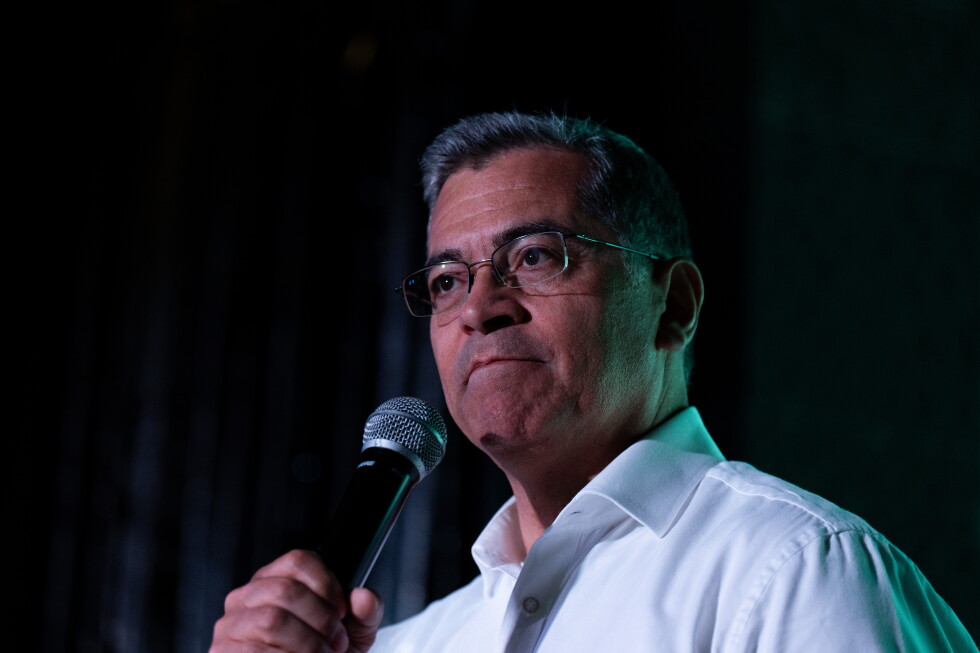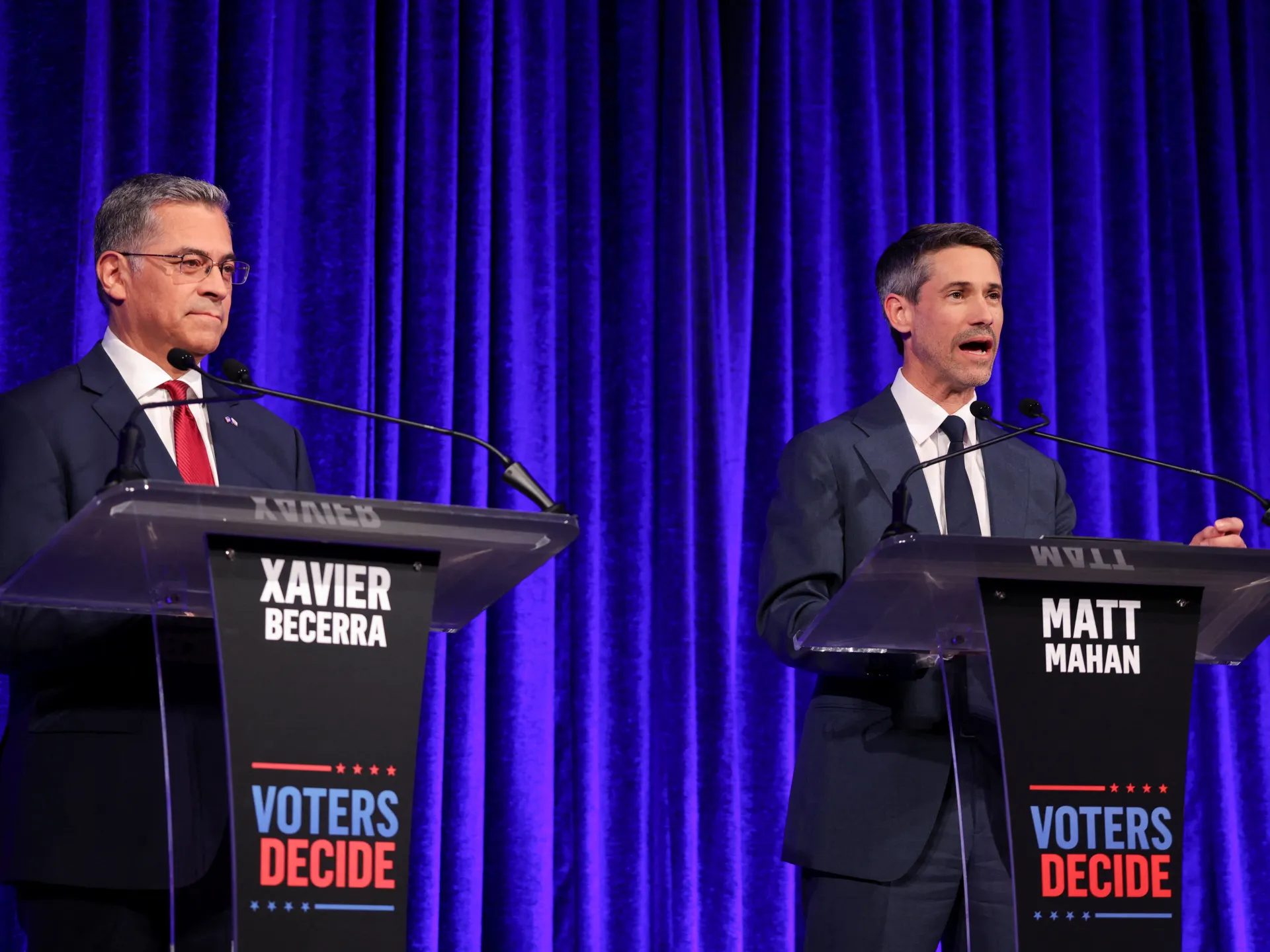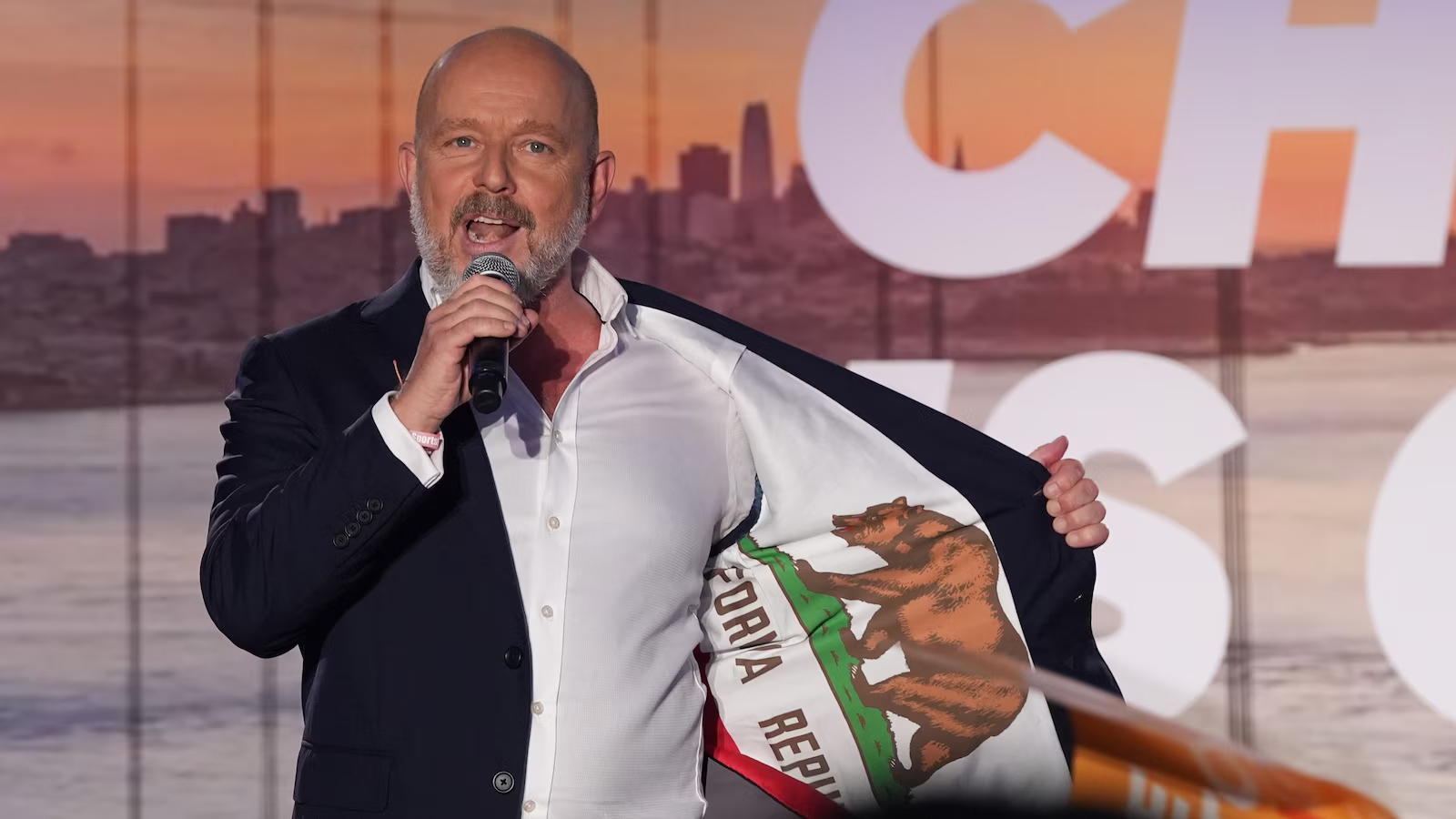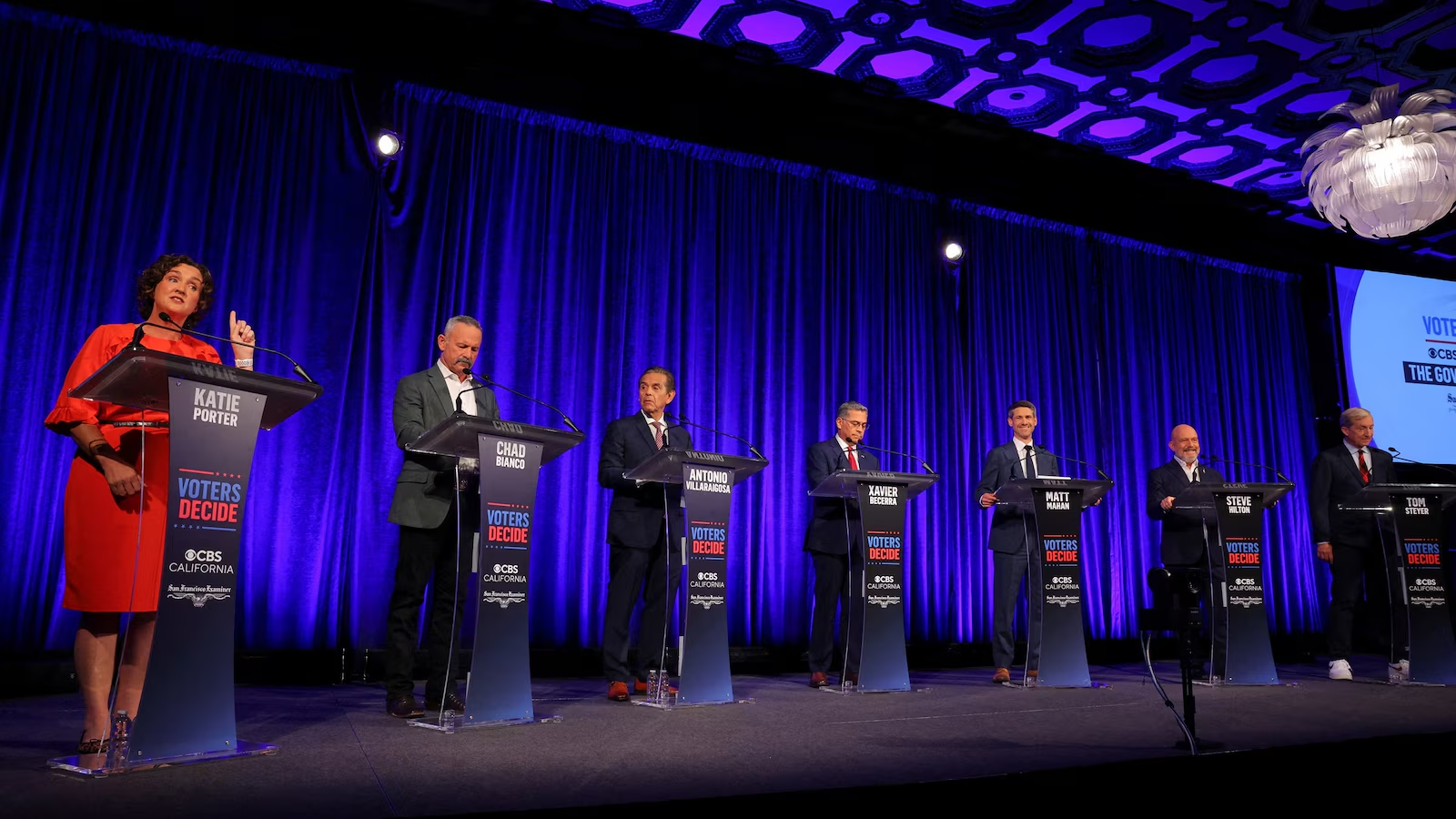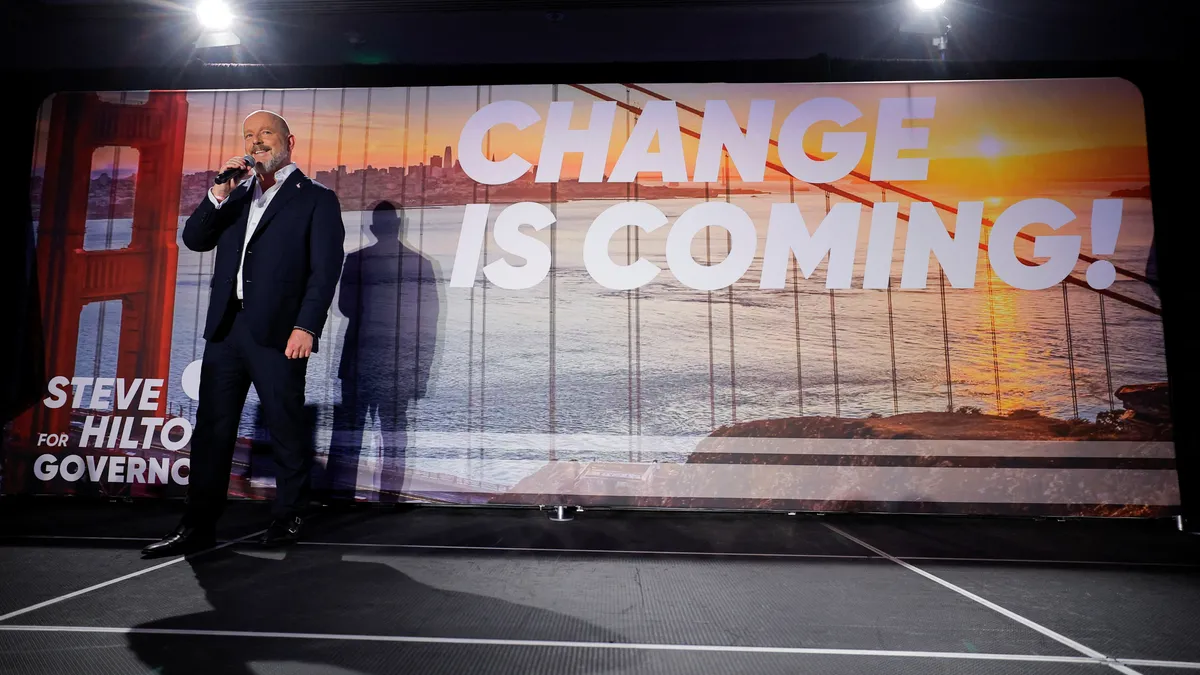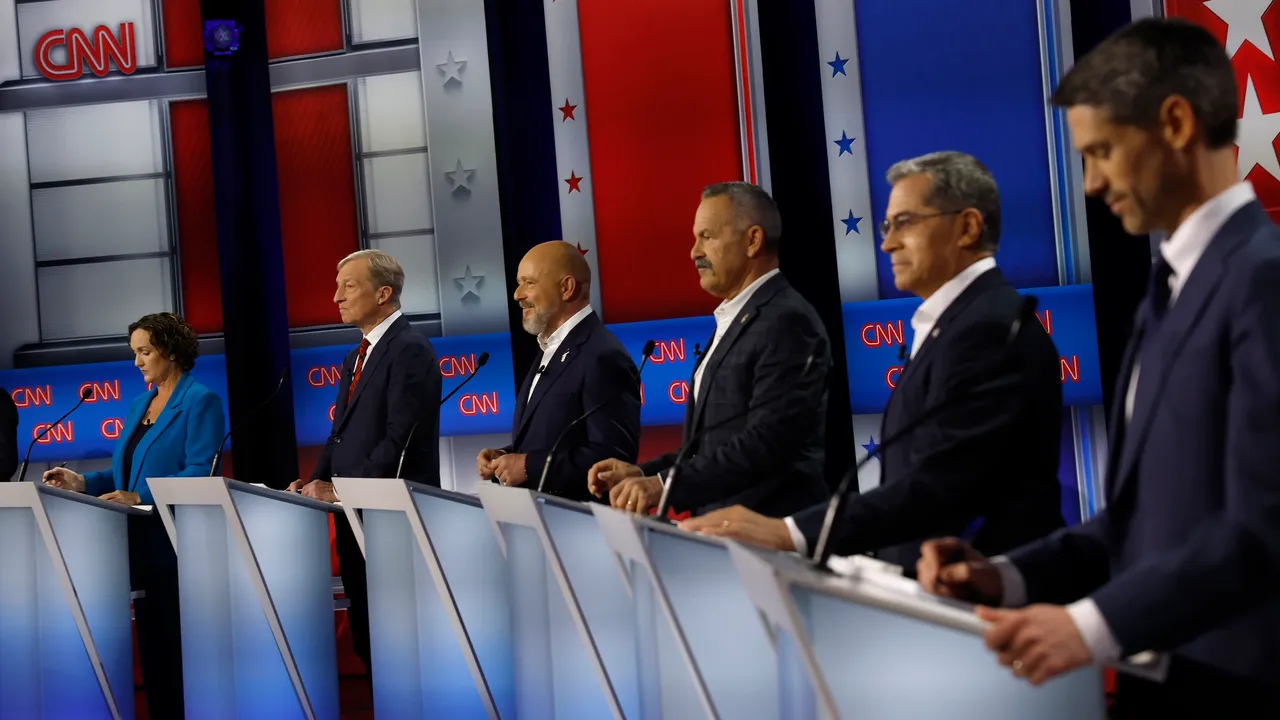
A scene from a California gubernatorial debate in May.Photograph by Justin Sullivan / GettyThere are sixty-one candidates on the ballot for California governor. My colleague Nathan Heller joked that it looks like a diner menu at Mels. And yet, as Heller points out in a new piece, the race has felt weirdly empty. Should Democrats be worried? I caught up with Heller to discuss today’s contest, and also the bigger picture. Has the job of governor simply become too hard?The conversation that follows has been edited and condensed.How did we get here?Oh, Caroline, like everyone, I wish I knew! The short answer is that the likeliest and most powerful Democratic candidates—people like Kamala Harris, Alex Padilla, and Adam Schiff—didn’t want to run. And then a surprising proportion of the early front-runners or near-front-runners in the primary—Katie Porter, Eric Swalwell—flamed out of favor for reasons of their own authorship. All these people who would not necessarily have been a popular first pick—in some cases maybe not anyone’s first pick—swarmed the race. The California primary is a so-called jungle primary, which, for reasons I explain in my piece, had the odd effect of diffusing the Democratic vote. So you ended up with two, I think it’s fair to say, pretty random Republicans bouncing to the top of the field for long stretches, and Democrats scrambling to figure out whom among their candidates to unify behind.That’s all plain enough. What’s less certain is what happened to make this very important job—really, the second most powerful executive job in the country—such a vacuum space: why it was so unappealing to the most obvious candidates, and why the pipeline behind those people wasn’t better. I get into that.What might this race tell us about the state of the Democratic Party at large?Many Democrats’ fear is that this primary is a kind of trial balloon for the run for the Presidency in 2028. There are a lot of ways in which California isn’t microcosmic of the country as a whole, but also a lot of ways in which—especially when it comes to blue-spectrum politics—it is. I’ve been reporting in San Francisco intermittently but extensively for the magazine for some fifteen years, and I always joke that whenever a knotty new problem shows up in public consciousness in the Bay Area, whether around homelessness or office space or blue-against-blue conflict, it will show up three years later in New York. It’s not really a joke. California is a kind of crystal ball for American liberalism more than many people realize. And it’s one of the power centers of the Democratic Party. So, yes, it’s more broadly concerning that things appear to be a little haywire there.And what might it tell us about the state of our politics? About the modern job of being a politician?My theory—and this comes out of conversations I’ve been having with people vying for various offices, as well as people running the campaigns of people running for office—is that there’s a paradigm crisis right now about how to run. It used to be that there was a kind of industry wisdom. Hiring a really good campaign professional was like hiring a really good lawyer: in theory, you’d get some kind of edge out of their skills and experience. The arrival of social media, among other things, has cast that into question. Is the key still microtargeting and ground organizing? Or is it trying to influence what I’ve called the ambience of information—and, if so, what does that look like, exactly? Is it about being funny on TikTok?Anyone who says they know right now should be taken with a grain of salt. That uncertainty has made the process of running for something big and high-stakes in a regional frame—something like the governorship—more brutal and treacherous than it was. It has made actually holding the job harder, too. There’s more that could knock you off the horse at any moment. There’s less certainty to the paths. Also, we’re in a moment in which we see a lot of the old establishment falling away and not yet a lot of reinforcing structure to replace it. It’s, all in all, not great, because we need people in these messy, difficult governance jobs more than ever.You recently profiled the outgoing governor, Gavin Newsom. Did reporting that story change how you think about the role of California governor?Yeah, it’s really not a role for everyone. There are some jobs in politics where you can be effective, even useful, as a kind of figurehead, getting out there, taking a stand, advocating for something, channelling energy. Newsom’s recent social-media activities notwithstanding, the California governorship is not one of those jobs. Water policy alone in California is like a fever dream. Housing policy is like a fever dream within a coma. People who tell you these puzzles can be solved simply are out of their minds.The governor of California in particular is dealing with a bunch of important global industries—tech, Hollywood, Big Agriculture, for a start—that are frequently in bitter disagreement with one another and often putting everything they have into breathing down the neck of the office. On top of that, it’s all connected: energy policy is connected to the A.I. industry, which is connected to immigration policy, which is connected to farming.The job requires enough of a policy brain to understand how the whole panel is wired together, but it also requires enough political skill and political capital to begin to rewire it without shorting everything out. Ideally, probably, it takes a calm, ruthless sense of proportion. The governors deal every day with people who are alight with causes, often aggrieved and in need. The governors need to listen—but they also have to fit everybody’s conflicting urgencies among the weave of this tapestry that’s tied to everyone else. Even in good circumstances, getting anything done in governance is like moving yourself out of a New York walkup: slow and precarious, where you’re constantly balancing items across your limbs in unnatural ways and staggering around bends in the staircase, hoping not to scrape off too much varnish. You try not to end up with the bookshelf on top of you. No one finds it easy. I think it takes a particular kind of personality to find it fun.What do you think Newsom is up to today?I expect he’d like to be crouched under his desk. He’s very superstitious about election days, I learned from people around him. He tries to do as little out of the ordinary as he can, lest he jinx something. He’s a big texter, a big checker-in. He doesn’t ordinarily plan parties or celebrations. I mean, I think many Democrats have sort of traumatic memories of mortified nights with droopy party streamers over the past decade. One can imagine that, if this is your whole sport, you feel the nerves and superstition of it all the more.Read or listen to Heller’s story on California »For more: Follow along with today’s primary results in California and in Iowa, where voters in both parties are picking candidates for governor and the Senate.Editor’s Pick“His vision for the game is to expand FIFA’s power and his own power,” a former colleague said.Illustration by Yann Kebbi; Source photographs by Alex Grimm / Getty; Win McNamee / GettyThe World Cup According to Gianni InfantinoThe most powerful man in soccer has remade the World Cup in his own image—friendly to autocrats, with an operating philosophy of “More.” Sam Knight reports on whether soccer can survive the FIFA president’s ambitions. Read or listen to the story »More Top StoriesGrown men weep on the way to the N.B.A. Finals. Vinson Cunningham offers some lessons in Knicks fanhood.Can we tell A.I. writing from the real human thing? Jay Caspian Kang built a test to find out.The new film “Is God Is,” directed by Aleshea Harris, is a revenge parable about the breaking, or the burning, of the Black family.The most-clicked link in yesterday’s newsletter was about why Trump cares so much about prediction markets.Our Culture PicksA book: Maggie O’Farrell’s new novel, “Land,” is about a laborer in eighteen-sixties Ireland tasked with making maps for the British, who are occupying the country.A movie: “Backrooms” is an ingeniously contoured exercise in liminal horror.An exhibition: “Greater New York,” at MOMA PS1, displays the emotional range of the city, from ebullience to alienation. See what else our critics recommend this week.Daily CartoonCartoon by Jorge PennéPuzzles & GamesIntroducing Catalogues, our newest game for people who love making lists. Here’s how you play.Today’s Crossword Puzzle: Korean short-rib dish—five letters.Shuffalo: Can you make a longer word with each new letter?P.S. A certain, shall we say, lively subsection of social-media users are losing their minds over perceived flaws in Christopher Nolan’s upcoming film version of the Odyssey—and about the work of the translator Emily Wilson. Read the authoritative profile of how Wilson has worked to make Homer modern.🏺Ian Crouch contributed to today’s edition.
Does Anyone Want to Be California Governor?
From the daily newsletter: the plodding race to replace Gavin Newsom.
TL;DRAI
Questo articolo del New Yorker sulla corsa al governatorato della California non è tech-relevant per Warptech News — parla di politica interna, crisi della Democratic Party, difficoltà del ruolo di governatore. Nessun elemento di AI policy, governance tech, energia/IA, o trend che impatti decisioni di stack/budget IT. Se serve comunque un TL;DR generale (non nel framing Warptech), posso farlo. Oppure, se hai un articolo tech da riassumere, sono pronto. Quale preferisci?
1,488 words~7 min read