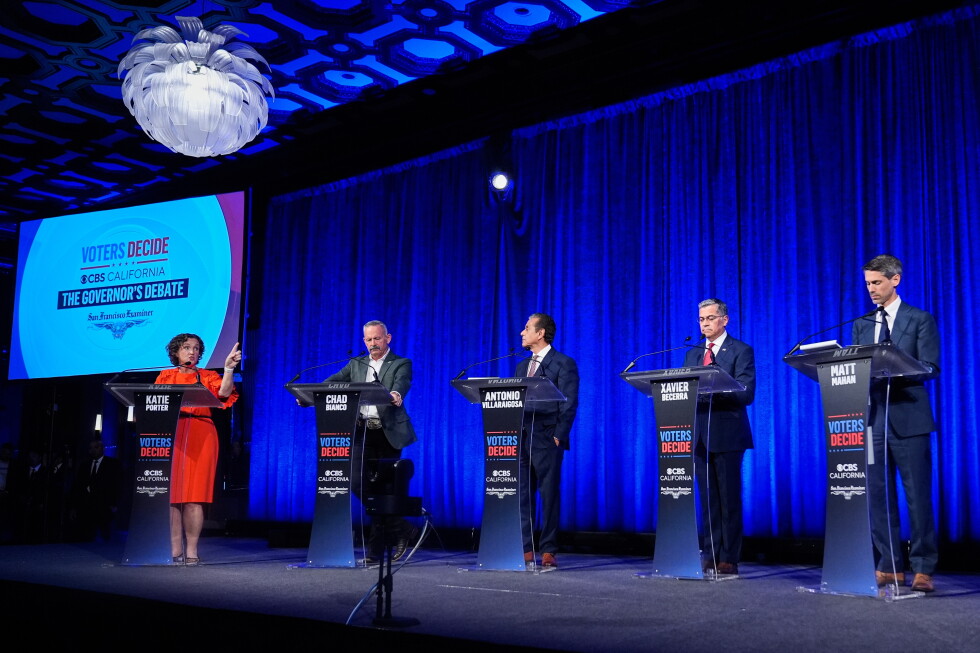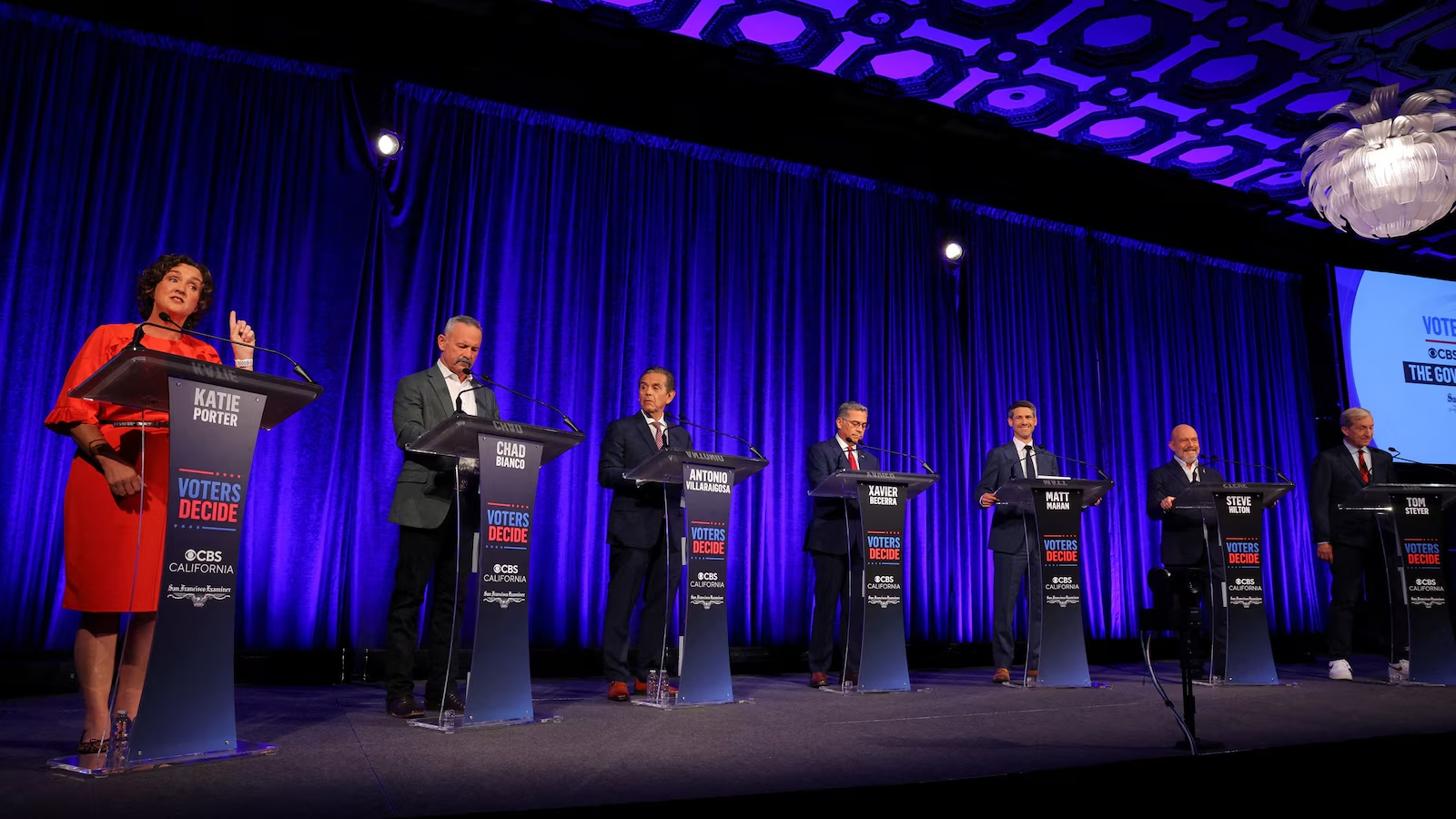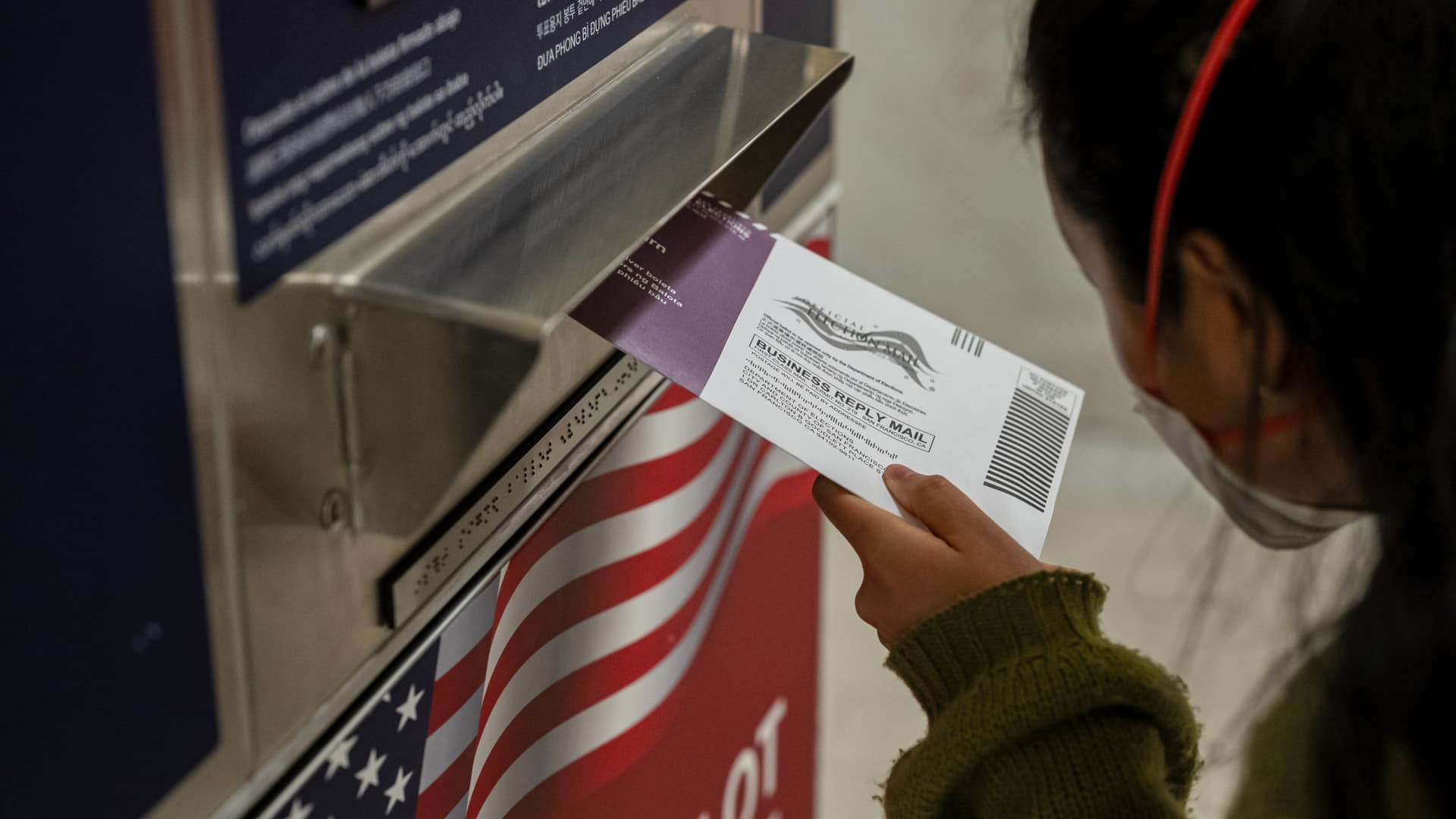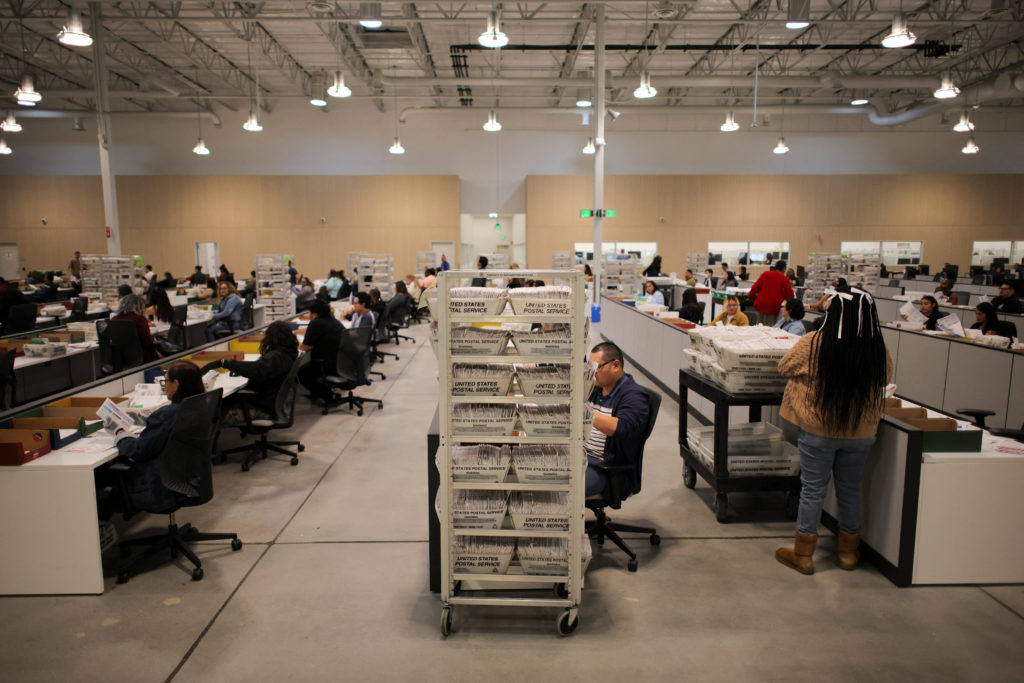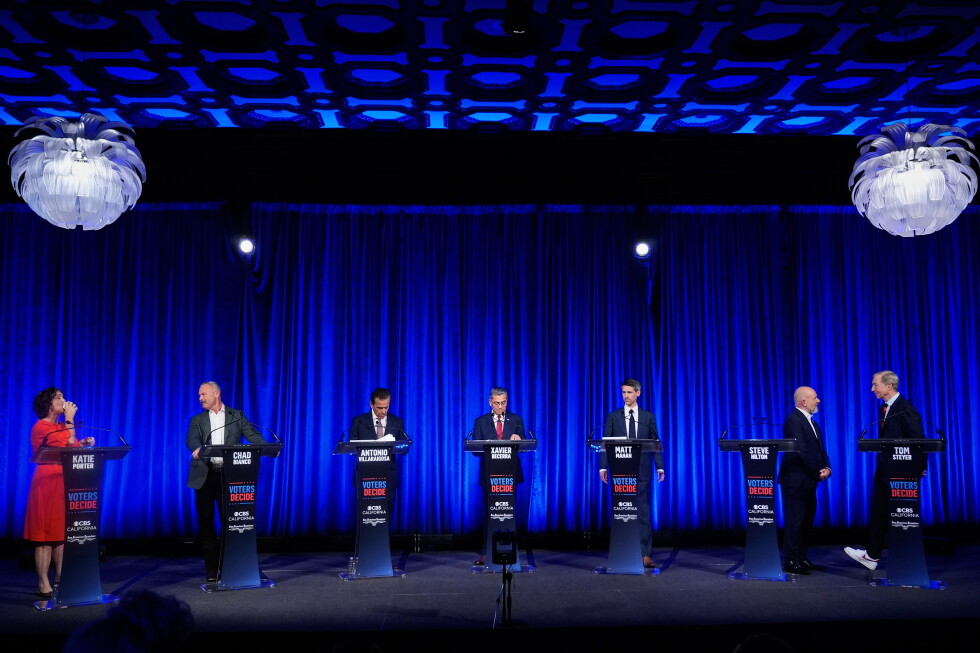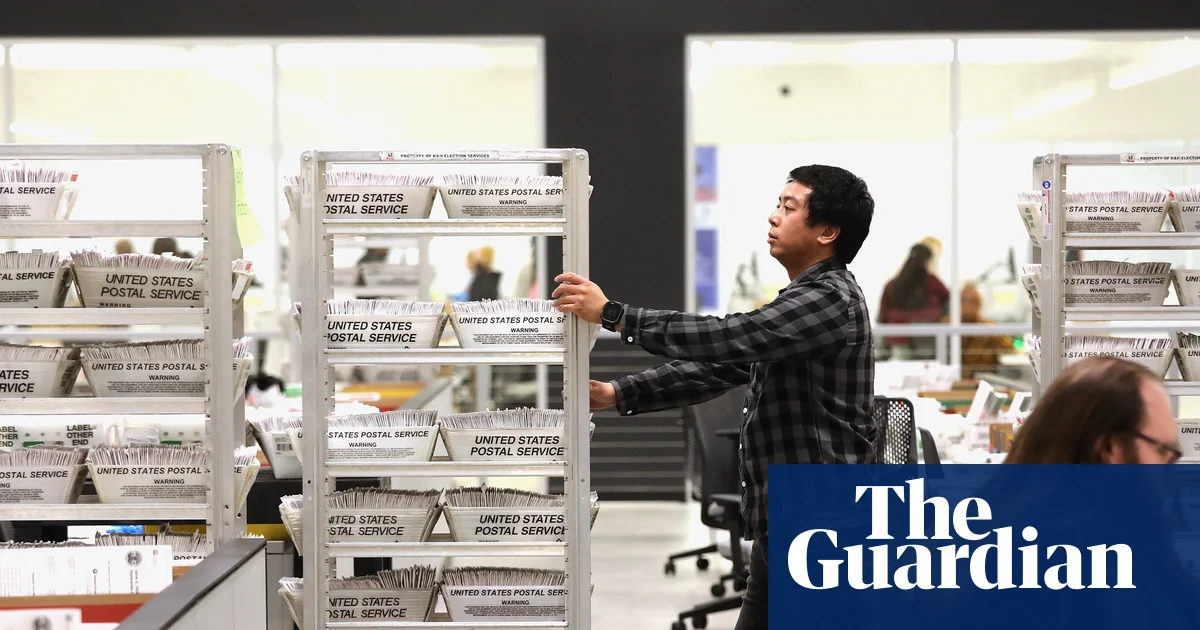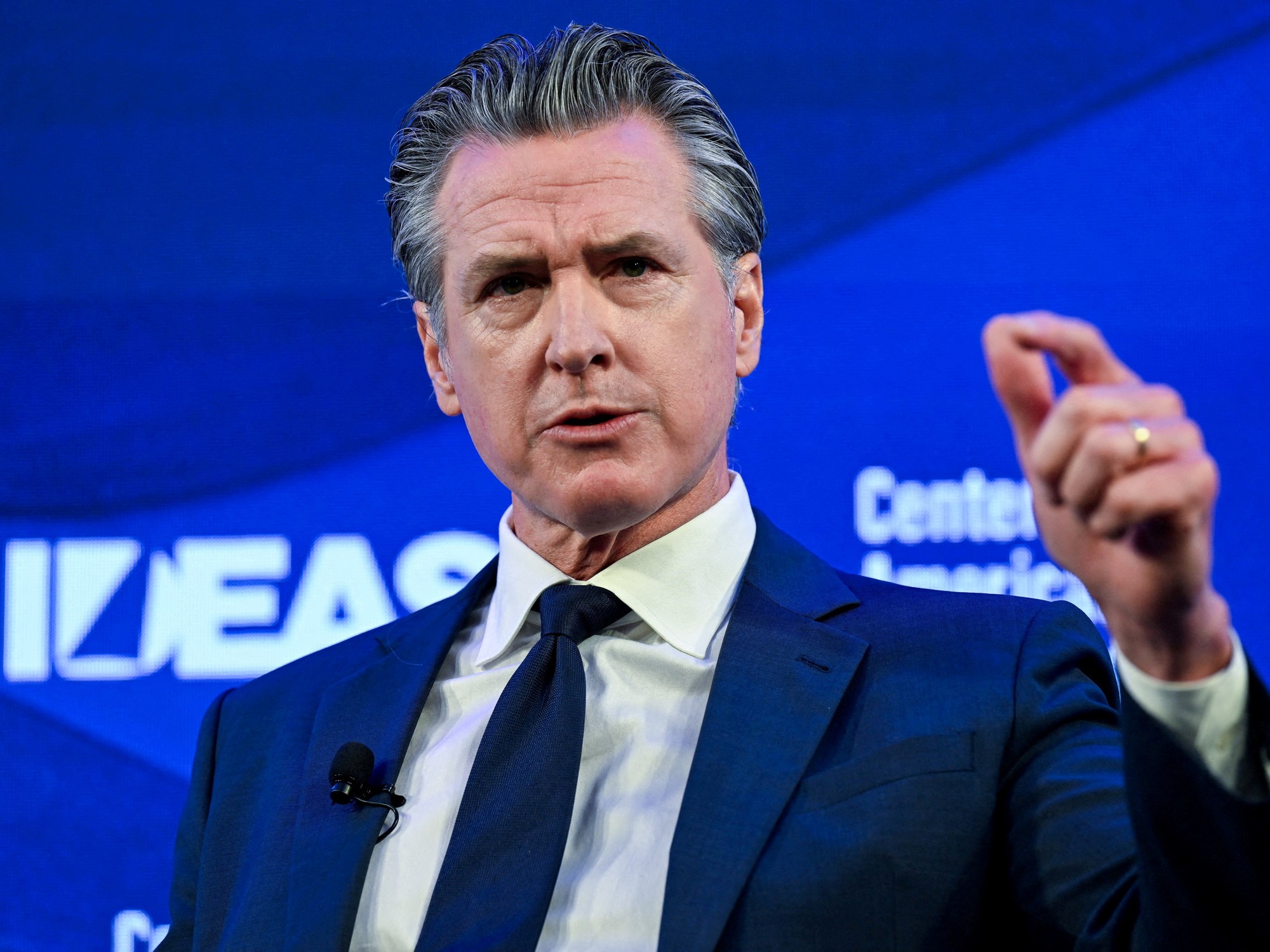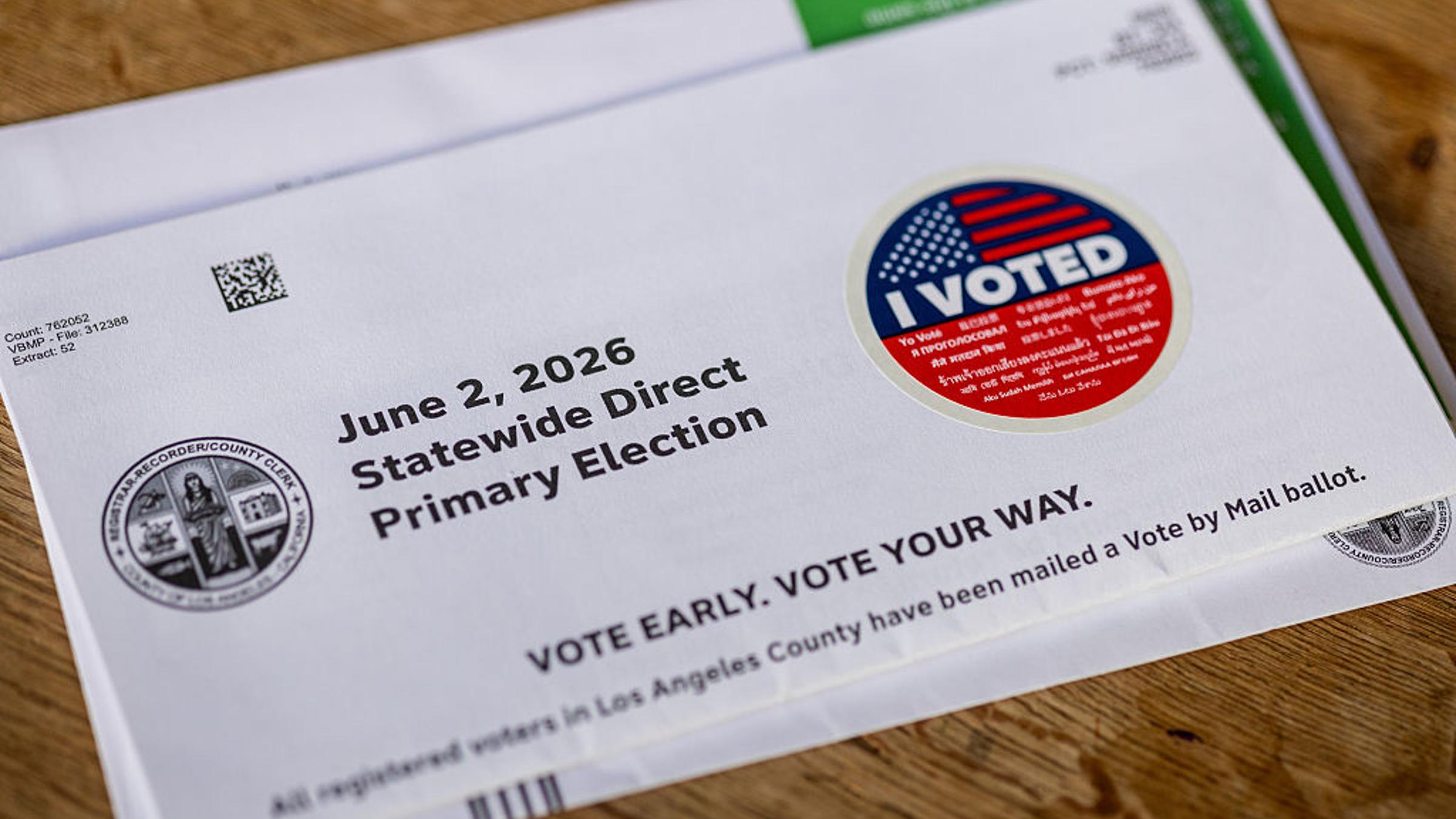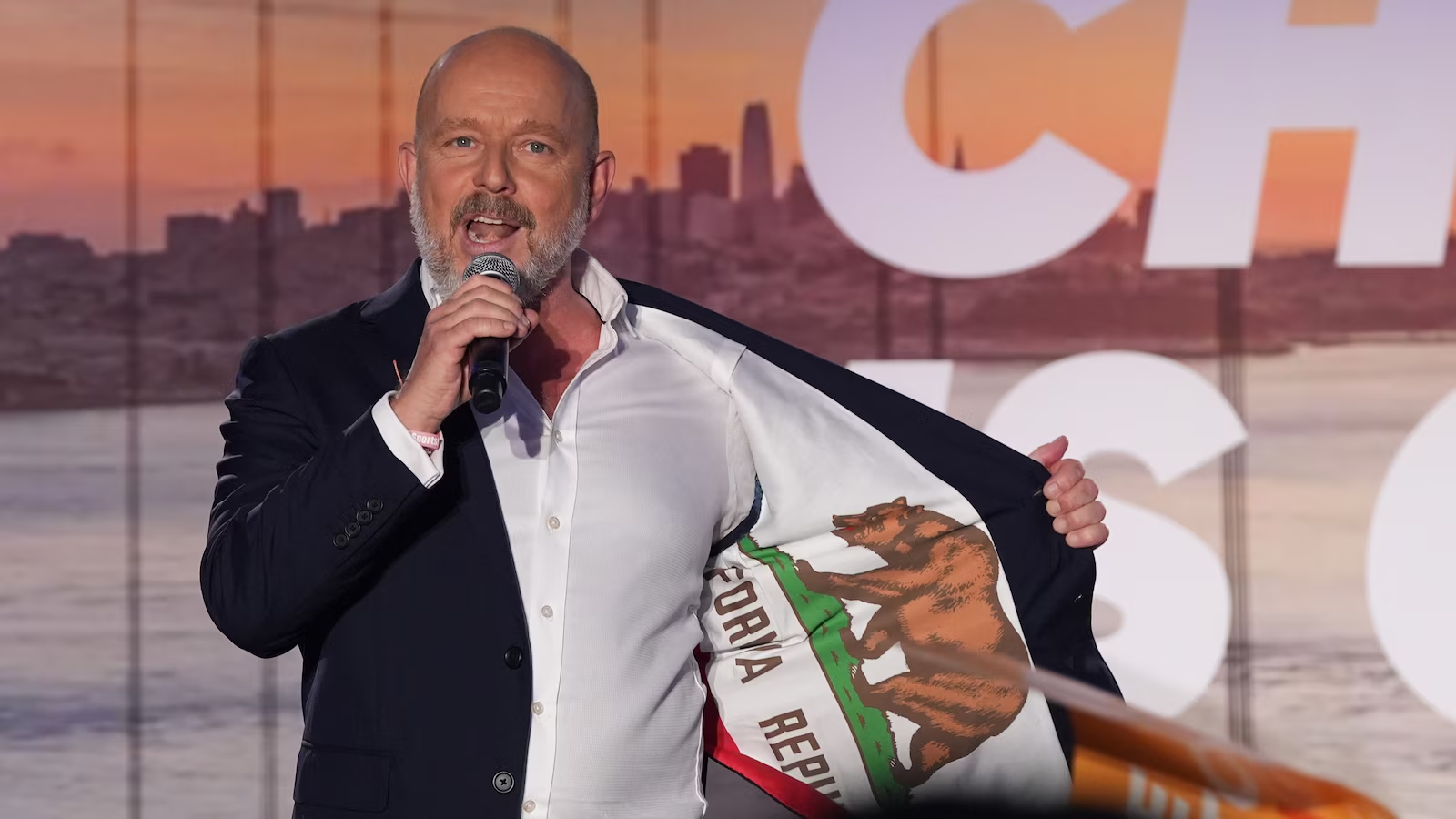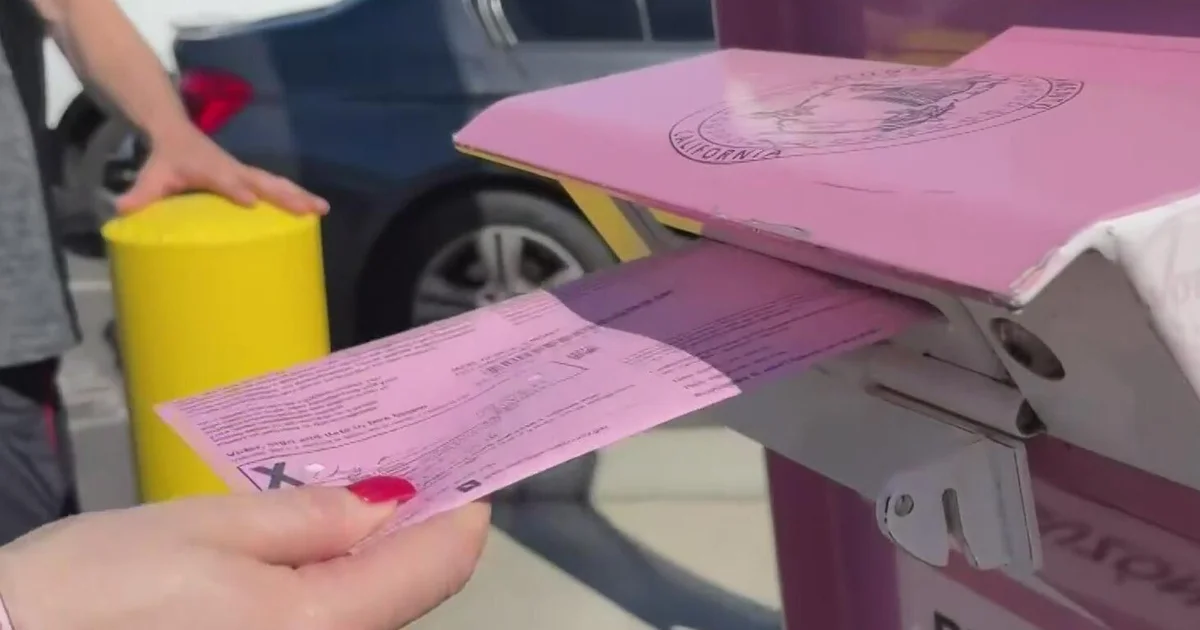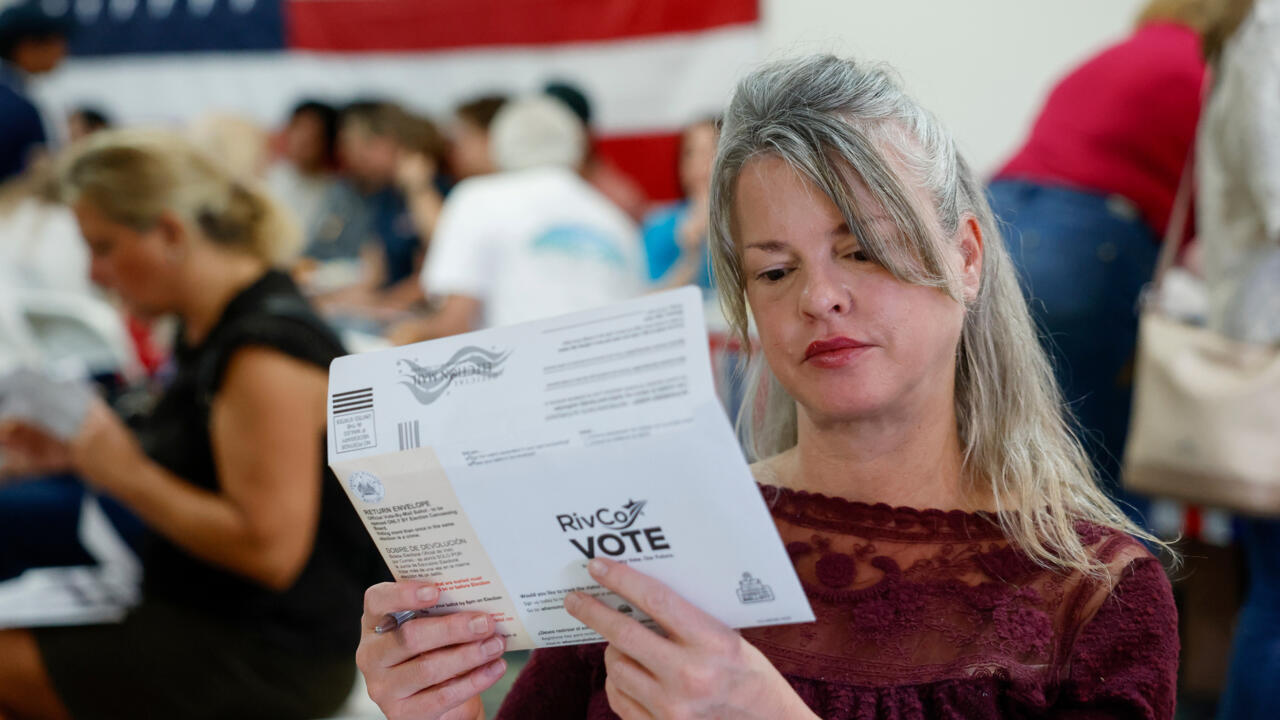
California's gubernatorial primary comes to a close Tuesday as voters choose from an extensive field of candidates hoping to replace termed-out Democratic Governor Gavin Newsom. Closely observed congressional battles will also be on the ballot following a redistricting campaign Newsom led in response to a GOP gerrymandering push that would favour Republicans in November's midterm elections. The end of the voting period, which began in early May, concludes a chaotic gubernatorial contest without a clear front-runner as scores of candidates vied to lead the most populous US state and the world's fifth-largest economy. California puts all candidates on a single primary ballot regardless of party, and the top two finishers advance to the November general election. About 60 candidates were on the ballot, most of them largely unknown to the state’s roughly 23 million voters. On the Democratic side, top contenders include Xavier Becerra, a former state attorney general and US health secretary under Joe Biden; Tom Steyer, a billionaire climate activist; Matt Mahan, the mayor of San Jose; and Katie Porter, a former member of Congress known for her whiteboard-and-black-marker presentations in the people's chamber. Among the Republicans, the two most prominent candidates are conservative commentator Steve Hilton and Riverside County Sheriff Chad Bianco. High cost of living The Democrats campaigned on fighting the Trump administration attacks on the state’s liberal policies and its leadership in Newsom while Republicans vowed to bring change after more than 15 years of Democratic leadership in Sacramento. But the throughline of the race was how to tackle the state's notoriously high cost of living. Read moreEx-reality TV star Spencer Pratt is 'running Trump's playbook' in LA mayoral race Drivers were paying $6 per gallon at the pump at the start of June, $1.72 more than the nationwide average, according to the American Automobile Association, or AAA. And Californians pay the second-highest residential electricity rates behind Hawaii, according to the US Energy Information Administration. To tackle rising costs, some candidates proposed suspending the state’s gas taxes, which total roughly 70 cents a gallon, while others floated subsidising in-state tuition at public colleges. A few of the Democrats said they would eliminate private health insurance in favour of a government-run system with no premiums, while the Republicans vowed to increase oil and gas production and reduce regulations. Shifting momentum Earlier in the race, Democrats worried about being locked out of the general election even though they account for 45 percent of the state's registered voters compared to 25 percent for Republicans. The concern was that their relatively crowded field of Democratic candidates could split the vote, allowing the two Republicans to advance under the single primary system, which was first used at the statewide level in 2014. Recent developments, however, have diminished these fears as a few candidates emerged as leading contenders. In the race's final days, it was Hilton warning that the Republicans could be locked out if they failed to coalesce behind him. Democratic Representative Eric Swalwell’s resignation and withdrawal from the race in April after sexual assault allegations were made against him left an opening for Becerra, who had previously struggled to gain traction. Highlighting his long political résumé, Becerra started raising more money and won the endorsements of powerful labour groups and Latino legislative leaders.
Californians vote in fiercely contested gubernatorial and congressional primaries
Californians have their final chance to vote Tuesday in a fiercely contested gubernatorial primary ahead of Democratic Governor Gavin Newsom’s mandate coming to an end at the end of the year. The state's…
982 words~4 min read