A UNSW-ARENA report finds Australia could compete in premium polysilicon markets by leveraging low-cost renewable energy, strong ESG credentials, and access to raw materials, despite China’s current low-price oversupply.
Polysilicon production in Australia could be both feasible and globally competitive, provided manufacturing plants operate at an annual capacity of at least 50,000 metric tons (MT) and benefit from pricing conditions that support long-term industry growth.
The conclusion comes from a new report by researchers at the University of New South Wales (UNSW) on behalf of the Austrialian Renewable Energy Agency (ARENA).
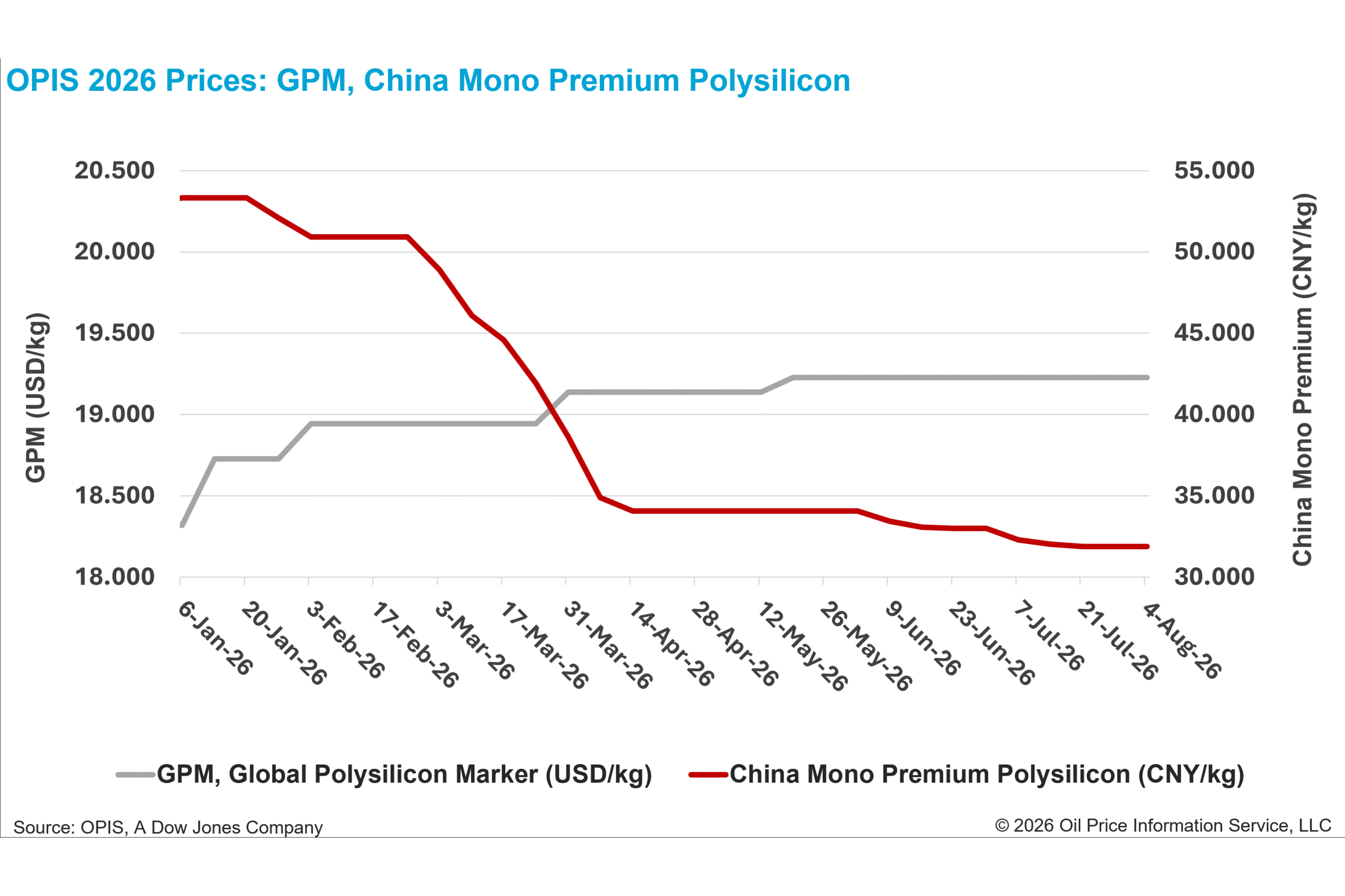
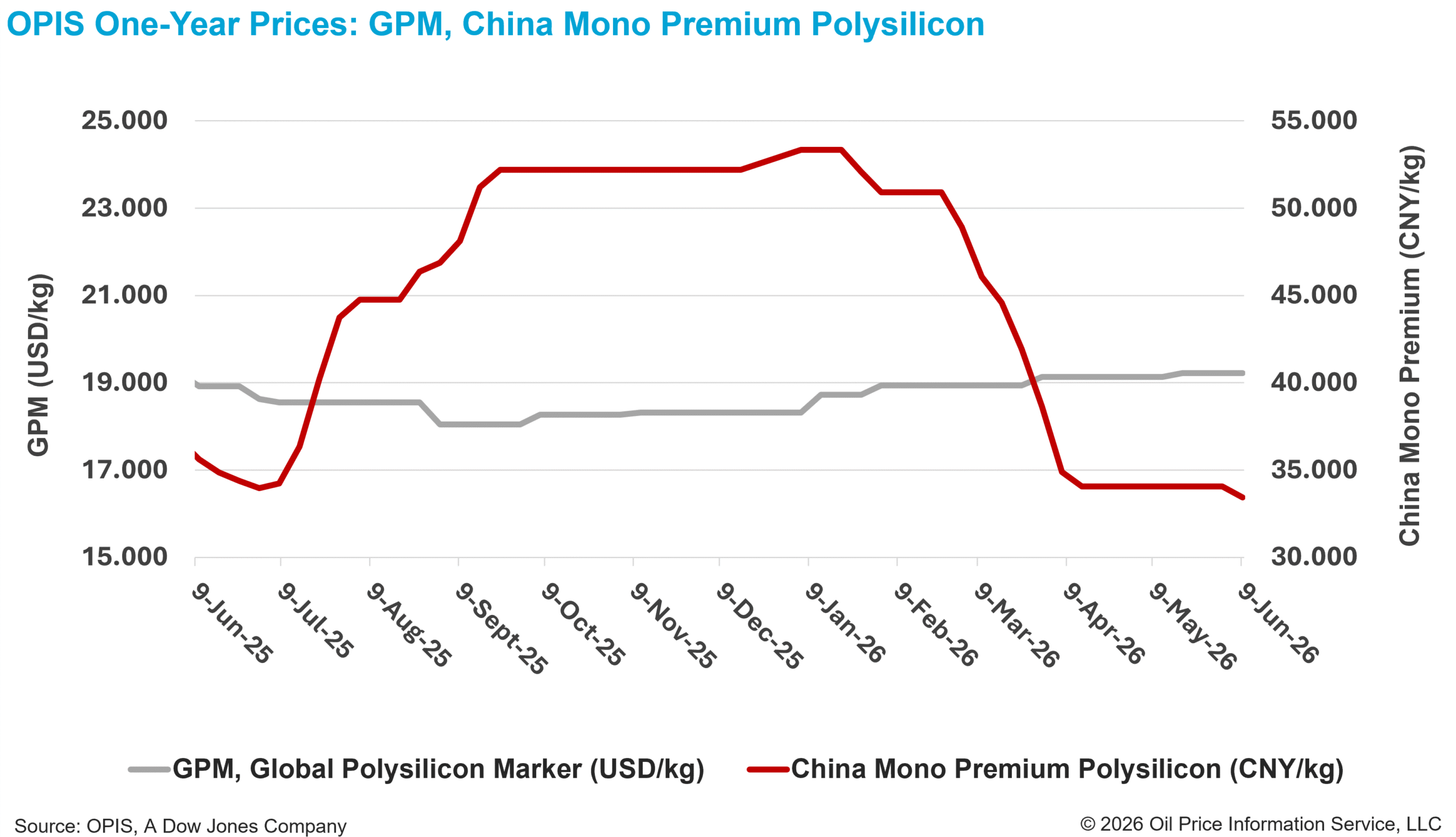
“Outside China, polysilicon can reach prices of up to $24/kg in premium segments,” lead author Michelle Vaqueiro Contreras told pv magazine. “In this context, Australia is likely to compete within these differentiated market segments. Australia’s competitive advantage lies in its established capability in large-scale chemical processing and commodity trade, strong environmental, social, and governance (ESG) credentials, capability to produce low cost renewable energy, access to high-quality raw materials such as quartz and metallurgical-grade silicon, and a unique potential to leverage existing relationships with leading manufacturers to accelerate capability development.”