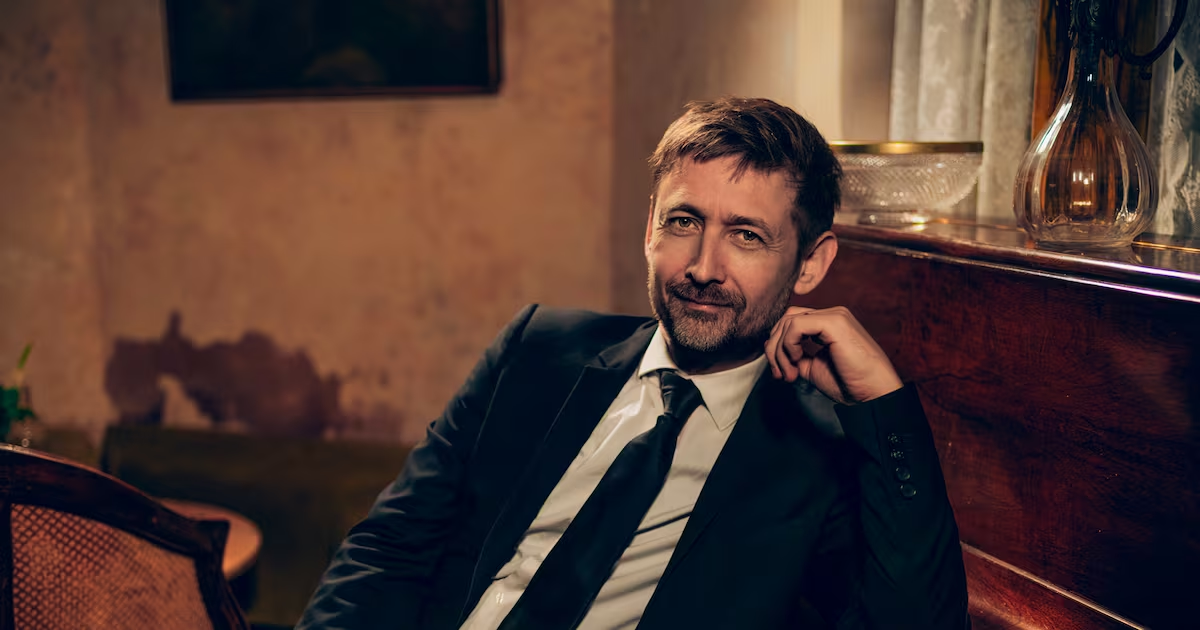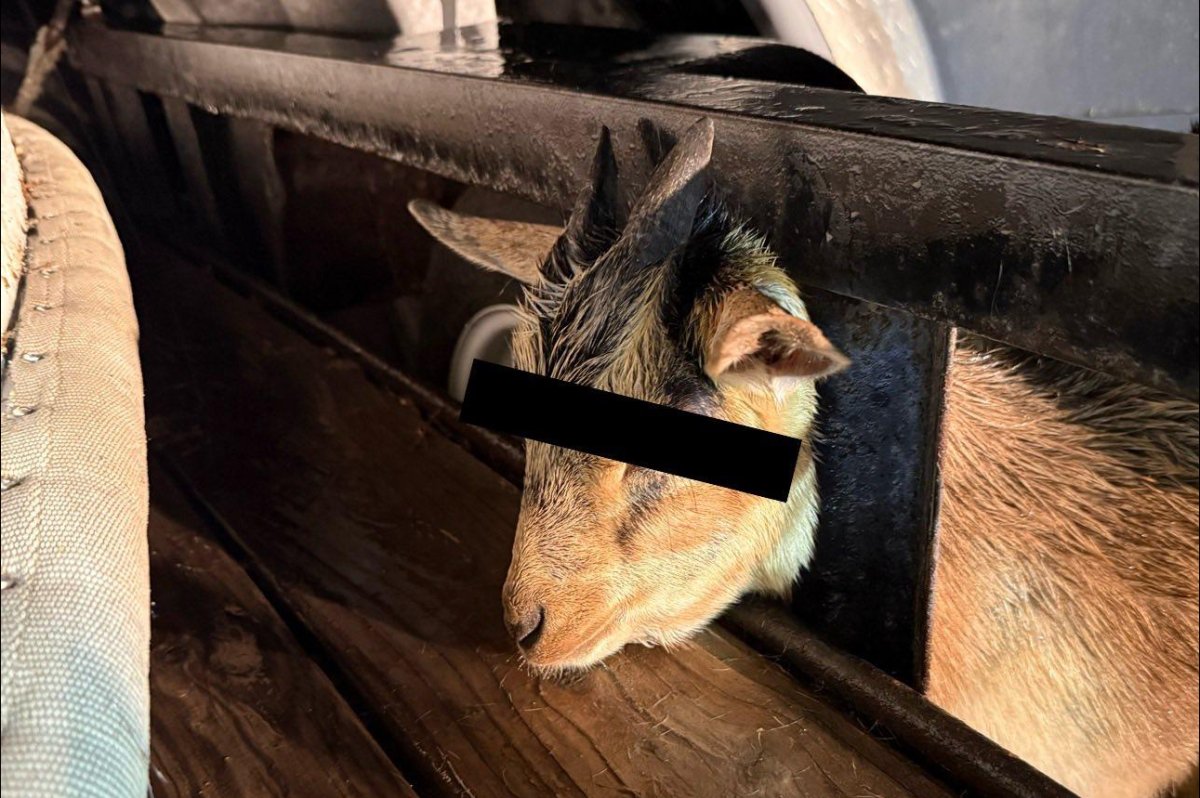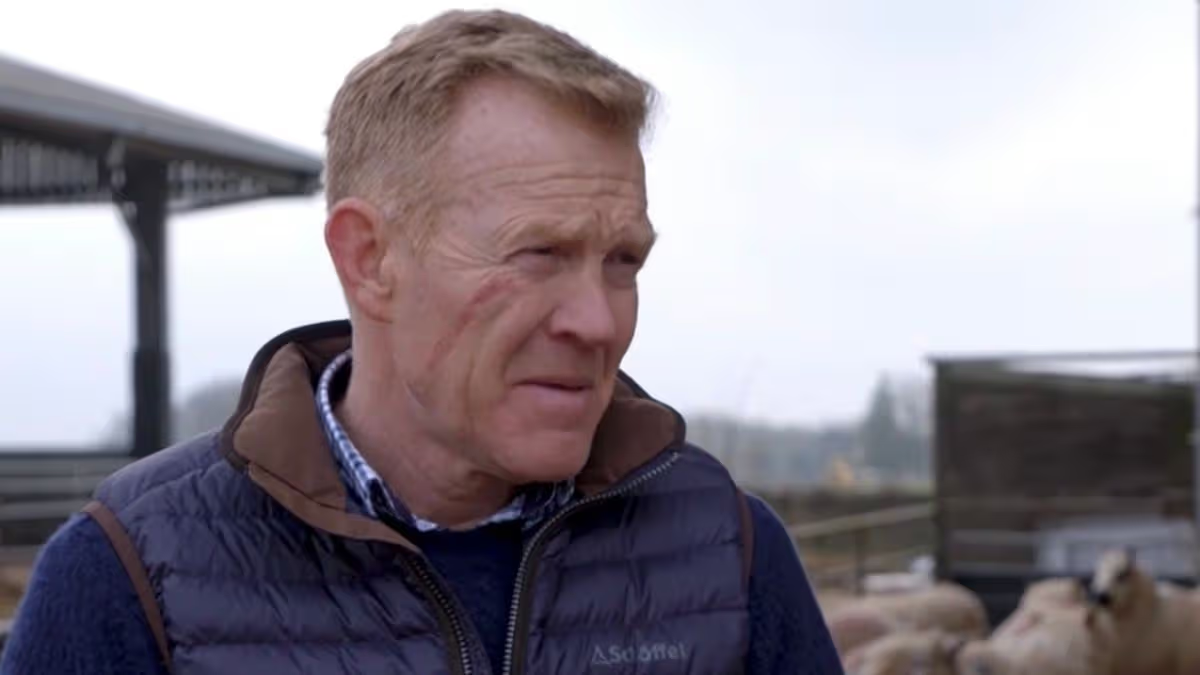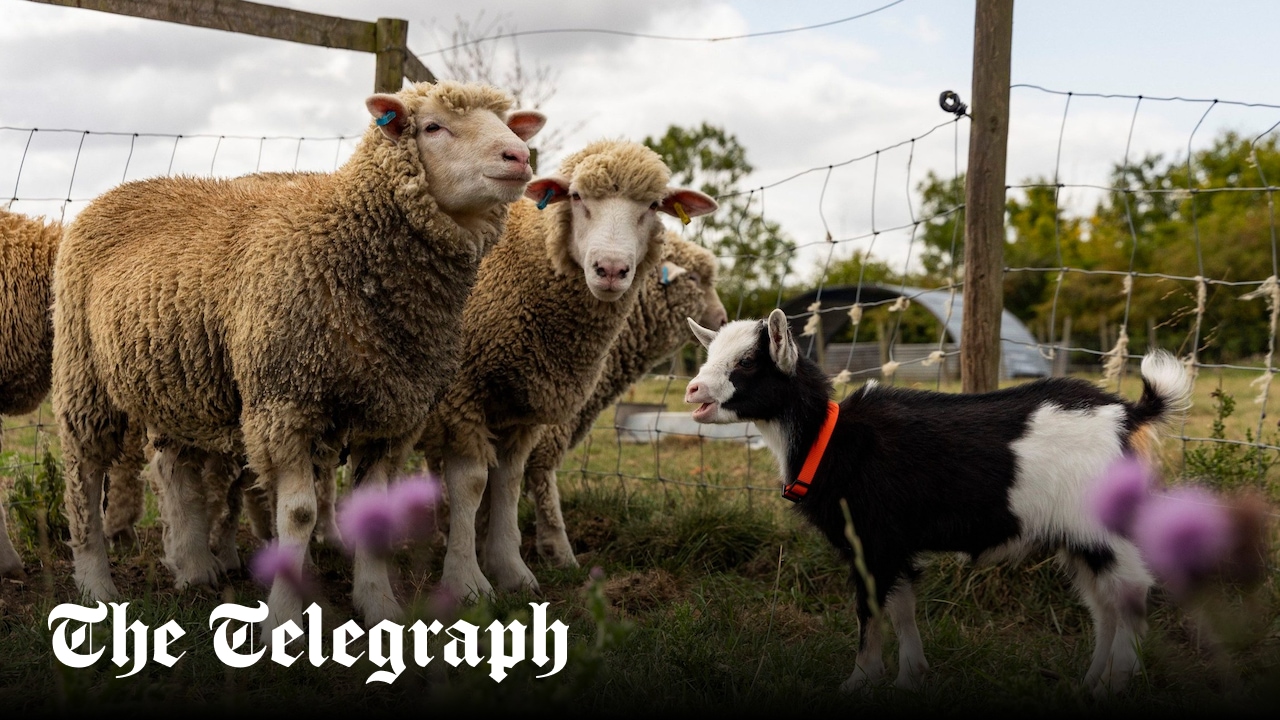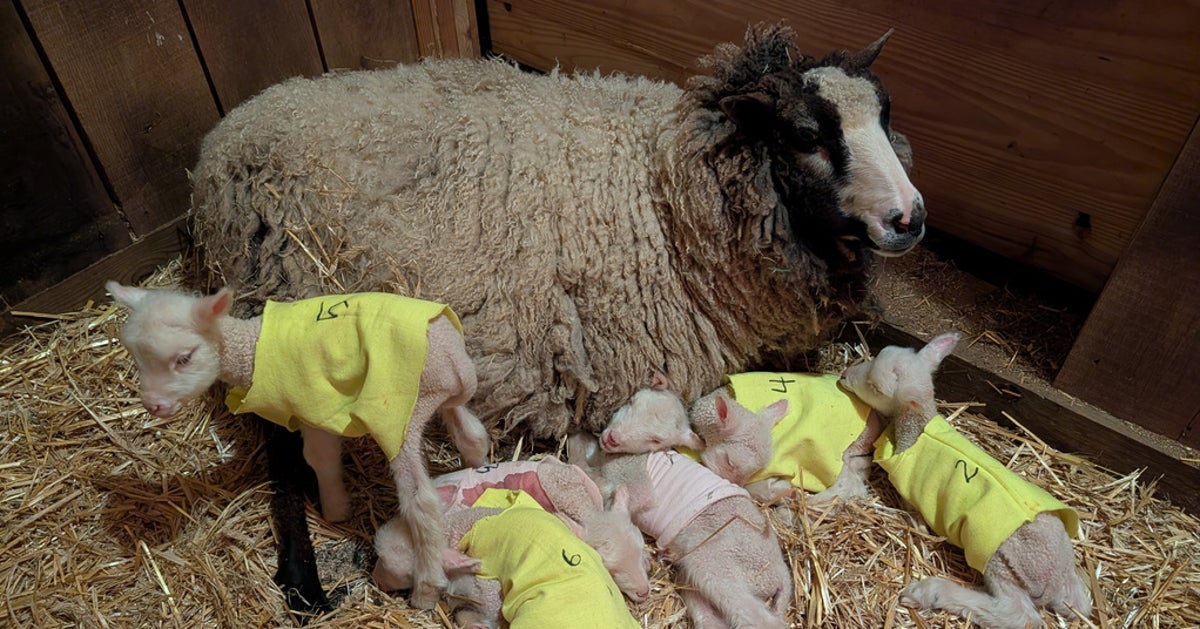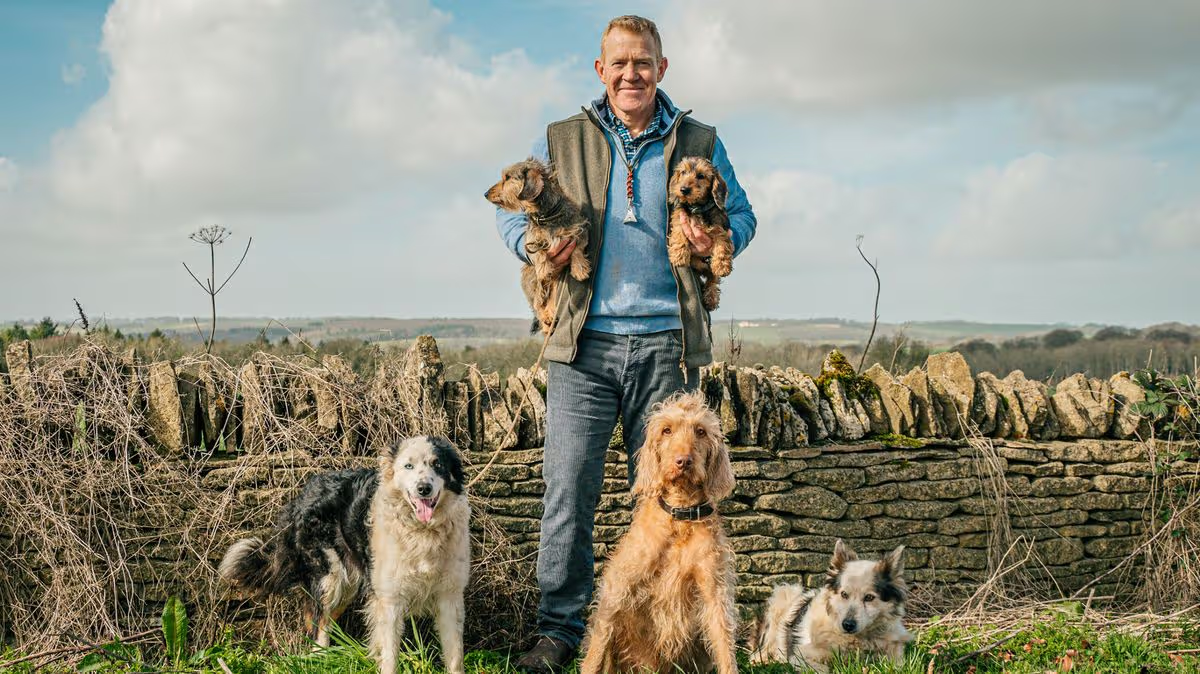
Countryfile presenter Adam Henson has announced the arrival of a dozen 'delightful' newborn Golden Guernsey goats at Cotswold Farm Park, whilst reflecting on the breed's remarkable survival story07:47, 01 Jun 2026Rare breeds have always held a special place in Countryfile presenter Adam Henson's heart. His father, Joe, sparked that devotion early by introducing Gloucestershire Old Spot pigs to the family's Gloucestershire farm. It was also Joe who first opened the Cotswold Farm Park to visitors back in 1971.Nowadays Adam manages the farm alongside his numerous television commitments, and proudly announced the recent arrival of a dozen "delightful" newborn Golden Guernsey goats. He's particularly passionate about the breed, writing in Countryfile magazine: "They're small and nimble with large, forward pointing ears that people seem to love, and which give them a comical, friendly appearance."Adam notes that, while their milk is superb, it's unlikely to appear on your local supermarket shelves. Much like many rare breed farm animals, they're not especially productive and most farmers consider them too unviable to maintain as livestock.He further reveals that Golden Guernseys might have vanished entirely were it not for the sheer determination of one remarkable woman.During the Second World War, Golden Guernseys were found exclusively, as their name implies, on the Channel Islands. In the closing years of the conflict, the German garrison occupying Guernsey became isolated, and severe rationing resulted in much of the island's livestock – and even some beloved pets – being killed for their meat.The Golden Guernsey population had already been severely depleted before the war, and a local resident named Miriam Milbourne recognised that if the handful of surviving goats were slaughtered the breed would vanish permanently.It's a sobering thought, he says, "that this appealing breed came perilously close to extinction."Adam reveals that Miss Milbourne concealed the goats within her residence, even though she could possible have faced execution if she had been discovered: "When I was researching my book A Breed Apart, about the history of the livestock of the British Isles, I discovered that in fact [the goats] were holed up in the rooms of her house at L'Ancresse."Miss Milbourne maintained the breeding programme after Germany ultimately capitulated and by the 1950s she possessed more than 30. It wasn't until the late 1960s that the breed began arriving in England and the British Goat Society's Golden Guernsey Goat register was established in 1971.Population figures remain on the low side, however, and according to the 2024-5 Watchlist produced by the Rare Breed Survival Trust, Golden Guernseys are classified as an 'at risk' breed.Article continues belowIn 2024, during the Royal Visit of His Majesty King Charles III and Queen Camilla to Guernsey, Golden Guernseys received the exceptional distinction of being awarded a royal title and the breed is now formally designated Royal Golden Guernsey Goat. The King serves as Patron of the Rare Breeds Survival Trust, and the accolade being granted to the Golden Guernsey represents "wonderful recognition" of their breed, according to Christopher Price, the Trust's Chief Executive.Yet the breed's very survival is solely down to Miriam Milburn. "Hers is a remarkable story," says Adam, "one fit for any Hollywood action movie."
Adam Henson shares 'sobering thought' as he greets 'delightful' new additions
Countryfile presenter Adam Henson has announced the arrival of a dozen 'delightful' newborn Golden Guernsey goats at Cotswold Farm Park, whilst reflecting on the breed's remarkable survival story
523 words~2 min read