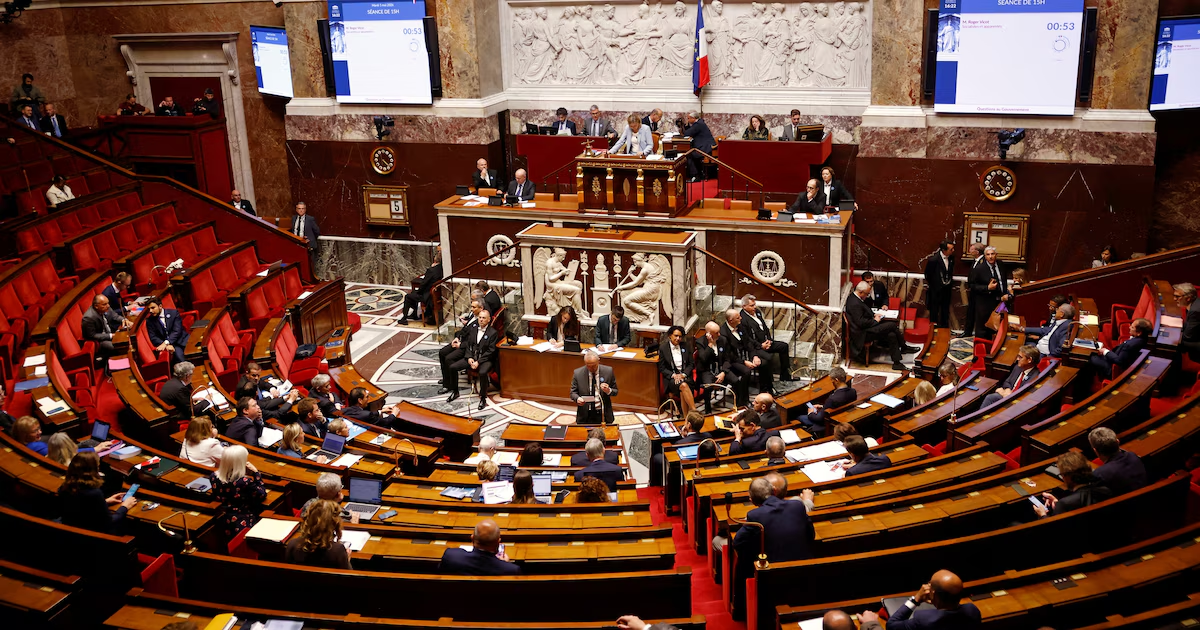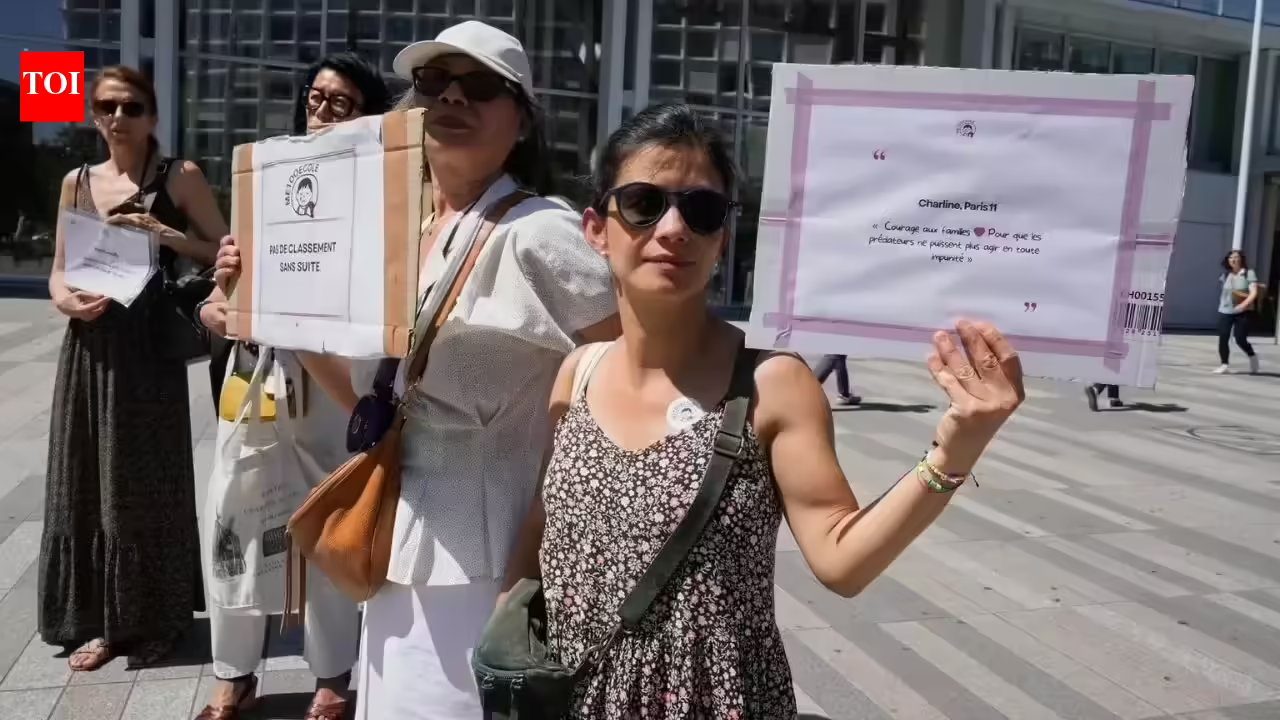
French lawmakers will on Monday debate tougher protections against sexual abuse in schools and after-school programmes, as a series of scandals increases pressure on the government to strengthen safeguards.
Issued on: 01/06/2026 - 08:06Modified: 01/06/2026 - 08:08
3 min Reading time
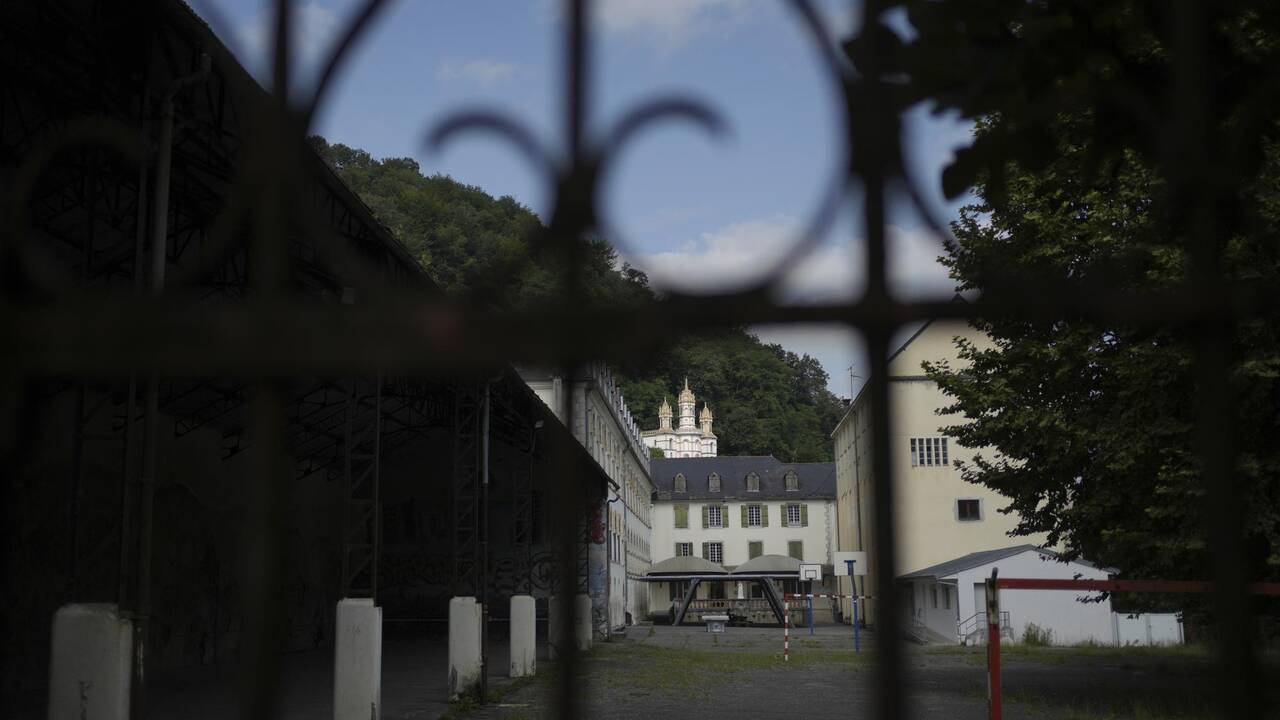
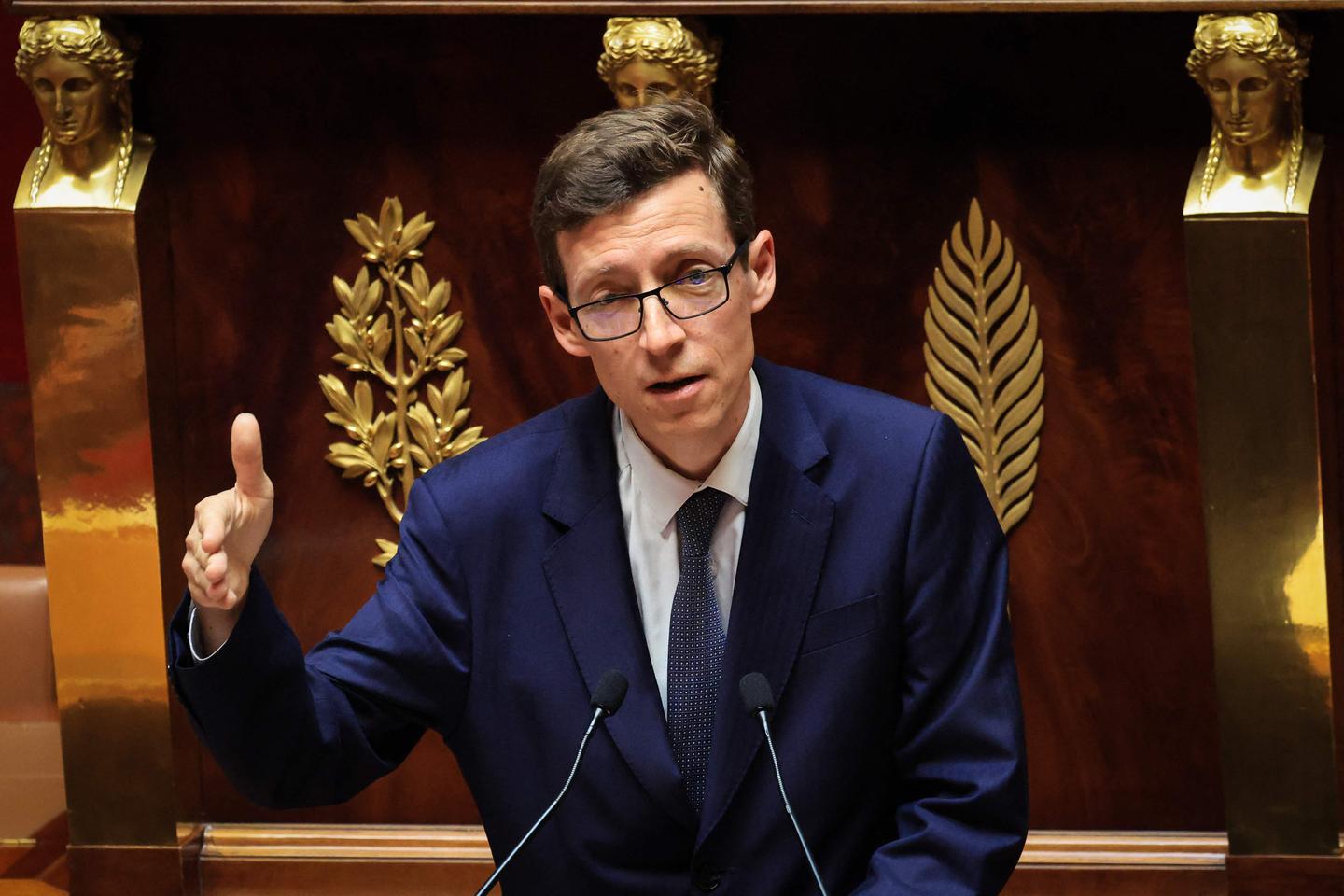
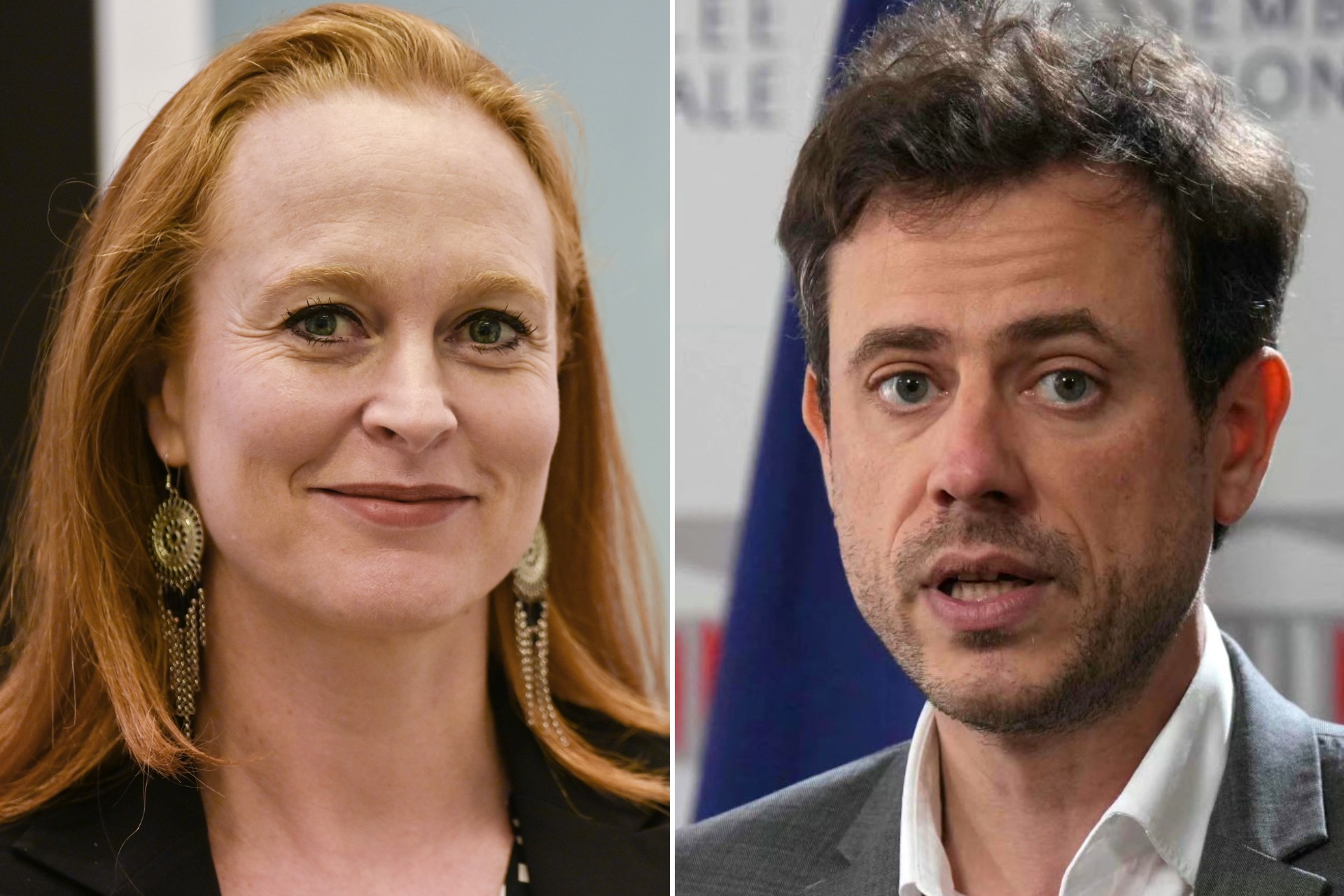
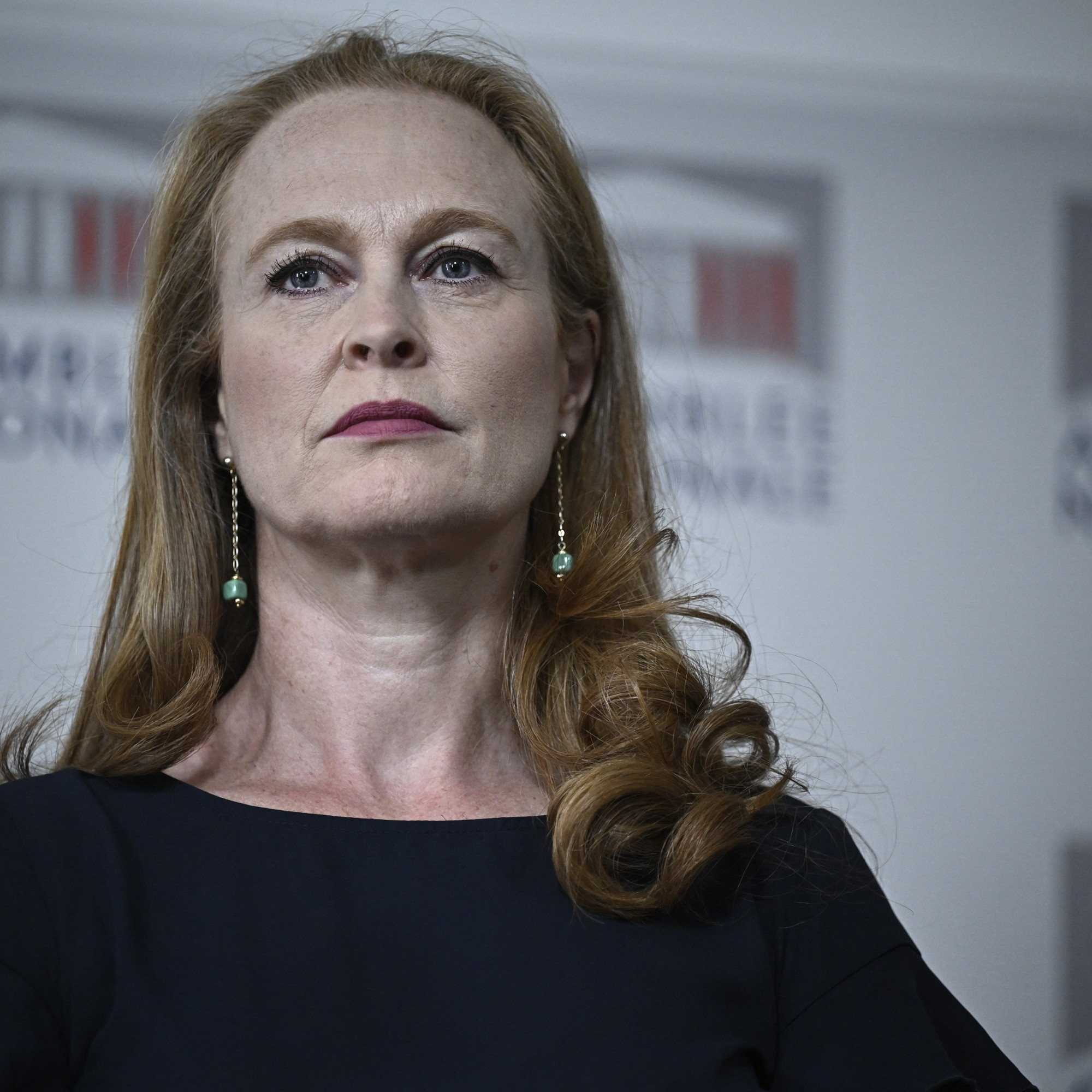
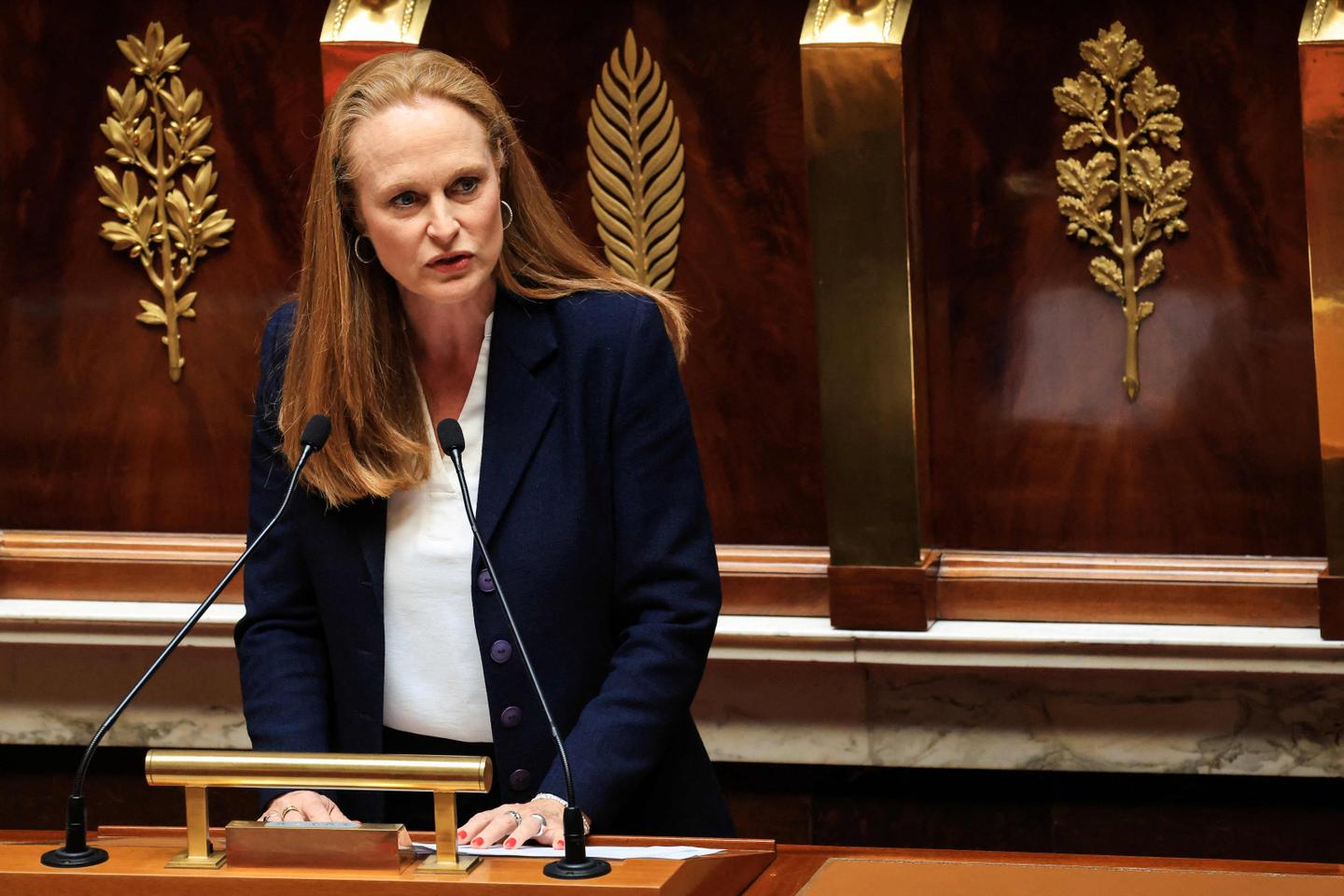
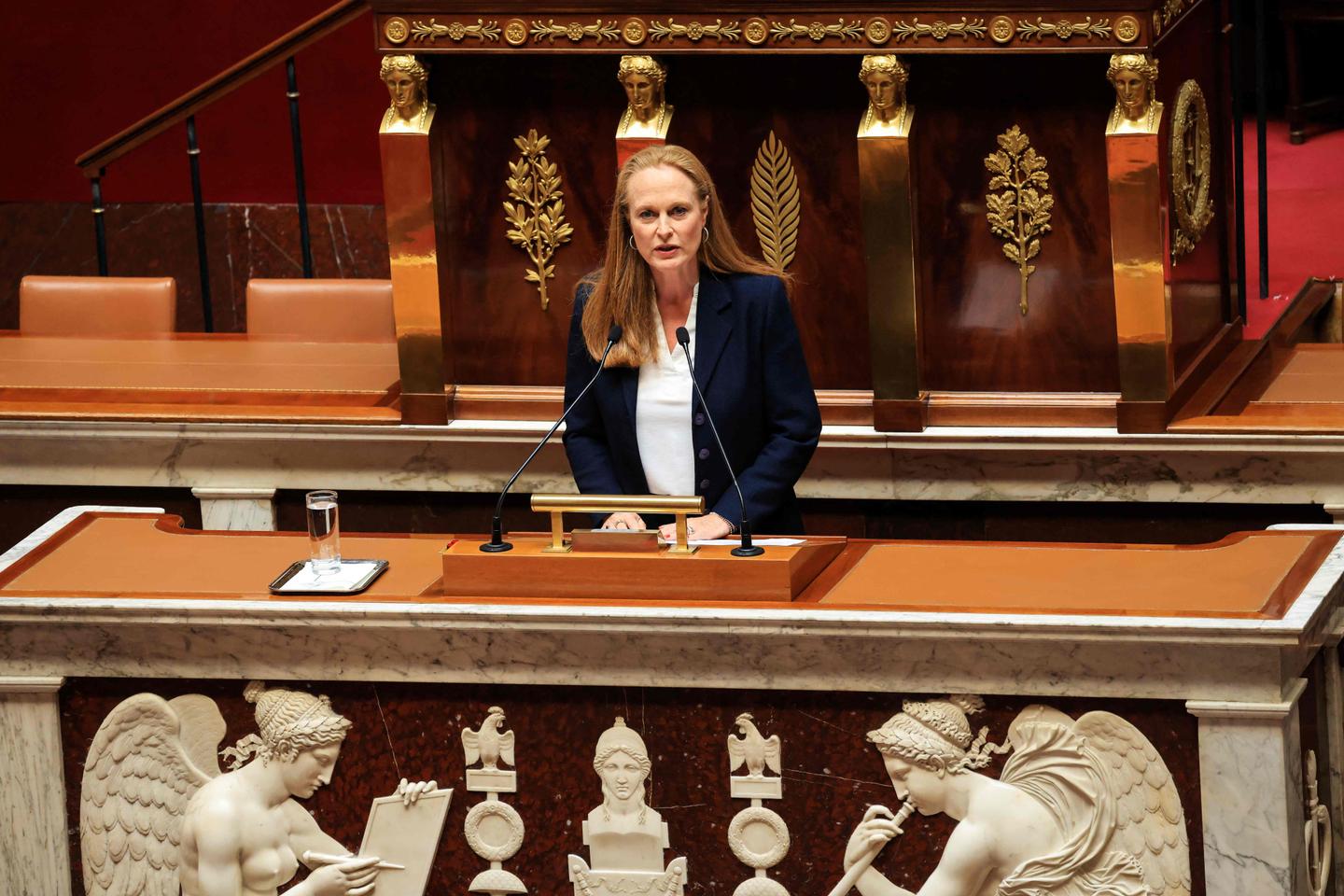
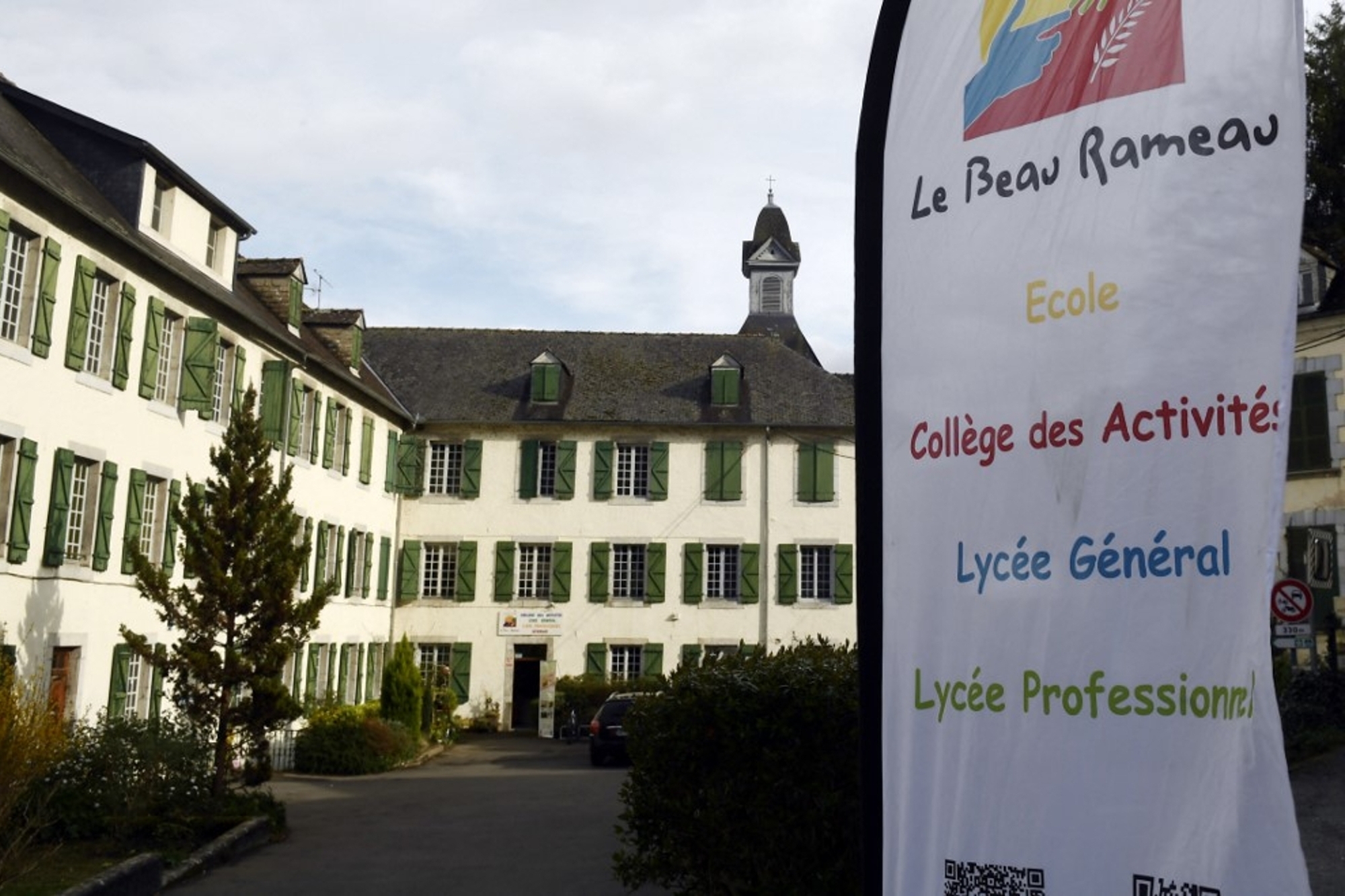
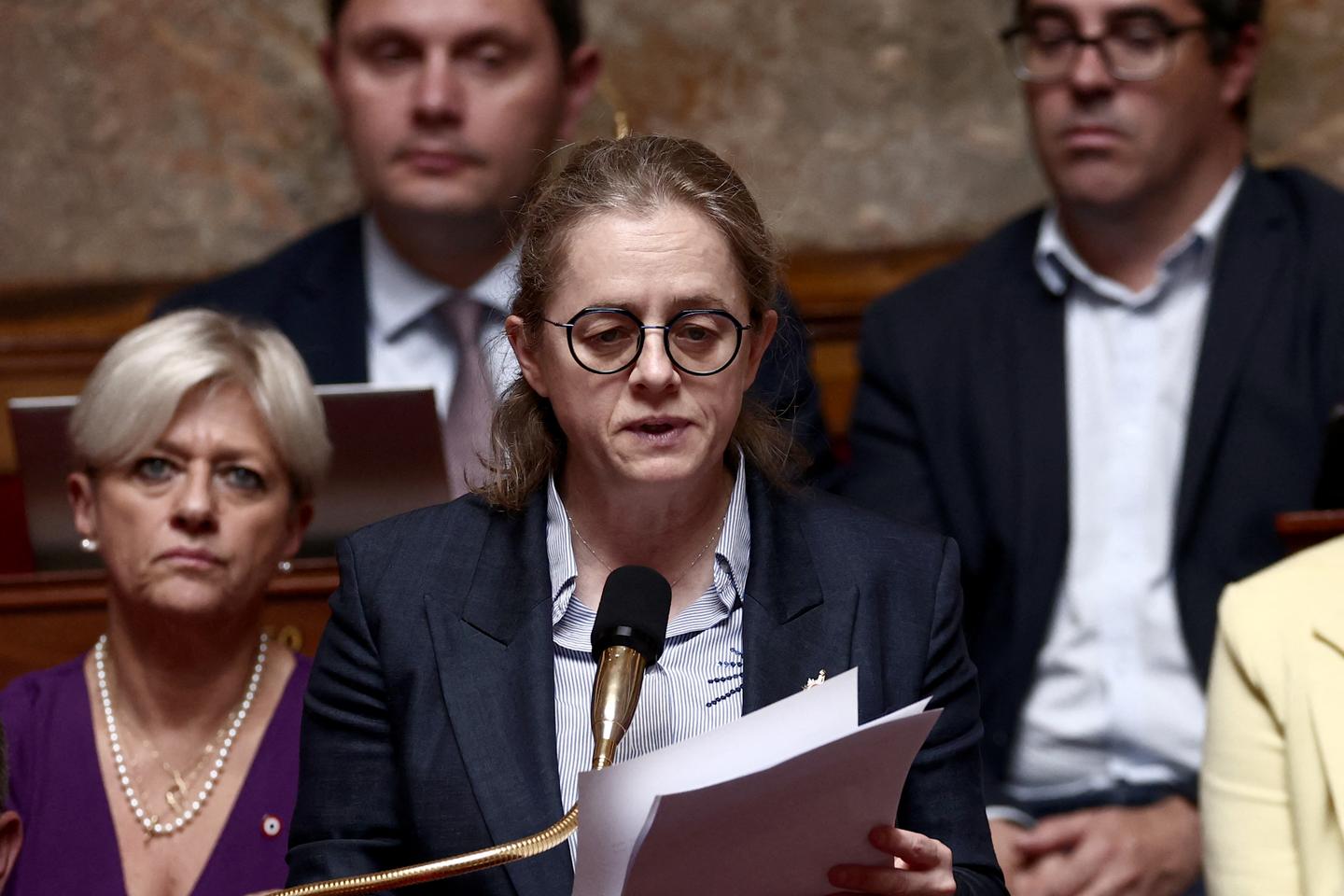
The legislation was drafted following a parliamentary inquiry into allegations of violence and sexual abuse at the private Notre-Dame-de-Bétharram school near Pau, where former pupils accused staff of mistreatment over several decades. Several measures were later extended to after-school activities, following a wave of allegations involving non-teaching staff in Paris schools and childcare programmes. The proposed reforms will require regular vetting of school and after-school staff, strengthen reporting obligations, extend the time limit for prosecuting failures to report violence against minors and introduce more frequent inspections of private schools. The bill cleared its first hurdle last week when lawmakers approved it in committee ahead of Monday's debate in the National Assembly. “The objective is clear – to ensure these assaults never happen again, that children’s voices are heard and that the state protects them,” Violette Spillebout, an MP from President Emmanuel Macron's Renaissance party and the bill's lead sponsor, said during committee discussions. The legislation includes a symbolic section condemning violence against children and recognising failures by the state that allowed abuse to persist. MPs also approved the creation of a national day of tribute on 19 November. Hunting paedophiles online: the legal grey area occupied by internet vigilantes Political division The first public trial linked to the Paris cases opened last week, with a 36-year-old youth worker accused of sexually assaulting five pre-school children aged between three and five. Paris investigators are examining allegations involving staff at 84 kindergartens and around 20 primary schools. In the first three months of 2026, the city suspended 78 aides, including 31 suspected of sexual abuse. “For decades, the state failed,” said France Unbowed (LFI) lawmaker Paul Vannier, who drafted the legislation with Spillebout. Political tensions around the legislation have exposed divisions inside parliament. The text was initially presented jointly by Spillebout and Vannier, before Spillebout refiled it alone after her Renaissance group refused to support debate on legislation formally backed by a hard-left LFI MP. “We are carrying this text together,” Spillebout said, adding that parliament had a duty to show it “can unite to protect children”. Paris council to spend €20m tackling sexual abuse in after-school programmes New measures Judicial measures would extend the statute of limitations for failing to report violence against minors. The legislation would also explicitly ban all violence against children, including corporal punishment. The aim is to end “a supposed right to discipline still invoked in court rulings”, Spillebout said. Committee debates also focused on more robust checks for adults working in schools and after-school programmes. Under the legislation, staff would have to present a “certificate of honourability” when hired, and again every three years. Additional measures would strengthen the monitoring of disciplinary sanctions in order to “prevent a dangerous adult from moving from one institution to another without leaving a trace”, as has been the case in recent scandals. Some MPs pushed to extend those checks to all professionals working with children, including medical staff, citing the Le Scouarnec case, which exposed failures that allowed a surgeon convicted of child sexual abuse to continue practising for years. Spillebout opposed widening the measure, saying the legislation should remain limited to school and after-school settings. French clergy acknowledge responsibility in school sexual abuse scandal Catholic education The strongest opposition focused on provisions concerning private education. The final articles would reform relations between the state and private schools, including mandatory inspections at least every five years. “These measures are not about protecting children, but simply about bringing private education under state control,” far-right National Rally lawmaker Roger Chudeau said. He also accused Vannier of placing “a sort of target” on Catholic education by portraying it as responsible for abuse. Another disputed measure would explicitly require religious ministers to report abuse against minors, even if allegations are revealed during confession. National Rally lawmakers opposed the provision, calling it “a brutal and anti-clerical attack”.