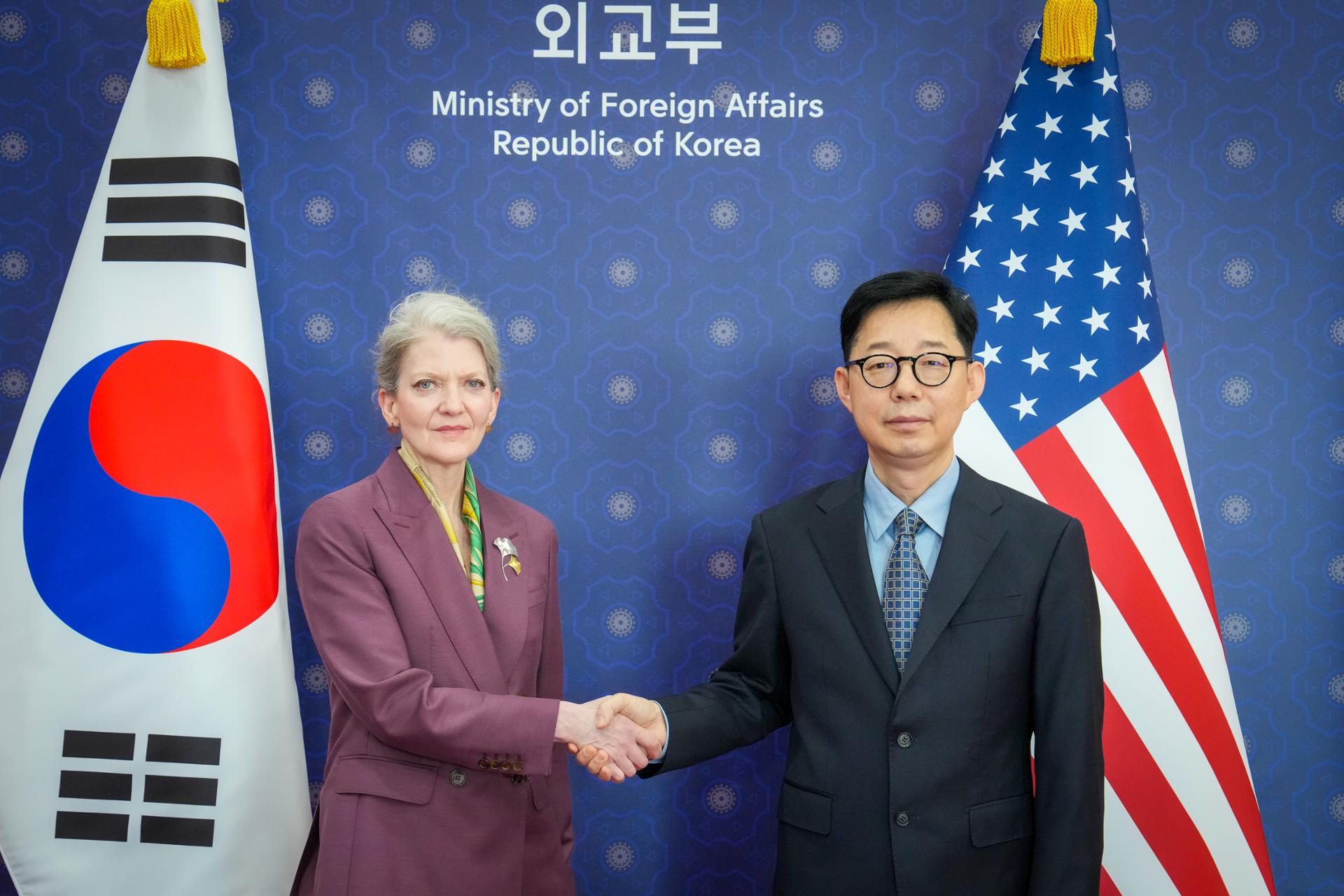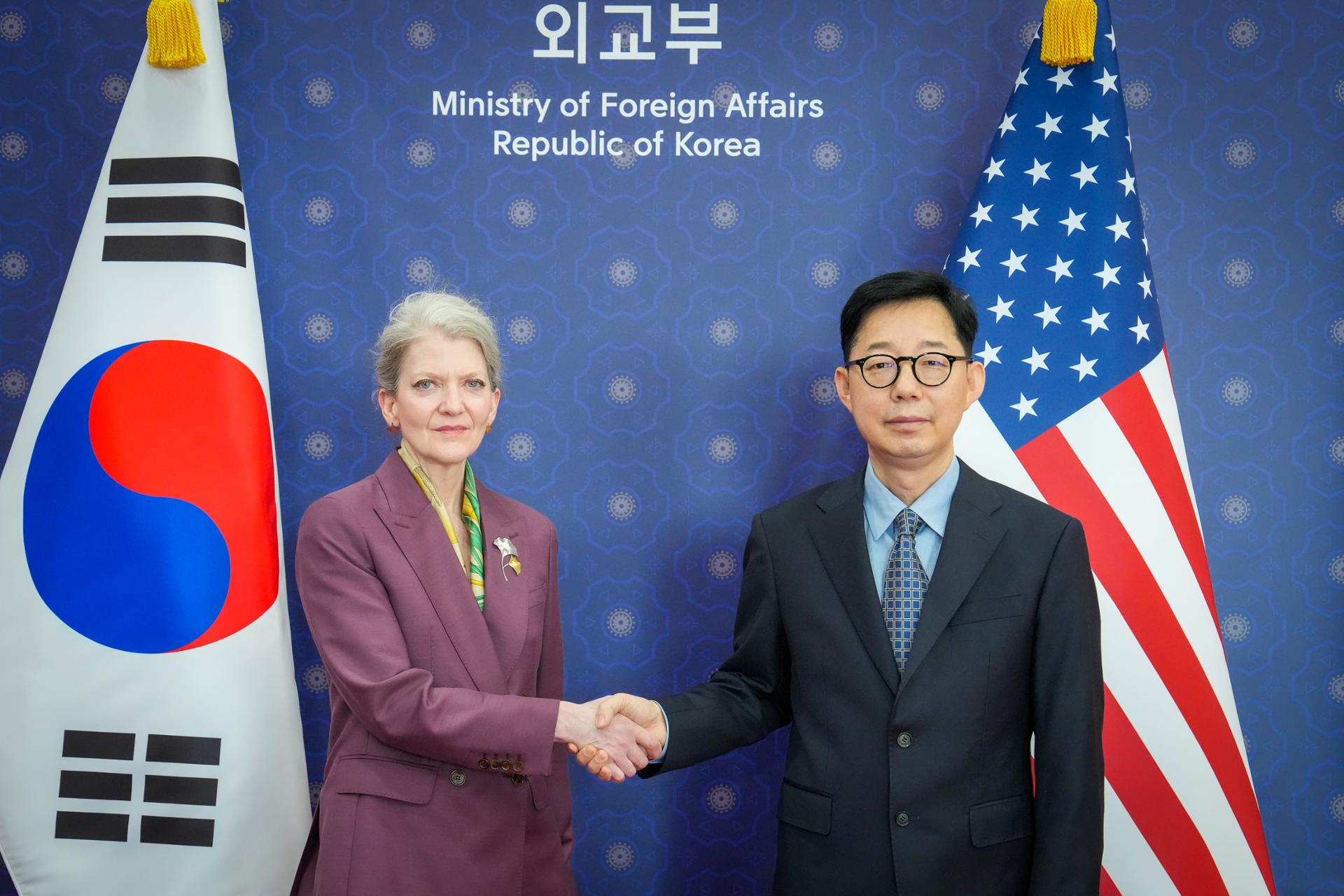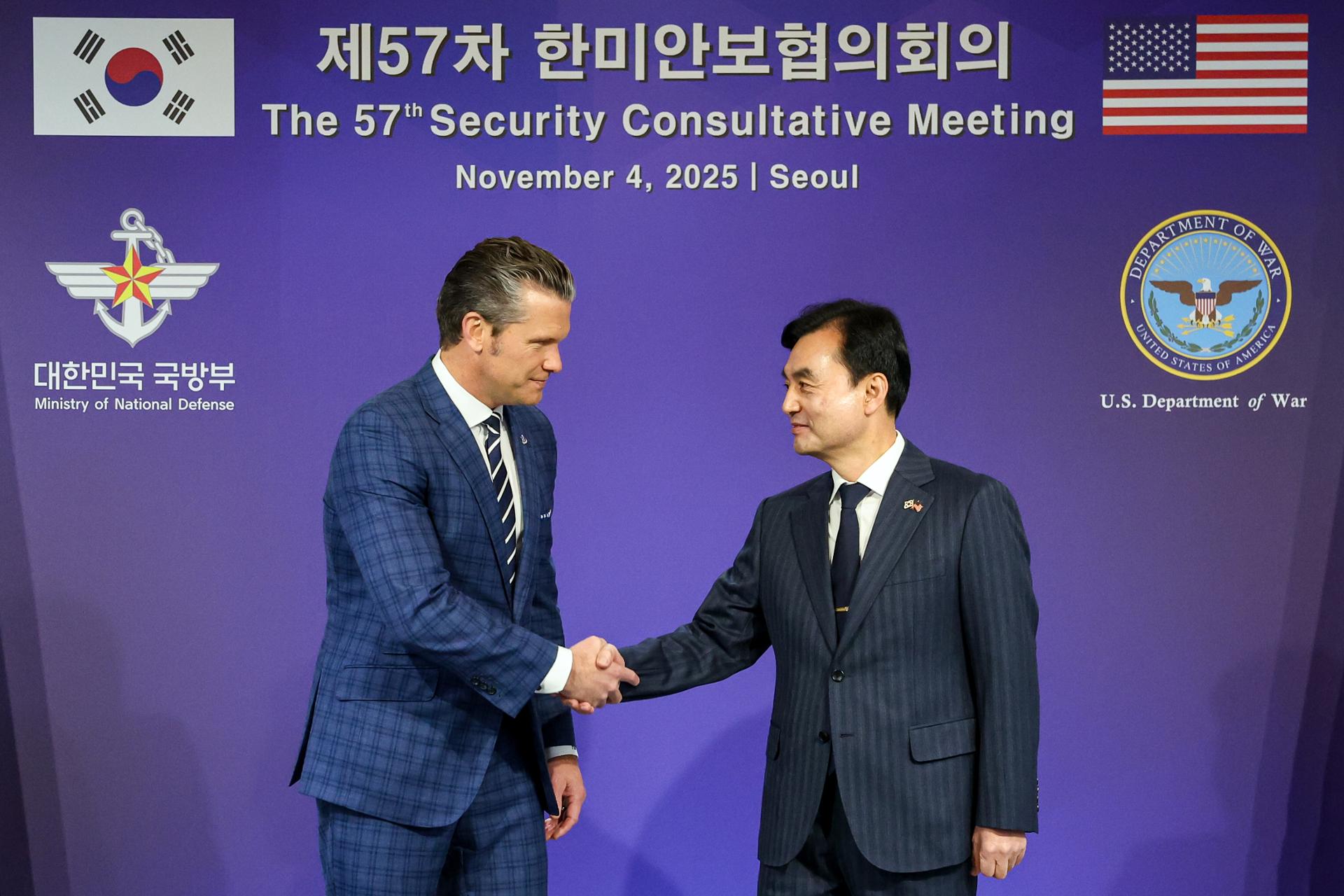
Defense Minister Ahn Gyu-back, right, shakes hands with U.S. Defense Secretary Pete Hegseth at the Ministry of National Defense in Yongsan District, Seoul, Nov. 4, ahead of the 57th ROK-U.S. Security Consultative Meeting. Joint Press Corps
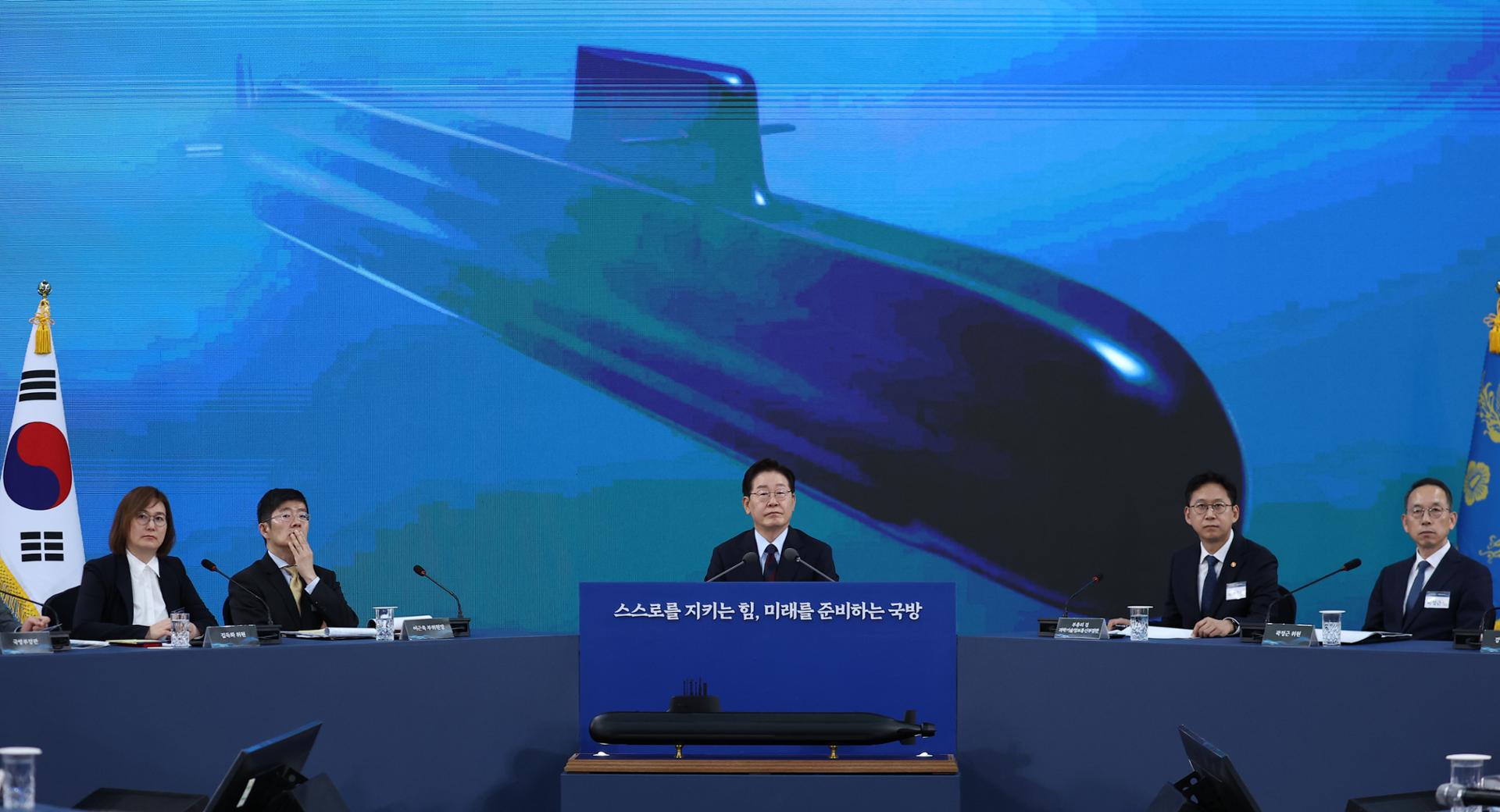
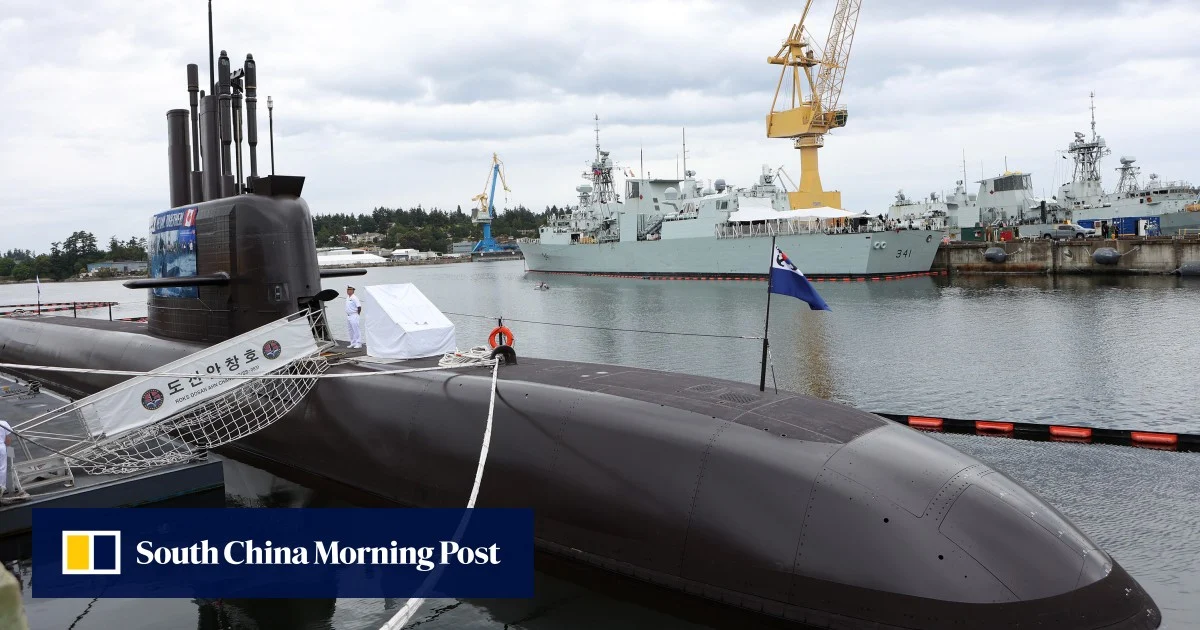
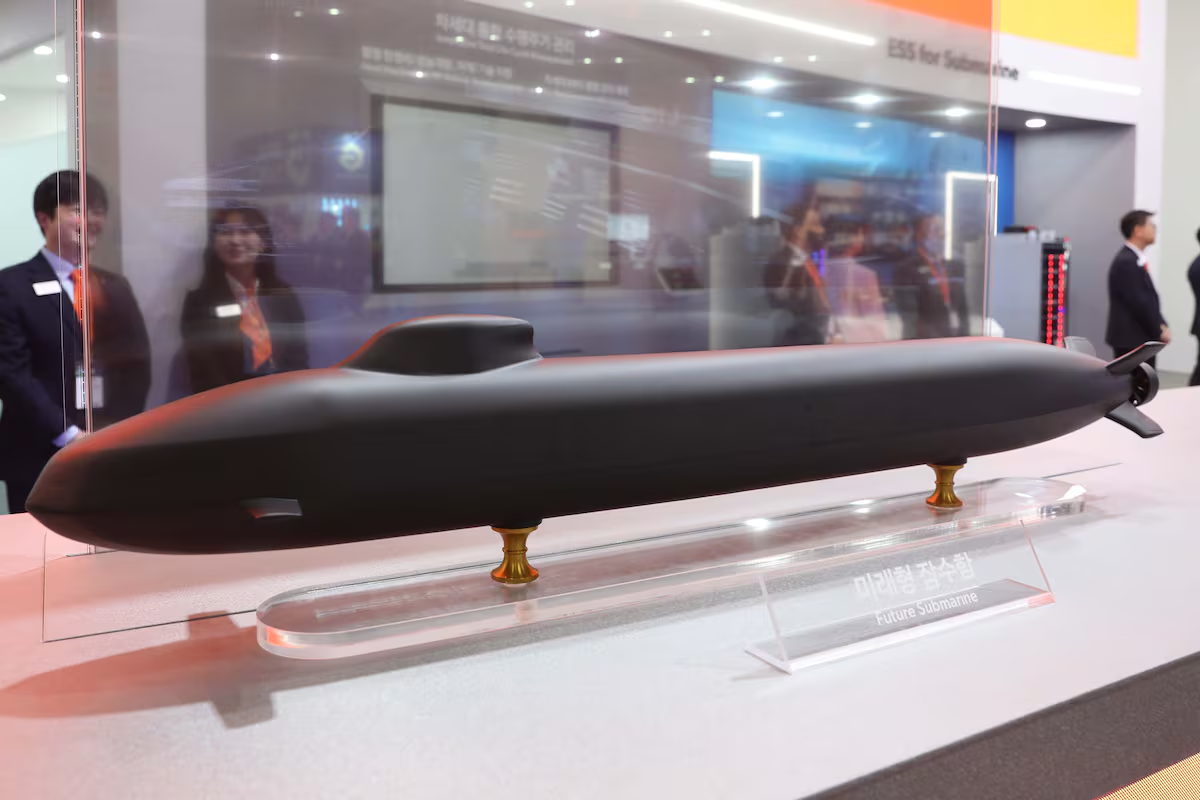
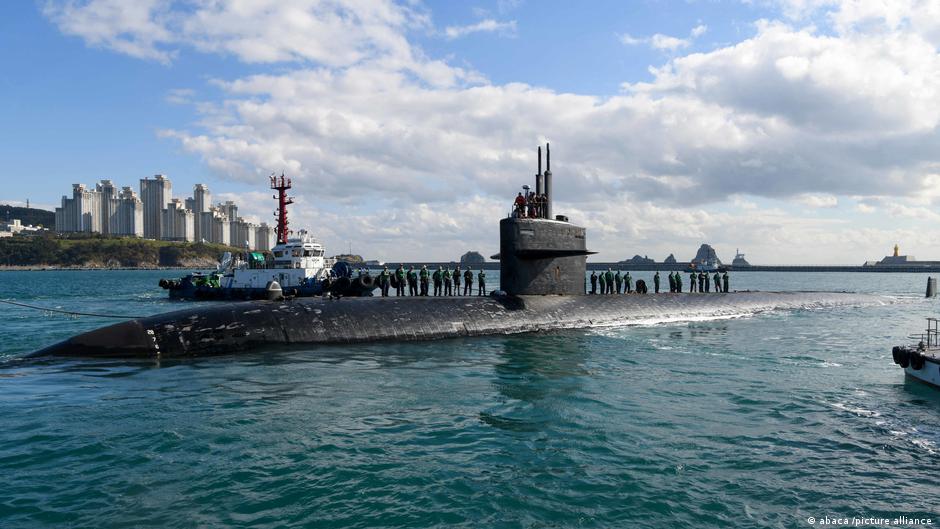
South Korea’s decision to move forward with a nuclear-powered submarine program marks a pivotal moment in the evolution of its national defense strategy. The initiative has attracted considerable debate, with critics pointing to its enormous cost, long development timeline and potential diplomatic complications. These concerns deserve careful consideration. Yet when weighed against the rapidly changing security environment in Northeast Asia, they do not outweigh the strategic imperative for South Korea to acquire nuclear submarines.
The reality is that South Korea faces a security landscape far more complex and dangerous than at any time since the Cold War. North Korea continues to expand its nuclear arsenal while advancing submarine-launched ballistic missile technology and pursuing its own nuclear-powered submarine program. Meanwhile, China has dramatically expanded its naval presence and military reach across the Indo-Pacific, while Russia remains an active strategic player in the region. South Korea cannot rely indefinitely on capabilities designed for a different era.