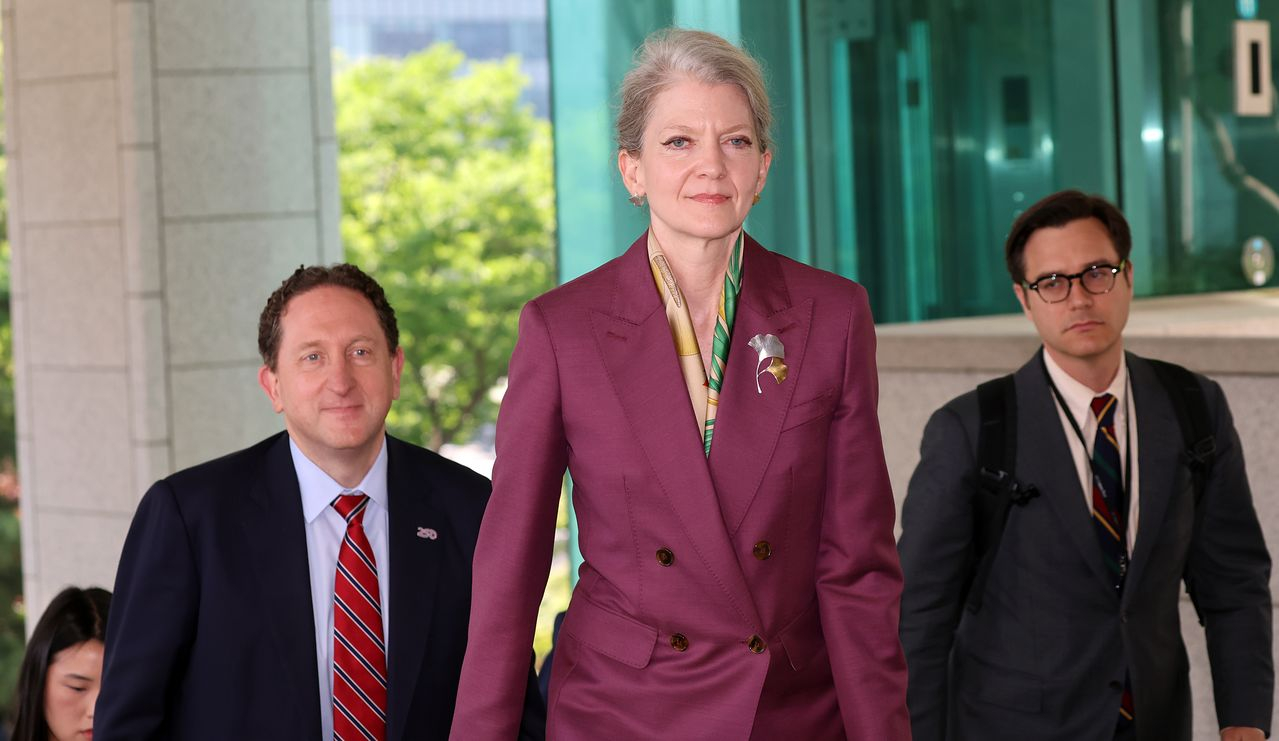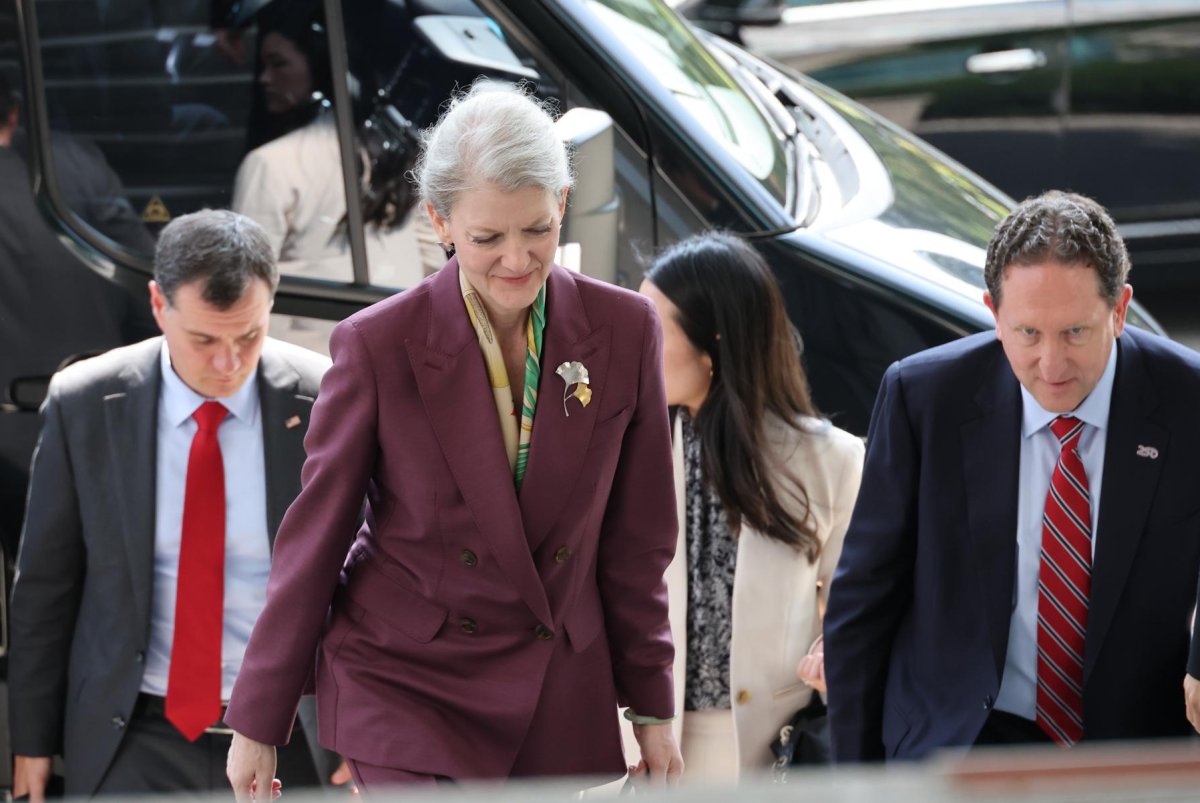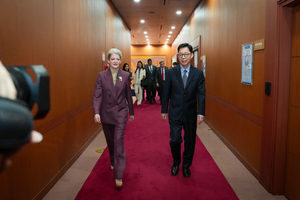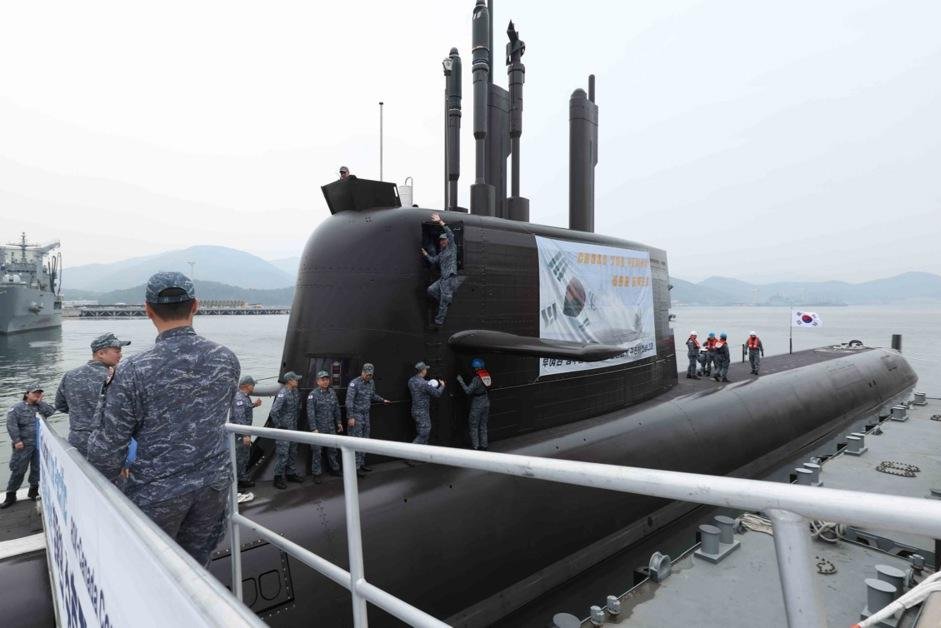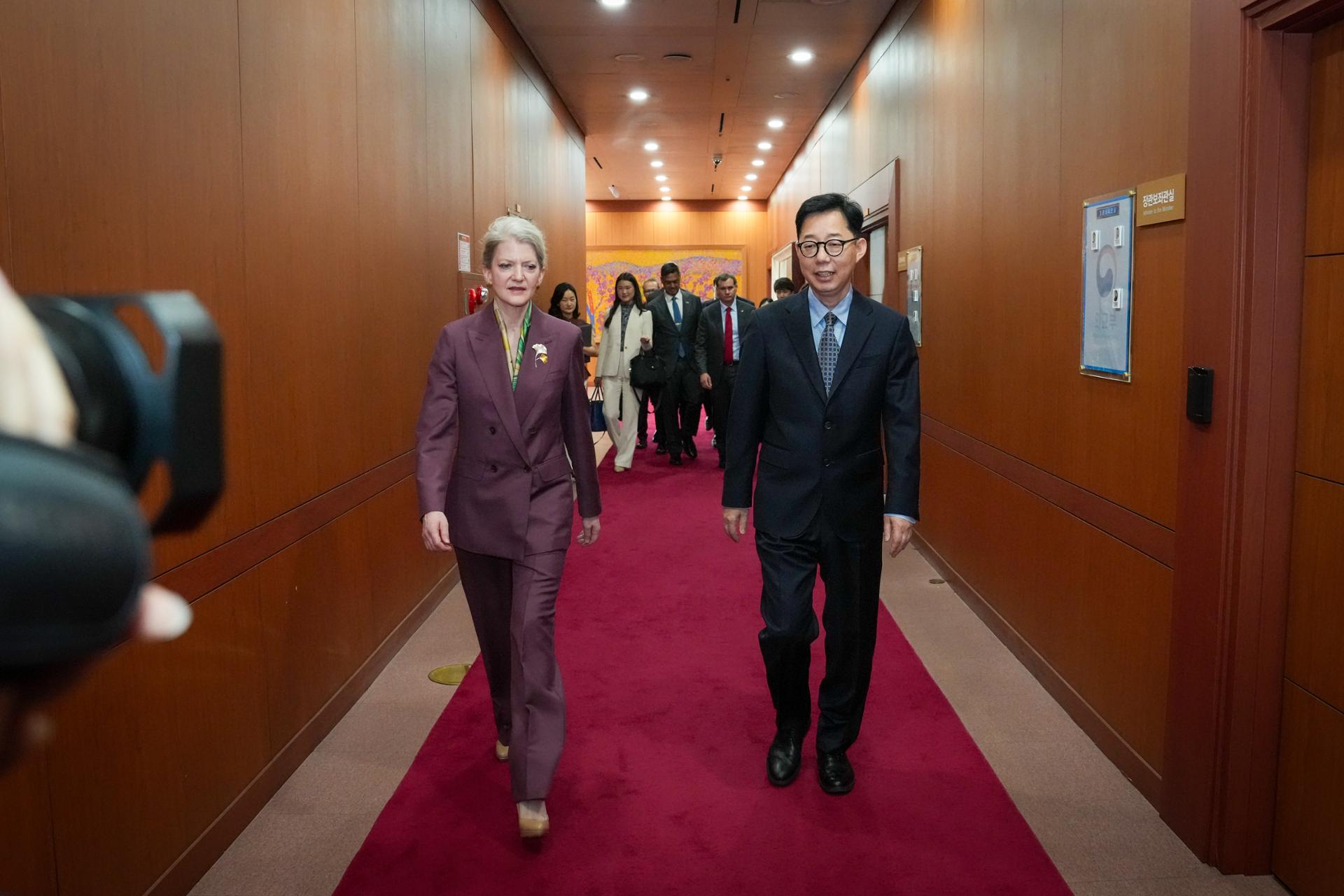
After months of diplomatic delay — and a week after Seoul released its Basic Plan for the Development of South Korean Nuclear-Propelled Submarines — U.S.-South Korea negotiations dedicated to this issue are starting to quicken. This week, Washington has a serious, whole-of-government delegation in Seoul, led by Allison Hooker, the fourth-ranking official in the U.S. State Department. Her team is tasked with moving forward on South Korea’s ambition to develop indigenously constructed nuclear-propelled attack submarines (SSNs). The visit signals that some recent alliance friction — including slow South Korean legislation on a U.S. investment package and lingering Seoul-Washington acrimony concerning e-retailer Coupang — has been dealt with enough to move forward on a sensitive topic. But hard questions about the SSN program have not gotten easier while the politics stalled.
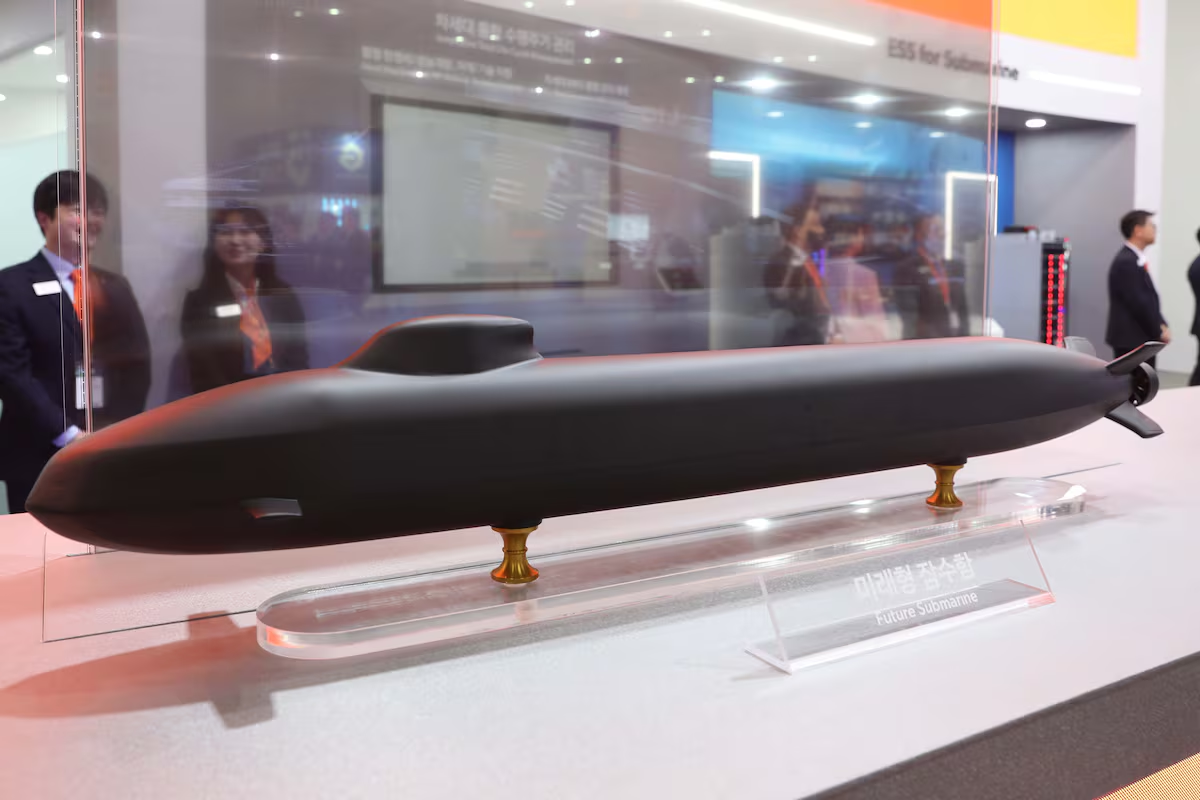
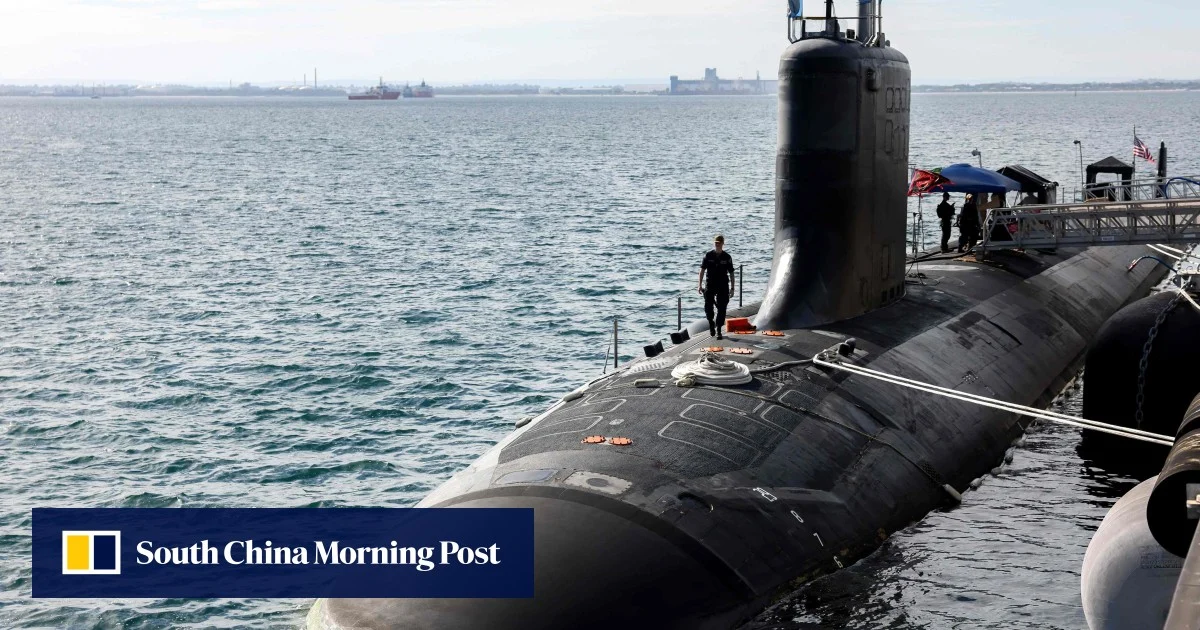
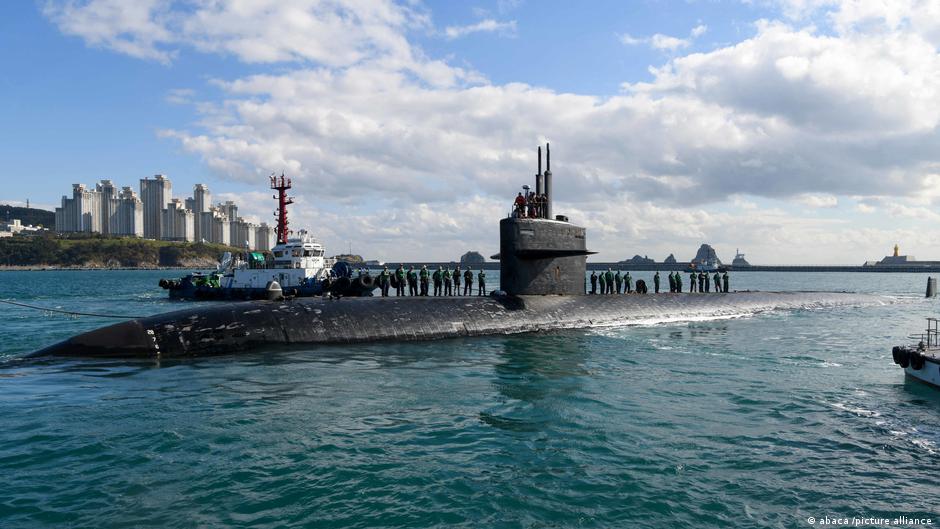
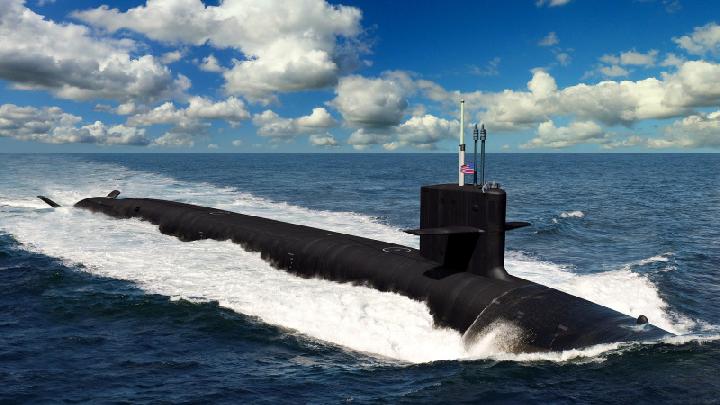
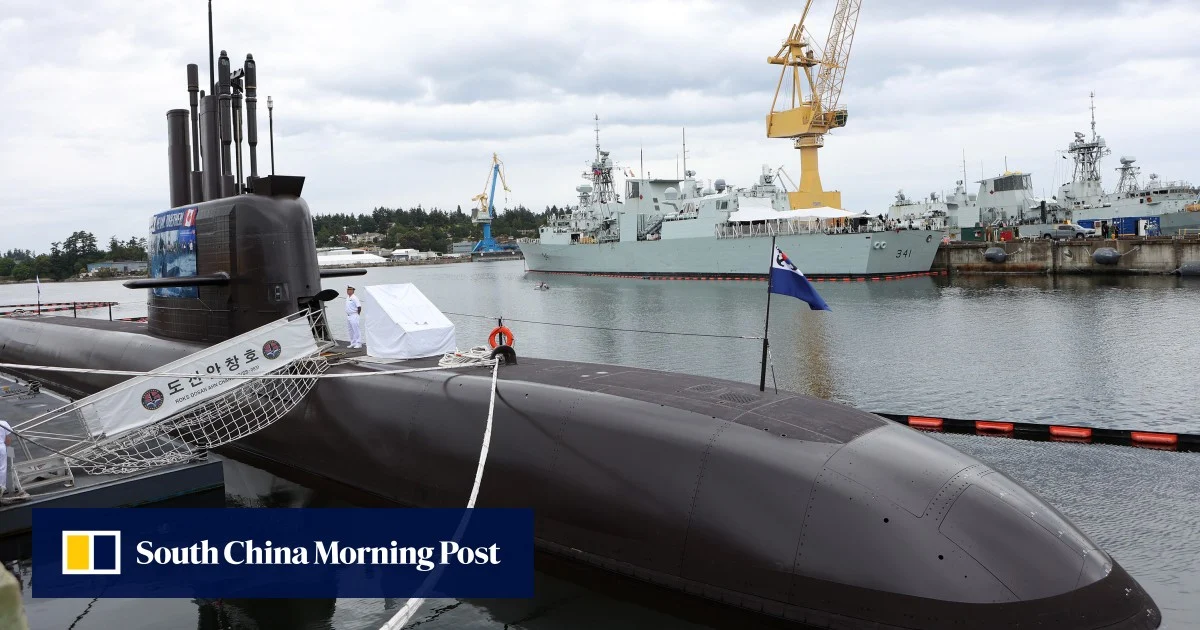
Let’s start with the obvious: The current South Korean plan for four 8,000-ton displacement nuclear-powered attack submarines, to be indigenously designed or constructed to use low-enriched uranium in small modular reactors, represents a meaningful, tangible military upgrade. Nuclear propulsion means near-unlimited submerged endurance, higher sustained speeds and radically expanded operational range compared to Seoul’s current conventionally powered boats. The proposed Jang Bogo-N class submarines would be real tools of security and defense. This is also a doable, albeit very expensive project, given South Korea’s expertise in shipbuilding. Furthermore, South Korea’s international military stature and arms export reputation would doubtlessly benefit, if the project is completed.