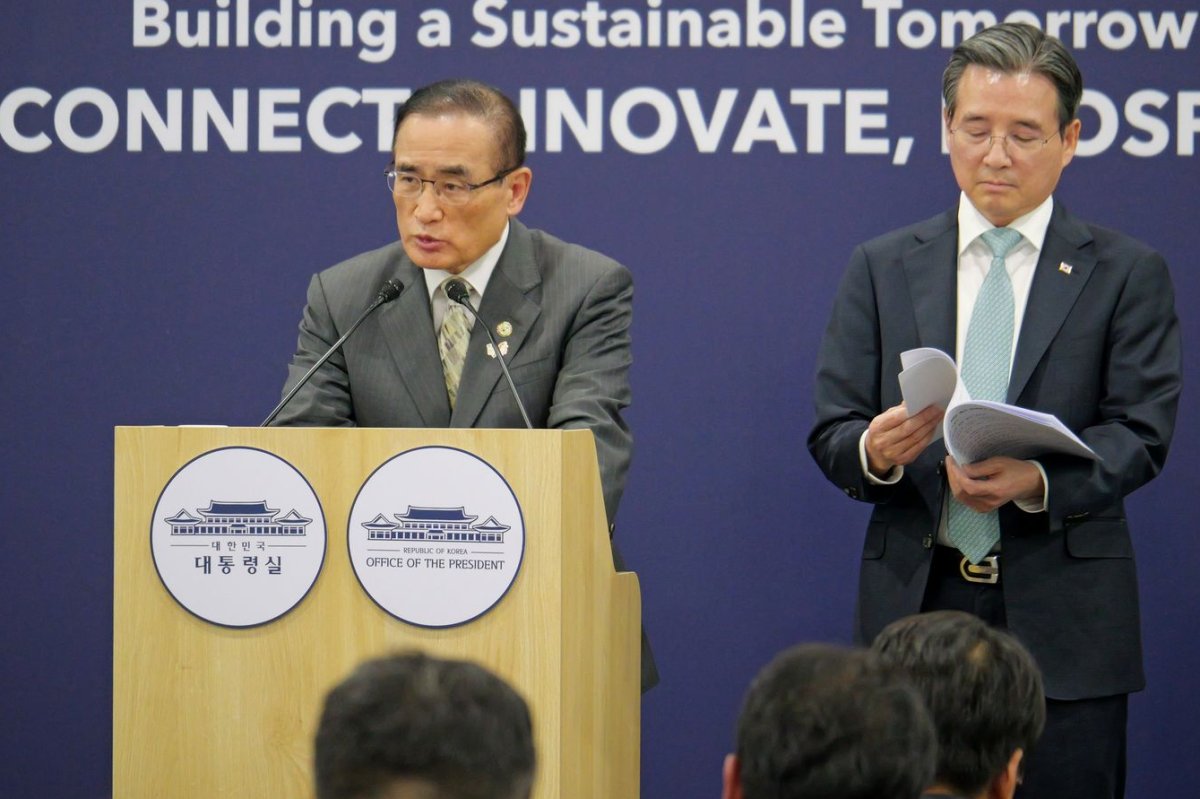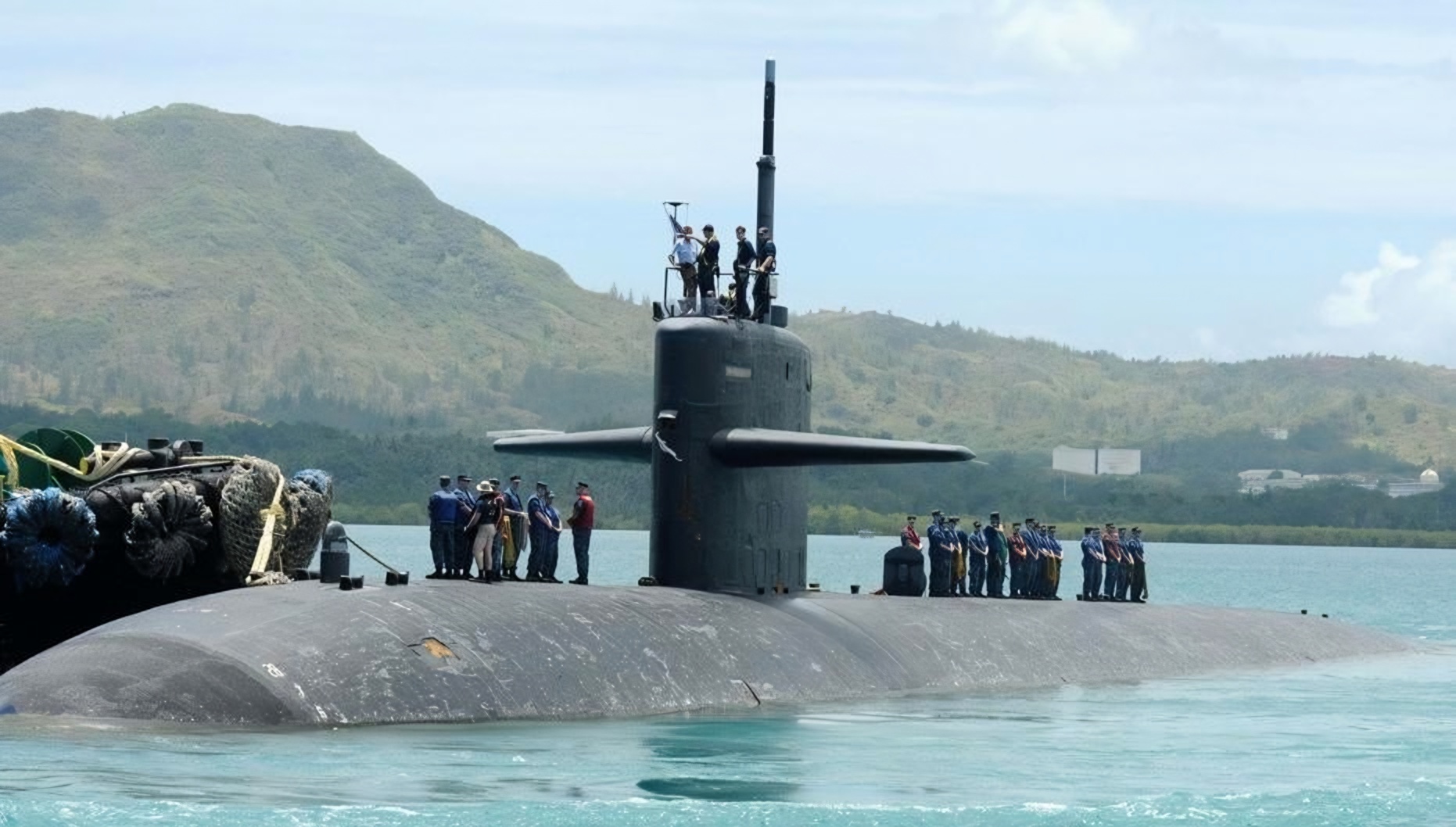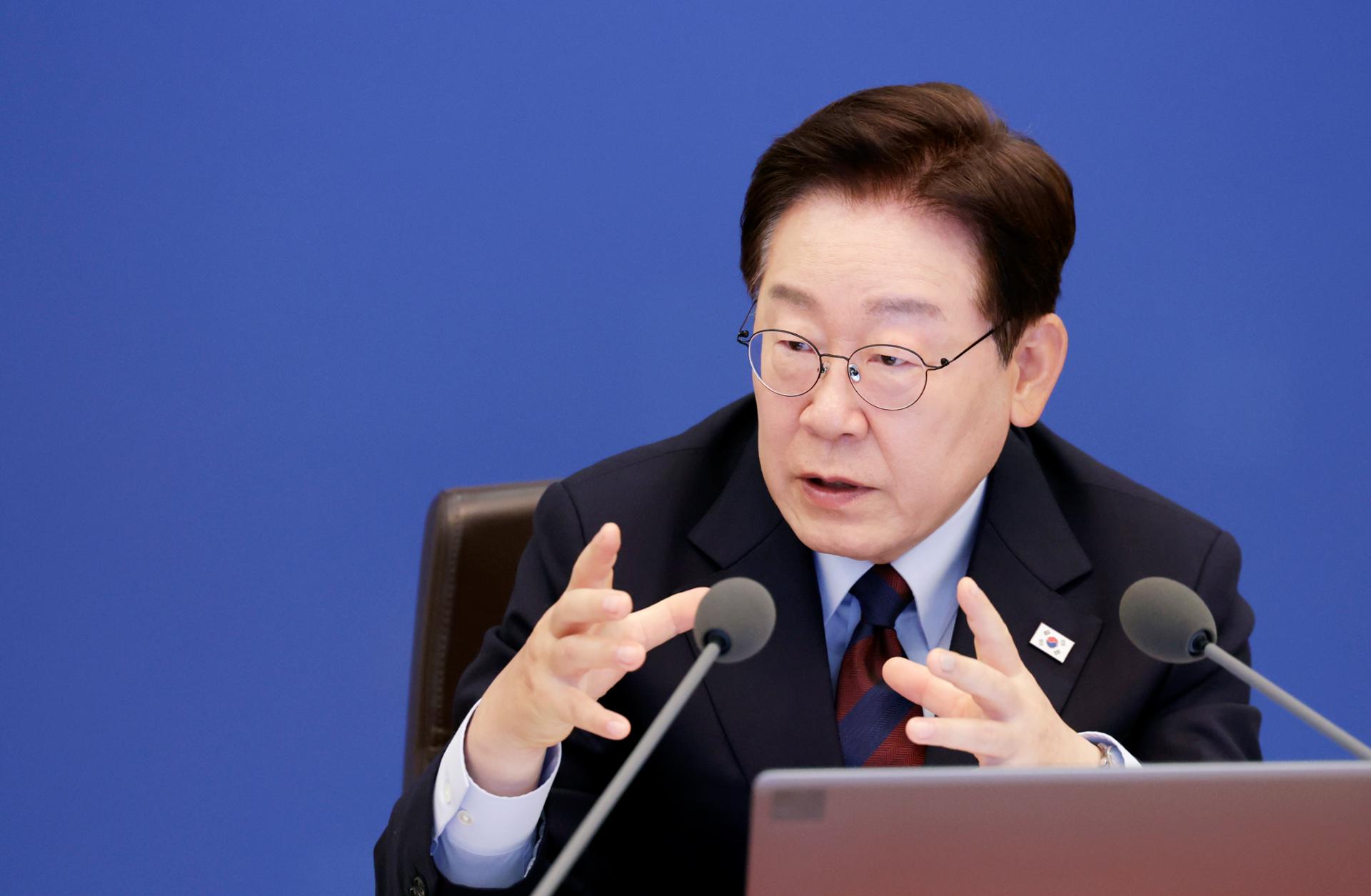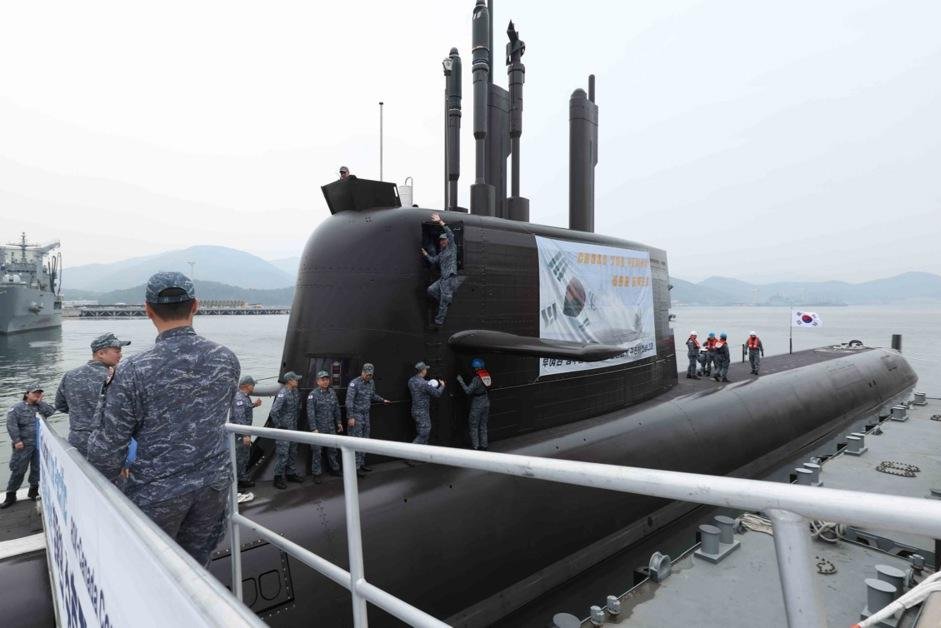
A plan to build Korean nuclear-powered submarines in the United States appears stalled. Photo by Yonhap/EPA
SEOUL, May 21 (UPI) -- More than six months have passed since South Korea and the United States agreed in principle to pursue a nuclear-powered submarine program, yet follow-up negotiations have never begun.
The concept was placed on the table; the starting gun was never fired. The suspicion that this initiative may be quietly dying grows harder to dismiss.
Recent developments have deepened those doubts. When President Donald Trump authorized South Korea's nuclear-powered submarine program Oct. 29, he announced on social media that the vessels would be built at Philly Shipyard -- the facility he singled out as "great."
Since then, Hanwha Philly Shipyard posted operating losses of 48.1 billion won, or about $33 million, in the first quarter, with deficits widening. One may legitimately ask whether a shipyard hemorrhaging money -- the very yard Trump personally tasked with this historic mission -- can sustain so vast and technically demanding an undertaking.