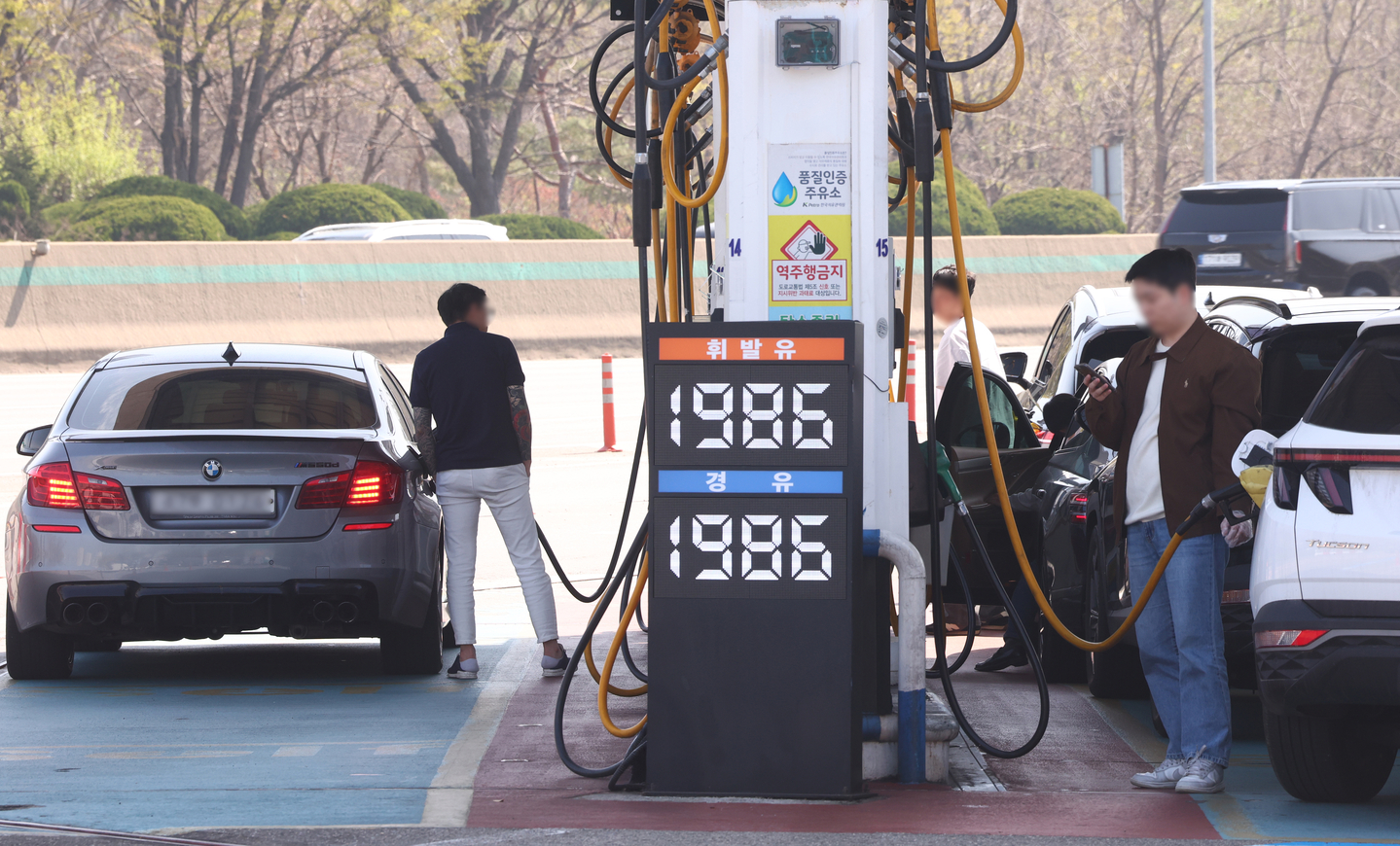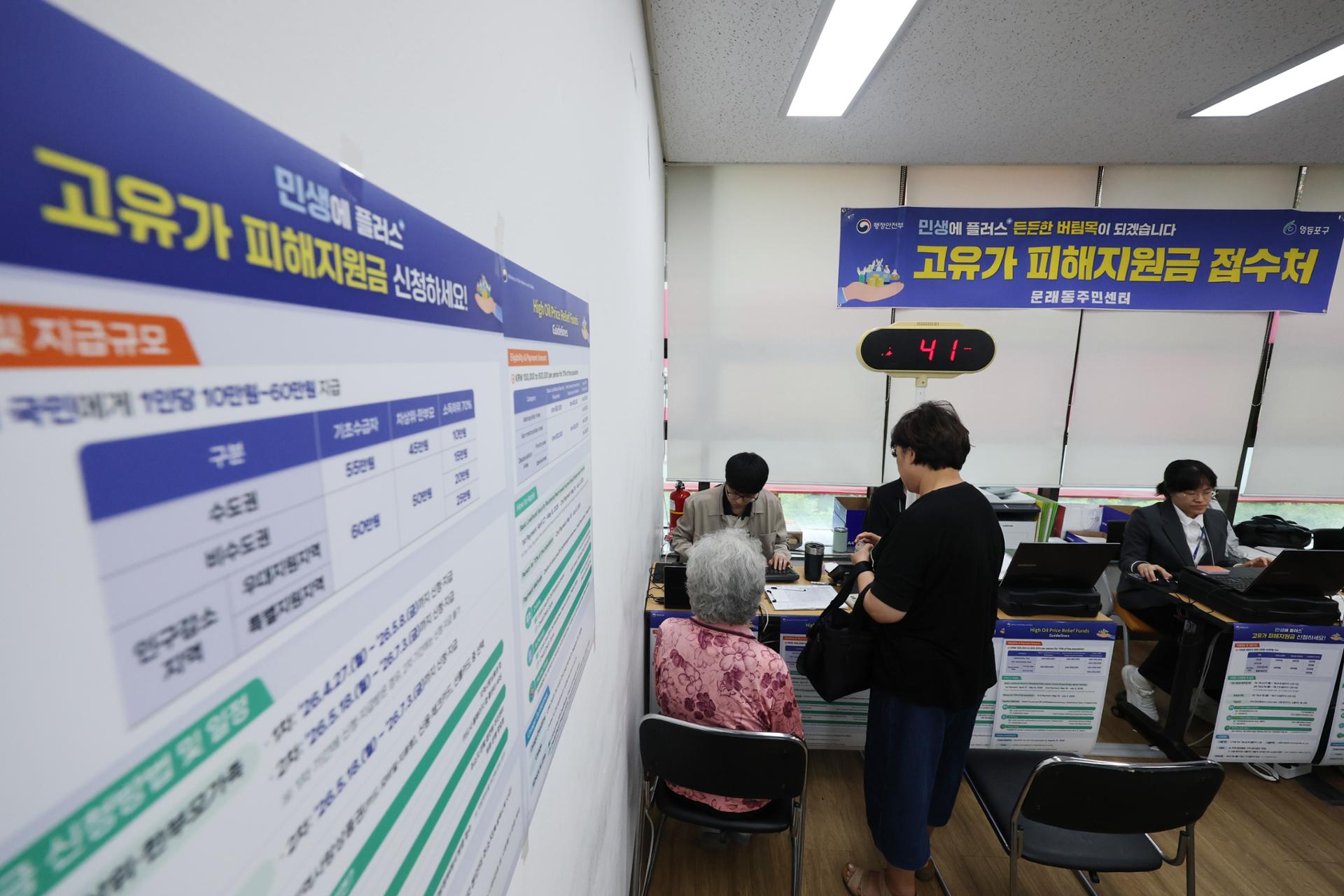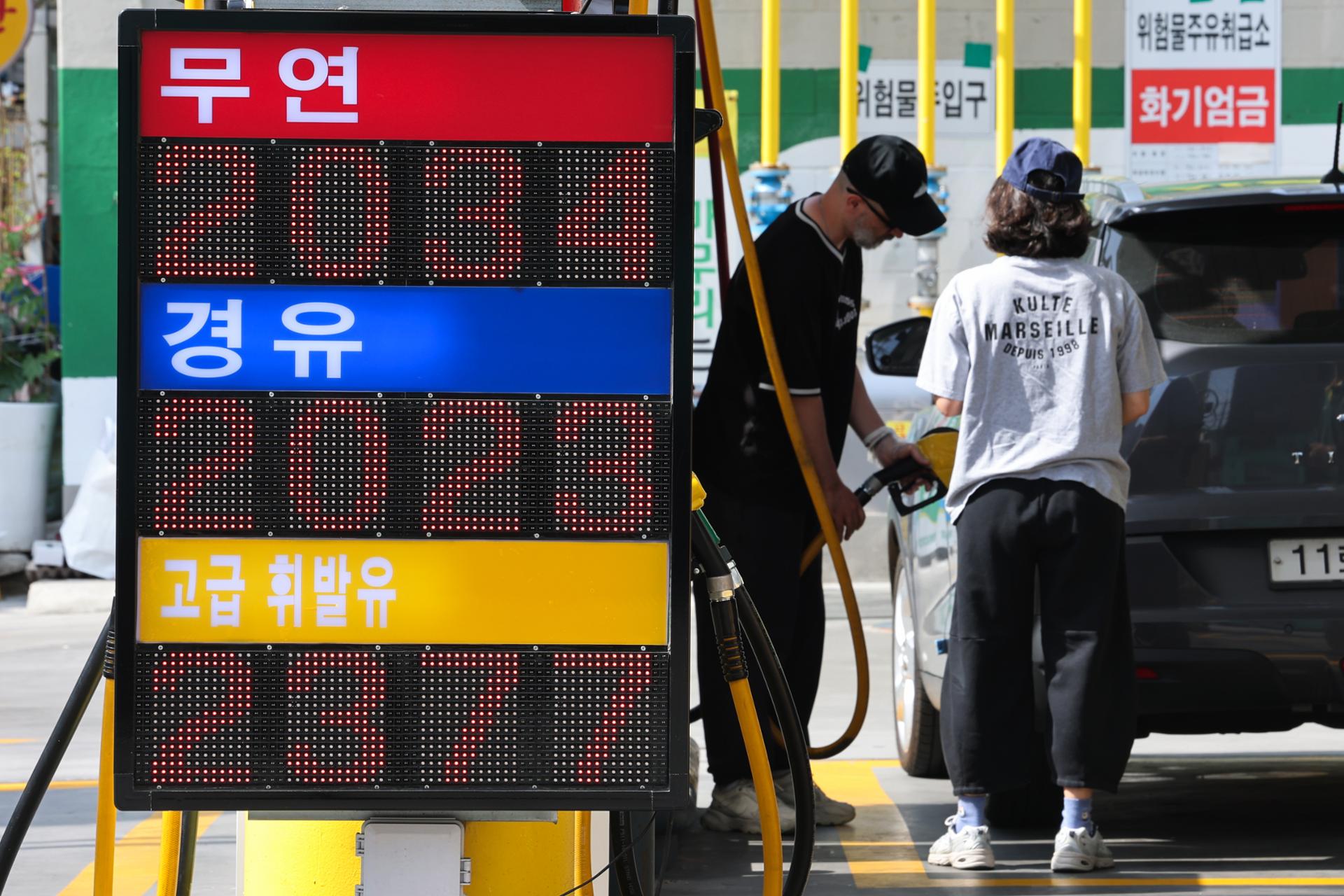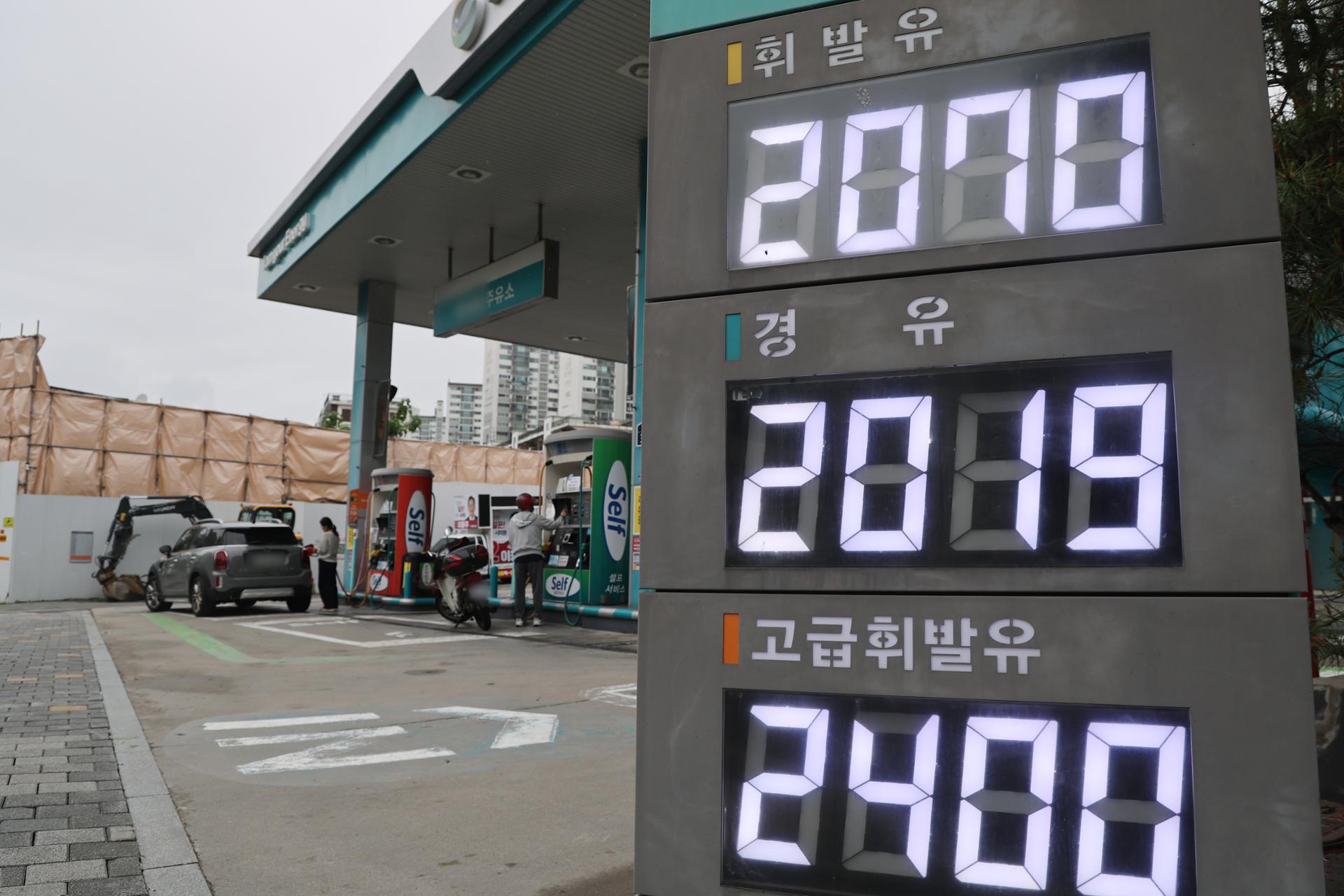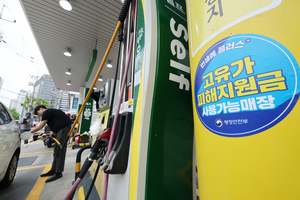
A gas station in Yeongdeungpo-gu, Seoul, displays a sticker on May 19 informing customers that they can use government aid provided to help offset high oil prices linked to the Middle East conflict. (Yonhap) The government has received 134,000 complaints from Koreans appealing their exclusion from a nationwide subsidy program rolled out last month to help households cope with higher fuel costs caused by the Middle East conflict.The Ministry of the Interior and Safety said it had processed 106,000 appeals filed between May 18 and 27, approving 90,300 requests for the subsidy as of Sunday.About 34.6 percent of the complaints were filed by people whose status as financially vulnerable had not yet been reflected in government records, causing them to be excluded from the aid.The Lee Jae Myung administration announced in March that it would provide subsidies of between 100,000 won ($66) and 600,000 won per person to the bottom 70 percent of income earners, or about 32.56 million people. Eligibility is determined based on national health insurance premiums.Separate criteria apply to people with substantial assets, such as households with assets worth 1.2 billion won or more, regardless of their income.The plan has drawn criticism from those who say the criteria do not accurately reflect the financial conditions of potential recipients.Critics say the program does not fully account for household assets below the 1.2-billion-won threshold, meaning many recipients are assessed largely on income rather than accumulated wealth.Government data released in December showed that the average Korean household had assets worth 566.8 million won, while only 11.8 percent had a net worth of 1 billion won or more.
Over 130,000 Koreans appeal exclusion from fuel price aid
The government has received 134,000 complaints from Koreans appealing their exclusion from a nationwide subsidy program rolled out last month to help households
TL;DRAI
South Korea received 134,000 appeals against exclusion from a fuel subsidy (₩100K–600K) targeting 32.56M low-income earners. 34.6% were blocked by outdated records — a data governance failure in public systems relying on lagging administrative data.
268 words~1 min read