For roughly a year, Chinese companies had a neat workaround for US chip export controls: just buy the chips through a subsidiary in Malaysia or Singapore. The US Commerce Department just killed that trade.
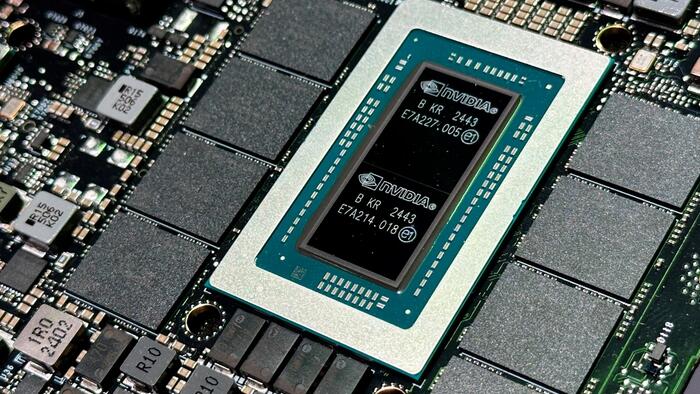
The Bureau of Industry and Security issued guidance on May 31 mandating that advanced AI processors, including Nvidia’s Blackwell and Rubin chips and AMD’s MI350x, now require export licenses when sold to Chinese-headquartered entities. The key change: it doesn’t matter where the delivery happens. A Chinese company’s subsidiary in Southeast Asia is still a Chinese company in the eyes of BIS.
How the loophole worked
The gap in enforcement traces back to May 2025, when the original export control framework left room for interpretation. Chinese firms quickly figured out that routing purchases through foreign subsidiaries, entities technically located outside mainland China, allowed them to acquire restricted chips without triggering license requirements.
The scale of the workaround was not trivial. Estimates suggest hundreds of thousands of advanced chips made their way to Chinese entities through these channels.