New Commerce Department guidance ties export-licence rules to where a company is headquartered, not where it sits, snaring the overseas units of Chinese AI firms.
For about a year, there was a way around America’s toughest chip controls, and it was a matter of geography. A Chinese AI company barred from buying Nvidia’s best processors at home could, in principle, have a subsidiary in a country like Malaysia buy them instead. On Sunday the US Commerce Department moved to shut that door.
The department issued guidance, posted to its website, extending export-licence requirements to advanced chips sold to any entity headquartered in China, regardless of where that entity is physically located.
The shift is subtle but consequential: the control now follows the parent company’s nationality rather than the address on the loading dock, which is precisely the seam that overseas subsidiaries had been operating in.
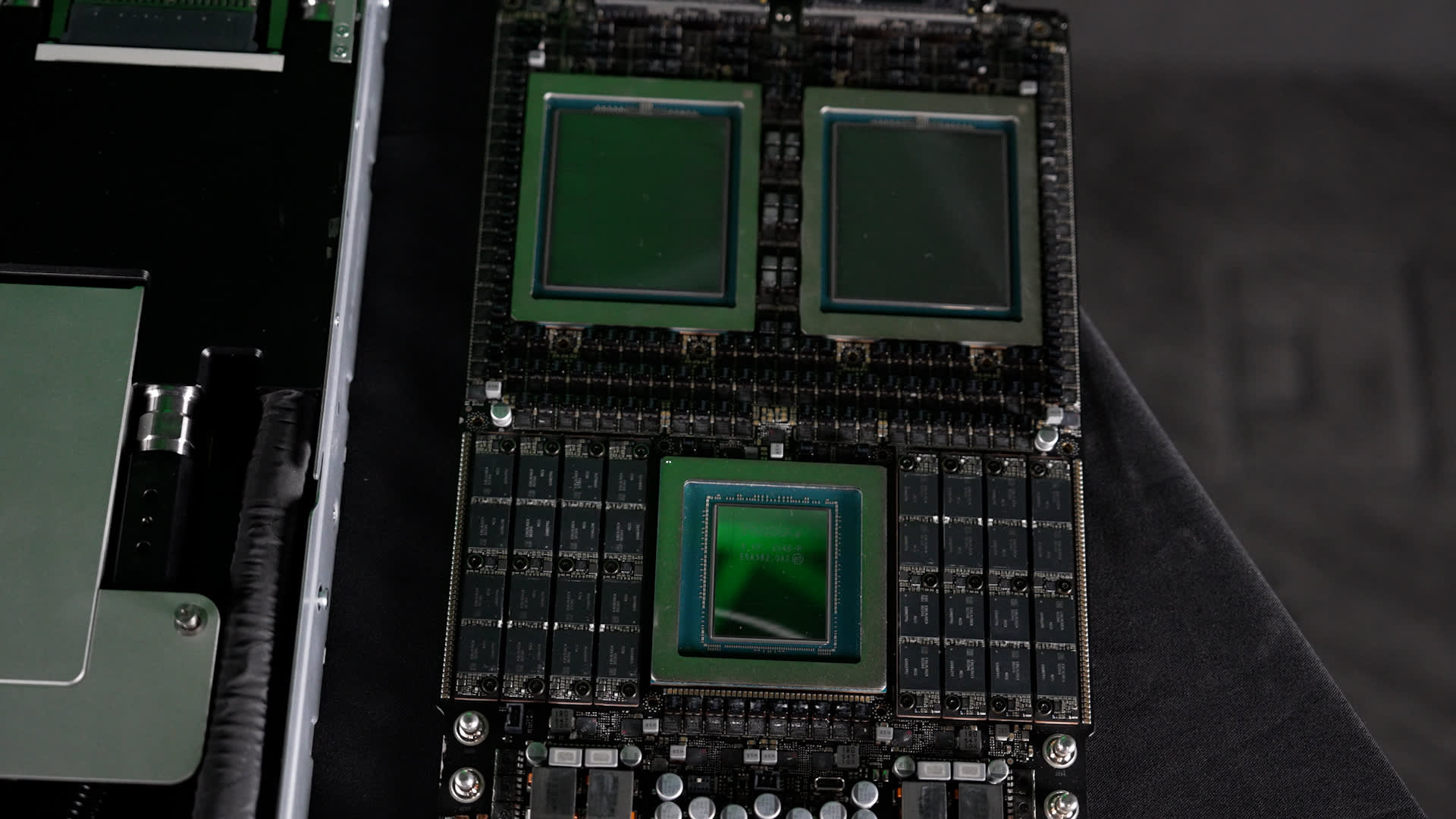
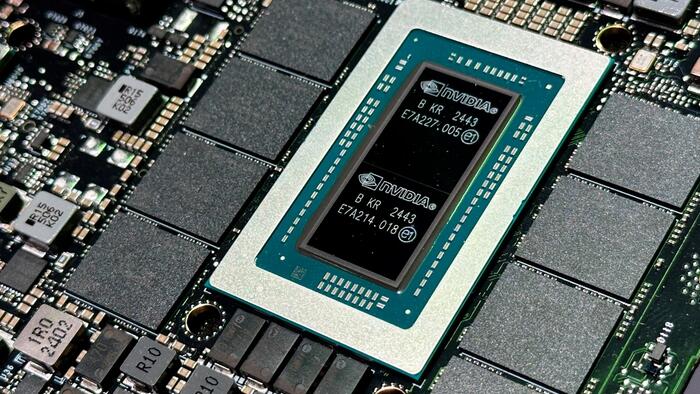
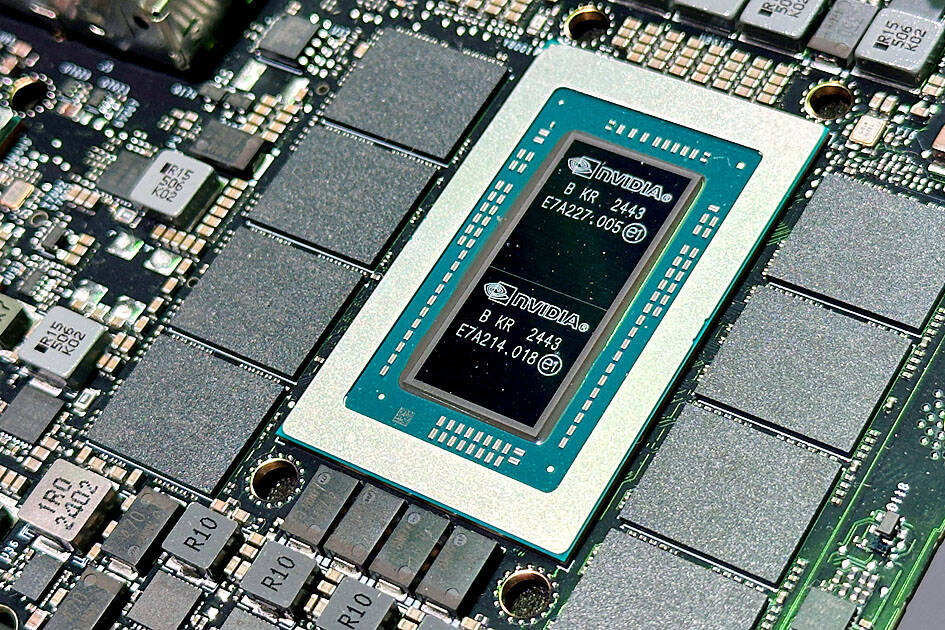
The chips at stake are the most capable on the market, including Nvidia’s Rubin and Blackwell processors and AMD’s MI350x. The scale of what may have slipped through is striking.