Academia
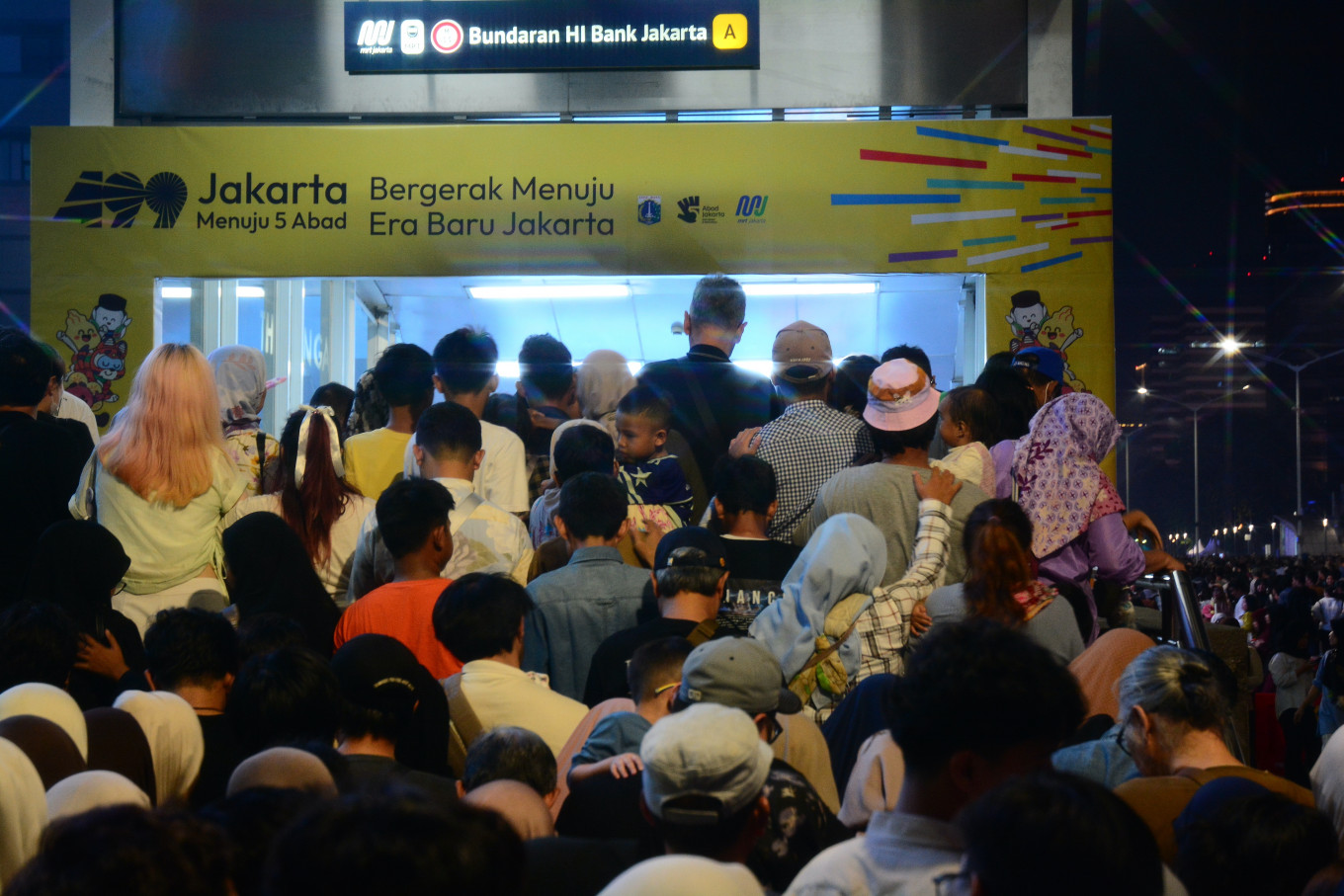
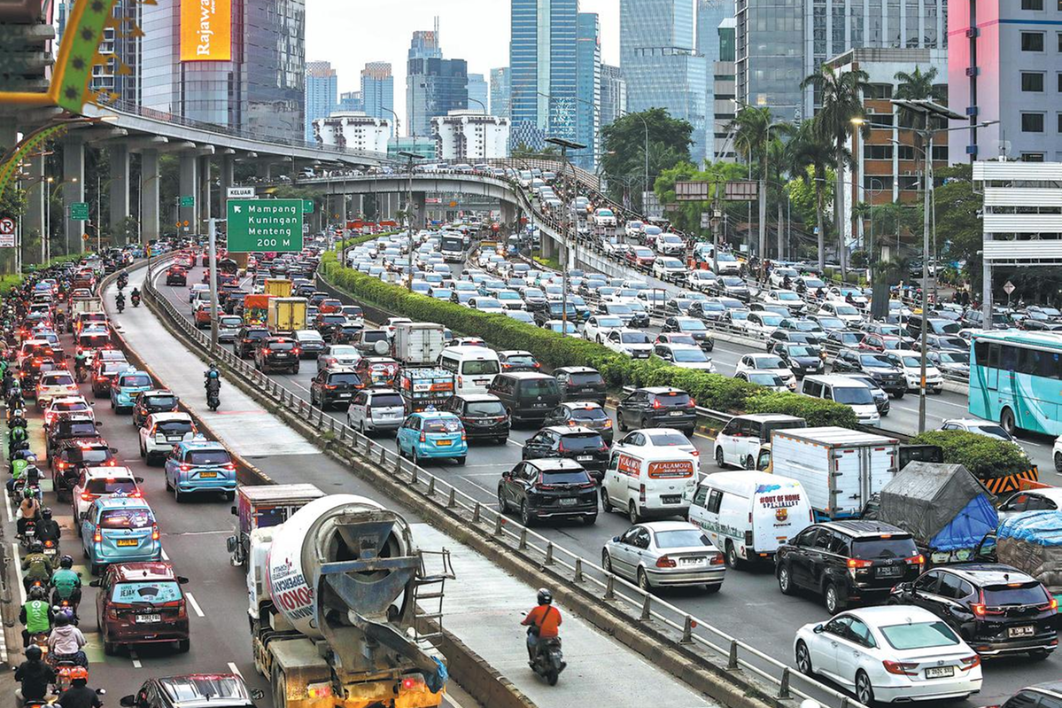
As the administrative boundaries of Indonesia's urban areas blur, millions of people are having to pay a silent "metropolitan tax" that is measured not in currency but in hours of their lives surrendered to daily commutes.
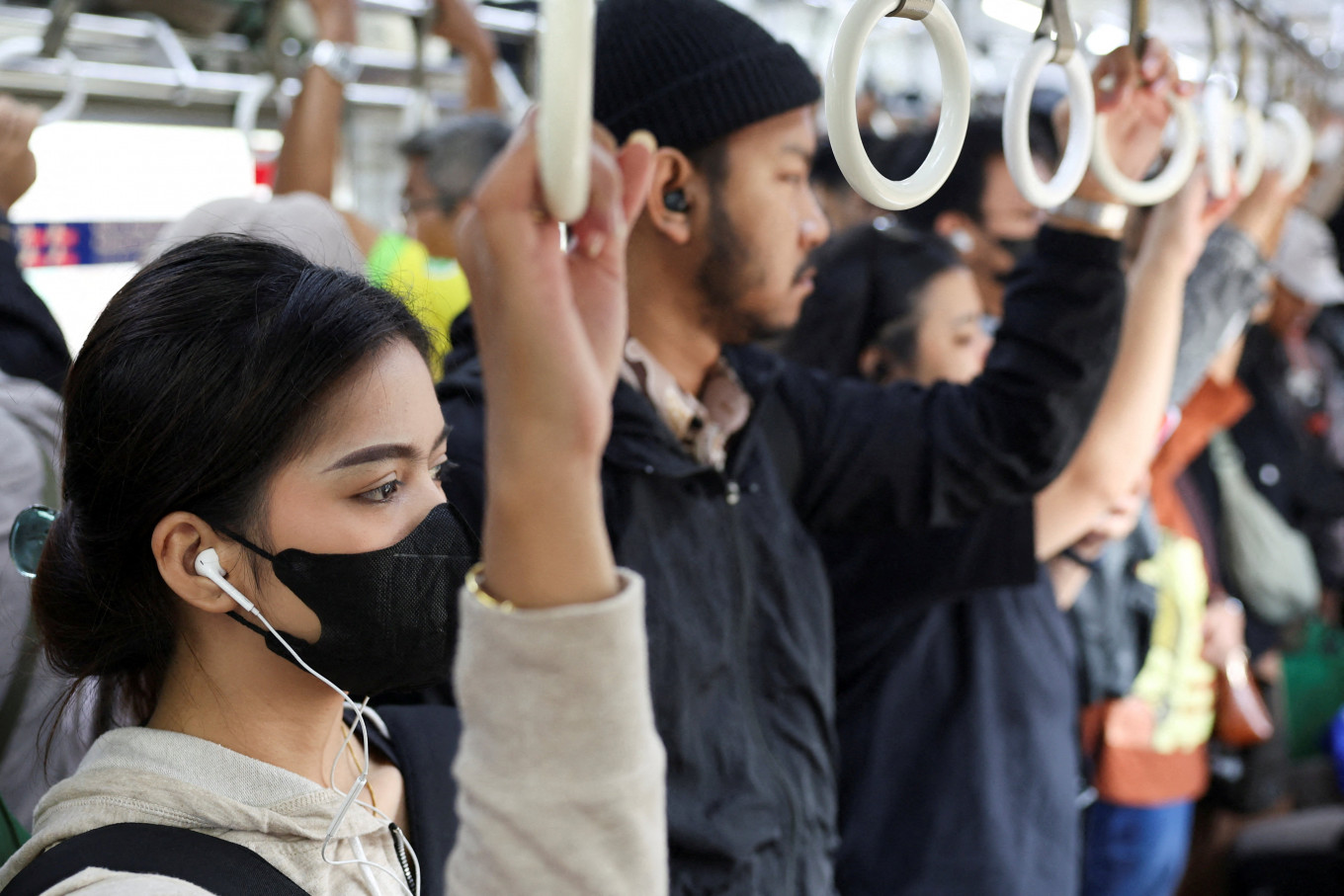
Passengers hold onto overhead handles on April 30, 2026, as they ride a Commuter Line train from Bekasi Timur Station in Bekasi, West Java. (Reuters/Ajeng Dinar Ulfiana)
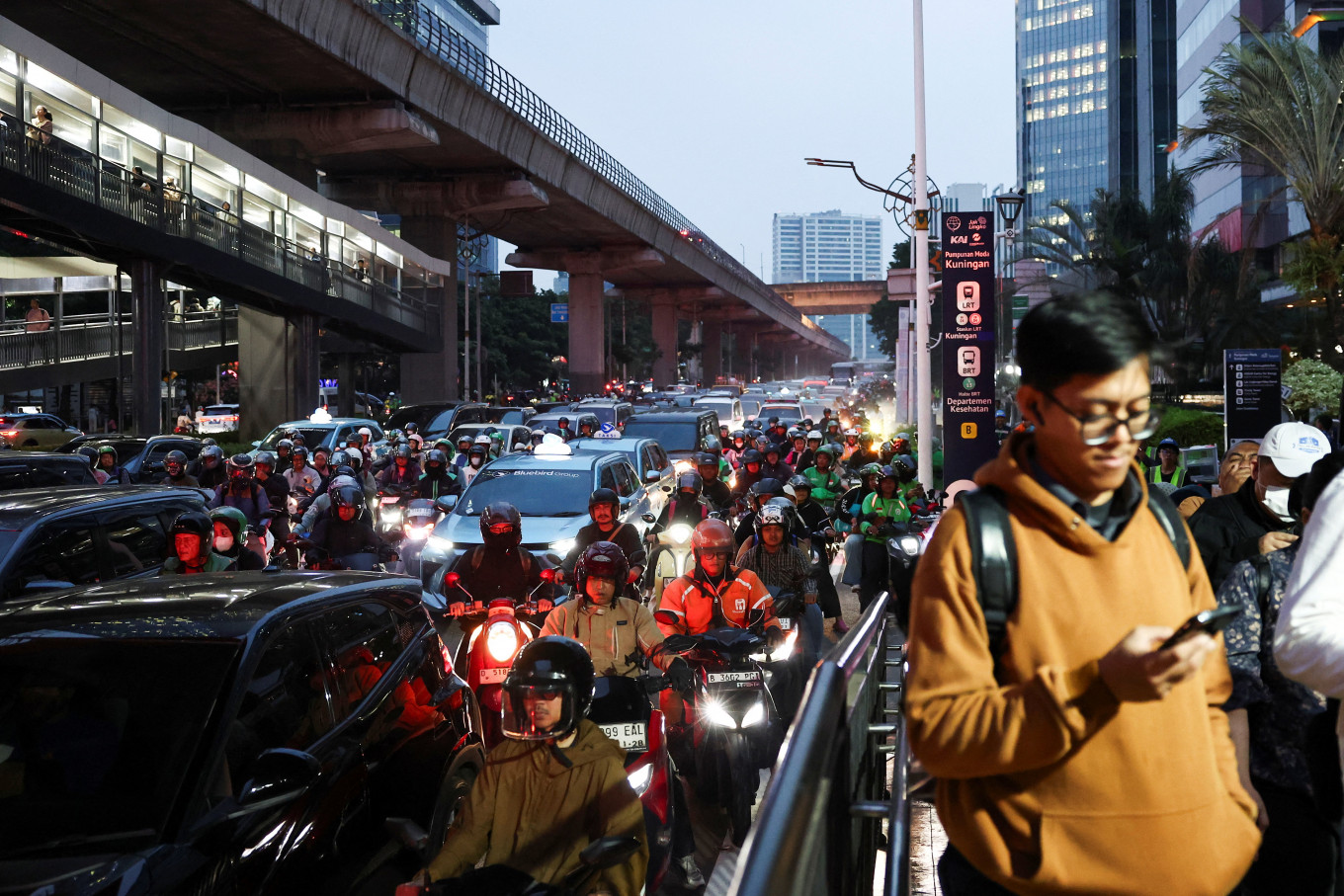
Every morning, before offices open their doors and city halls begin logging official data, another urban landscape appears. It stretches across toll roads, railways, motorcycle lanes, bridges, informal shortcuts and narrow alleys.This transient cityscape is built entirely by people who sleep in one jurisdiction, work in another, stop somewhere else to shop or study and spend a large part of their waking lives in the spaces between. This is the real metropolitan Indonesia, but not necessarily the Indonesia our policies are designed to see.
For decades, cities have been governed largely through administrative maps: where people are registered, where they sleep, which district collects their taxes, which mayor or regent is responsible. But metropolitan life no longer follows these lines.