HOW MUCH? As prices climb, shoppers tighten purse strings
| Photo Credit:
Dimple Bhati
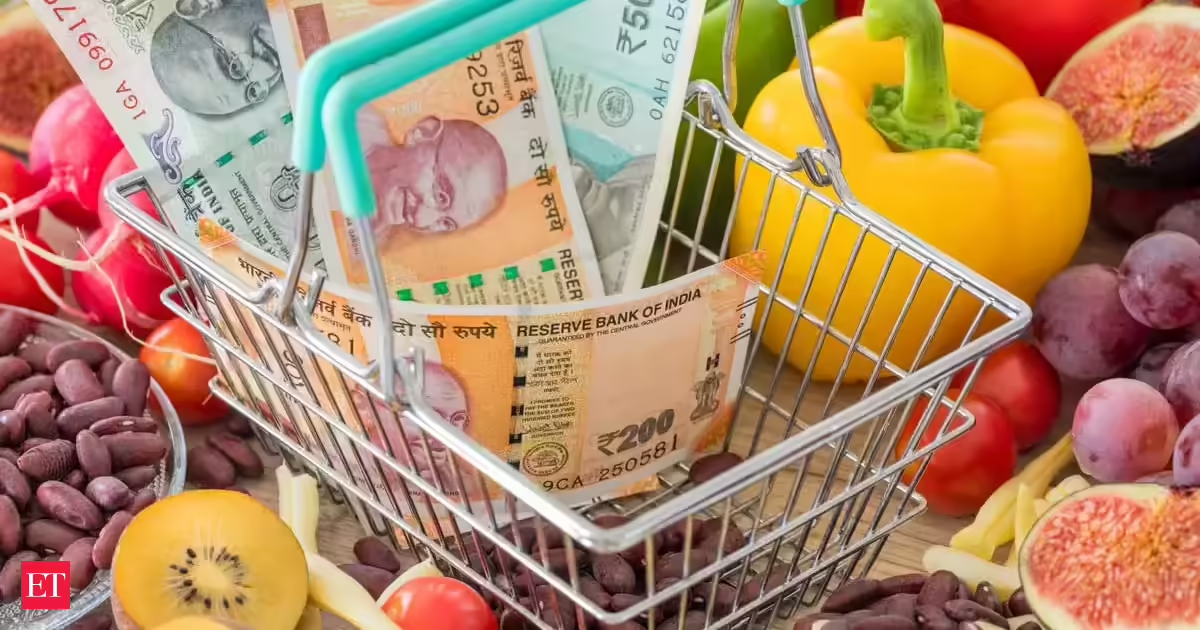
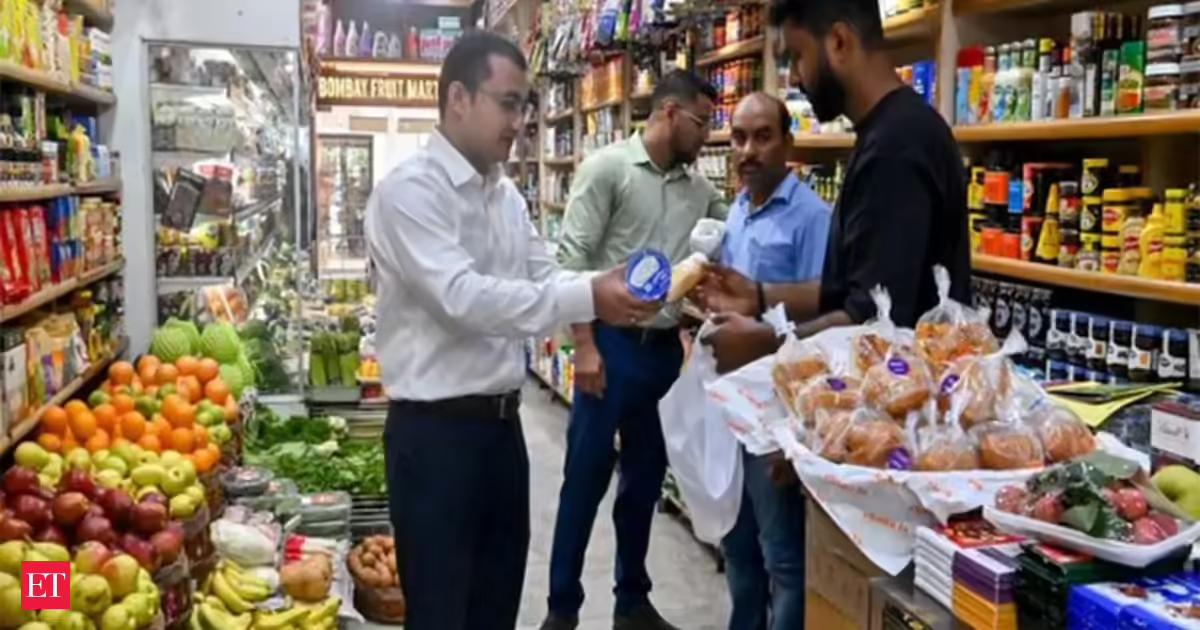
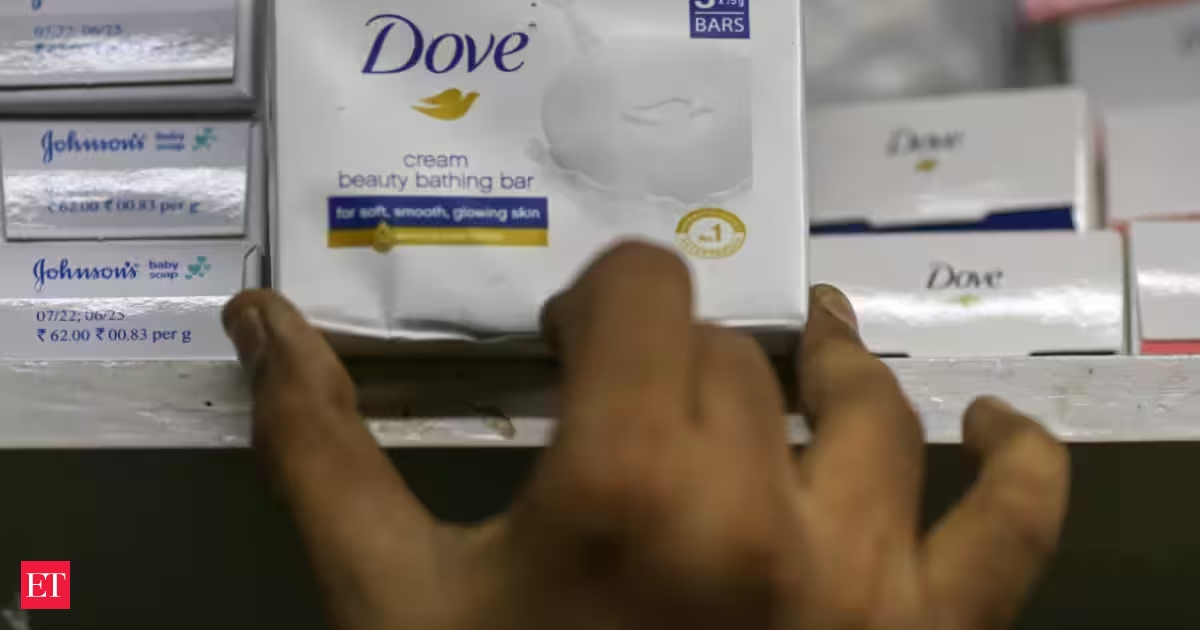
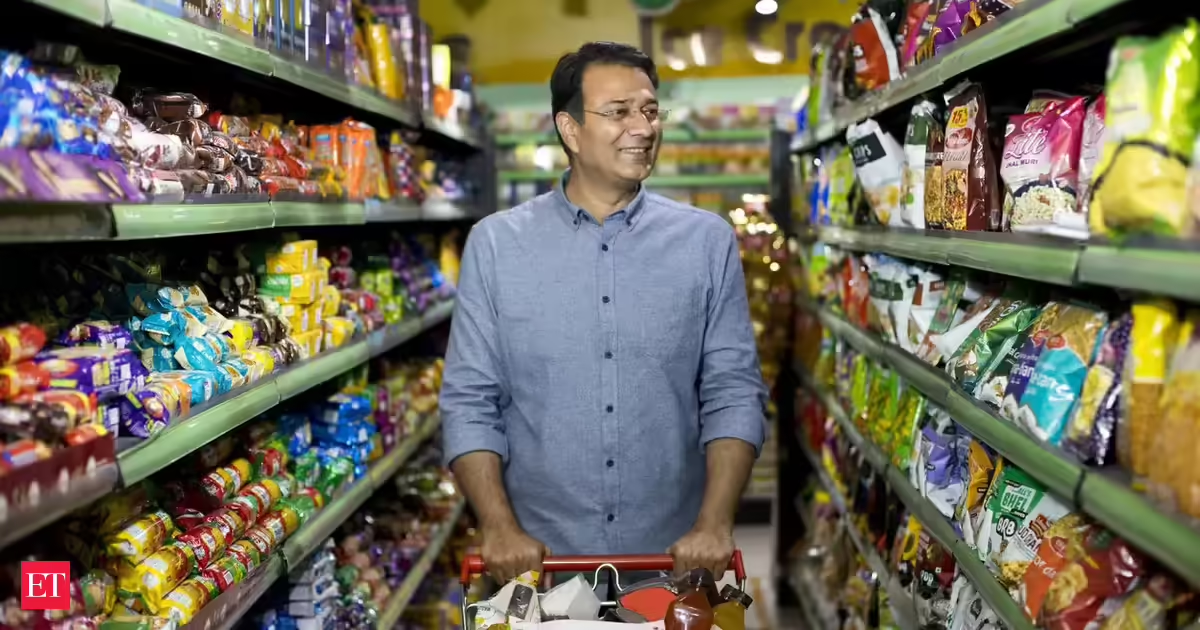
In India, and many other parts of the world, we are faced with an inflationary environment, driven by significant increases in oil prices, supply chain bottlenecks and a volatile geopolitical situation. As inflation bites deep into wallets, we will witness changes in consumer behaviour.Some of these changes are what we expect based on conventional economic theory.For instance, middle-class consumers will tighten their belts and focus spending on essential items, such as food, apparel and education. They will spend far less on discretionary items, such as expensive vacations or purchasing fancy new furniture. Consumers are also likely to trade down to less expensive brands in many categories, and will hunt more actively for special offers. At the top end of the market, affluent customers may continue to spend without too much anxiety.However, inflation also has counter-intuitive effects on consumer spending. Here are some such impacts, which marketers would do well to bear in mind.Accelerated spendingIf consumers anticipate that prices of essential products will continue to increase in the future, they are likely to stock up to beat future price increases. For essential products such as rice or cooking oil, consumers may double or even triple the inventory at home.Big-pack spendingConventional wisdom says consumers will buy less during inflation, and downgrade to smaller packs, particularly in FMCG categories. However, if they see that large packs offer better value, then many may go for them. Similarly, bundled offers are perceived as excellent value when overall budgets are under pressure.In-home spendingMany consumers will address rising costs by cutting discretionary spends, such as eating out in fine-dine restaurants. However, they will still wish to eat well, and may step up the quality of groceries and foods they buy for their home. The thinking would be, “We cannot afford to eat at a fancy restaurant for some time, so why not prepare and eat better dishes at home, even if the ingredients are more expensive?”Lipstick effectAs consumers reduce large discretionary spends (such as vacations), they will actively seek smaller purchases that can make them feel as good (such as a lipstick or a lovely new dress). The fundamental human need to feel happy will continue to drive many purchases.Festival effectTightening belts for most part of the year will also lead to a desire to break out and splurge, at least for small periods of time. Such pent-up demand will usually express itself most sharply during festivals such as Puja and Diwali.‘Made in India’ effectThere appears to be a perception that the current inflation is driven by the increased cost of imported products such as oil, and exacerbated by the depreciating rupee. This may see consumers gravitating towards “Made in India” products, driven by three factors — economy in immediate purchase, a desire to curb further import-driven inflation, and an overall feeling of patriotism.Health effectAs consumers see that inflation also impacts the cost of healthcare, anxieties over keeping good health may rise further, especially among middle-class and upper middle-class consumers.It could lead to prioritising the purchase of products that contribute to good health — for example, local fruits and protein-rich lentils.Overall, an inflationary environment provides marketers unique opportunities to cater to specific consumer needs.This is also a time of vulnerability for consumers, and brands can win their trust by behaving responsibly.(Harish Bhat is an avid marketer and bestselling author)Published on June 1, 2026