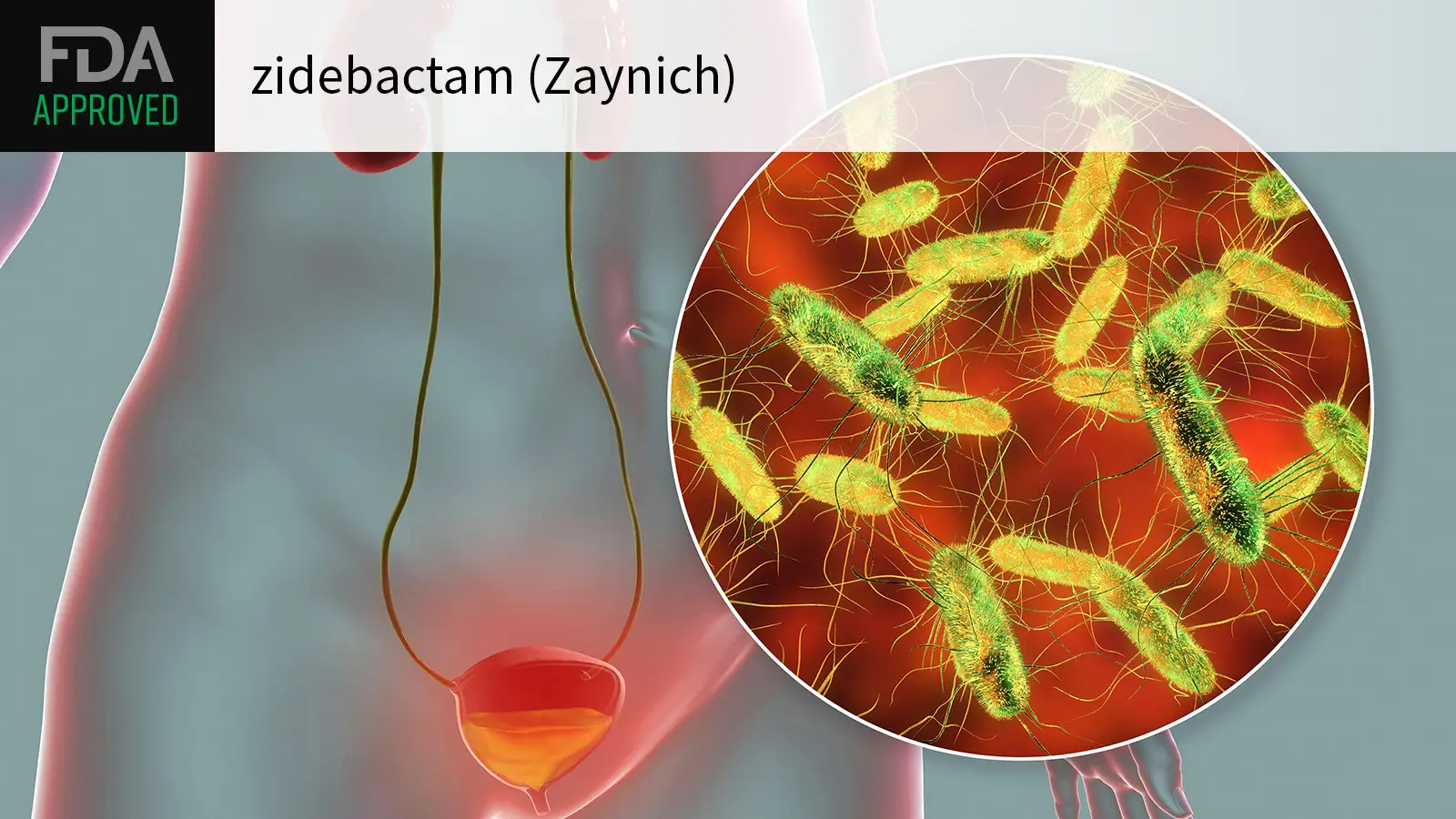
Wockhardt’s Zaynich, which has got the US FDA approval for treating complicated urinary tract infections (cUTI), has the potential to redefine the fight against drug-resistant pathogens and infectious diseases, says Mahesh Patel, the brain behind the drug.Zaynich (cefepime + zidebactam) has a “beta-lactam enhancer mechanism” that can simultaneously block two sequential steps in a bacterial pathway and works on superbugs that show resistance against existing antibiotic treatments, Patel, chief mentor, drug discovery at Wockhardt, told ET. “The synergy generated is so powerful that it overcomes virtually all known resistance mechanisms.”The drug has an estimated market opportunity of about $9 billion. In the US alone, cUTI is responsible for over 600,000 hospitalisations annually. Besides, more than 2.8 million antimicrobial resistant (AMR) infections occur each year in the US, resulting in more than 35,000 deaths.Wockhardt expects US market exclusivity for Zaynich to extend to approximately 2038, Patel told ET’s Vikas Dandekar & Rica Bhattacharyya in an interview. Edited excerpts:How significant is the US FDA approval for Zaynich?It is a big achievement for Wockhardt. The true value is that this drug brings a completely new science in the management of infectious diseases. Its mechanism of action is what we call the beta-lactam enhancer mechanism.People are familiar with beta-lactamase inhibitors, a concept that has existed for over 45 years and given rise to drugs such as Augmentin. What we have done is fundamentally different. The inspiration came from an old drug, Bactrim (sulfamethoxazole + trimethoprim), approved in 1969. The power of that combination came from inhibiting two different biochemical steps in folic acid synthesis, creating a potent synergy, and thereby overcoming existing resistance.We asked whether the same principle could be applied to bacterial cell wall synthesis, which is also a multi-step biochemical process. That idea stayed with me and eventually became the foundation of zidebactam.How does zidebactam work?Zidebactam is a unique molecule. Like penicillin, cephalosporins and carbapenems, it is a cell-wall synthesis inhibitor. However, chemically it is not a beta-lactam. It belongs to a class called diazabicyclooctane (DBO). Zidebactam binds very effectively to penicillin-binding protein 2 (PBPs are bacterial enzymes essential for building the cell wall), a critical protein responsible for maintaining the rod-shaped structure of Gram-negative bacteria (pathogens that are difficult to kill).‘Challenging to Make Zidebactam’Nature has conserved this protein across major gram-negative pathogens such as E coli, Klebsiella, Pseudomonas and Acinetobacter. Zidebactam binds to PBP2 across these pathogens.We then combined zidebactam with cefepime, which binds to PBP3. By simultaneously blocking PBP2 and PBP3, we inhibit two sequential steps in bacterial cell-wall synthesis. The synergy generated is so powerful that it overcomes virtually all known resistance mechanisms.Unlike betalactamase inhibitors, we are not trying to inhibit individual resistance enzymes. There are more than 8,000 beta-lactamases known today. A single inhibitor cannot realistically cover all of them. Our approach bypasses that limitation.You describe zidebactam as a beta-lactam enhancer rather than a beta-lactamase inhibitor. What is the distinction?This is an important distinction. The concept comes from biochemical pathway inhibition. When you inhibit two sequential steps in a pathway, you create synergy. That is what happened with Bactrim decades ago and that is what happens in this drug as well.The world was largely focused on beta-lactamase inhibitors. We took a different route. We realised very early that inhibitor-based approaches would only provide incremental improvements because bacteria possess thousands of different beta-lactamases.Instead, we focused on complementary PBP binding. By inhibiting PBP2 and PBP3 together, bacterial cells undergo rapid death irrespective of which beta-lactamase enzymes they produce.(Note: Betalactams such as penicillin and cephalosporins are drugs used to kill bacteria while betalactamase are enzymes produced by the bacteria to destroy those drugs.)Looking back, what were the biggest milestones in the journey to the drug’s approval?Zidebactam was born on August 16, 2011, when our medicinal chemistry team successfully synthesised the molecule for the first time. It is an extraordinarily challenging molecule to make, requiring around 17-18 synthetic steps. Our first US FDA interaction occurred in 2012, focused on designing the toxicology package. We filed our US IND around 2014-15 and then completed extensive Phase I studies. At that stage, the FDA was sufficiently impressed by the data. They granted us a waiver from conducting a Phase II efficacy programme, allowing us to move directly into Phase III. Another major challenge emerged when the Russia-Ukraine war began. Many of our original clinical sites were in Ukraine. We had already trained investigators and supplied study materials. When the war started, we had to relocate sites across Eastern Europe, India and China, delaying the programme by almost a year.
FDA approval puts Wockhardt’s Zaynich in $9 billion antibiotics market
Wockhardts newly approved antibiotic Zaynich has the potential to transform the treatment of drug-resistant infections, according to Mahesh Patel, the scientist behind the drug. Approved by the US FDA for complicated urinary tract infections, Zaynich combines cefepime and zidebactam, using a novel “beta-lactam enhancer” mechanism that blocks two key steps in bacterial cell-wall synthesis, helping it overcome virtually all known resistance mechanisms.
755 words~3 min read