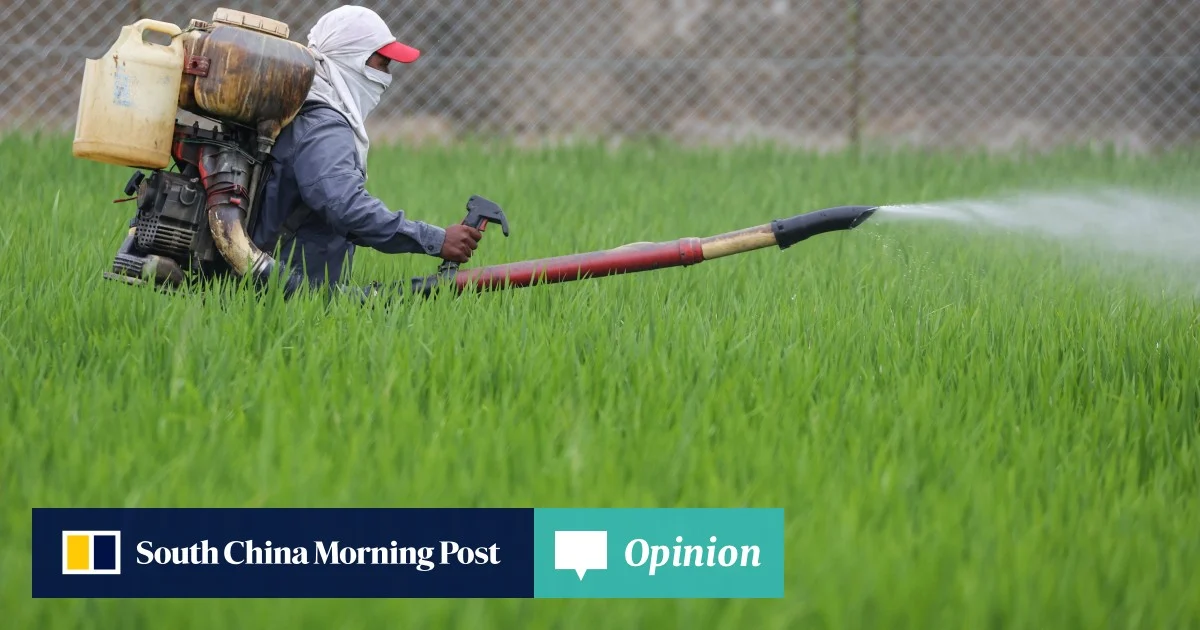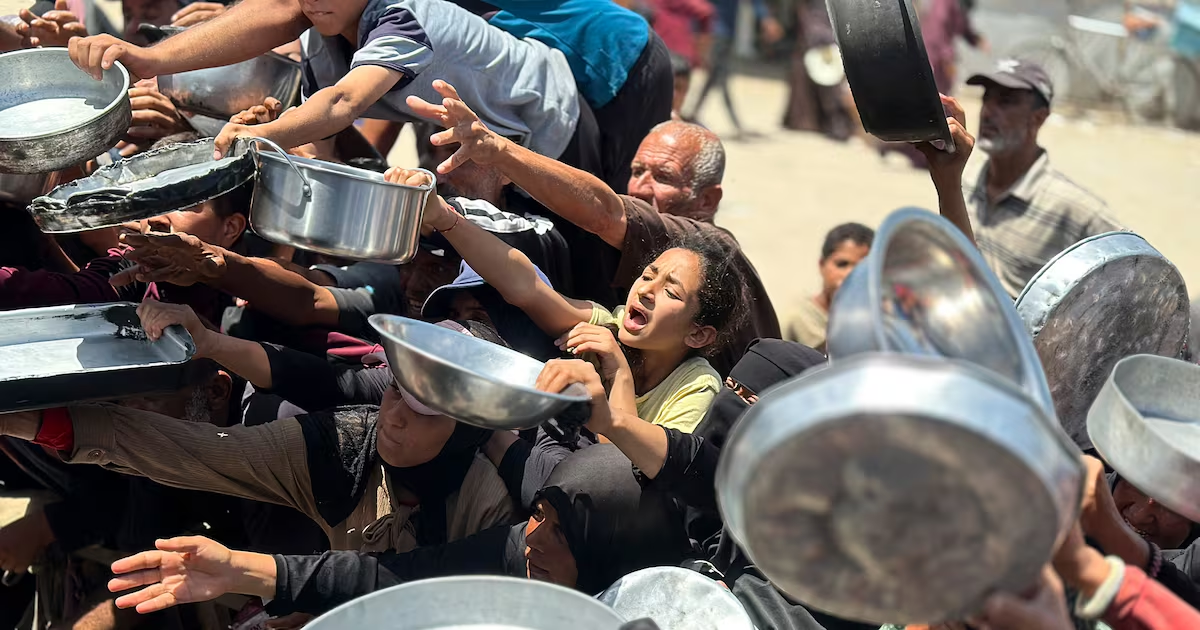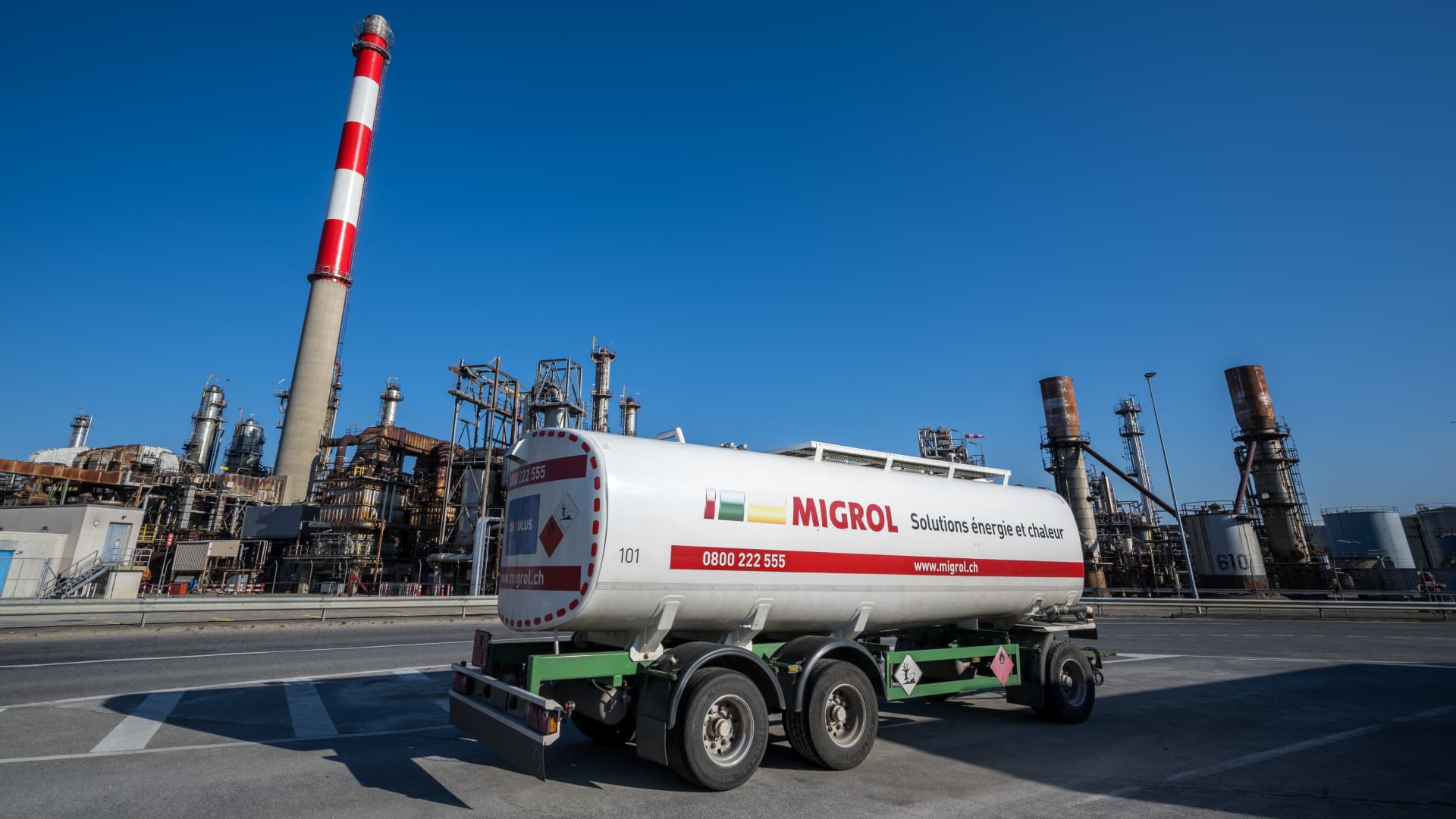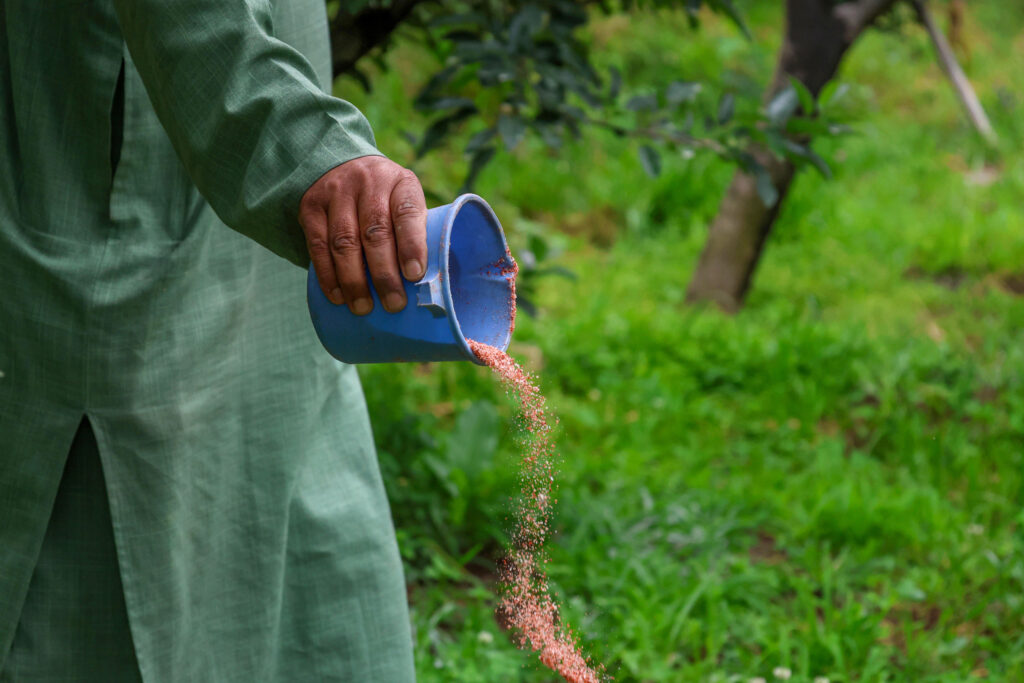
The energy shock arising from the US-Israeli war on Iran is far from over, though the possibility remains of an imperfect peace deal, starting with opening the Strait of Hormuz. Coinciding with the shutting off of a critical oil and gas supply chokepoint, a separate global crisis is unfolding; a food shock that has yet to fully emerge.In Europe, there is already evidence of supply chain disruptions and elevated prices, with nitrogen-based fertiliser prices some 70 per cent above their 2024 average. EU officials have warned this could filter through the food chain by year end, as farmers use up fertiliser stocks bought before the Iran war. Fertiliser costs risk piling pressure on food producers and consumers at a time of tight public finances and inflation risk for governments. Some northern European countries maintain agricultural emergency reserves with stockpiles of fertiliser, seeds and grain, part of their “total defence” strategy after joining Nato. Others are now contemplating such measures.The greater need, nonetheless, will be measures targeted at the developing world, where the human toll from the food shock will inevitably be far more punishing than the impact of higher energy costs. Factor in a likely year of extreme heat driven by climate change and exacerbated by a natural El Niño and the crisis could flare during Ireland’s EU presidency.The Government’s EU presidency programme should include commitments to enhance food security and to secure agreement on an enhanced strategic partnership between the EU and Africa. This should acknowledge that the situation is already precarious and anticipate the possible consequences of a “slow motion drift” to a broader crisis, requiring an emergency geopolitical response.The recent Global Network Against Food Crisis report shows 2025 was the sixth consecutive annual increase in acute food and nutrition insecurity – 266 million people were in this category. With conflict the primary driver, 2026 is set to mark further deterioration.This is compounded by the lack of efforts towards resolution in too many conflict zones, a weakened UN whose multilateralism is constantly undermined and cutbacks in aid in most OECD countries, curbing humanitarian and development financing in favour of defence.Ireland’s record in helping developing countries build resilience is a strong platform to secure broad buy-in on countering worsening food insecurity. Under development ambitions for the presidency, the Government should set out an unequivocal commitment to improve food and nutrition security and immediately begin building a coalition of the willing capable of responding in a timely way.
The Irish Times view on food security: an important focus for Ireland’s EU presidency
Europe needs to help Africa deal with the fall-out from the Gulf crisis
408 words~2 min read