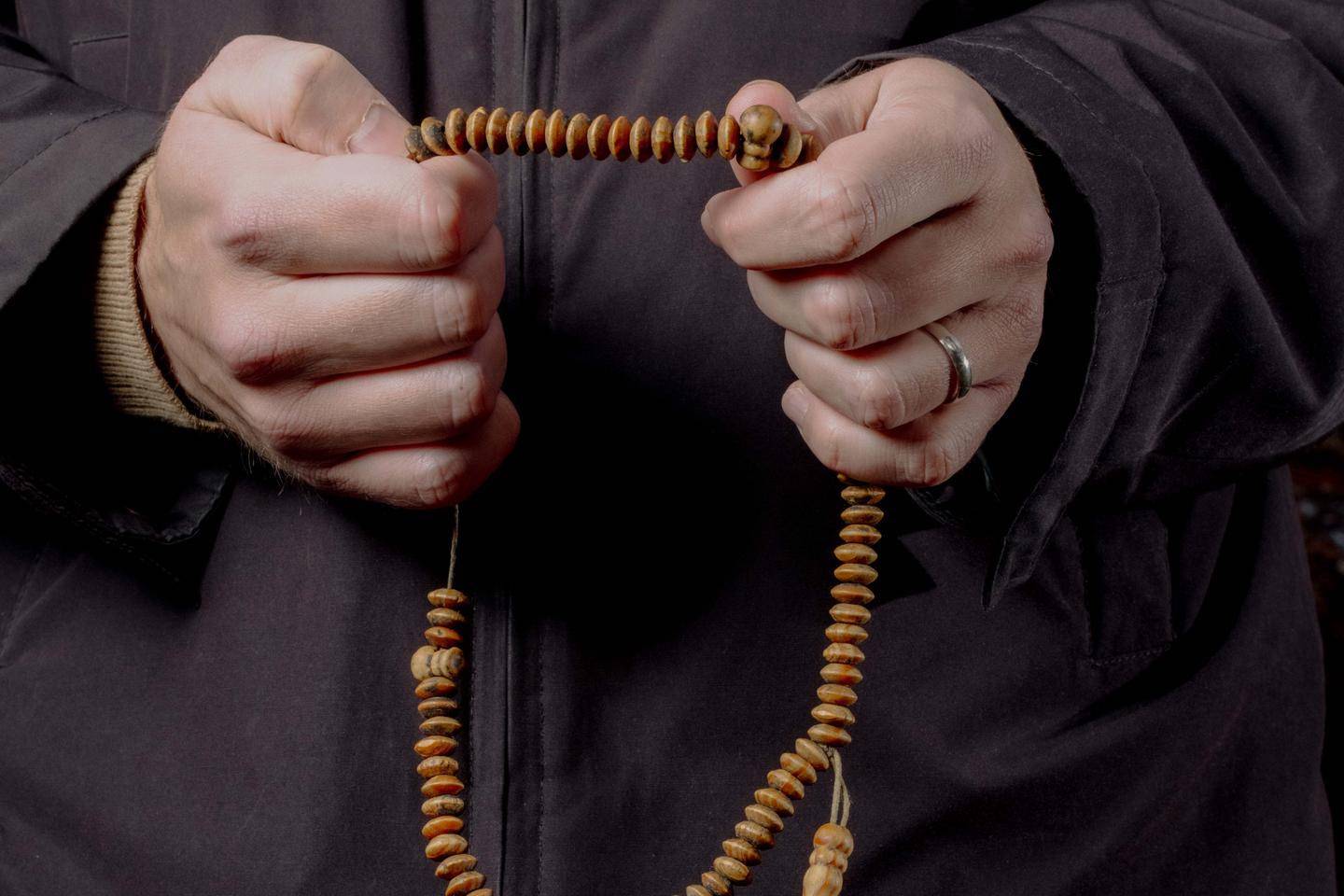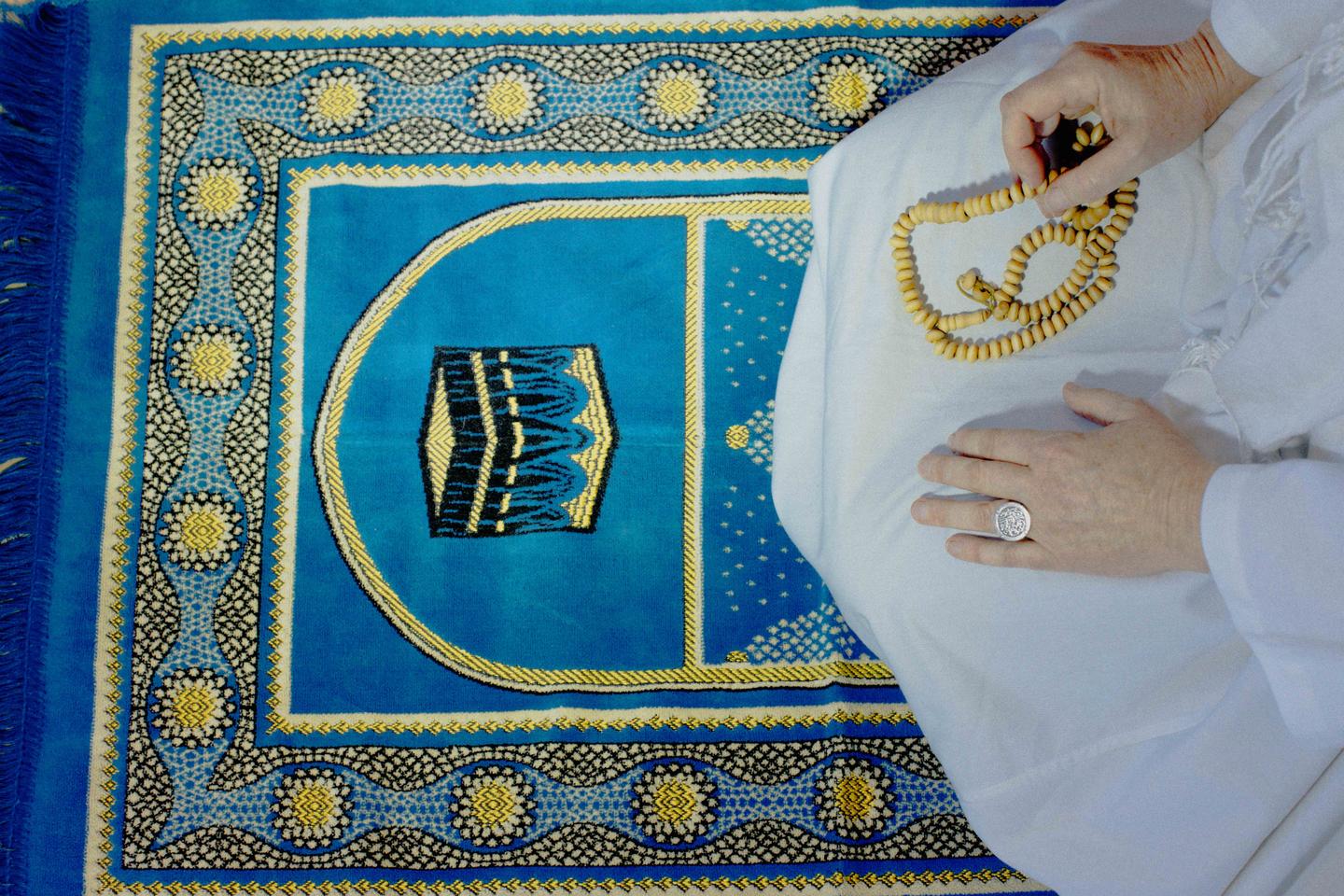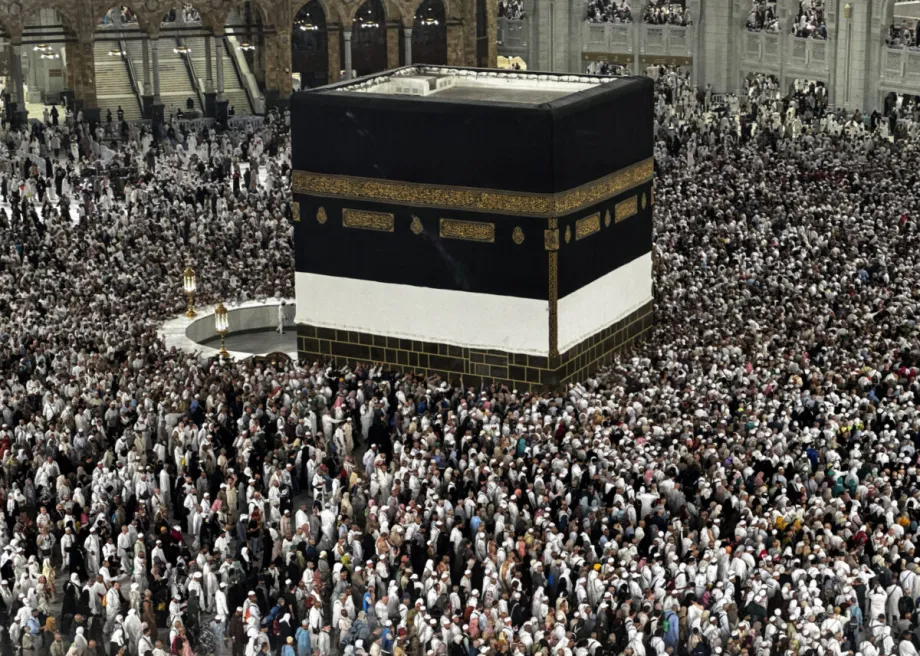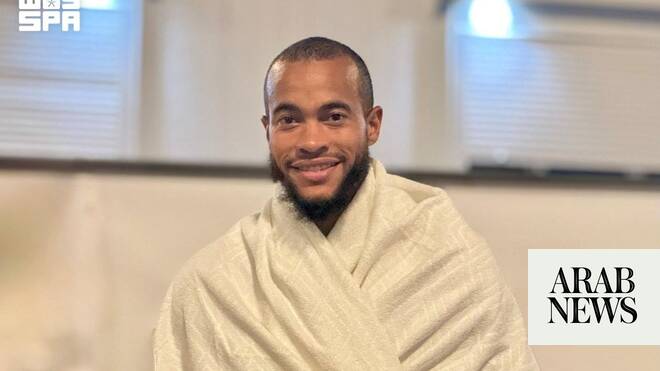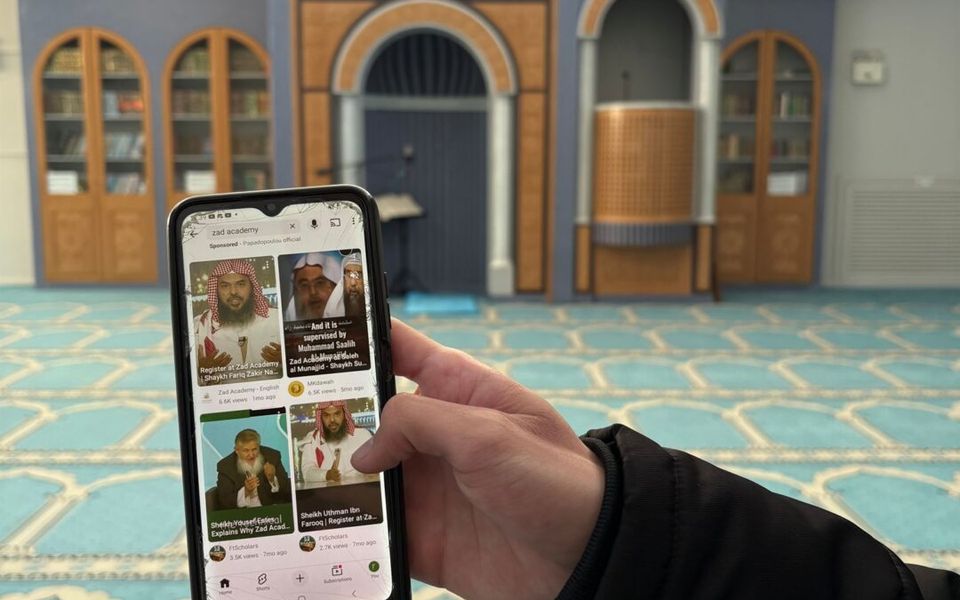
Abdurrahman knew exactly which room of his tutoring center would be empty at 6.30 pm as he ran up the stairs to get there in time. He switched on the light and pulled a prayer rug bought from Temu and a compass out of his backpack, with just four minutes to spare. He found where Mecca was, got on his knees and prayed, while his classmates down below carried on with their lesson. None of them knew that Abdurrahman had converted to Islam just a few months earlier.
Three years later, the situation at home is still tense. He has set his phone to vibrate for forming prayers so his parents don’t hear the alarm. He is 19 years old now and is studying economics at a university. He was born and raised in Athens in a typical Greek Orthodox family, but asks that his birth name not be published because even though his parents know about his beliefs, it is still a divisive issue in the household.
“They’ve said I should be ashamed of myself; they’ve called me a traitor; they’ve said they’d have preferred if I were gay to this,” he tells Kathimerini.
It all started when Abdurrahman was 16 years old. Until then, he was pretty much like all other boys his age. He was into skateboarding and fast cars. Even as a boy, he approached things with passion and depth. “If I become interested in something, I go all in,” he says. Shortly before converting, his interest had shifted to social media posts with “self-improvement” tips and “guides” for personal well-being and financial success. “I would wake up at 6 in the morning, follow a very strict diet, go to the gym every day, and I was very interested in learning how to invest in stocks. Behind this need for discipline were certain individuals who motivated me. My primary example, in capital letters, was Andrew Tate. I liked him a lot,” he says.