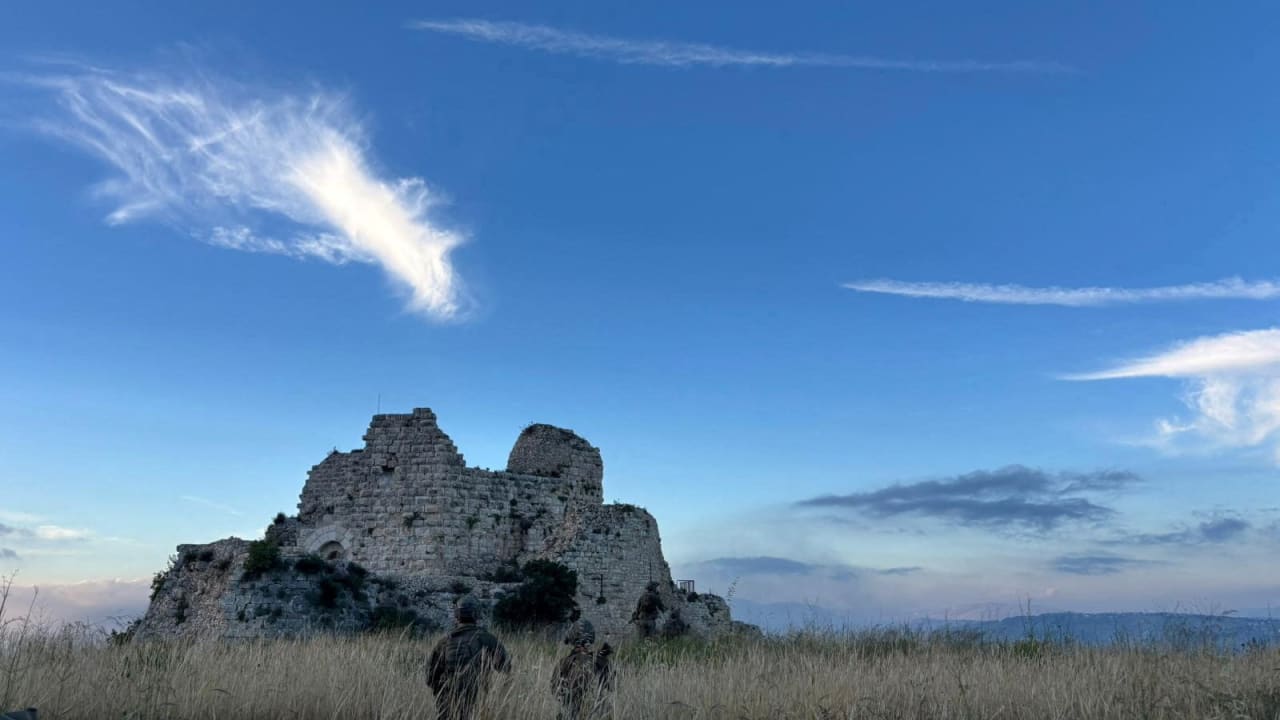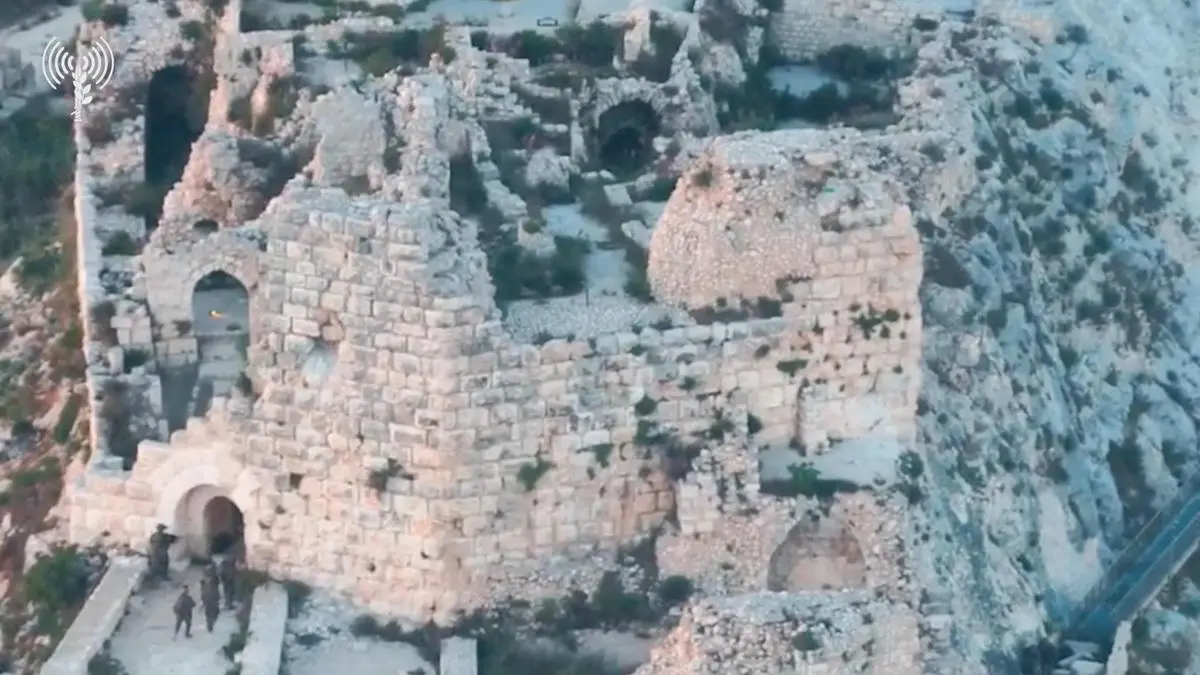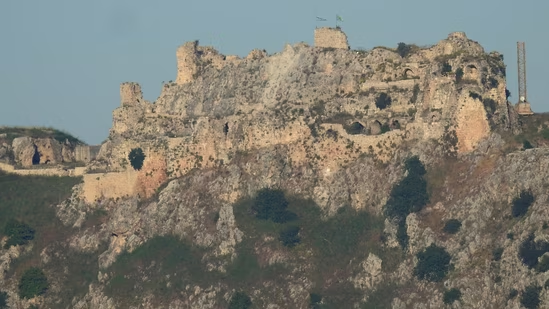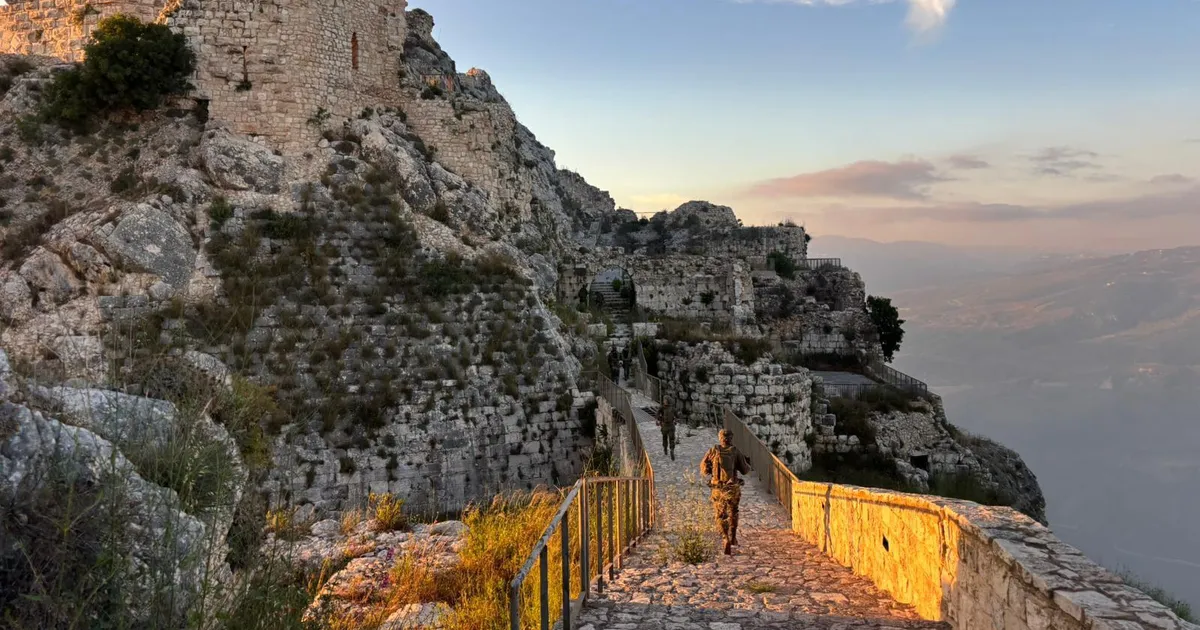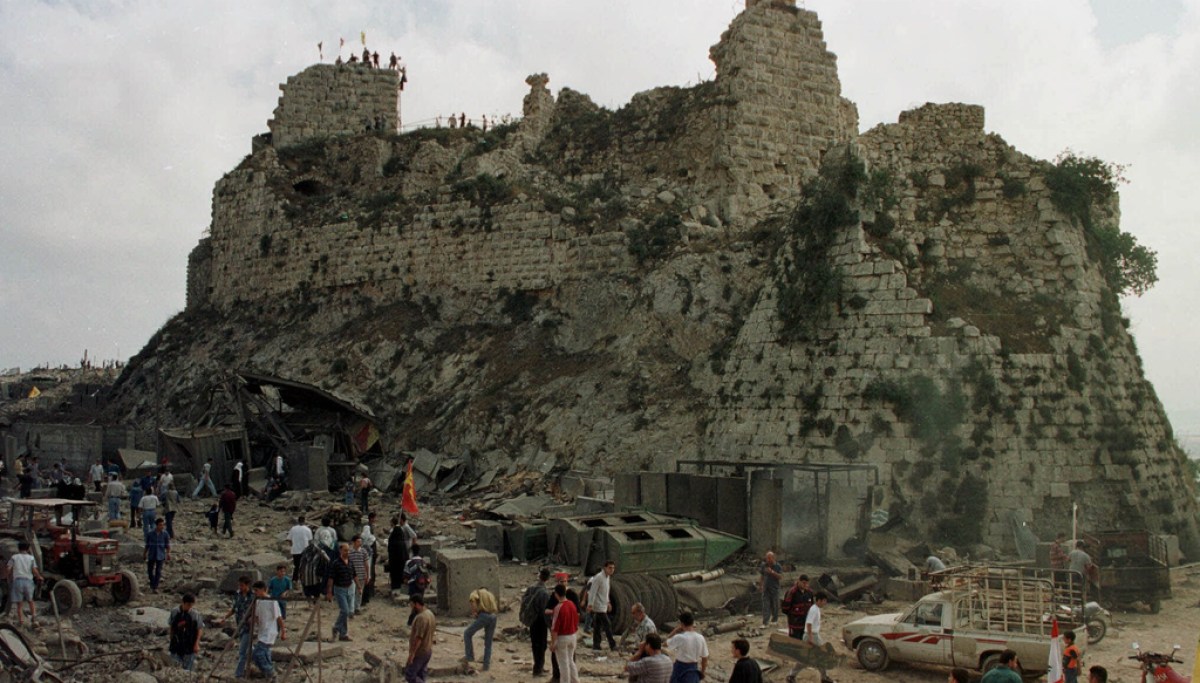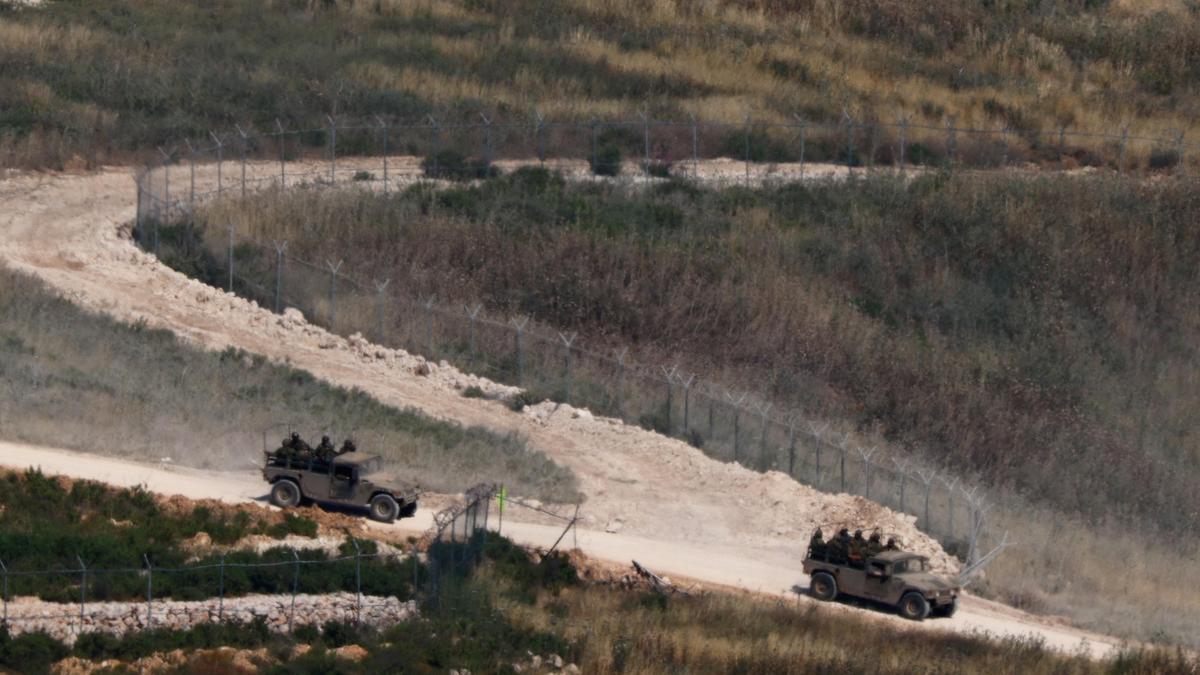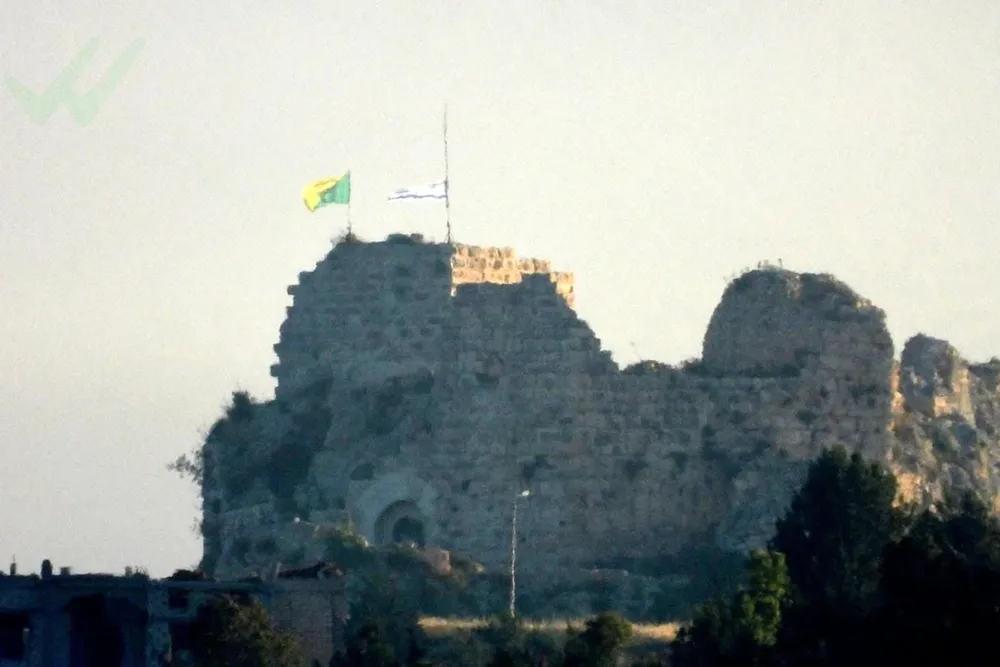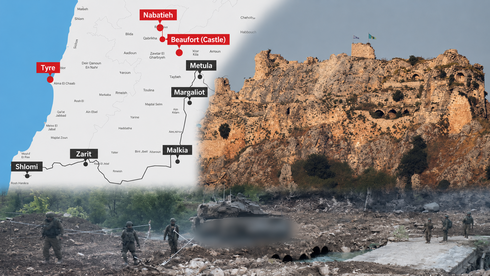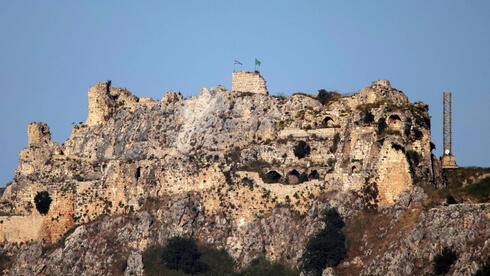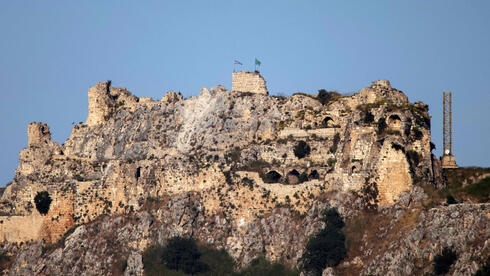
Israeli control of the strategic ridge gives the army leverage and fire superiority near Nabatieh, but any lasting shift depends on Washington, Beirut and TehranSenior Israeli defense officials are looking these days at the Beaufort ridge in southern Lebanon and seeing a tactical victory image. But the strategic question remains open: the capture of the fortress and its surroundings in recent days is a significant stage in the campaign to push Hezbollah farther from the Israeli border, but it will not dramatically change the overall course of the war, and it is unclear how, if at all, it will affect the organization’s future survival.The overarching goal of the operation deep inside Lebanon is to move the immediate threats away from northern communities, from Hezbollah’s raid plans, to indirect fire and direct anti-tank fire, to the growing drone threat. The IDF believes the raid and anti-tank threats have been significantly curbed, but other threats have been addressed only to a limited degree.5 View gallery Israeli flag over Beaufort (Photo: AFP stringer / AFP)Control of the Beaufort area is a powerful card now in the IDF’s hands. It gives the army a major advantage in observation and fire over the Nabatieh area, one of Hezbollah’s most important centers of gravity, where the organization has spent years building strategic assets.Still, Hezbollah’s fortified centers of gravity in Beirut and Baalbek have not been hit, certainly not significantly. For now, the IDF has not moved to capture Nabatieh, and it is highly doubtful that this is where it is headed.“Hezbollah is pushing with all its strength for a ceasefire and is demanding it from the Iranians in their negotiations with the Americans,” an IDF source said. “Our aspiration is to separate the arenas, Lebanon separately and Iran separately. But our realistic ability to influence that separation is not high.”The IDF is continuing to establish itself in the Beaufort area in order to reduce rocket fire toward the Galilee Panhandle. At the same time, forces are working to clear the area up to the “yellow line” of Hezbollah infrastructure. Military officials estimate that many more weeks of work will be needed to complete the mission.“It is clear that if residents return here, it will be harder to defend,” a senior IDF official said. “The more we defend from depth, the enemy will meet our soldiers and not our civilians. If we leave here, the threat will simply move back closer to the border. It is simple mathematics.”5 View gallery Arms and equipment captured near Beaufort (Photo: IDF)Beyond distancing the threats, another important goal of the ground maneuver, from the IDF’s perspective, is to create effective leverage at the negotiating table, with the aim of achieving two critical objectives: severing the link and dependence between the Iranian arena and the Lebanese arena, and launching a broad process to disarm Hezbollah, at least in southern Lebanon, under combined pressure from the Lebanese state and the IDF.The defense establishment is not deluding itself that those goals are just around the corner.Above everything hovers a major question mark: How will the IDF act if an agreement is signed with Iran? Will the forces be required to withdraw from areas captured at a bloody cost? And if so, how would that be carried out? The IDF has already prepared contingency plans to establish positions inside the yellow line according to the “Gaza model,” but for now, the chances of implementing them remain unclear.To understand the full picture, it is necessary to distinguish between two arenas of IDF activity. The first covers all of Lebanon, where operations, mainly by the Air Force, are conducted under severe and strict American constraints that limit the military’s moves. The second is the ground arena under Northern Command, where the IDF is operating with heavy firepower and almost no restrictions.The major trap remains unchanged: As long as intensive activity is limited to Northern Command’s sector, it can generate only a local tactical shift. Whether that momentum becomes strategic change will likely be decided not on the Beaufort ridge, but along the axis between Washington, Beirut and Tehran.In a video released by the IDF from the Litani River area, Brig. Gen. Yiftach Norkin, commander of the 36th Division, said: “We are in the midst of a significant bridging effort, as part of the offensive against the ridge that controls the Galilee Panhandle. In recent days, the Golani Brigade combat team, in cooperation with the Combat Engineering Corps, prepared the ground and built the bridges. Their purpose is to enable the attack on the ridge, and by doing so to destroy the enemy’s infrastructure and the enemy itself, in order to completely prevent direct fire toward the communities of the north and the Galilee Panhandle. We are continuing this effort forward, as needed.”
Beaufort gives Israel tactical win, but Hezbollah endgame remains unclear
Israeli control of the strategic ridge gives the army leverage and fire superiority near Nabatieh, but any lasting shift depends on Washington, Beirut and Tehran
795 words~4 min read