FOLKSTON, Ga.—The world’s smallest heron hops from blade to blade in a patch of tall grass, testing its footing above the dark water as it searches for an evening meal.
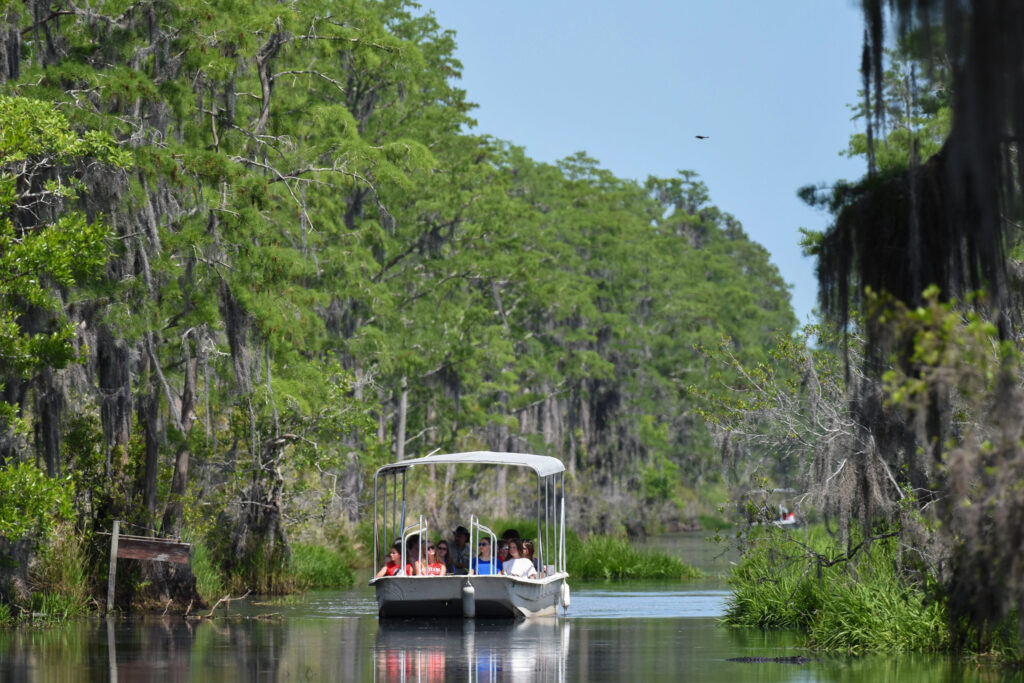
“This was already worth the trip out today,” Joshua Howard said earlier this month from a gray flat-bottomed tour boat just a few yards away. The tiny creatures, called Least Bitterns, are secretive birds, not easy to spot.
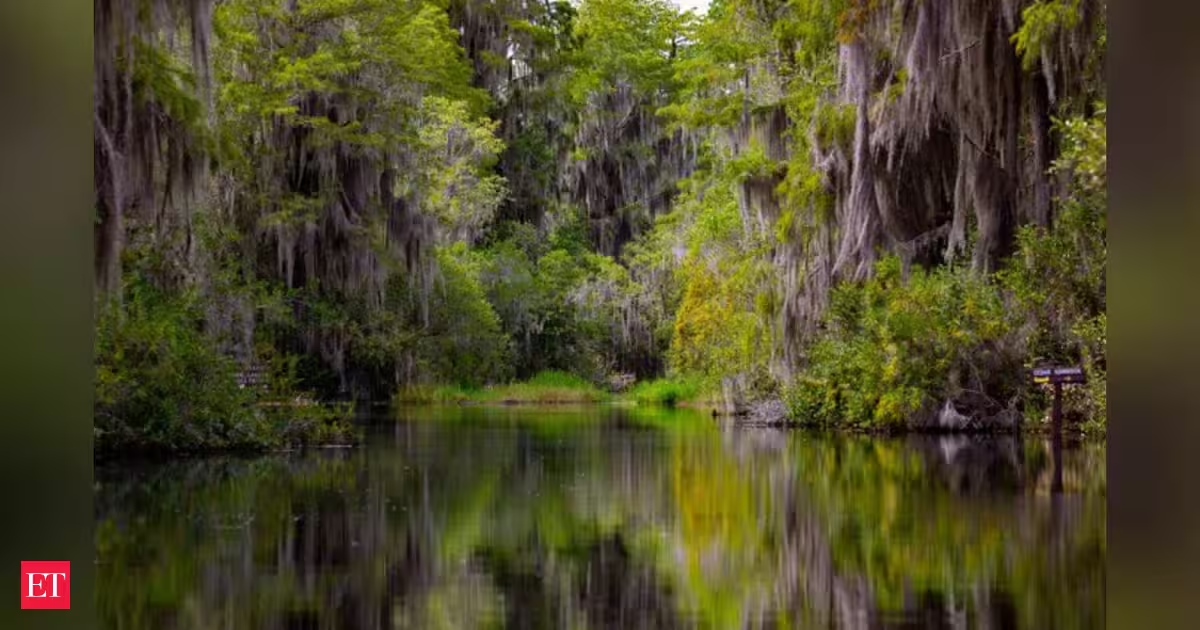
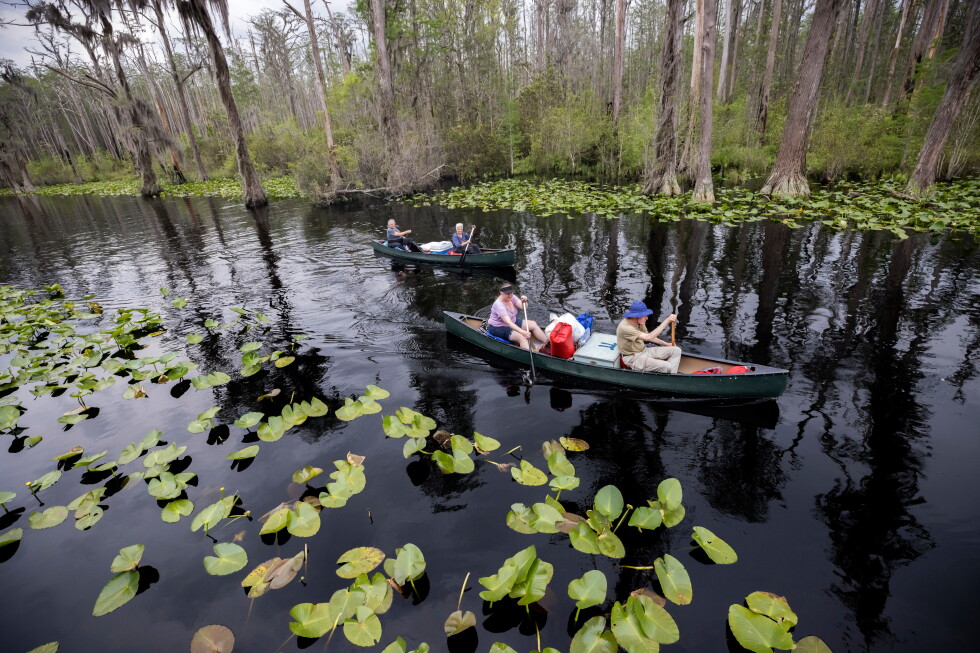
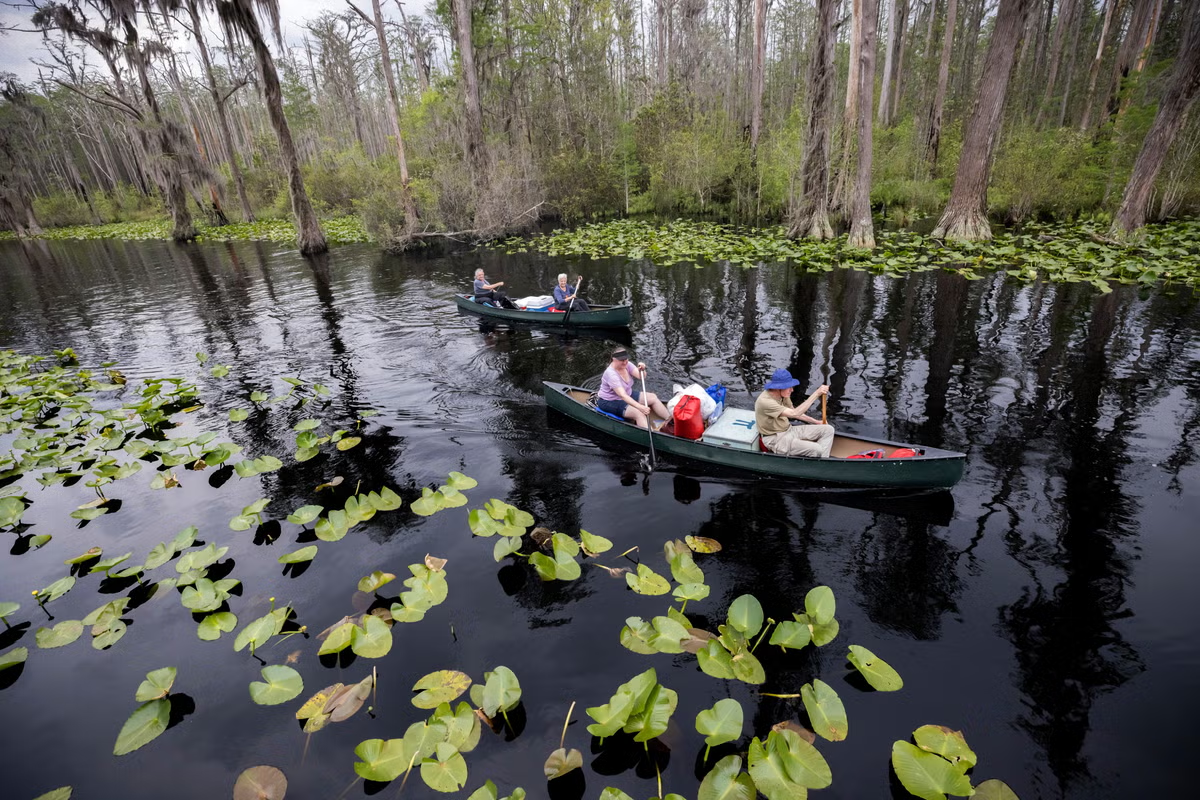
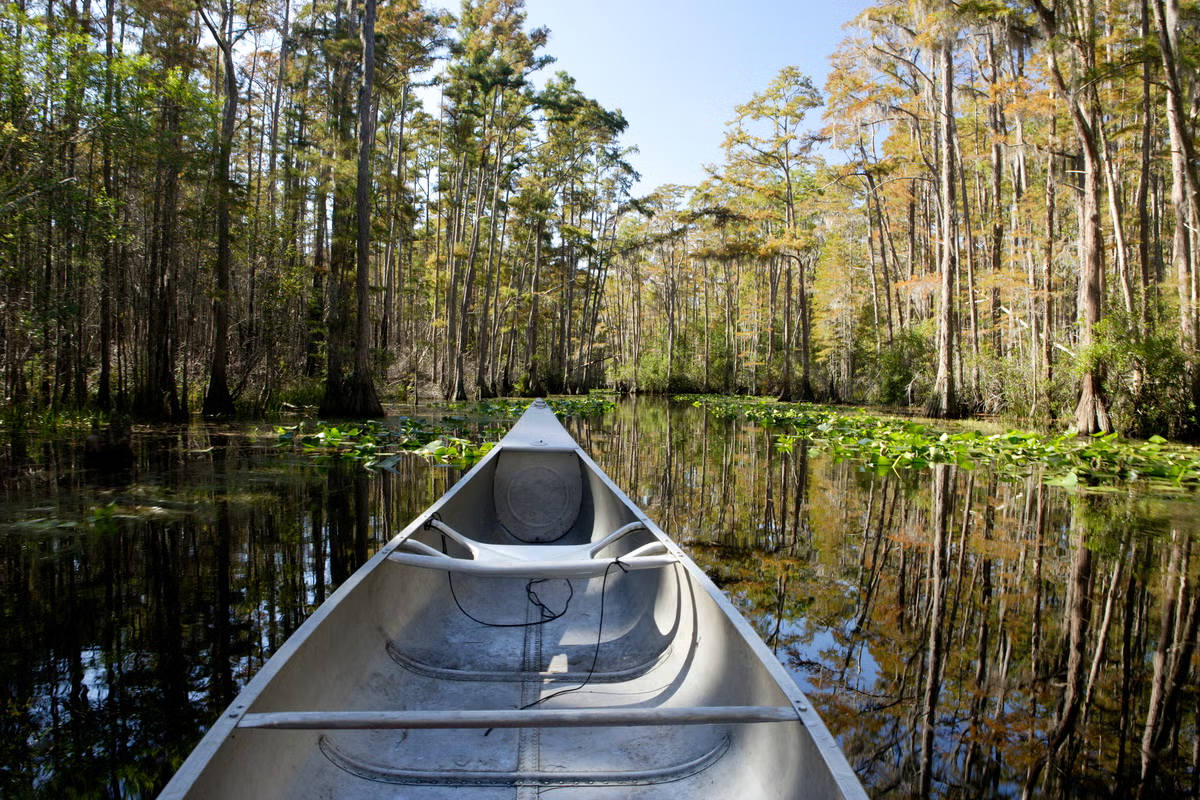
With one quick movement of its neck, which seems to take up most of its body, the tiny heron plunges into the water and comes up with a fish. Howard and his guide continue down the swamp between walls of Spanish moss-adorned cypress trees and alligators, hoping to find more of the birds and wildlife that call the Okefenokee National Wildlife Refuge home.
A least bittern fishes in tall grass on the banks of the Okefenokee Swamp. Credit: Ryan Krugman/Inside Climate News
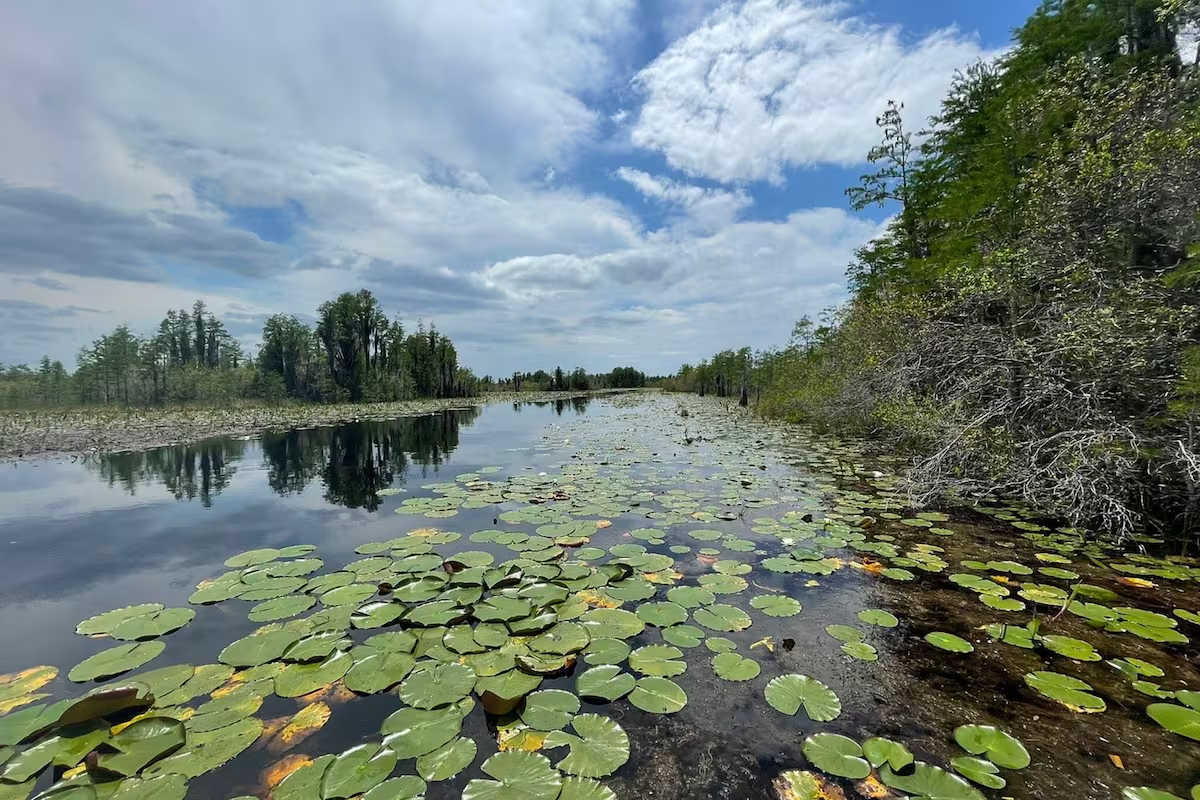
By July, the vast swamp Howard has visited since childhood and still tries to reach at least once a week could be internationally recognized as a United Nations Educational, Scientific and Cultural Organization (UNESCO) World Heritage Site.