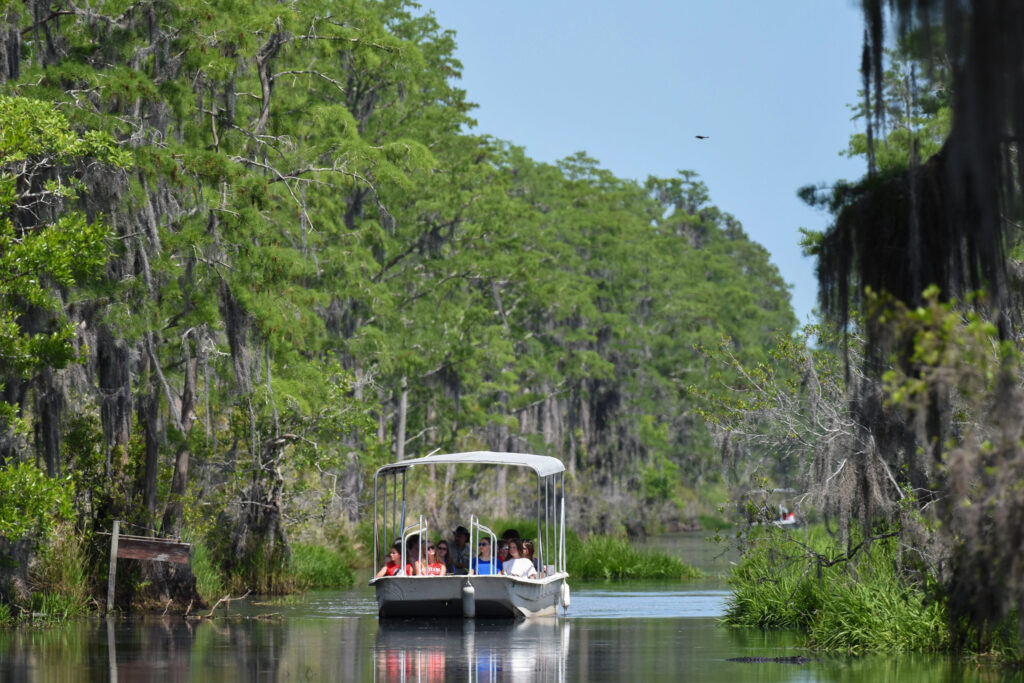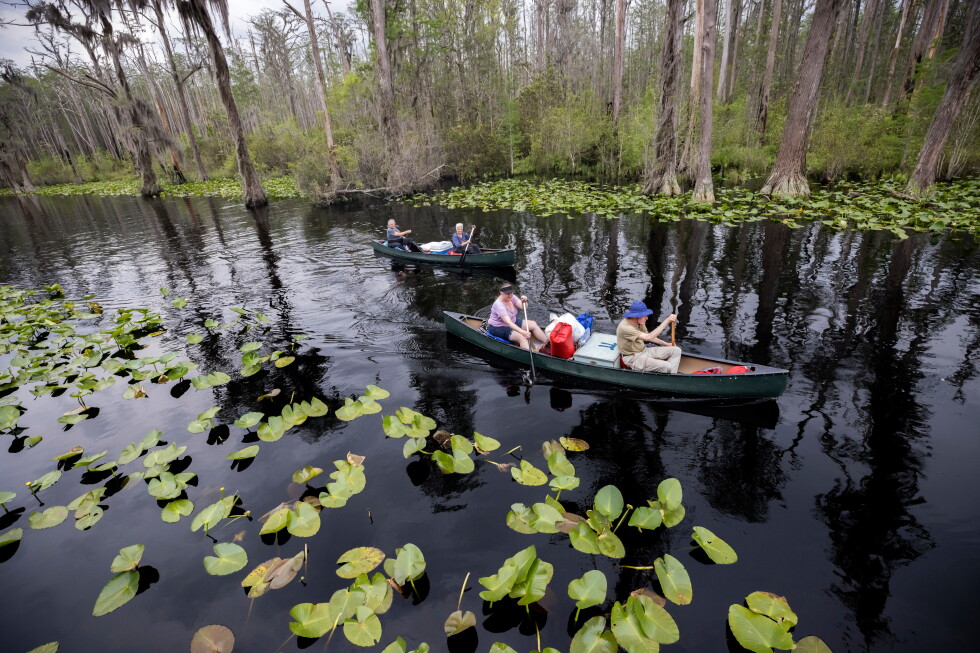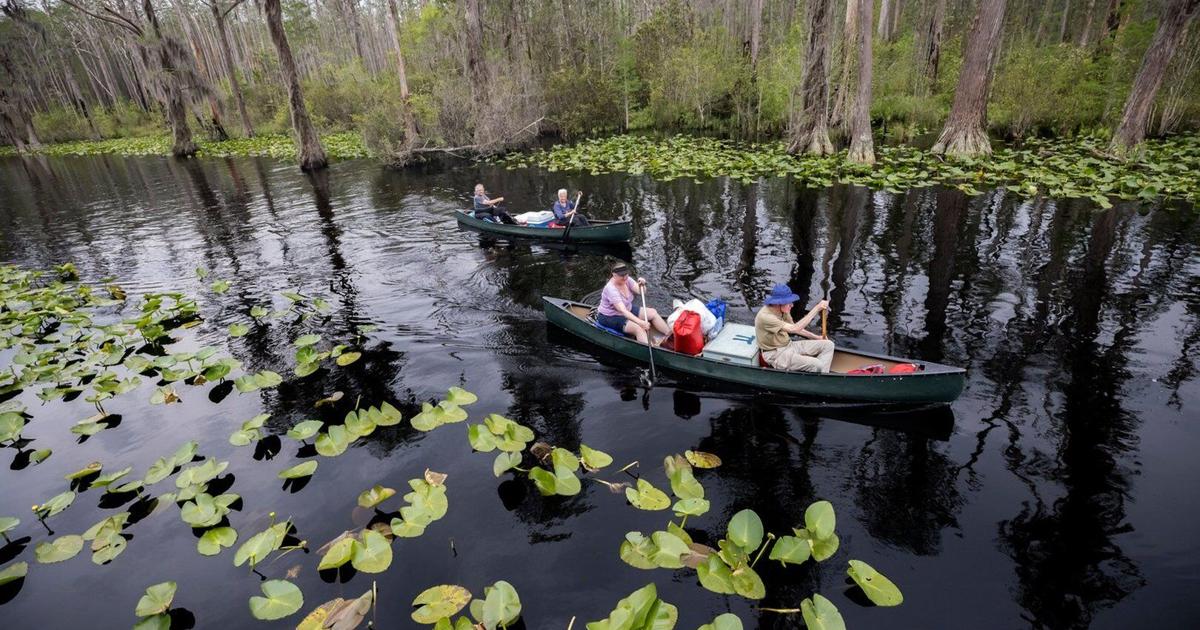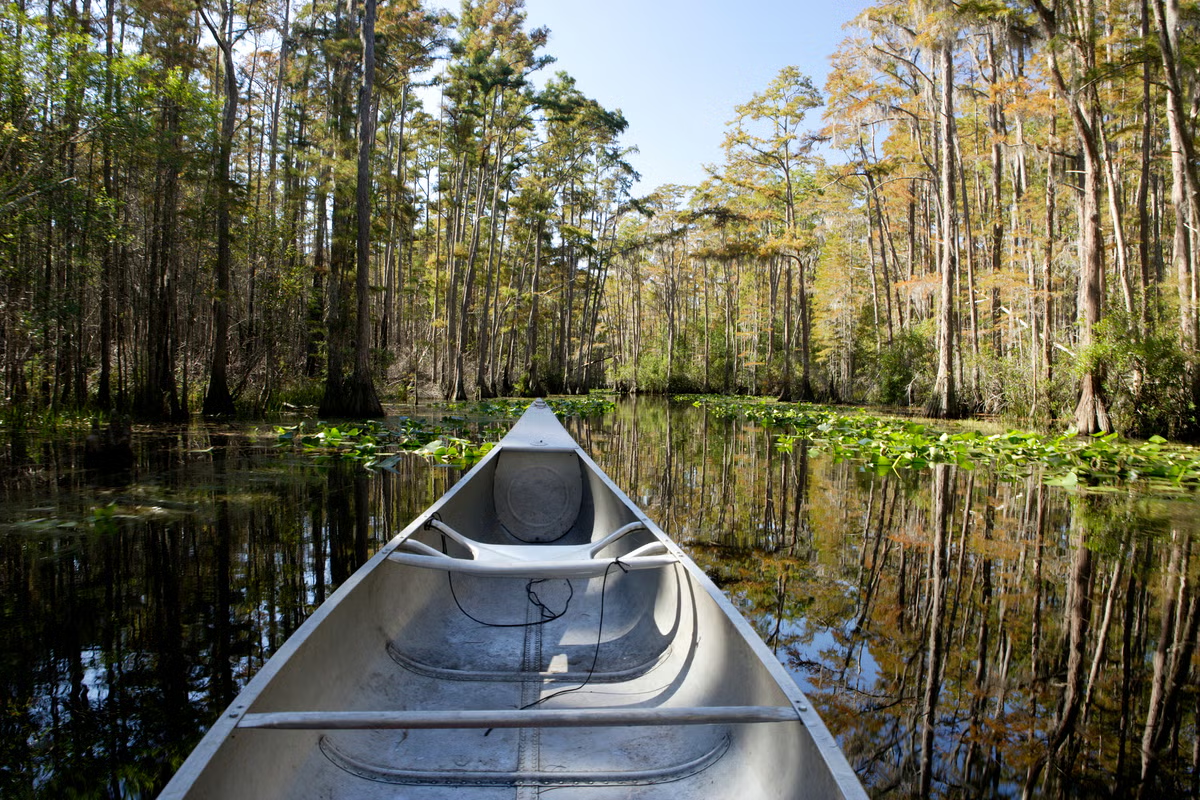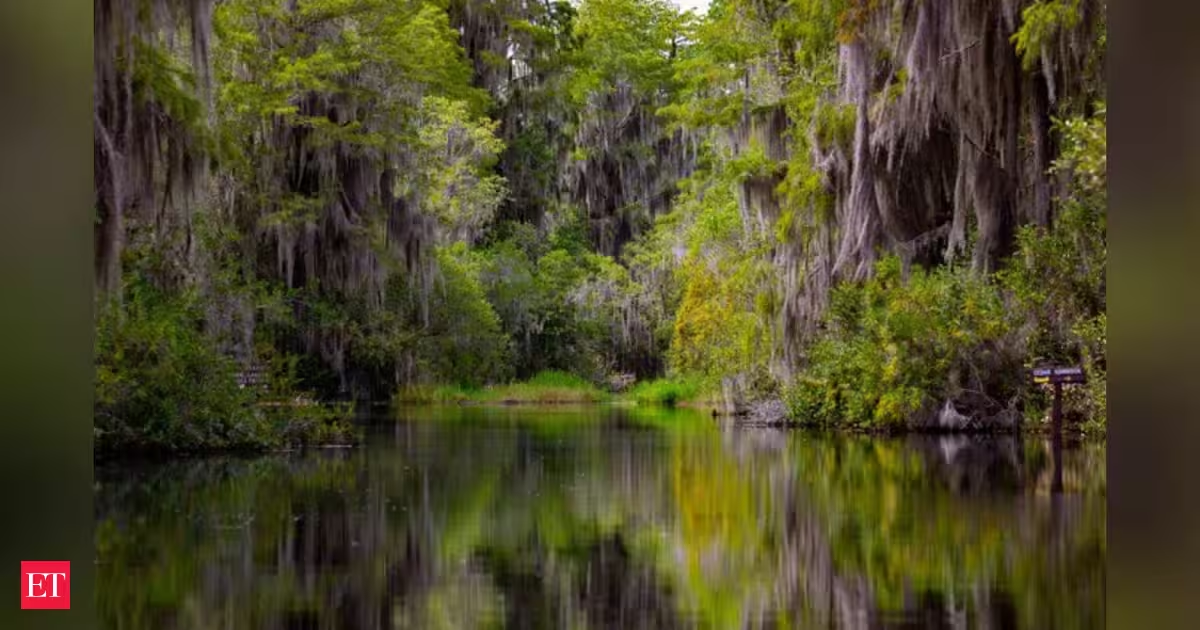
Georgia's Okefenokee Swamp has been added to UNESCO's World Heritage list, bringing international recognition to a vast wetland home to an estimated 15,000 American alligators and hundreds of other plant and animal species.The designation has brought global attention to the 636-square-mile freshwater landscape, which stretches across southeast Georgia and northeast Florida. UNESCO's recognition highlights both the swamp's rich biodiversity and its role as a natural carbon sink, as per a TCD report.The World Heritage listing places the Okefenokee among sites considered exceptionally important to humanity and can help bolster conservation attention and support.A wetland home to hundreds of speciesThe Okefenokee contains wetlands, savannahs and forests that provide habitat for migratory birds and a wide range of wildlife. The landscape is home to at least 856 plant species, 238 bird species, 90 reptiles and amphibians, 48 mammals and 39 fish, as per the TCD report.Among the threatened species that rely on the swamp are the gopher frog, the endangered longleaf pine tree and the eastern indigo snake. The eastern indigo is the country's longest native snake and typically grows between 4.9 and 7.9 feet long.MORE STORIES FOR YOU✕« Back to recommendation storiesI don't want to see these stories becauseThey are not relevant to meThey disrupt the reading flowOthersSUBMITOther animals found in the swamp include bobcats, black bears and otters.Around 15,000 alligators live in the wetlandsAccording to Fish and Wildlife Service data, about 15,000 American alligators live in the Okefenokee's wetlands.The alligators are among the many species that live across the swamp's wetlands, savannahs and forests.The wetlands also store carbonThe World Heritage listing also recognises the environmental value of the Okefenokee. Its wetlands act as a natural carbon sink, storing carbon that might otherwise contribute to planet-warming pollution.The swamp also provides an important refuge for migratory birds and threatened reptiles and amphibians.Global recognition could support conservationThe UNESCO designation gives the Okefenokee international recognition and can help bolster conservation attention and support.The swamp is already managed by the Fish and Wildlife Service, with existing protections helping preserve its habitats and the species that depend on them, as per the TCD report.
Georgia won UNESCO World Heritage status for the 636-square-mile Okefenokee Swamp to bolster conservation; the result raised global attention around a wetland home to 15,000 alligators and hundreds of species
Georgia's Okefenokee Swamp achieves UNESCO World Heritage status, highlighting its biodiversity, home to 15,000 alligators and hundreds of species while emphasizing its role as a natural carbon sink. Discover the significance of this designation for conservation efforts.
348 words~2 min read