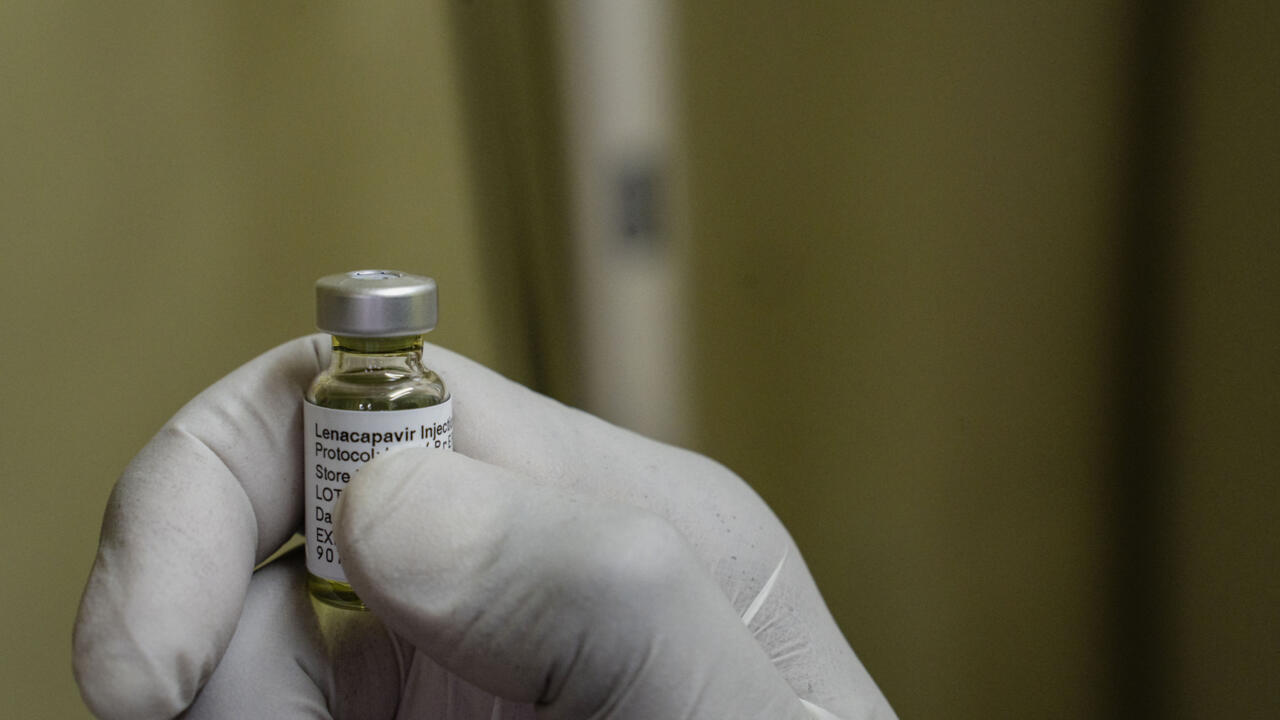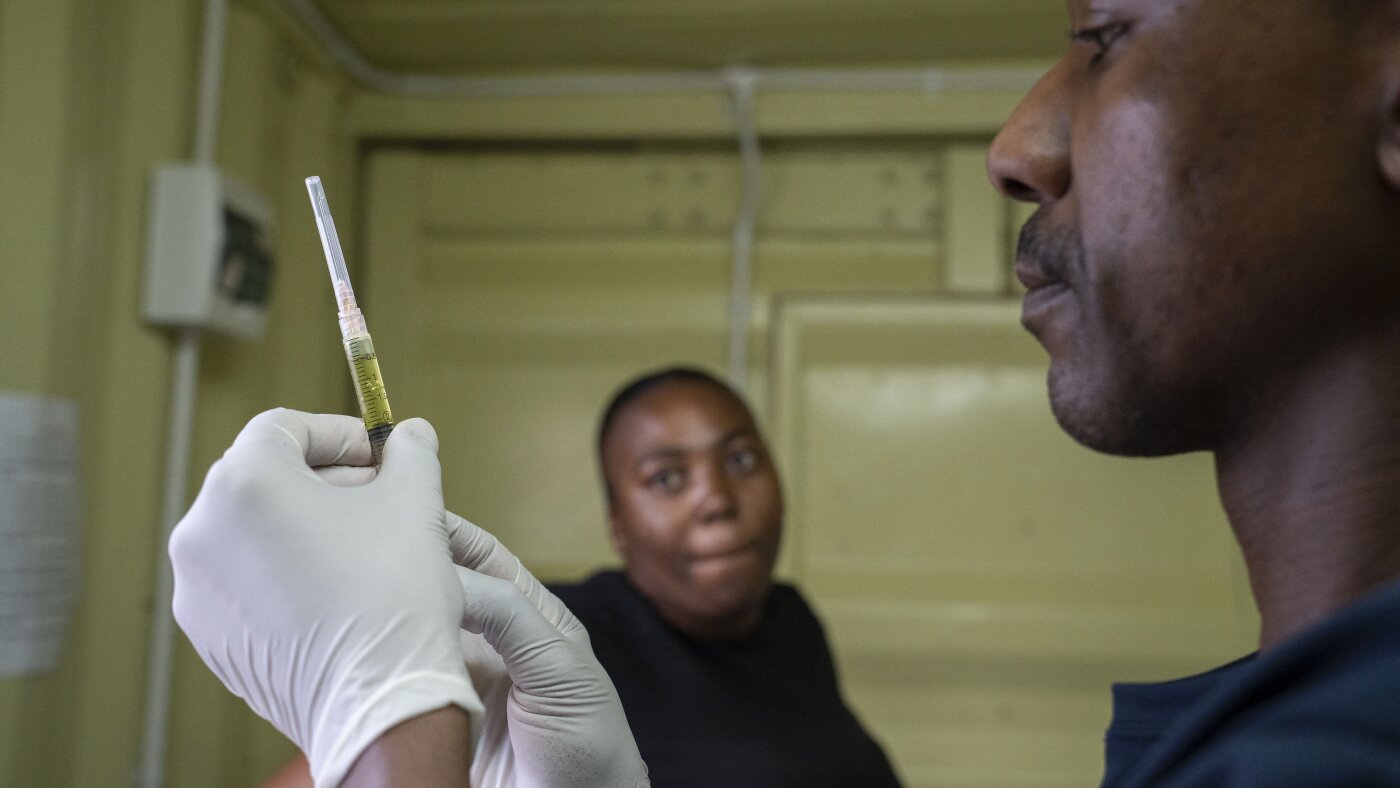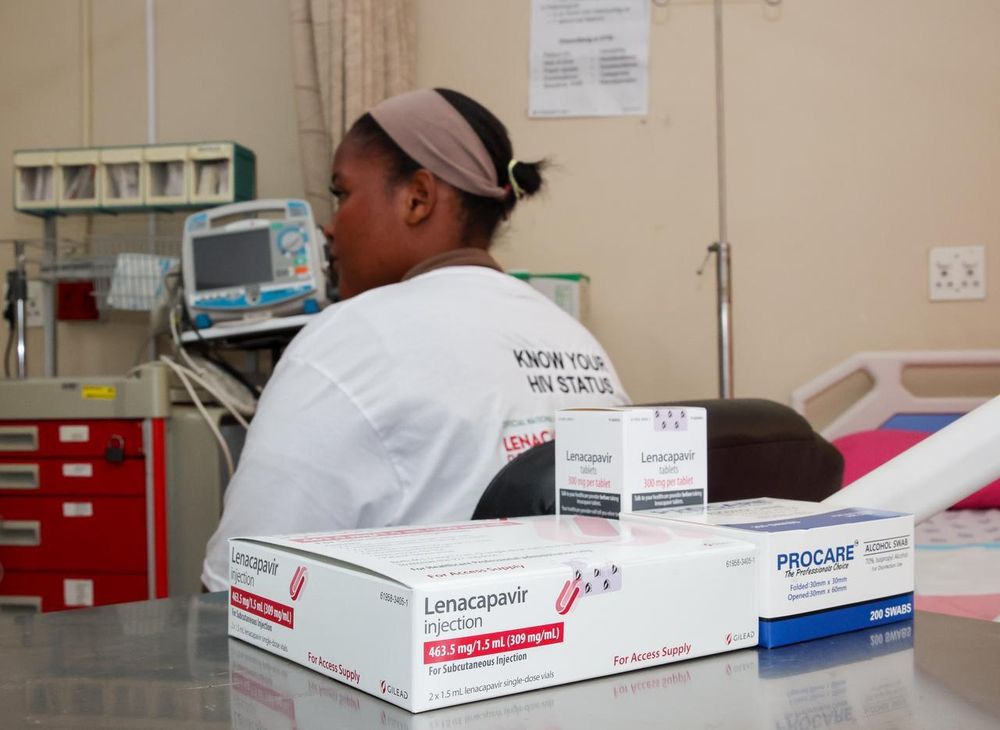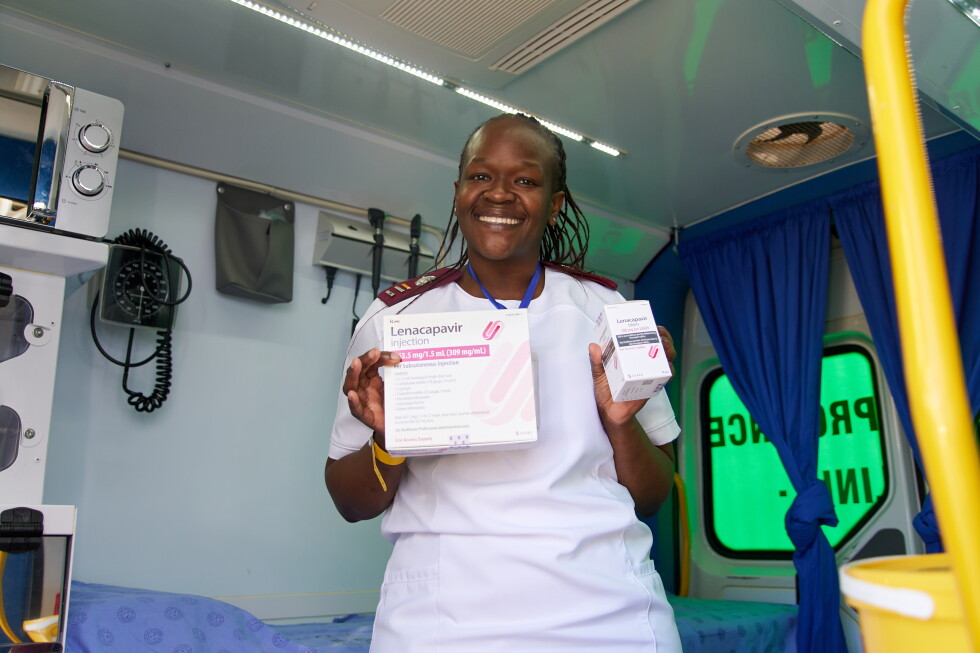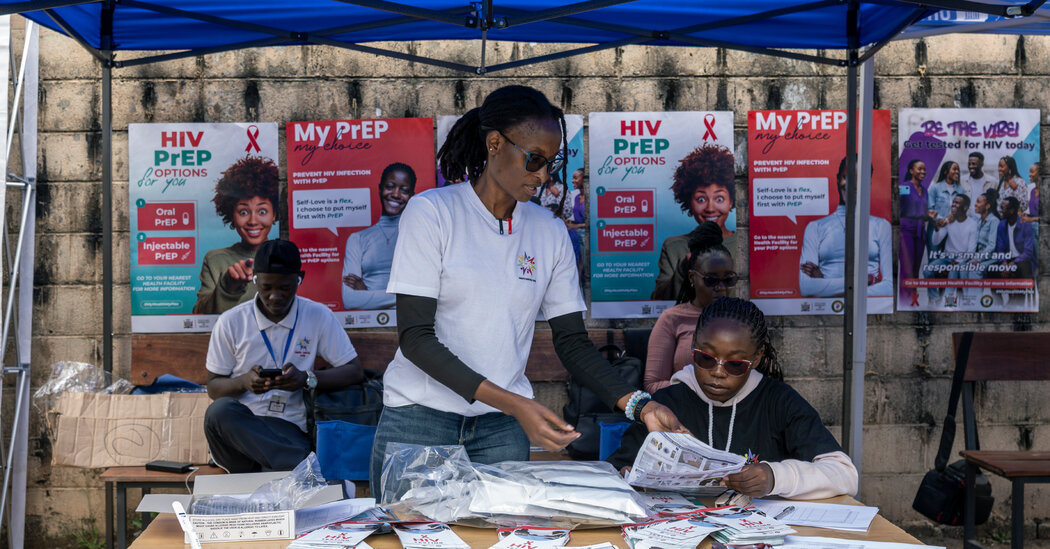
The first shipment of Lenacapavir, a long-acting injectable that prevents HIV with two shots a year, arrived in South Africa from the United States in early April 2026. Clinical trials showed close to 100% efficacy. The rollout, expected to begin in June 2026, prioritises adolescent girls and young women, pregnant and breastfeeding women, transgender people, sex workers, men who have sex with men, and people who inject drugs.
These are the right populations to start with. But one group repeatedly slips through the cracks: adult, employed men in mobile, male-dominated industries, who move between work sites and home, between long-term partners and casual or paid encounters. In epidemiology, they are a “bridging population”: people whose sexual networks connect higher-prevalence groups to lower-prevalence groups.
In 2017, UNAIDS named the problem in its Blind Spot report, showing that men across sub-Saharan Africa are less likely than women to test for HIV, less likely to be on treatment, and more likely to die of Aids-related illness.
A 2022 meta-analysis of 168 studies confirmed that across sub-Saharan Africa, men remain missing along the HIV care continuum, and South Africa, with the world’s largest HIV burden, is a particular concern. South African men are less likely than women to know their HIV status, link to treatment less often, and are 27% more likely to die from HIV.