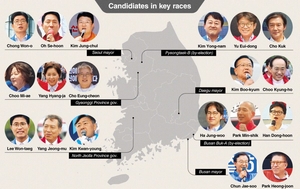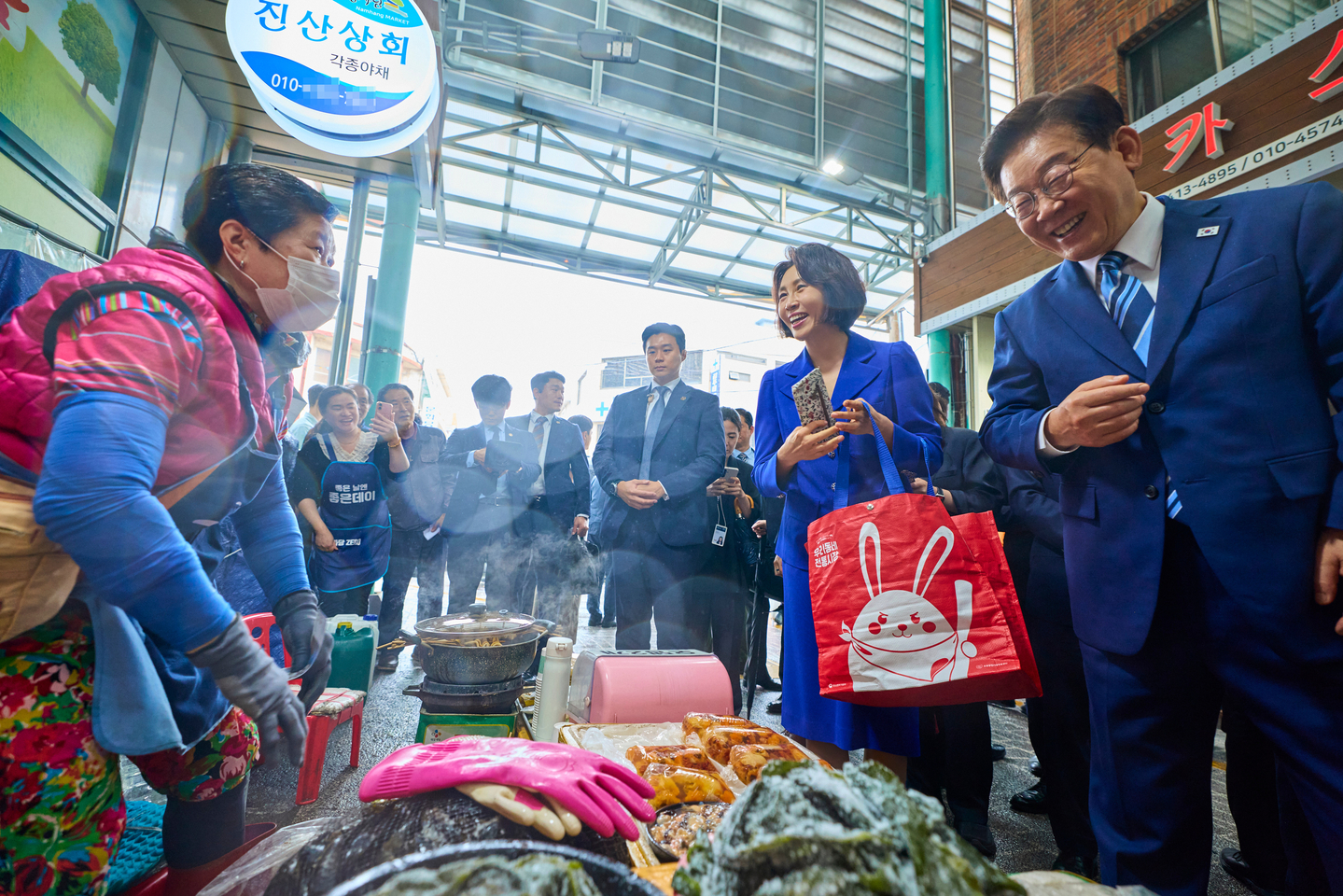
I have written on several occasions about state policies and their success. They depend on both vertical and horizontal organized efforts. The same applies to the vision that President Lee Jae Myung holds. It will only become reality if all dimensions of the country come together: state, business and society. In order to succeed, the policies must also work in regions outside Seoul. Right now, however, the regions are in chaos, to put it mildly. Local primaries are choked with an unprecedented tide of candidates — sometimes a dozen vying for a single mayoral seat. The only hope is that these nominees can truly achieve ideological alignment and pare themselves down. Unfortunately, we are seeing gruesome internal factionalism, and these in-party conflicts have become so bad that some protest groups are delivering coffins to the party headquarters.
This regional disarray echoes the turmoil at Samsung, where management has been locked in a fierce fight with labor over profit sharing. To me, it all stems from the DNA of the company and its corporate values. Samsung management has historically treated labor as an abstract — and most importantly, separate — entity.
Contrast this with SK hynix. Established in the early 1980s, the company appealed to its workers for support in times of difficulty, asking them to defer or even cut salary payments, with the promise to share profits fairly later. The workers delivered and supported the company. Now, when the semiconductor industry is enjoying its golden age in terms of profits, workers at SK are reaping the rewards. The company isn't afraid of its workers benefitting, because at the end of the day everyone cares about the success of the company and is willing to put their money back into the company. These workers see themselves as part of the company. Hence, the stock prices are skyrocketing.