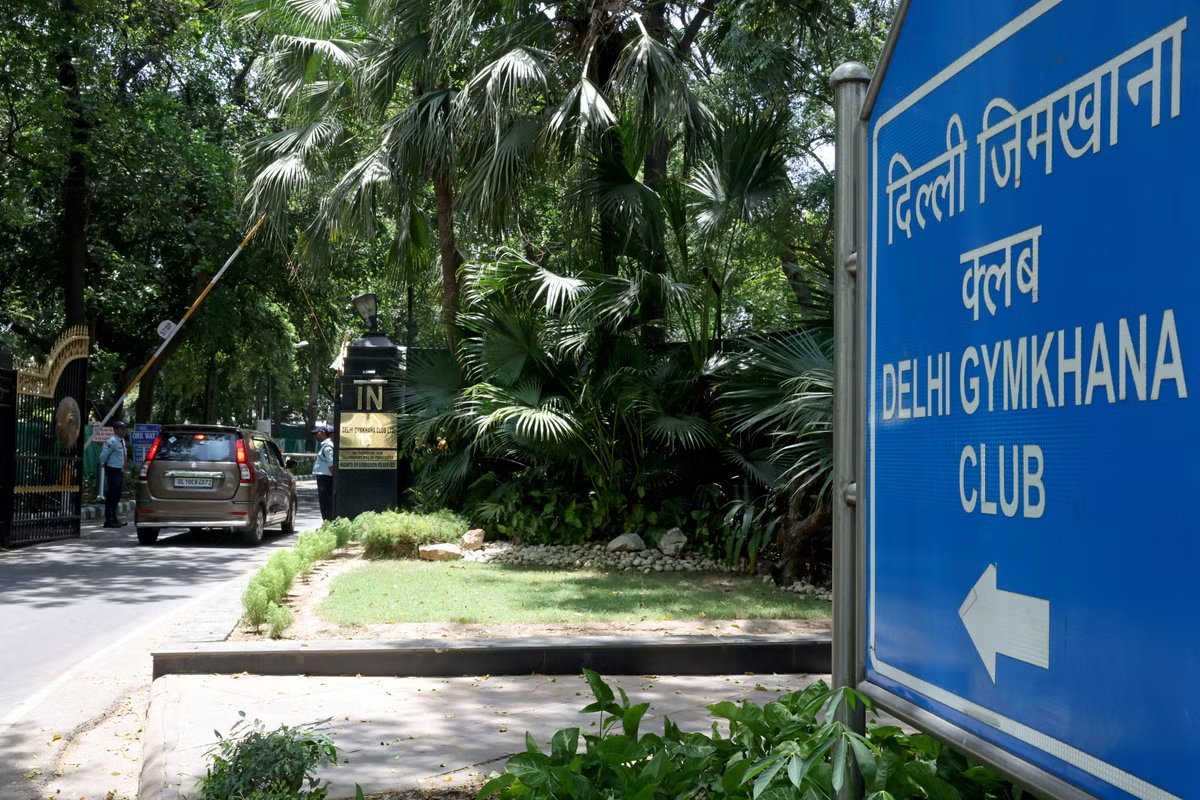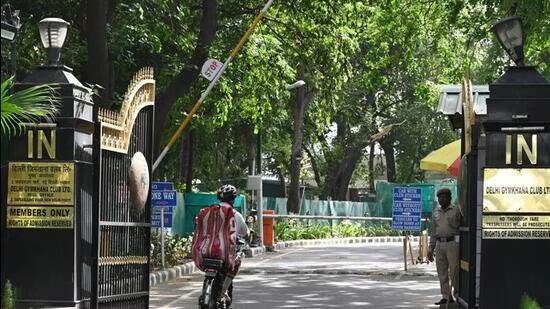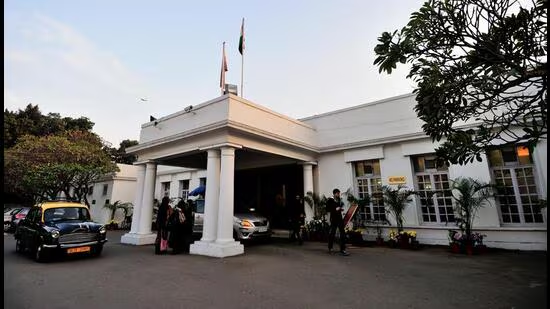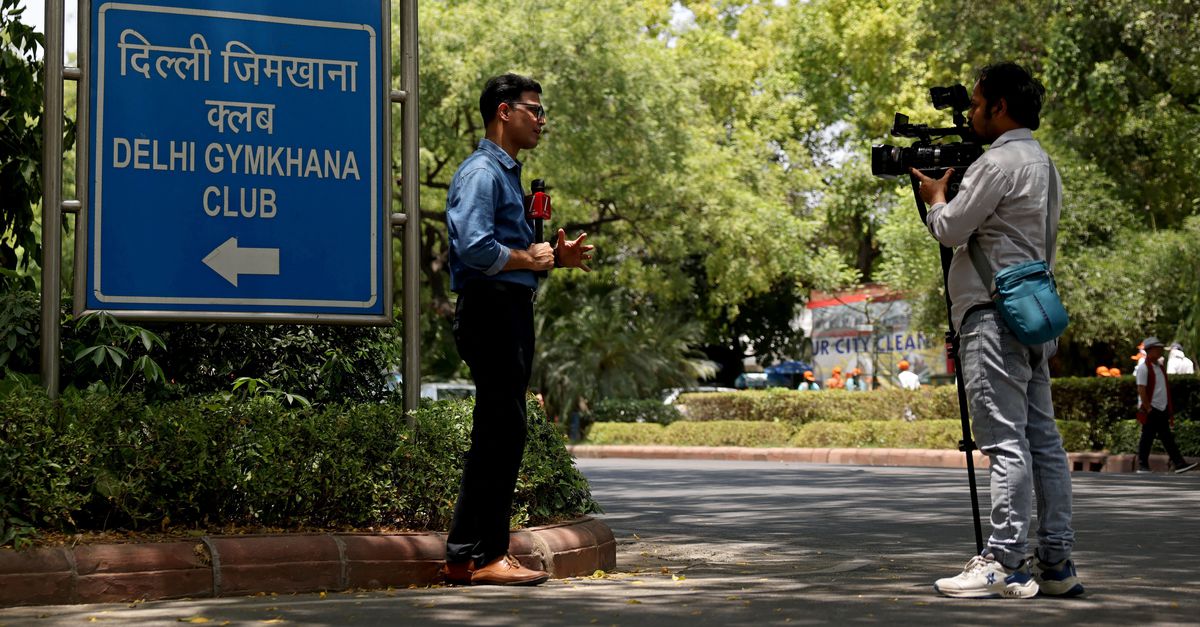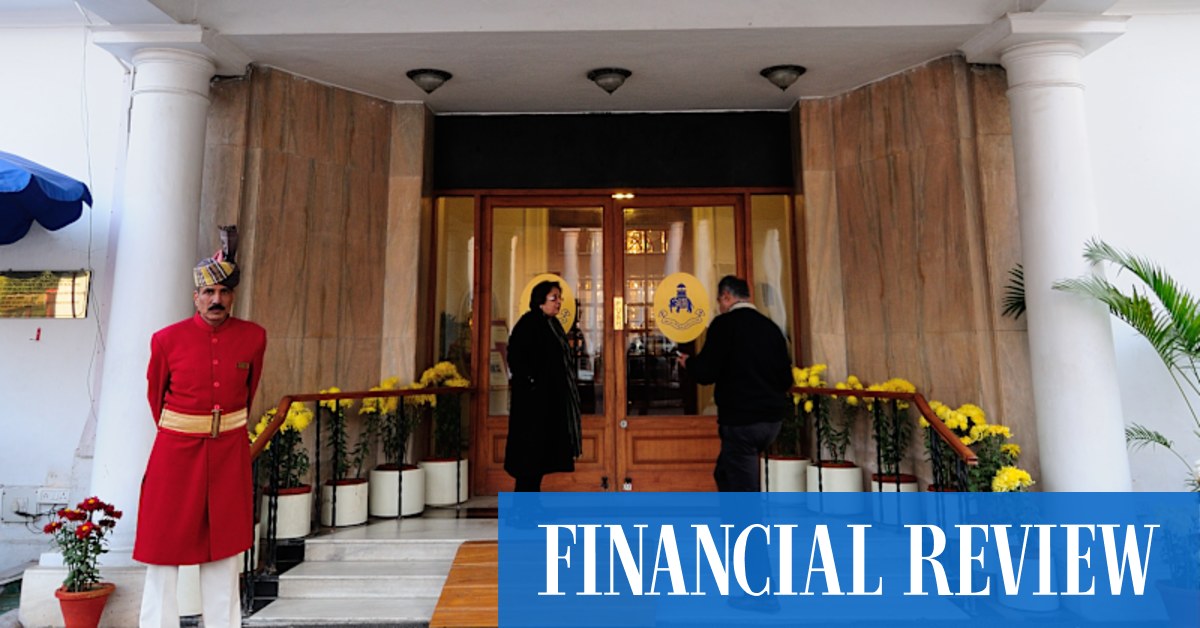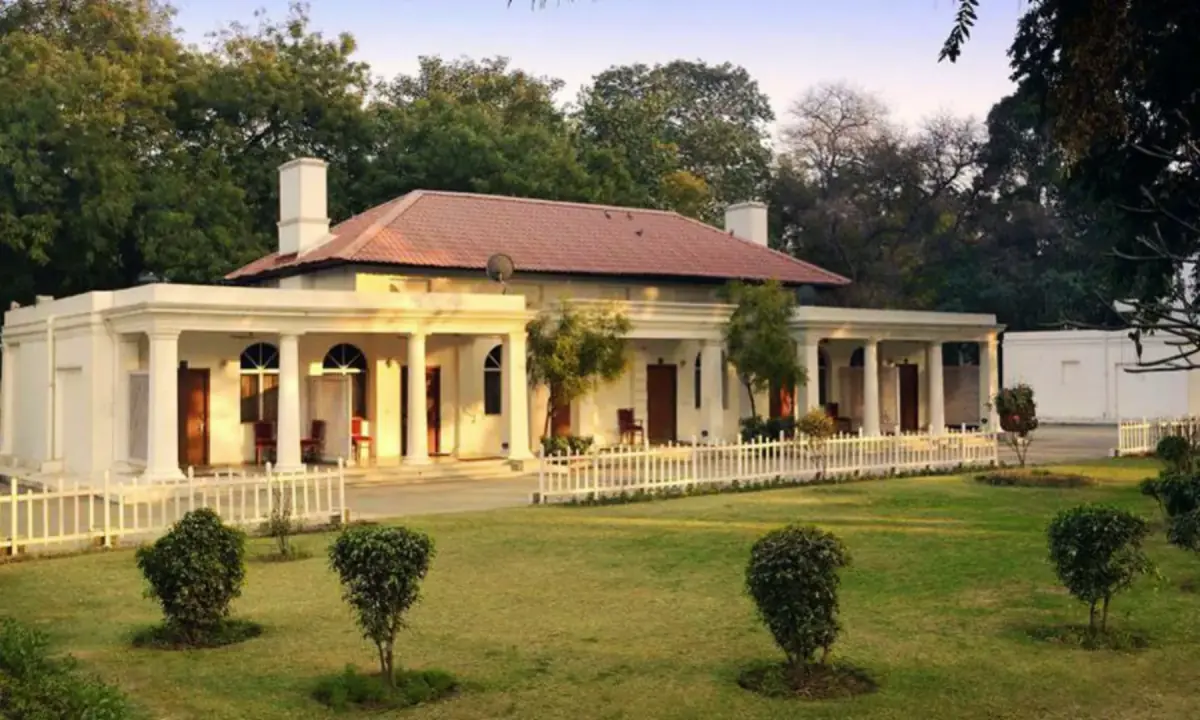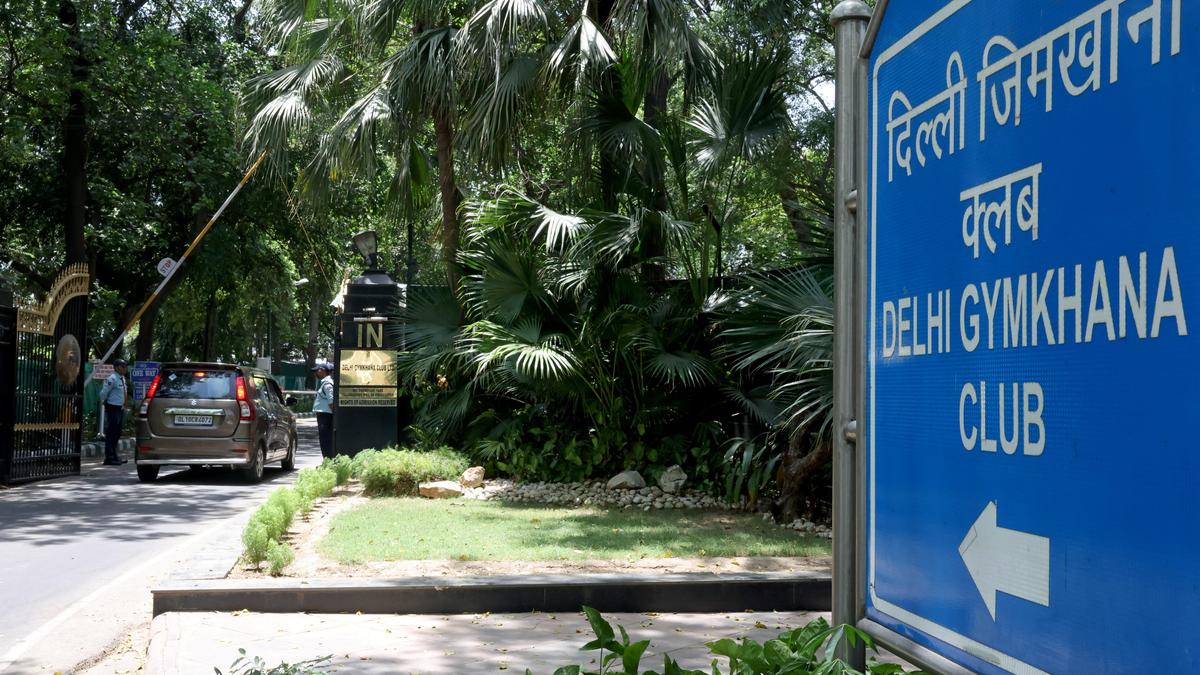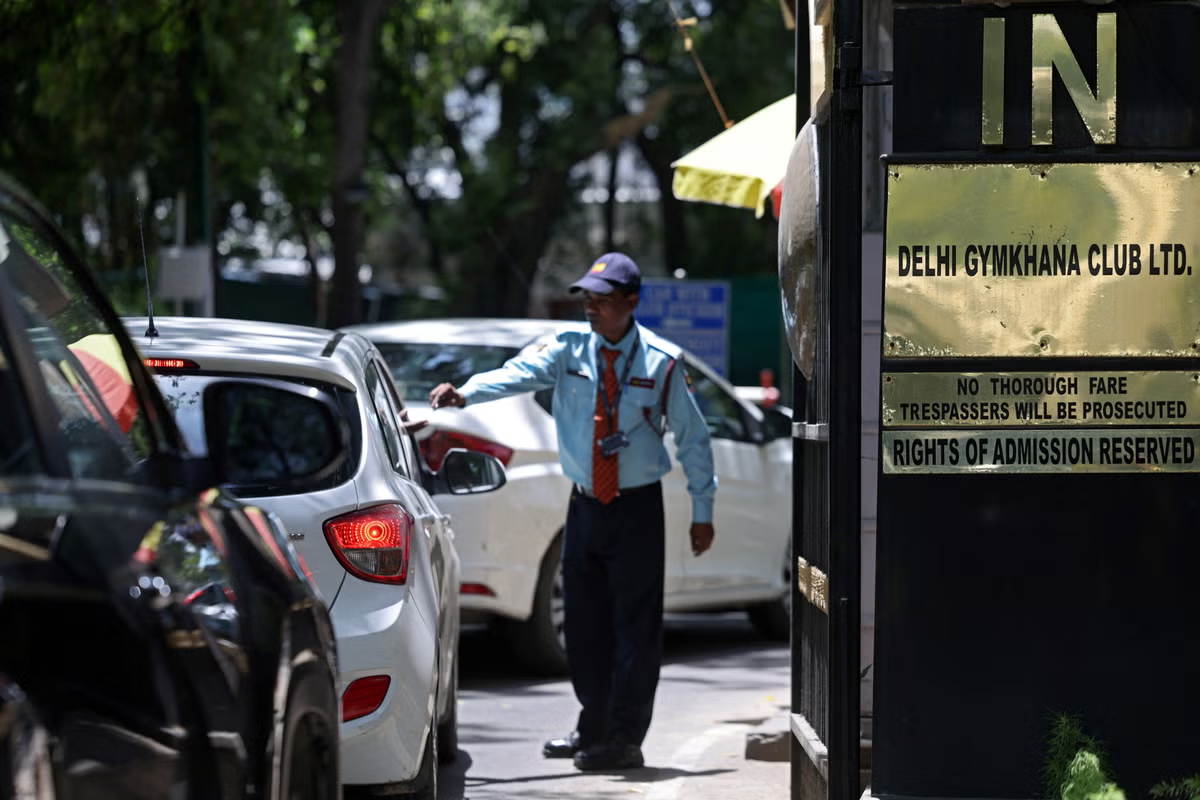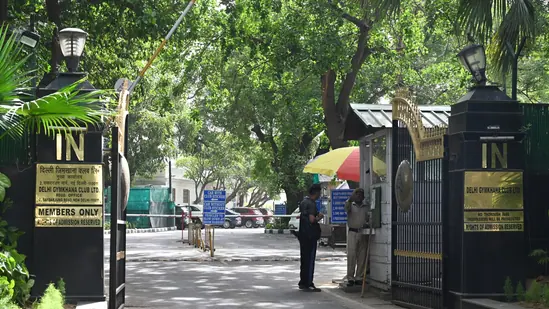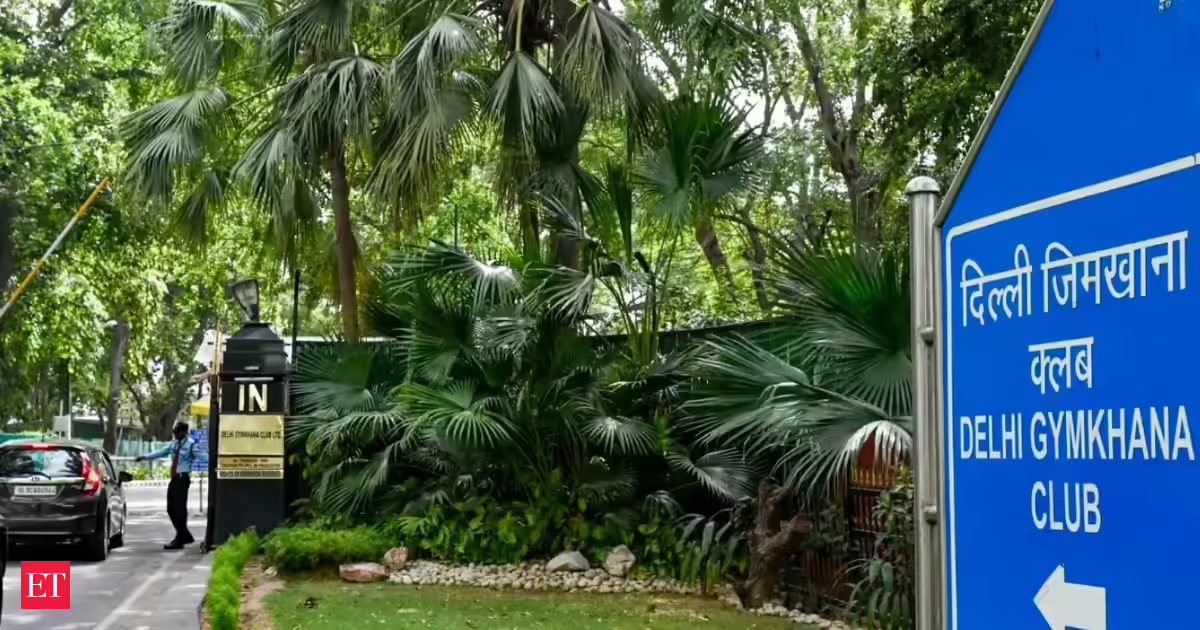
The Delhi Gymkhana Club, one of the oldest in India, may soon shut its doors by court order. In the circles where such things matter, this is being received as a loss.I spent 16 years in Delhi and stepped inside the Gymkhana a handful of times, through people I happened to know. What I remember is not the food, which was unremarkable, or the furniture, which was not much better. What I remember is the sameness of the room. Everyone from the same world, the same class, the same institutions, the same unspoken codes. A sealed universe, comfortable in its own company.Also Read: The Indian club that outlasted the British may not survive ModiThe Gymkhana is not an exception. It is the rule. We have simply built many versions of it: the India International Centre, the Tollygunge Club, the pubs of Bengaluru, the gated apartment complex with its morning walking groups sorted by age and income. Each a world unto itself. Each a room where you are unlikely to encounter anyone who would genuinely surprise you.I know this from the inside. In my Delhi years, I worked as an environmental education officer with the World Wildlife Fund (WWF) in Lodhi Estate. Two buildings away was the IIC, where the policy establishment goes to think out loud. The furniture was nothing special and the Old Monk tasted the same as anywhere else. There were retired civil servants, academics, diplomats, the occasional minister. They spoke softly. The conversations were excellent, but the people had a predictable aura.I had many opportunities to sit in that room. And then I would walk to Khan Market and take the blueline bus to Laxmi Nagar where I lived. The bus was loud and smelled of the city. I usually had dinner that cost around Rs 15 at a dhaba in Laxmi Nagar. Outside the WWF, we had a similar dhaba that served us tea, omelettes and bread. Lalaji mostly catered to the domestic servants who worked in the ministers’ bungalows nearby, and occasionally to the WWF staff. The kettle he used looked like it had come with him during Partition.Also Read: Delhi Gymkhana Club has MF investments worth Rs 200 crore, earned more from food and parties than sports: Financial reportDIFFERENT WORLDSTwo rooms, two worlds, 12 kilometres apart. Almost no one making the full journey between them.We once had spaces that collapsed that distance inside a single room. During my college days in Thrissur in Kerala, I spent long hours at the Indian Coffee House. What I remember is not the coffee but the social mix: students beside lawyers beside retired government servants beside trade union workers beside elderly men with nowhere urgent to be. Different ages, different professions, different worlds, sharing the same unremarkable space. Conversations flowed across tables. Sometimes people joined them. Sometimes they simply overheard them.Koshy’s in Bengaluru, opened in 1940 as a modest bakery, became something similar: writers, artists, lawyers, politicians, all in the same room, decade after decade. These were not luxury spaces but different and rarer.Last month, travelling through Kerala, I stopped near one of the coffee houses I used to visit. Before I got out of the car, someone told me it had closed.Eric Weiner, in The Geography of Genius, asked why certain places produced extraordinary concentrations of creative and intellectual life: Athens, Florence, Vienna, Silicon Valley. His answer was never simply talent. It was always the texture of a place and the encounters it made possible. The Vienna coffee house that produced Freud, Wittgenstein, Klimt and Hayek was not a gathering of similar minds. It was a room where a psychoanalyst argued with a political economist while a painter overheard a philosopher. The friction between unlike people in a shared unhurried space was not incidental to the thinking that emerged. It was the condition that made it possible. The genius was never in the room. It was in the gap between the people in it.This is what we have stopped building. Not spaces where people gather; we have plenty of those. But spaces where unlike people gather, without agenda, over time. A bureaucrat in conversation with an artist makes different decisions than one who never has.A few months ago, visiting my parents in Kerala, I came across something unexpected. The local municipality had built an open-air gym next to a vast paddy field—no roof, no walls, just equipment set in open ground. At 6 am it was already full. Elderly men beside young women. Children between the machines. Government servants not yet in their formals.WIDTH OF OUR COMPANYLook at the people you actually speak with, not acquaintances, but people you know with some depth. Do they span different ages, professions, economic realities? Is there anyone at your table whose daily life would not occur to you on your own? If the honest answer is no, it is not a moral failure. It is what our spaces have quietly made of us. The width of what we can imagine is shaped, slowly, by the width of our company.In nature, ecosystems get resilient through biodiversity. Perhaps societies require it too: not spaces where similar people bond, but spaces where different people repeatedly and informally encounter each other. Conversational biodiversity. Less romantic than genius. But just as necessary.The Gymkhana is not an exception. It is the rule. We have built many versions of it.In nature, ecosystems become resilient through biodiversity. Perhaps societies require the same.
Delhi Gymkhana Club closure: India’s cities are losing conversational biodiversity as social spaces fragment
As exclusive clubs and gated communities gain popularity, they often create an environment where shared experiences stifle diversity. Think back to the Indian Coffee House, a hub of varied conversations that once brought together a tapestry of perspectives. This shift towards homogeneity limits our imaginative scope.
904 words~4 min read