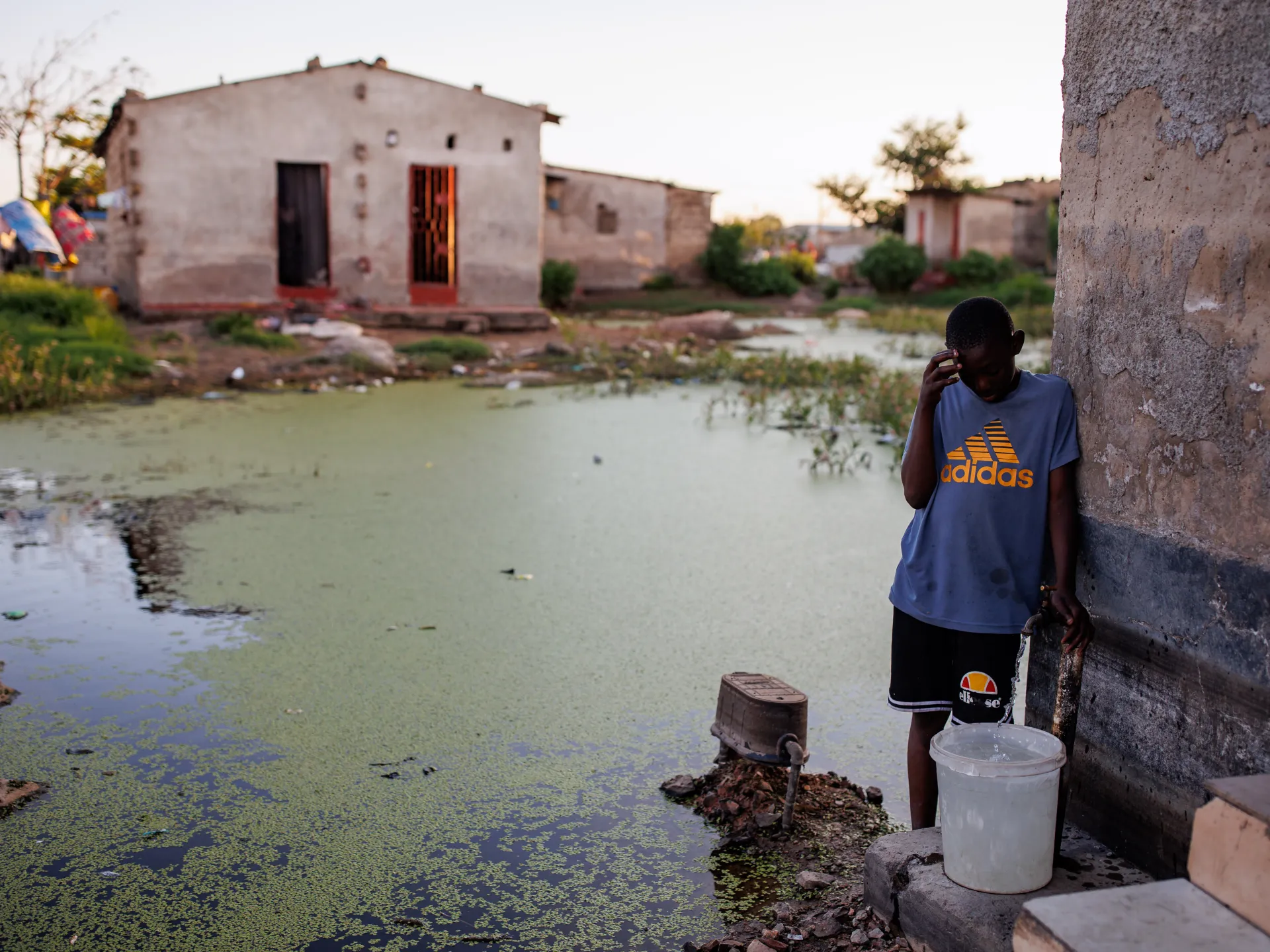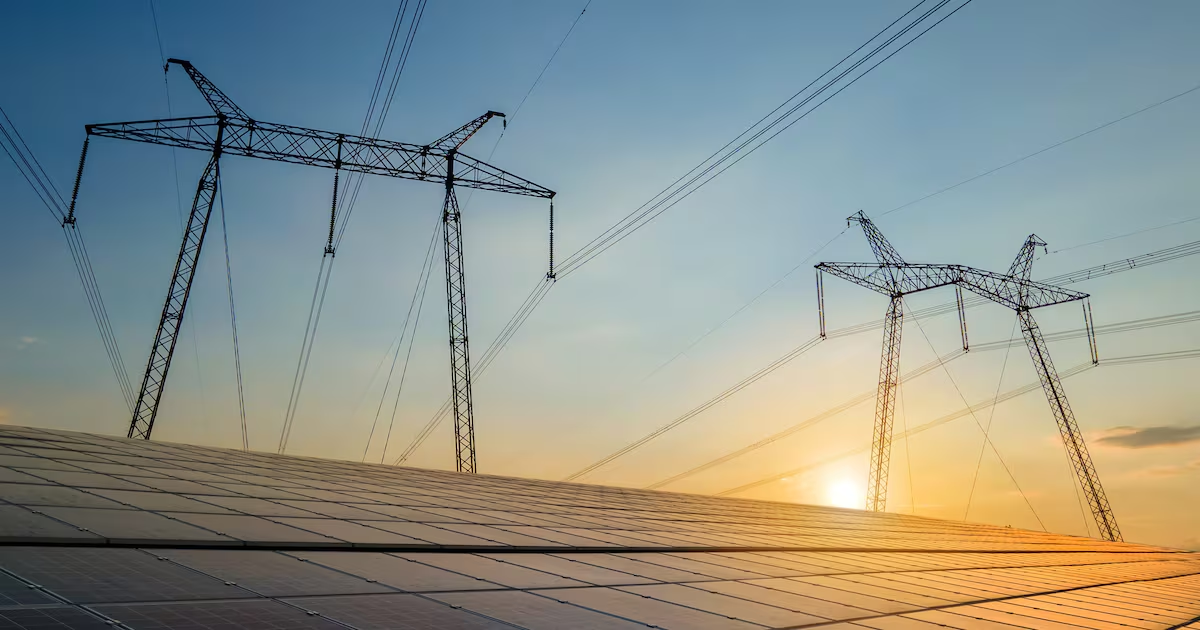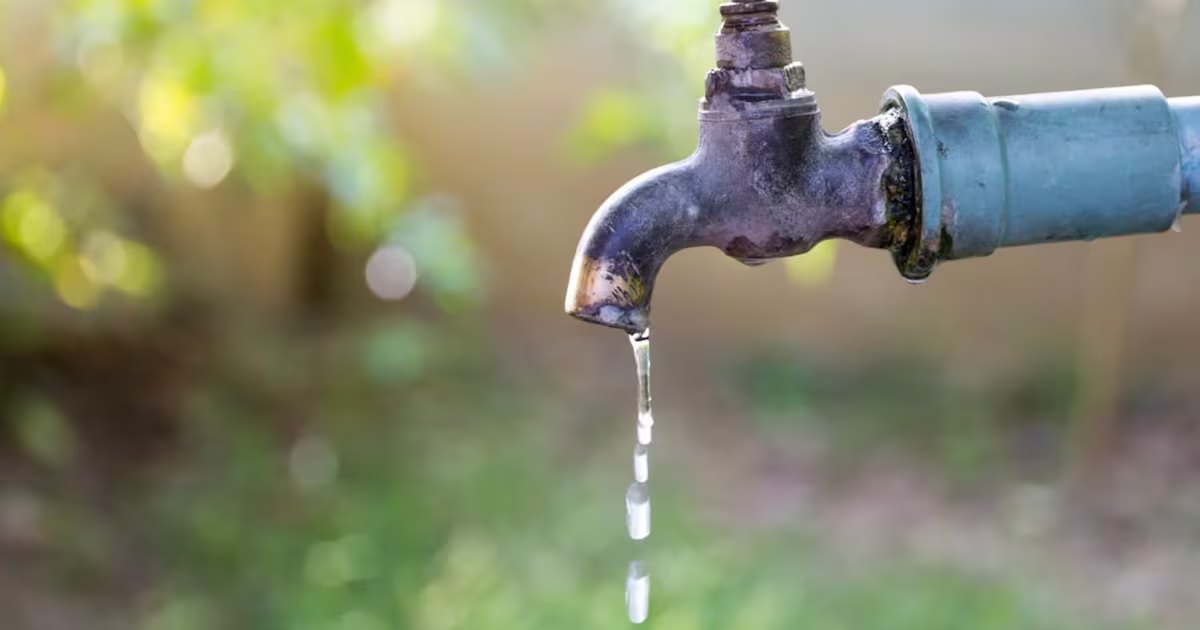
Water is a critical, finite and irreplaceable natural resource essential for wellbeing, health and productivity. It is linked to food security, energy, socioeconomic development and sustainability.As we conclude celebrating Africa Month under the theme, “Assuring sustainable water availability and safe sanitation systems to achieve the goals of Agenda 2063″, we are reminded that access to safe fresh water is vital for meeting daily human needs, supporting industry and agriculture, enabling infrastructure development and protecting ecosystems. Addressing water infrastructure challenges, ensuring water continuity, and strengthening how governments and businesses respond must therefore remain an absolute priority.Globally, while water covers roughly 66% of Earth’s surface, only 2.5% is freshwater, and much of that is trapped in polar ice caps. Agriculture remains the largest consumer of freshwater resources, highlighting the urgent need for sustainable water management and conservation.Data from the World Resources Institute shows that 17 countries, including South Africa, Namibia and Botswana, already face “extremely high water stress”, consuming nearly 80% of their available water annually. Climate change and increasingly frequent droughts are expected to worsen these pressures, with many countries projected to face severe water scarcity by 2040.Without urgent action from governments and businesses, increasing demand and declining supply will deepen Africa’s water crisis.Global water supplies are increasingly under pressure from climate change and poor water management practices. Simultaneously, some countries are naturally endowed with abundant freshwater resources replenished by seasonal rainfall. Global water supplies are increasingly under pressure from climate change and poor water management practicesAlongside these natural freshwater systems, several African countries have developed man-made reservoirs and dams to serve multiple purposes, including irrigation, power generation, fisheries and aquaculture, tourism, sports and recreation and, most importantly, domestic water supply.To achieve the UN sustainable development goals (SDGs) target 6.2 — which aims to ensure safely managed sanitation for all by 2030 — African governments, collaborating with business, must prioritise investment in water infrastructure. The key elements of SDG 6, aimed at achieving universal and equitable access to safe and affordable drinking water for all by 2030, include:Improving water quality and reducing pollution; Investing in water infrastructure, innovation, and technology — including desalination, wastewater treatment, leak-detection systems, smart water meters, and AI-enabled water management solutions; and Strengthening collaboration among governments, the private sector and local communities to promote water conservation, efficiency, recycling and sustainable sanitation management.Across the continent, governments and the private sector must prioritise public-private partnerships (PPPs) as a strategic development initiative. This approach decentralises development activities, encourages active participation by local communities and private entities in decision-making processes and helps ensure projects directly address community needs.Alongside PPPs, governments and the private sector must continue investing in technologies that strengthen water resilience and improve water accessibility. One of the most important interventions is desalination — a critical, climate-independent technology that converts seawater into safe drinking water. While desalination requires substantial energy usage, the growing adoption of renewable energy solutions such as solar power presents a viable path forward. Desalination can play a key role in expanding access to clean and safe drinking water worldwide.Linked to desalination is hydropower. Water and energy are inseparable, meaning that increases or decreases in one immediately affect the other.Dams, which are often financed through hydropower initiatives, contribute not only to water storage and irrigation but also to sustainable electricity generation. They can produce affordable, dependable and renewable electricity to power homes, clinics, schools and workplaces while helping to curb greenhouse gas emissions and strengthen resilience against increasingly extreme weather conditions.As Africa’s population continues to grow, demand for water, food, and energy will continue rising. Food and water security are inseparable, as agriculture depends heavily on clean and accessible water sources for crop yields and nutritional stability.Governments, businesses, communities and individuals all have a critical role to play in water conservation and sustainability by reducing consumption, repairing infrastructure leaks and promoting environmental stewardship.Reducing water pollution therefore requires both individual and collective action, including reducing plastic waste, disposing of waste responsibly, lowering emissions, supporting clean energy and protecting natural ecosystems to improve both air and water quality.Protecting freshwater resources is not only an environmental imperative but essential to safeguard Africa’s long-term food security, economic resilience, and sustainable development.• Traoré is CEO, general insurance, at SanlamAllianz
DELPHINE TRAORÉ | Harness technology in the water campaign
Desalination and hydropower must be part of efforts to build water access resilience for Africa’s sustainable growth
698 words~3 min read