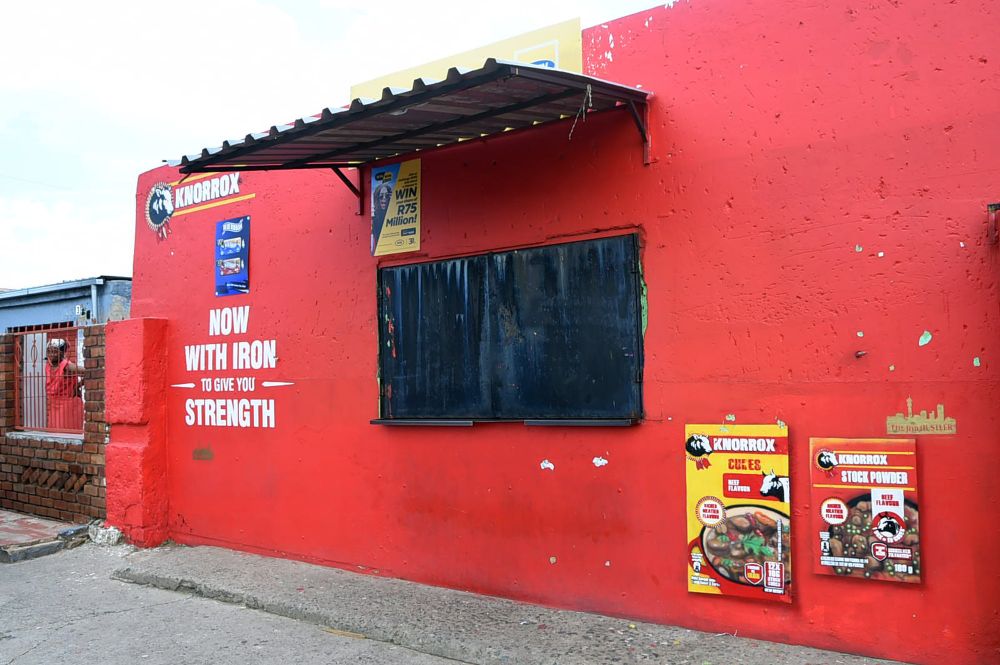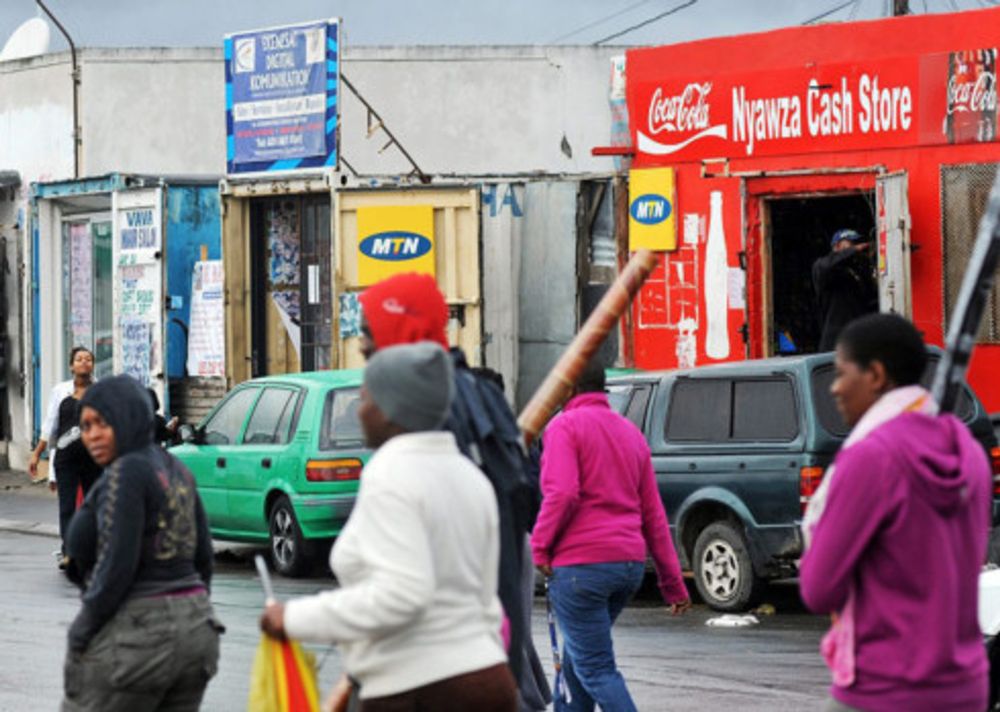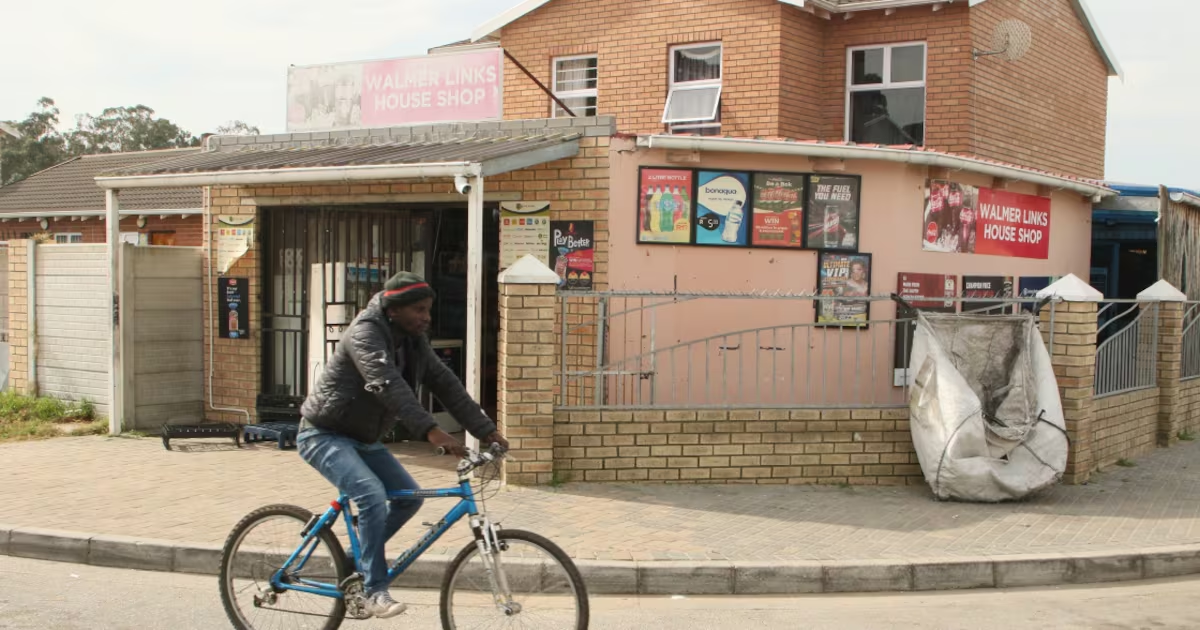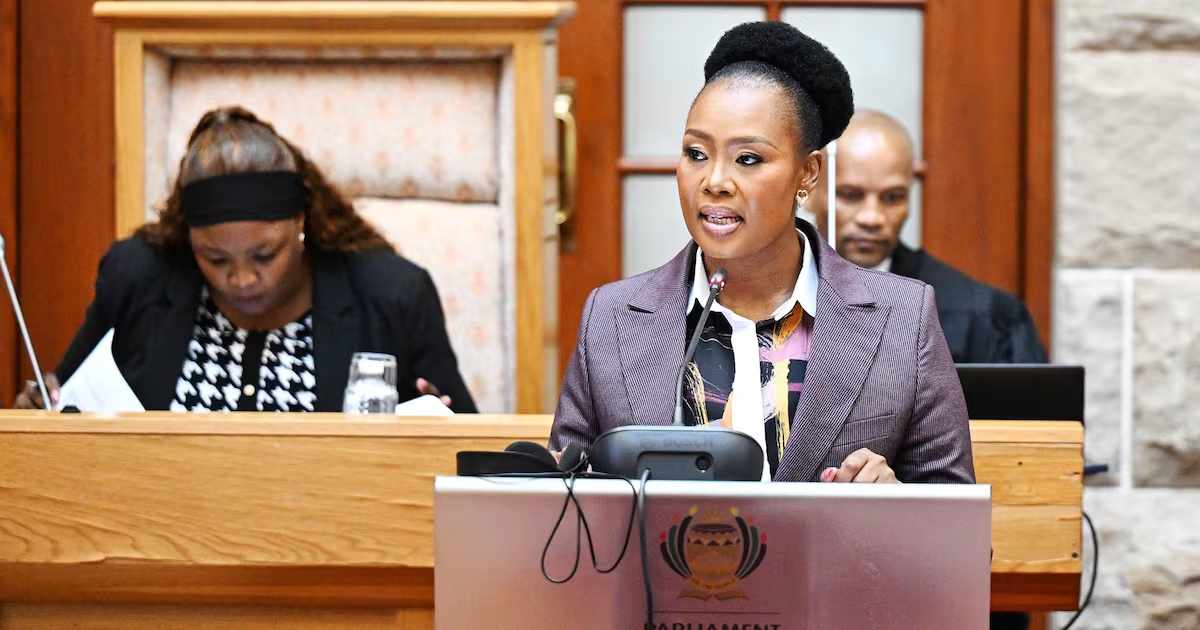
The department of small business development last week tabled a R3.036bn budget, positioning SMEs as crucial conduits to South Africa’s economic recovery.The government has committed to supporting a million SMEs over the current administration, with R710m allocated to township and rural entrepreneurship programmes and R215m earmarked for productive assets to support roughly 860 small businesses.On paper, the figures sound impressive, but the impact is not as significant as the political framing suggests.In fact, the entire allocation is reportedly only enough to fund around 10 fully resourced business hubs nationwide. In a country with millions of informal traders, township entrepreneurs and early-stage businesses already hustling to survive in an economy stacked against them, it does little to move the needle.The language is consistent, and all the familiar commitments, including improving access to finance, reducing red tape, and expanding youth and women-led enterprise support, are present. The intent appears sincere, but the problem, as always, lies in the execution, capacity and delivery.For years, small business development in South Africa has been treated as something that can be engineered through government departments and state agencies. Yet entrepreneurs continue to describe a system that is slow, fragmented and often disconnected from the realities of running a business.The Small Enterprise Development and Finance Agency (Sedfa), which receives a significant portion of the department’s transfers and subsidies, continues to face criticism around delays, rigid funding requirements and administrative processes that often exclude the very entrepreneurs it is meant to support.The issue is that the government is still trying to act as both regulator and business builder at the same time, and these are two very different responsibilities.The government’s most effective contribution will not be attempting to run entrepreneurship itself but creating the conditions in which entrepreneurship can grow. Stable policy, faster licensing, functional infrastructure, predictable regulation and greater access to markets without excessive bureaucracy are good places to begin.The actual work of building and scaling businesses depends primarily on partnerships with private sector operators, financiers, incubators and ecosystem players who engage with entrepreneurs daily.The government’s most effective contribution will not be attempting to run entrepreneurship itself but creating the conditions in which entrepreneurship can grow. I have said it time and time again. South Africa does not have a shortage of entrepreneurs, ideas or ambition. It has systems that inhibit operational support, growth and speed. The current environment is too restrictive, exhausting small business owners before they even reach sustainability.This budget speaks about partnerships, but very little funding appears to be flowing towards private sector-led enterprise development at scale. Business ecosystems cannot grow through policy speeches alone. They grow through execution, mentorship, supply chain access, working capital, market connections and institutions that move at the speed of business rather than the speed of administration.If the government is serious about helping SMEs scale, then more of this funding should flow through partnerships with organisations that already understand what it takes to build sustainable businesses. Departments should not be expected to act as venture builders, incubators and financiers on their own. That expertise already exists in the private sector and should be leveraged far more aggressively.This disconnect becomes even clearer inside township economies. Just last week, residents in one Cape Town suburb reportedly faced the threat of fines as high as R800,000 or even imprisonment for operating small businesses from their homes.Growing national concern about informal and unregistered trading networks operating beyond effective regulatory oversight in township economies is understandable. Many township businesses are competing in an environment where compliance is more punishing for small, struggling operators than for larger, better-resourced informal networks that continue to operate unchecked.The result is predictable. Entrepreneurs disengage; some remain informal because formalisation is too expensive, too slow or too complex; and others give up on state systems altogether.The same trust deficit is emerging around the R500m Spaza Shop Support Fund. Industry associations have raised concerns about transparency in allocations and administrative delays, with reports indicating that only a fraction of applications had been processed months into the programme. Allegations of fronting and inefficiency further weaken confidence in the system, and when trust collapses, participation follows.Small businesses already carry a disproportionate share of South Africa’s economic hope, and the last thing they need is another cycle of ambitious announcements that struggle to translate into real businesses on the ground.What South Africa needs now are systems that function, institutions that respond quickly and partnerships that recognise the government cannot be the sole architect of entrepreneurship.• Mtwentwe is MD of Vantage Advisory and host of the SAICABIZ Impact Podcast
LUNCEDO MTWENTWE | Budget millions mean nothing to entrepreneurs trapped in bureaucracy
Township entrepreneurs face fines, delays and administrative hurdles
754 words~3 min read