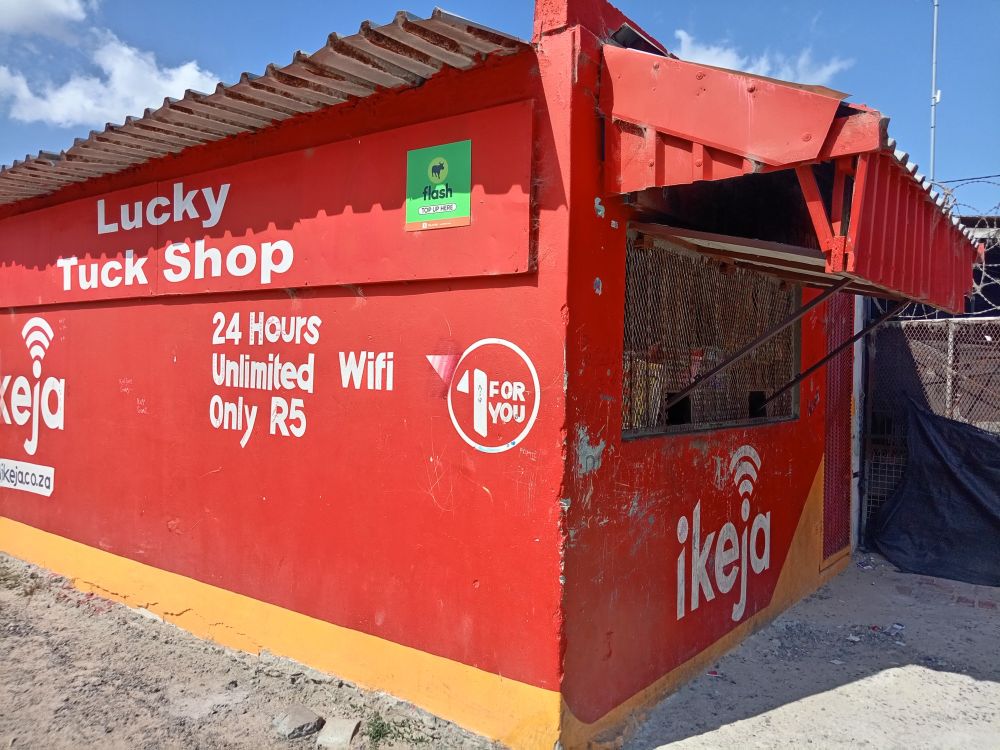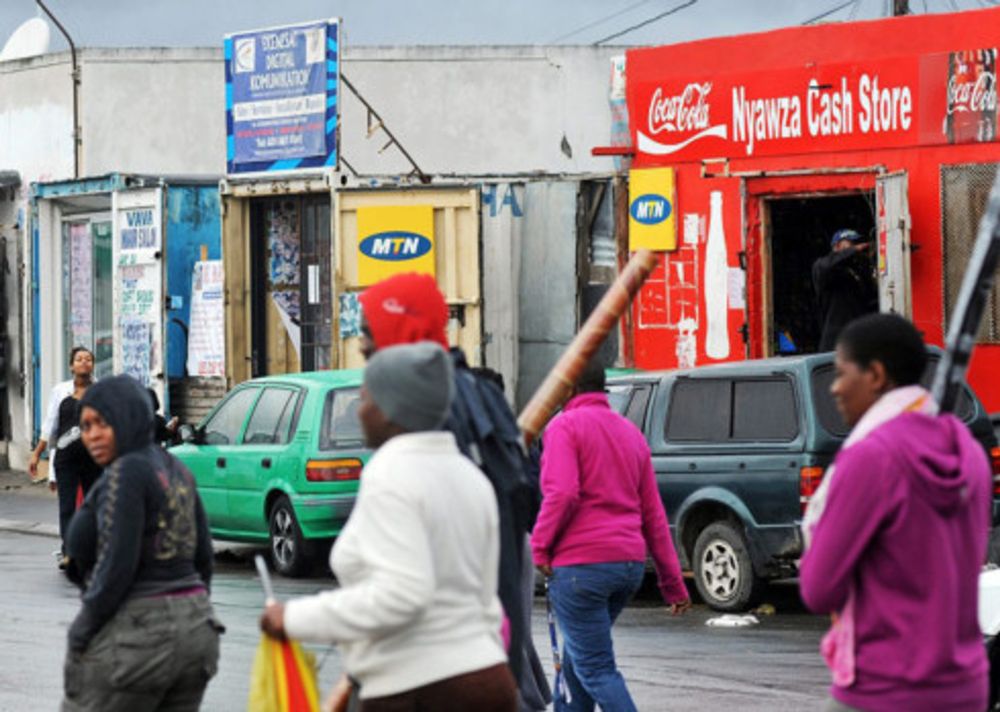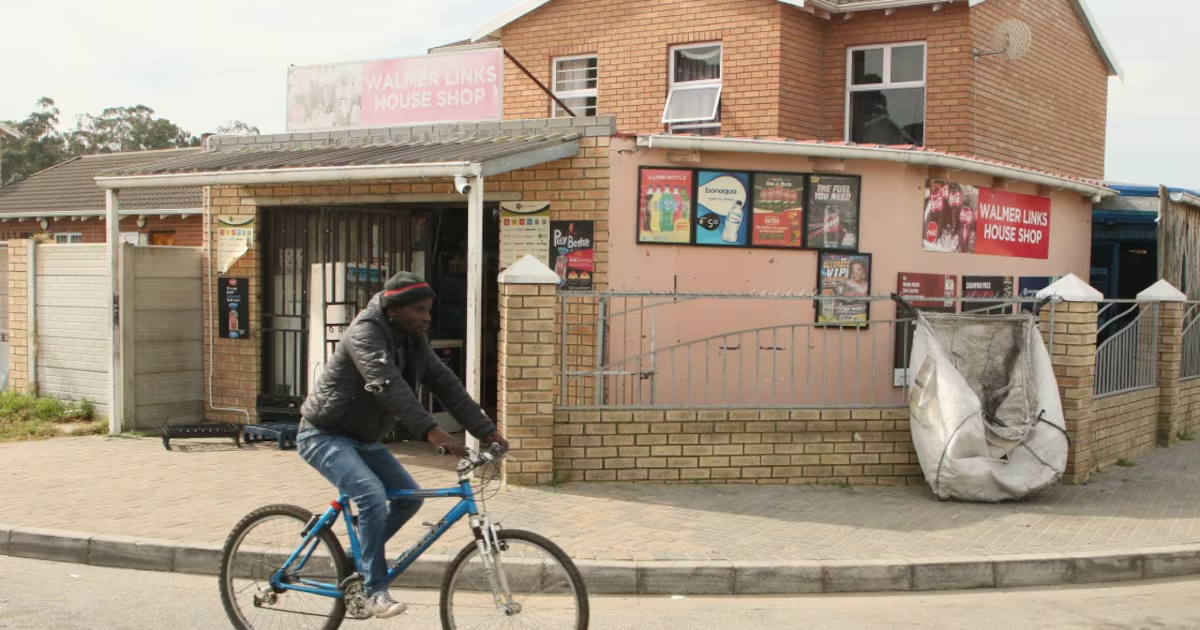
Many aspects of South African society are overregulated or are regulated in ways that are simply impractical. We are drowning in legal and regulatory complexity that takes no account of the capacity of the state to implement. There is also very little account of the unintended consequences of these rules and how they play out in the real world. Take the regulation of informal business as an example. Many people champion the potential of small business and the informal sector to create jobs and sustain livelihoods. But the practical obstacles are formidable, especially at the local level. Even the City of Cape Town, usually the bastion of effective local government, seems to be falling into the trap of senseless regulation. According to an article carried in News 24, the city has issued letters to several pensioners in Hanover Park, ordering them to stop selling sweets and baked goods from their homes as their houses are not zoned for business. The activity is therefore illegal under the city’s bylaws and can attract a fine of up to R80,000 or up to 20 years in prison. The threat of a hefty fine or prison and a criminal record ― all for running a township micro enterprise. Spaza shop owners and women running early childhood development (ECD) centres face similar senseless obstacles. I spoke this week with a spaza shop owner who tried to get a licence from the City of Johannesburg. She was told to submit her title deed (difficult to acquire in many townships), rezoning application (an expensive process), building plans, engineering drawings and parking provision. The cost of attaining these documents exceeded R100,000. ECD practitioners are in a similar position, spending significant time and money trying to acquire town planning documentation so they don’t fall foul of the law. If you don’t have this licence, you are either vulnerable to the fines and jail terms threatened by Cape Town or to extortion from the Joburg metro police, who ask to see your licence and, if you don’t have one, demand payment. The question here is what we are trying to regulate. What is the state trying to achieve? In the case of spaza shops and ECD centres the key is health and safety. We need to ensure the shop does not store rat poison alongside food and that its food products are safe. We need to ensure ECD centres adhere to basic building standards and have fire extinguishers and safe toilets. If you don’t have this licence, you are either vulnerable to the fines and jail terms threatened by Cape Town or to extortion from the Joburg metro police, who ask to see your licence and, if you don’t have one, demand payment. None of this is achieved by town planning information such as zoning, title deeds or complex property schedules. Micro businesses should be asked for information that ensures health and safety outcomes: fire prevention, ventilation, food storage and basic engineering checks. The local authority should facilitate this rather than arriving with a big stick. The recently published Business Licensing Bill attempts to address the problem but may have unintended consequences. It requires all businesses to register with the local authority unless exempted by the minister. Failure to do so is an offence. It then directs local authorities to create simplified systems to help small businesses but relies on them to figure out how to do this. In practice, the requirement to register will impose a new burden on micro enterprises and make them vulnerable to extortion. The bill should remove the need for town planning compliance for micro enterprises and instead get the local authority to focus on health and safety. Much could be achieved through a simple digital licensing process facilitated by national authorities. In the absence of a sensible approach to regulation, we will continue to impede the small business activities that could enable many families to thrive. • Bethlehem is an economic development specialist and partner at Genesis Analytics. She has worked in the forestry, renewable energy, housing and property sectors as well as in local and national government. She writes in her personal capacity.
LAEL BETHLEHEM | Red tape stifles SA’s small business potential
Business Licensing Bill risks deepening hurdles for struggling entrepreneurs
690 words~3 min read