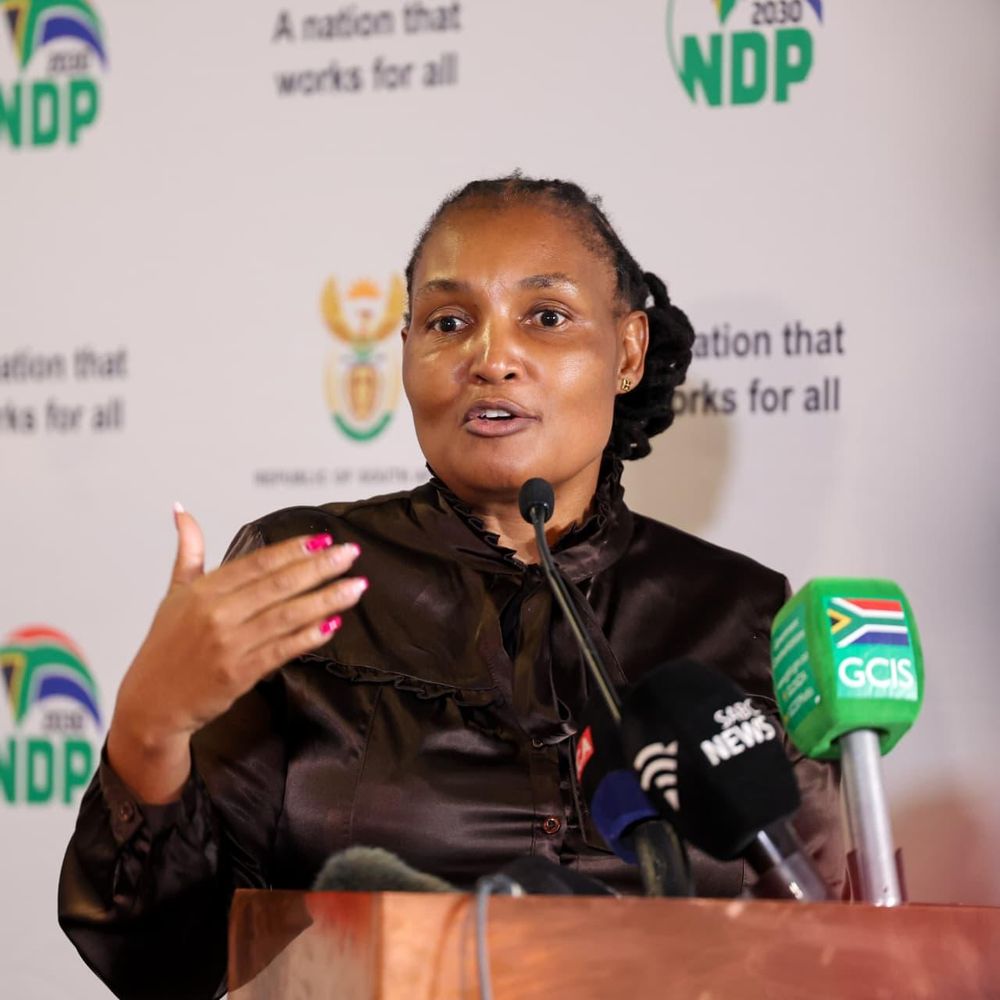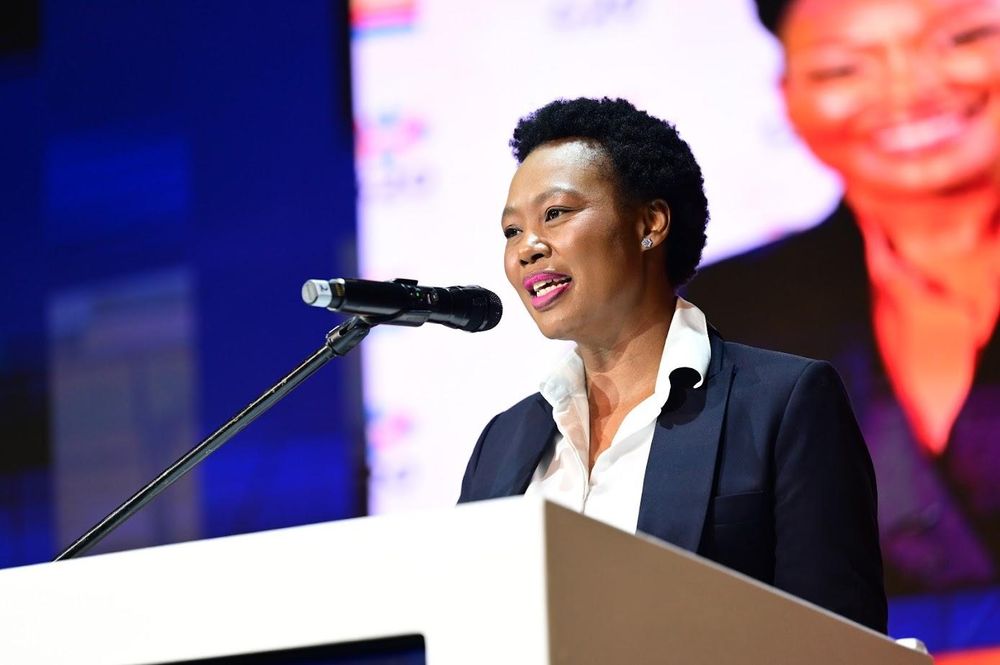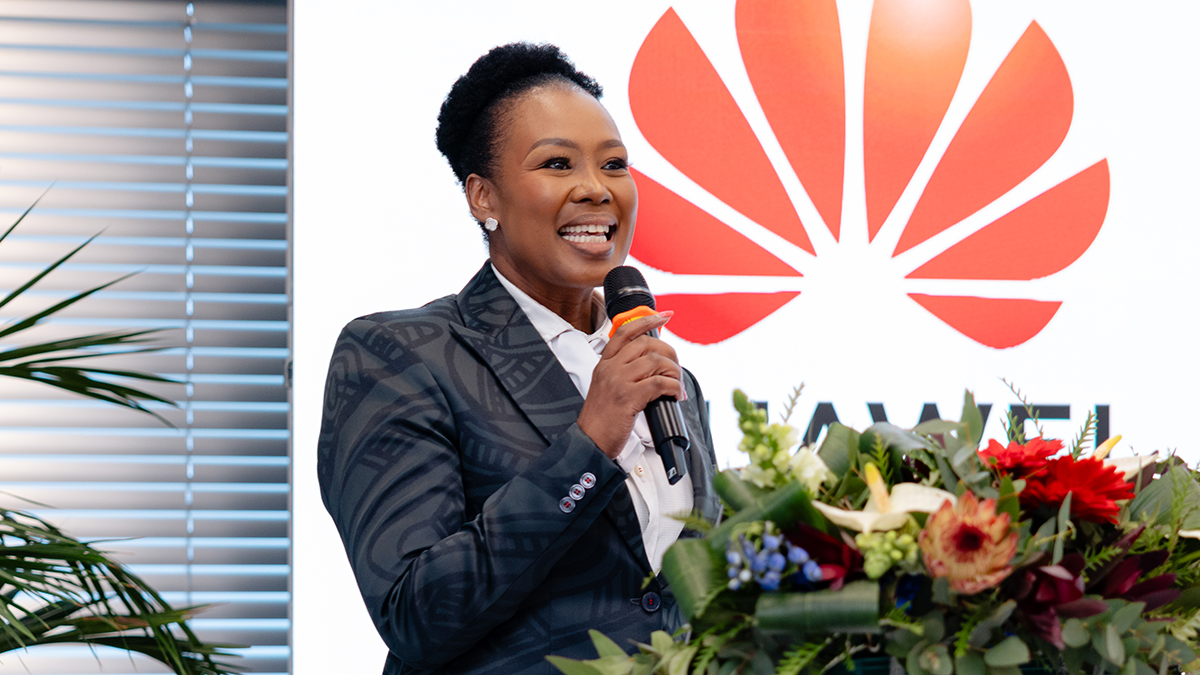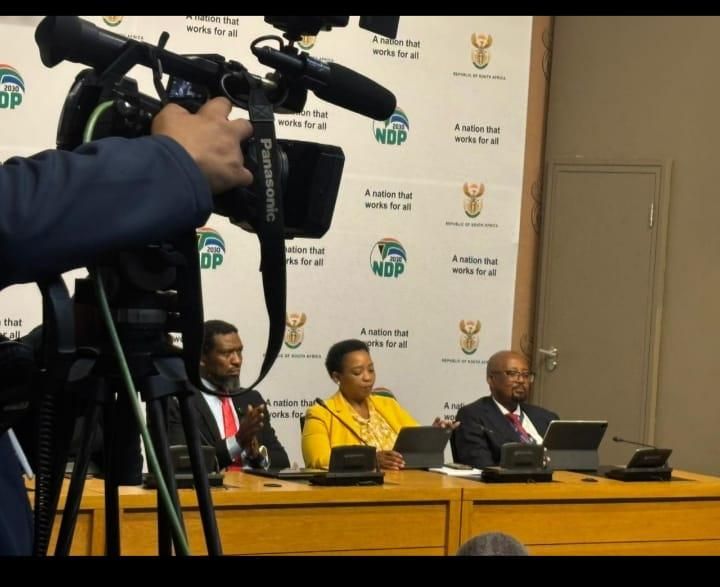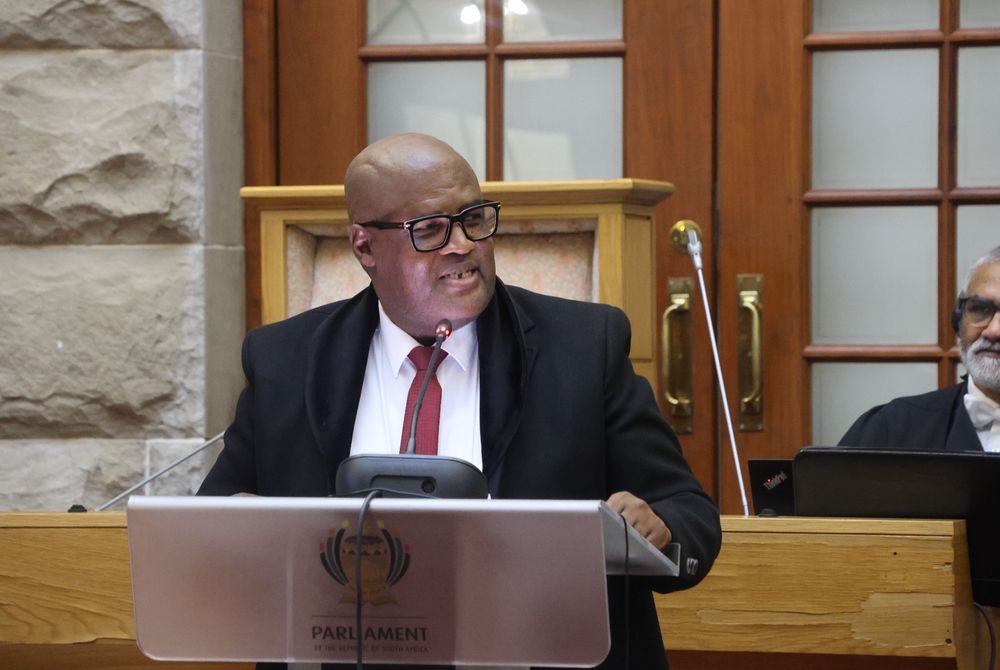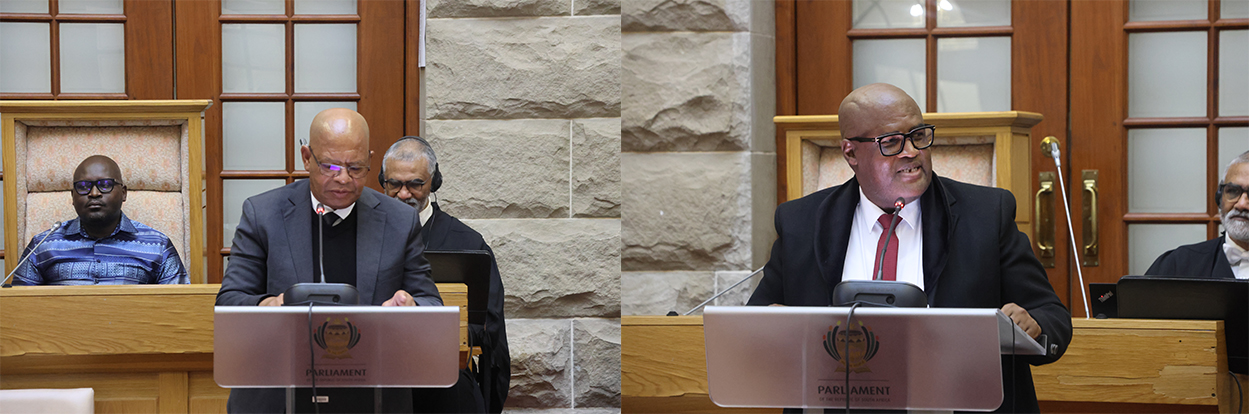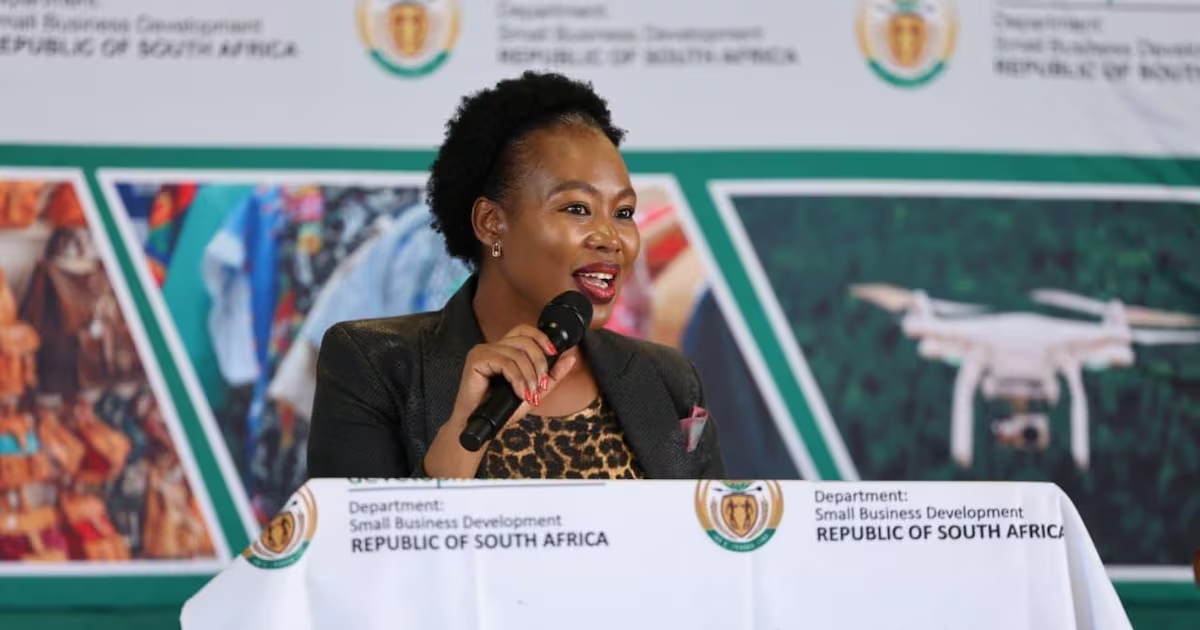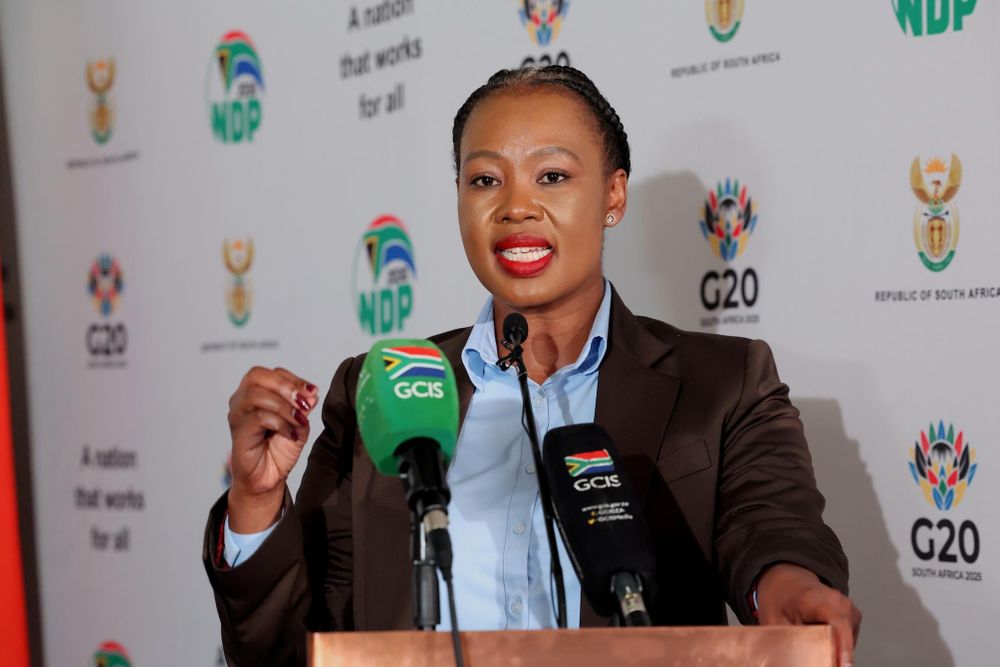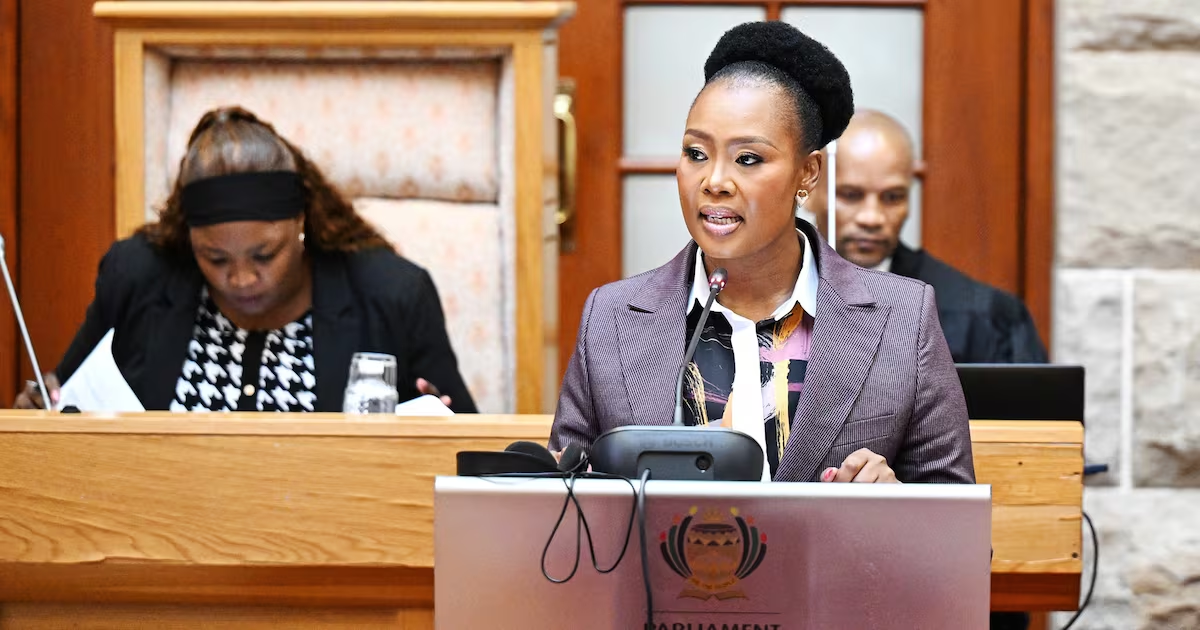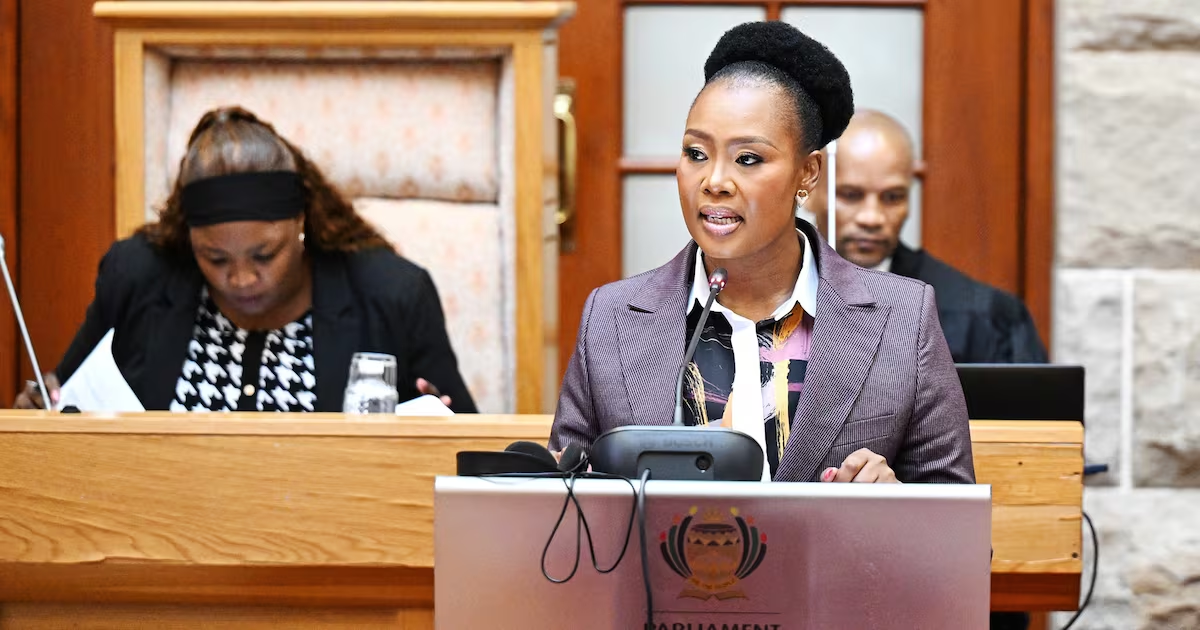
Small business development minister Stella Ndabeni recently delivered Budget Vote 36 in Parliament. Her address focused on how the department of small business development would allocate its resources. But she did not begin with numbers; she began with memory.Ndabeni anchored her address in the emotional and political symbolism of 2026. Fifty years since the Soweto Uprising, 70 years since the Women’s March, and 30 years since the adoption of the Constitution.It was not accidental framing. Ndabeni’s speech attempted something larger than administrative reporting. It sought to connect economic participation to liberation itself.The underlying argument of her address — watch the recording below — was quietly provocative. Political freedom without economic inclusion is incomplete business.This was not merely another departmental budget presentation. It was a defence of the township entrepreneur, the rural cooperative, the informal trader, the young graduate selling products through Instagram and WhatsApp because the formal labour market has excluded them.If one stripped away the parliamentary formality, Budget Vote 36 was essentially asking a difficult national question. What happens to a democracy when millions are politically free but economically peripheral?Ndabeni’s answer is small business. Not as a side character in the economy, but increasingly as its emotional and operational centre.The minister repeatedly returned to the National Development Plan’s assertion that almost 90% of new jobs will come from small enterprises. The state is no longer speaking about micro, small and medium enterprises (MSMEs) in terms of “side hustles” and survivalist activity. It is now speaking about them as infrastructure. As necessity. As among the most plausible absorbers of unemployment.And the numbers tabled suggest government is trying to operationalise that shift.The department of small business development has set itself the target of supporting a million MSMEs and cooperatives during the Seventh Administration. Last year alone, over 288,000 enterprises received support, with more than 117,000 accessing financial assistance.In government language, those are outputs.In real life, those are school fees, payrolls, stock purchases, machinery, rent payments and somebody’s mother finally getting the business funding commercial banks politely denied her for years.The speech became considerably more compelling when it moved away from institutional jargon and into human stories.Lived economic changeNdabeni referenced Mahapa Raisibe Matlhako, a young black female manufacturer from Roodepoort producing hygiene and wellness products now stocked through Boxer Super Stores. Her business received R13.8m through the manufacturing support programme of the Small Enterprise Development and Finance Agency’s (SEDFA) Manufacturing Support Programme, creating 32 jobs.A young black woman entering national retail supply chains is not merely a business success story. It is an intervention into ownership patterns that have historically excluded people from meaningful industrial participation.Then came the story that perhaps best captured the emotional thesis of the speech.Thenjiwe Tsabedze, backed through an R80m funding package, acquired the Protea Hotel in Mahikeng and renamed it Indalo.There was something symbolically potent in the minister’s phrasing when she noted that under apartheid, Tsabedze may not even have entered the establishment through the front entrance. Today, she owns it. She signs contracts, and employs staff.That was the speech in miniature. Economic transformation not as abstract policy, but as the transfer of power, access and ownership.Of course, Ndabeni was equally aware that inspiration without infrastructure collapses quickly in South Africa.Supporting businesses to scaleThis explains the heavy emphasis on township and rural economies.The department of small business development has allocated R710m towards the Township and Rural Entrepreneurship Programme this year after disbursing more than R829m to over 111,000 MSMEs in the previous cycle. Importantly, the funding threshold has increased from R1m to R3m.This detail may sound technical, but it reflects a deeper policy shift. South African entrepreneurs have often historically been financed just enough to survive but rarely enough to scale. The difference between subsistence and growth lies in access to meaningful capital rather than symbolic allocations.The Asset Assist Programme similarly reflects a growing awareness that debt cannot be the only route through which entrepreneurs access opportunity. Through this programme, businesses receive productive assets rather than loans. Last year, R190m supported 938 MSMEs. This year, the allocation rises to R215m.Widening market accessThe minister also spoke directly about market concentration.Entrepreneurship is frequently encouraged in theory while market access remains tightly concentrated in practice. It means many small businesses are launched into economies they cannot meaningfully penetrate.Government’s response appears increasingly interventionist. Retail shelf placement, supplier development, export readiness and procurement pipelines are now being treated as mechanisms of economic correction rather than optional developmental extras.Last year, 250 products were placed onto shelves and 293 MSMEs secured contracts or purchase orders. This matters because market access, not motivation, remains the defining struggle for many small businesses.The financing commitments announced were equally ambitious:Black-owned enterprises received R2.3bn last year.Women-led businesses received R1.2bn.Youth-owned enterprises received R501m.Township enterprises received R383m.These allocations reveal where government believes exclusion still lives. They also show an administration trying to reposition enterprise funding as a tool of economic redress.Among the more notable announcements was the R300m Imbali for Her Fund aimed at women-owned businesses, alongside a R300m Youth Entrepreneurship Fund expected to launch during Youth Month.A R150m Creative Sector Fund also stood out. South Africa’s creative economy has long survived on cultural excellence and financial neglect in almost equal measure.Perhaps the most consequential intervention, however, may be the R1-billion in supplier and credit guarantees through Khula Credit Guarantee.South Africa does not necessarily suffer from a total absence of money. It suffers from concentrated risk appetite. Many entrepreneurs are bankable in theory but invisible in practice. Guarantee instruments attempt to close that trust gap.The department’s overall allocation for 2026/27 stands at just over R3bn, with around R1.9bn directed towards SEDFA.Still, beneath the optimism of the speech sat quieter realities that Ndabeni herself seemed aware of.Can entrepreneurship truly absorb unemployment at the scale South Africa requires? Can small businesses survive load-shedding, weak infrastructure, shrinking consumer spending and highly concentrated markets? Can government move faster than bureaucracy traditionally allows?The minister did not pretend these contradictions do not exist. But she appeared to suggest that abandoning small business development was no longer an option.Because increasingly, small businesses are not simply participating in South Africa’s democracy. They are central to upholding its economic promise.• About the author: Zipho Dolamo is a freelance business writer who helps individuals and organisations communicate their ideas with purpose and impact.This article was sponsored by the department of small business development.
Ndabeni bets on small business to deliver on South Africa’s democratic promise
SPONSORED | Small business development minister Stella Ndabeni’s Budget Vote 36 address positions MSMEs as a central pillar of economic inclusion
1,052 words~5 min read