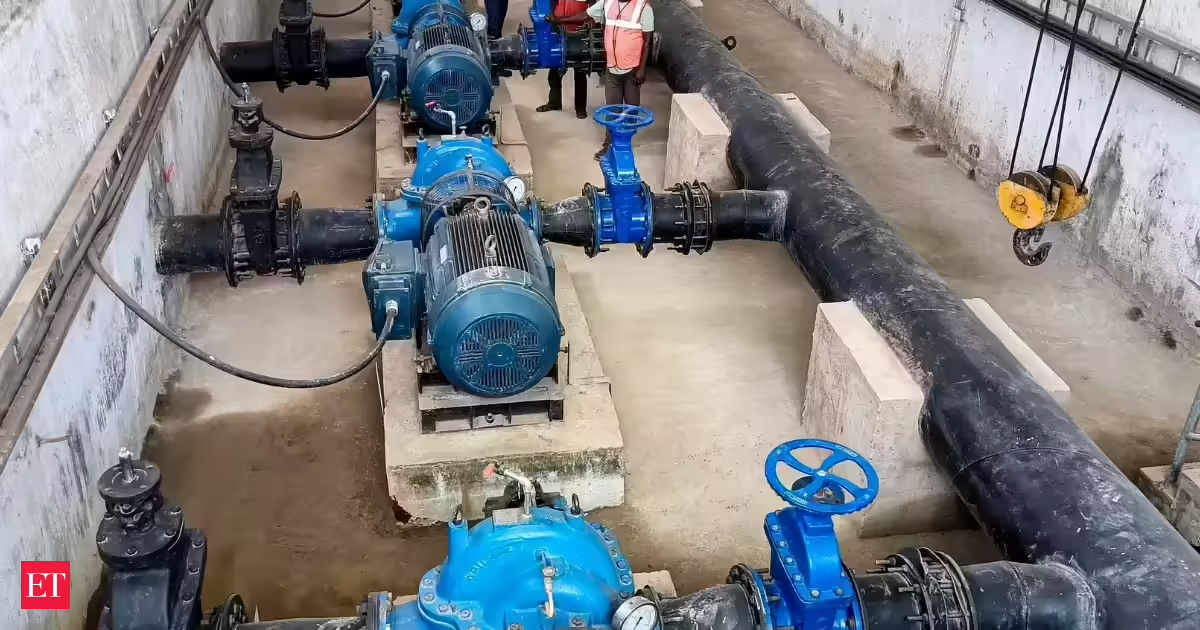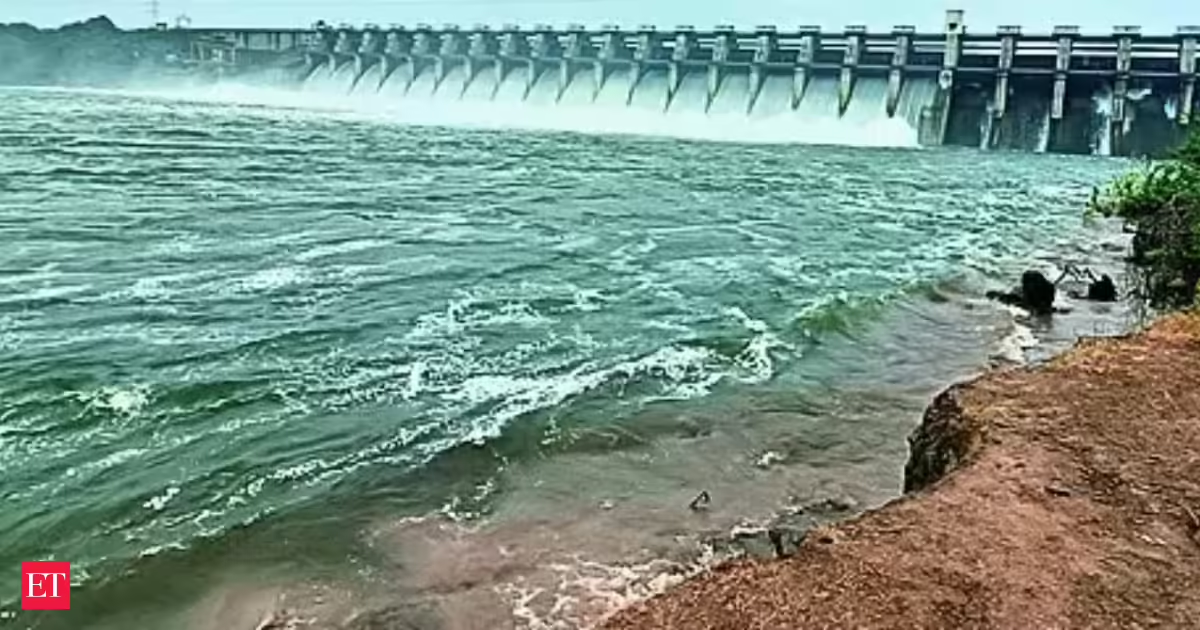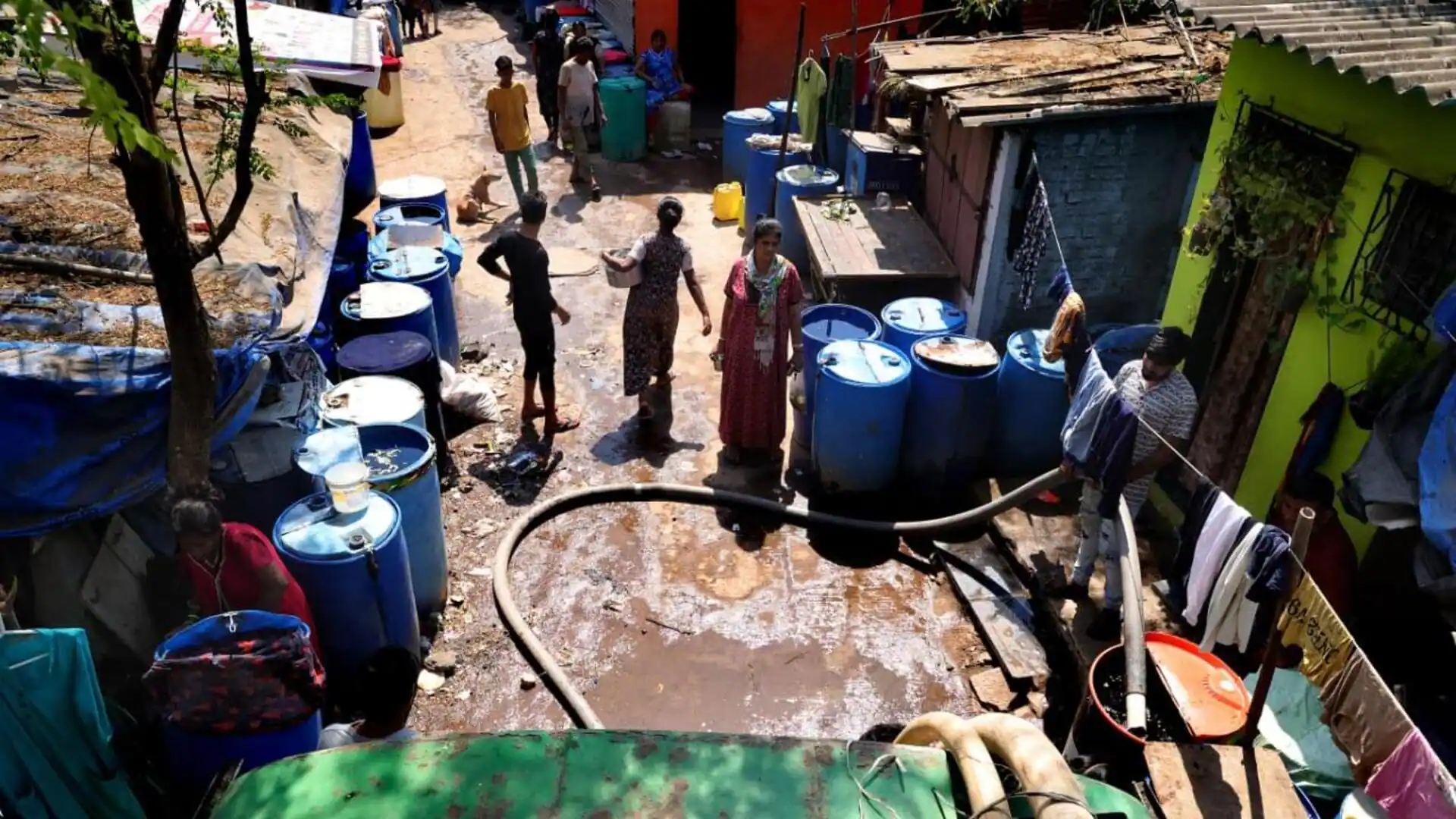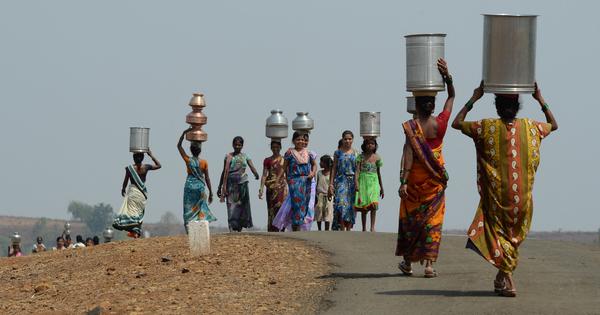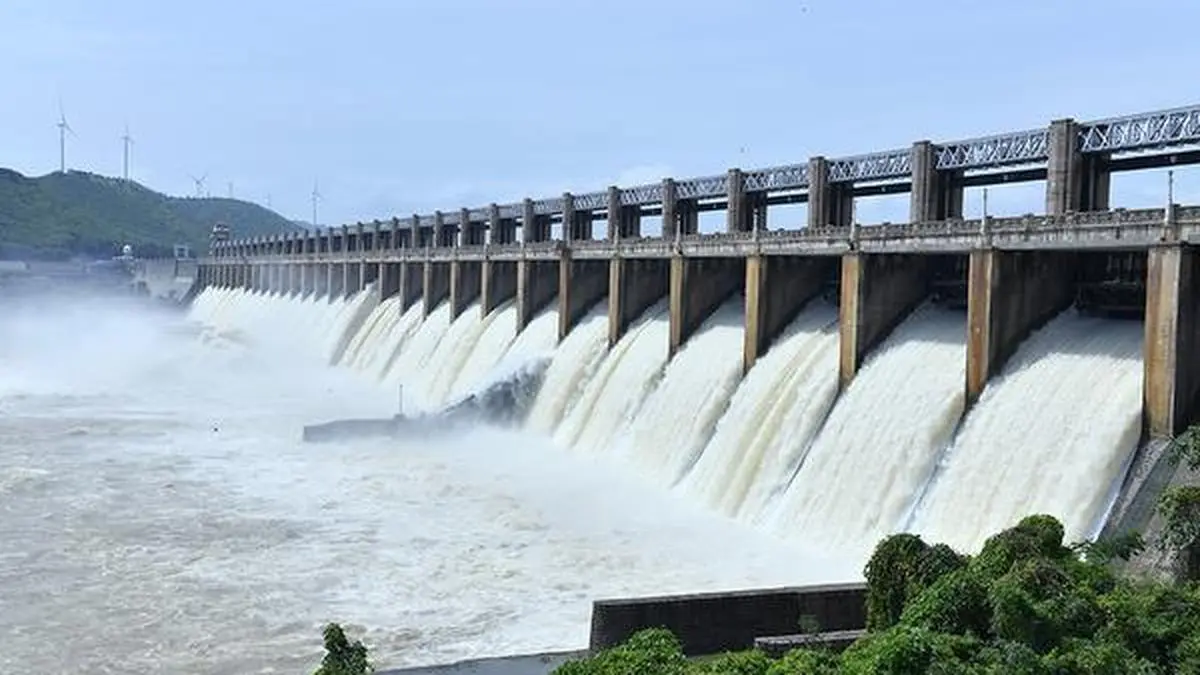
URAN: Uran’s water worries are back. With storage in the Ransai dam, the taluka’s primary source of drinking and industrial water, falling to 86 feet and the monsoon yet to deliver meaningful rainfall, officials say the remaining stock may last only until June 30, raising fears of fresh water cuts if rains are delayed further.Delayed rains put Uran’s water supply under strainThe Ransai dam currently supplies around 30 MLD against a daily requirement of nearly 41 MLD, creating a shortfall of about 10 MLD. MIDC officials said available stock is being carefully managed to stretch supplies through June.According to Maharashtra Industrial Development Corporation (MIDC) officials, the reservoir level on Friday was 86 feet, compared to 96 feet on the same date last year. Unlike 2025, when pre-monsoon showers had already begun replenishing the dam by late May, this year has seen little rainfall, leaving the region heavily dependent on dwindling reserves.“The fact that water cuts had to be imposed as early as December shows how vulnerable Uran has become to recurring shortages. Every year residents worry whether supplies will last until the monsoon,” said Deepak Mhatre, a resident of Uran.The latest concern comes months after MIDC imposed two-day weekly water cuts across Uran in December 2025 as reservoir levels dipped sharply. The restrictions affected residential areas, commercial establishments and industries.Built in 1971 at Dighode village, the Ransai dam supplies water to Uran town, surrounding villages, industries, government establishments, JNPA, ONGC and BPCL facilities, naval installations and the Uran Gas Turbine Power Station. Nearly two lakh people depend on the reservoir.Residents and activists say the problem has become cyclical. Rapid urbanisation, industrial expansion and growing port-linked activity have steadily pushed demand beyond the reservoir’s capacity, while years of silt accumulation have reduced effective storage.“The dam overflows during good monsoon years, but we continue to face shortages every summer because long-pending proposals to increase storage capacity and desilt the reservoir have not moved forward,” said activist Prashant Patil.MIDC has been supplementing supplies from the Hetawane and Barvi dams, but shortages continue to surface almost every summer. With no major rainfall yet in sight, residents fear stricter rationing may become inevitable if the monsoon arrives late.
Delayed rains put Uran’s water supply under strain
The Ransai dam currently supplies around 30 MLD against a daily requirement of nearly 41 MLD, creating a shortfall of about 10 MLD | Mumbai news
363 words~2 min read