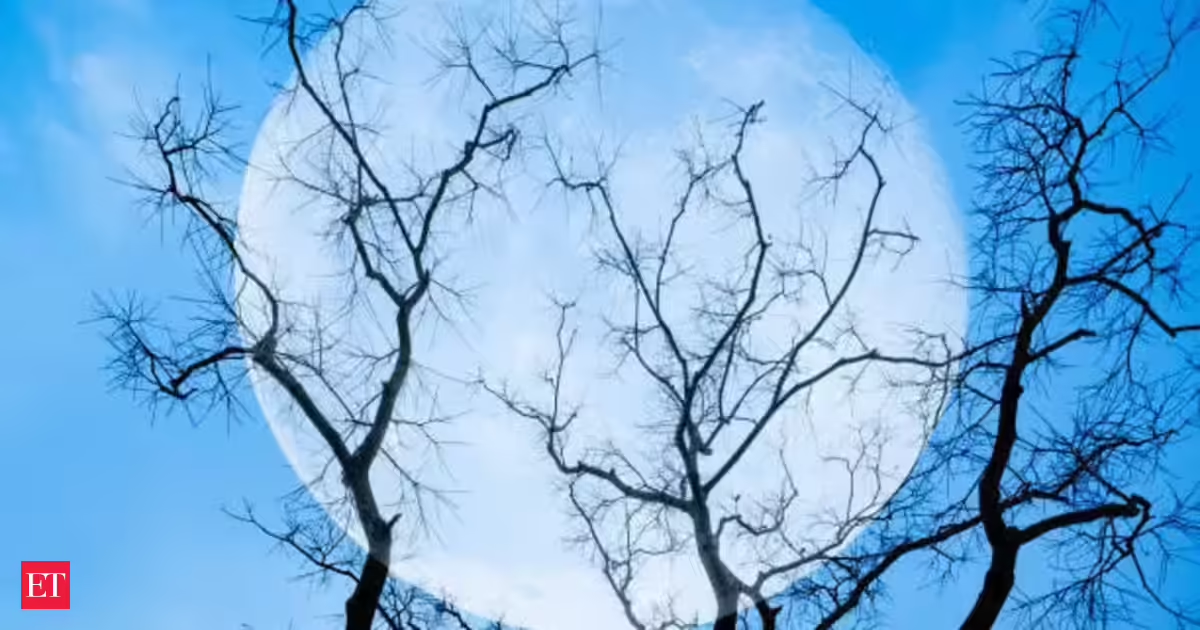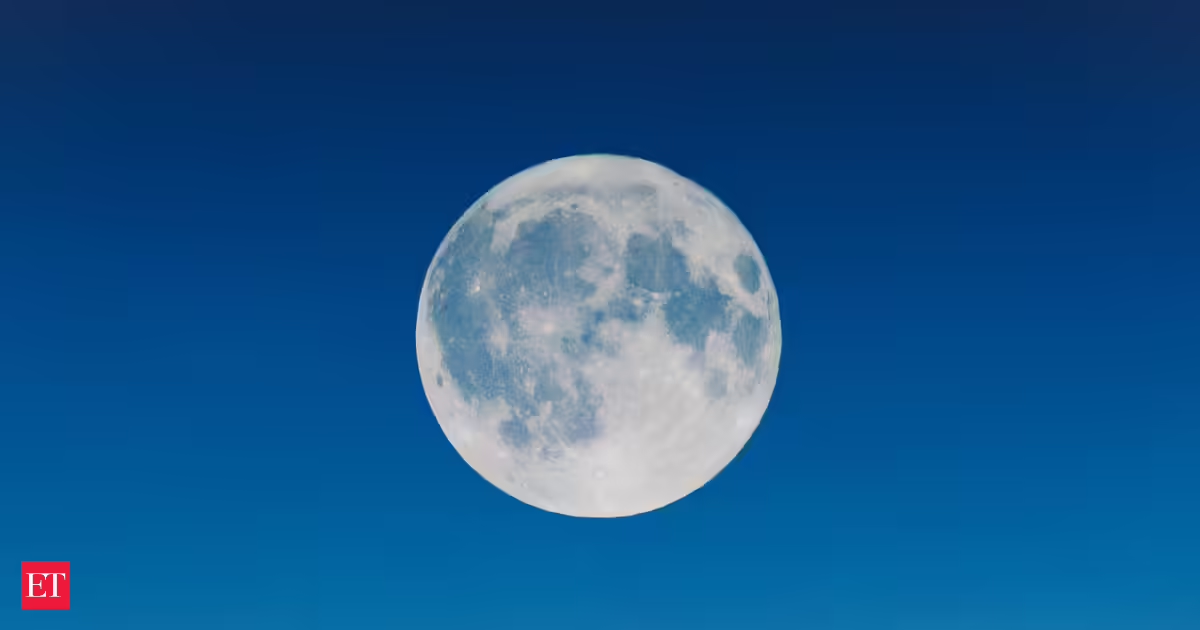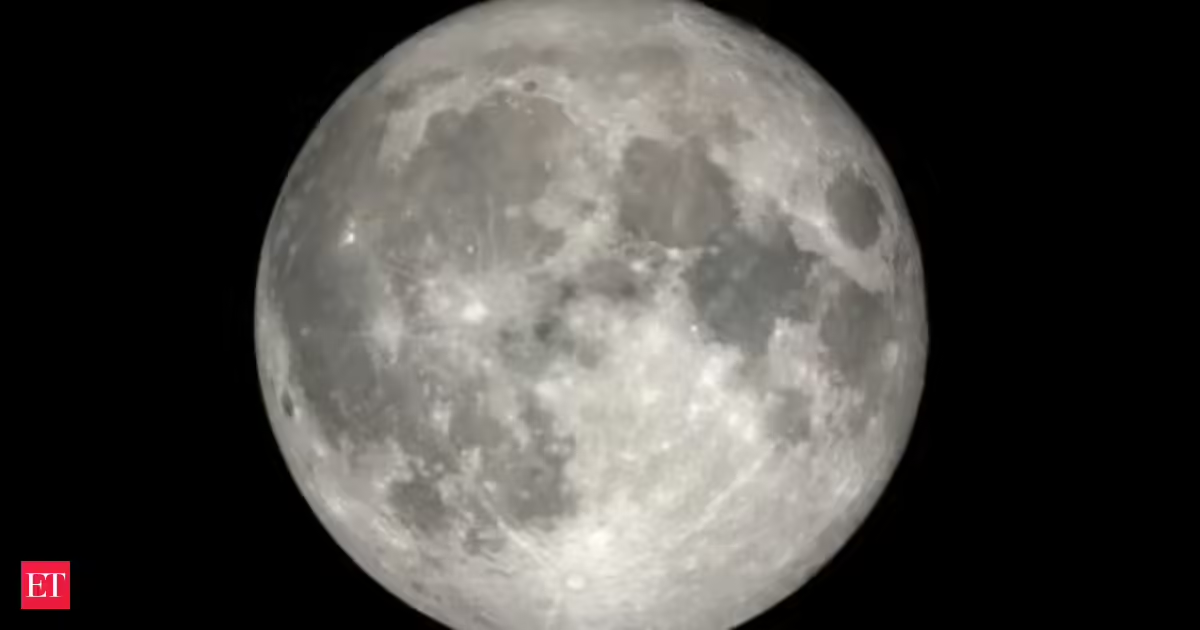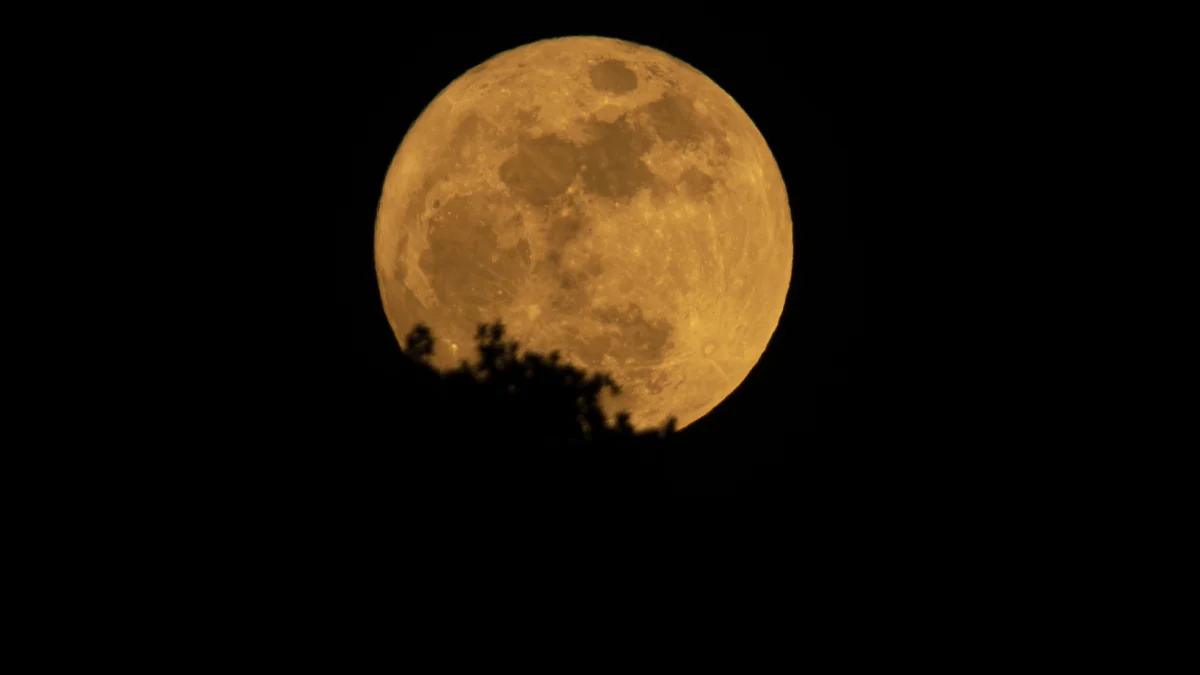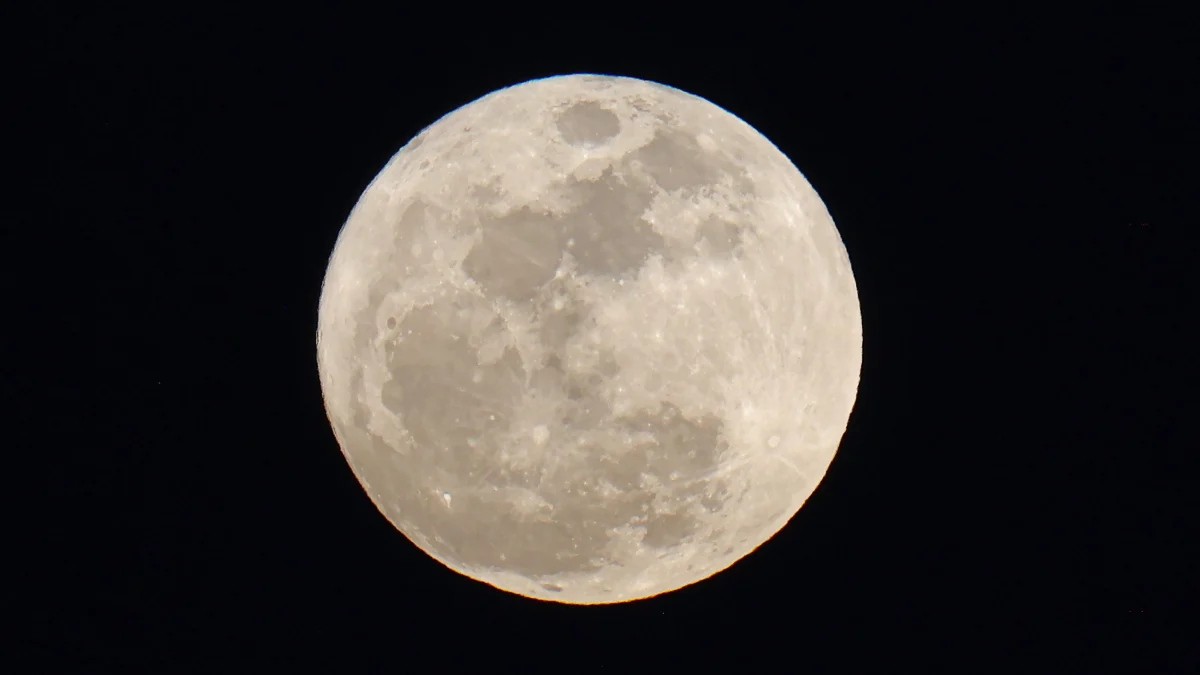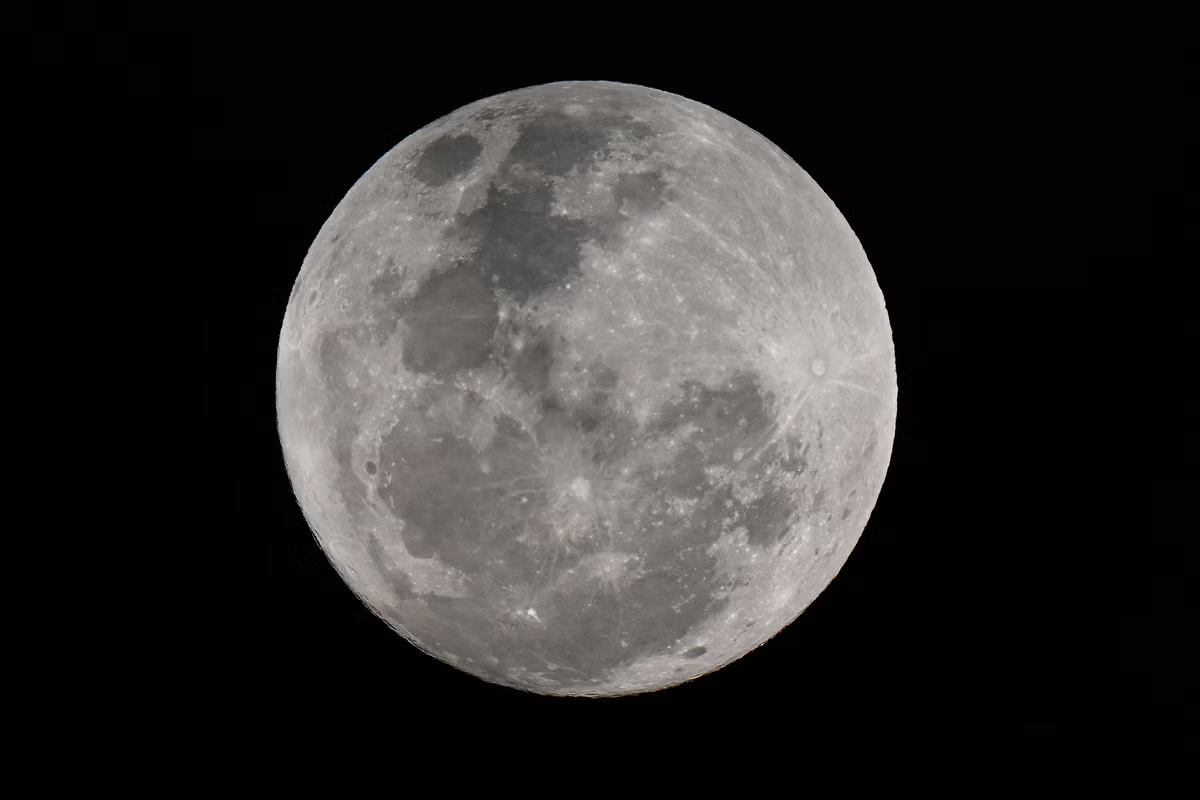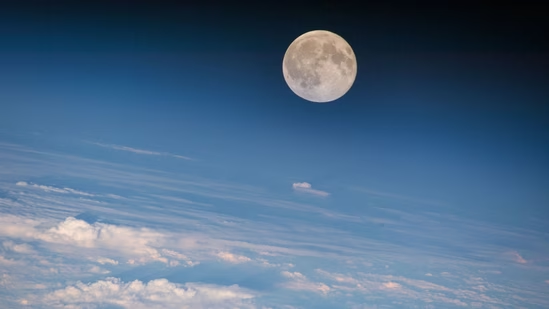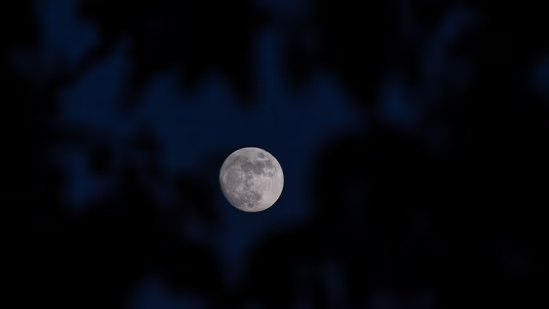
A rare Blue Full Moon in Sagittarius sign will peak on May 31, 2026, bringing a rare astrological event that is catching the attention of astrology followers, and spiritual seekers. According to Time and Date, the Full Moon reaches peak illumination at 4:45 a.m. EDT, giving early risers and skywatchers across the US a chance to witness the llunar event.A Waxing Gibbous moon rises behind trees near Pristina on May 29, 2026. (Photo by Armend NIMANI / AFP) (AFP)While, the Blue moon is already trending on the Internet, a spiritual organistion called the Isha Foundation by Sadhguru shares a post on X about the opportunities Blue Moon may bring to spiritual seekers.It said, “Tomorrow is Purnima or a full moon day. On such days, the human system experiences a natural upsurge of energy which amplifies whatever one’s qualities may be on that day. With this increase in energy, there is a tremendous opportunity for spiritual seekers to make a push towards realizing their ultimate nature”.What is a Blue Moon?May 2026 has two full moons, and the second one is called the Blue Moon. Despite the name, the Moon is not expected to appear blue in colour.Astrologically, the full moon in Sagittarius is often linked with themes such as truth-seeking, growth, perspective, and long-term understanding. Some astrology followers view this combination of a Blue Moon and Sagittarius energy as a moment connected with personal clarity or changing viewpoints.Also Read Blue Moon 2026: Most impacted zodiac signs during the may full moon, according to a US astrologerHistory of the Blue Moon?According to the findings of Farmersalmanac, one possible reason could be on the basis of a linguistic theory, where the “Blue Moon” traces it to the Old English word belewe, which means “to betray.” Under this interpretation, the term may have been used because an extra full moon seemed to “betray” the usual expectation of seeing only one full moon in a month.Also Read Why the rare Blue Moon this weekend matters to astrology followersHow many types of Blue Moons are there?There are two commonly recognized types of Blue Moons.The first is the Seasonal Blue Moon. This happens within an astronomical season, which is measured between solstices and equinoxes. Most seasons contain three full moons, but occasionally a season gets four full moons instead. When that happens, the third full moon of the four is traditionally called a Blue Moon.The second and more familiar version is the Calendrical Blue Moon. This is the definition most people use today. It refers to the second full moon occurring within the same calendar month. Since the Moon takes about 29.5 days to complete its cycle, a month that begins with a full moon can sometimes fit in another one near the end of the month. When that happens, the second full moon earns the “Blue Moon” name.When are the next Blue Moons?
Blue Moon 2026: Why Isha Foundation says today’s astrology event may matter for spiritual seekers
A spiritual organisation called the Isha Foundation by Sadhguru shares a post on X about the opportunities Blue Moon may bring to spiritual seekers.
477 words~2 min read