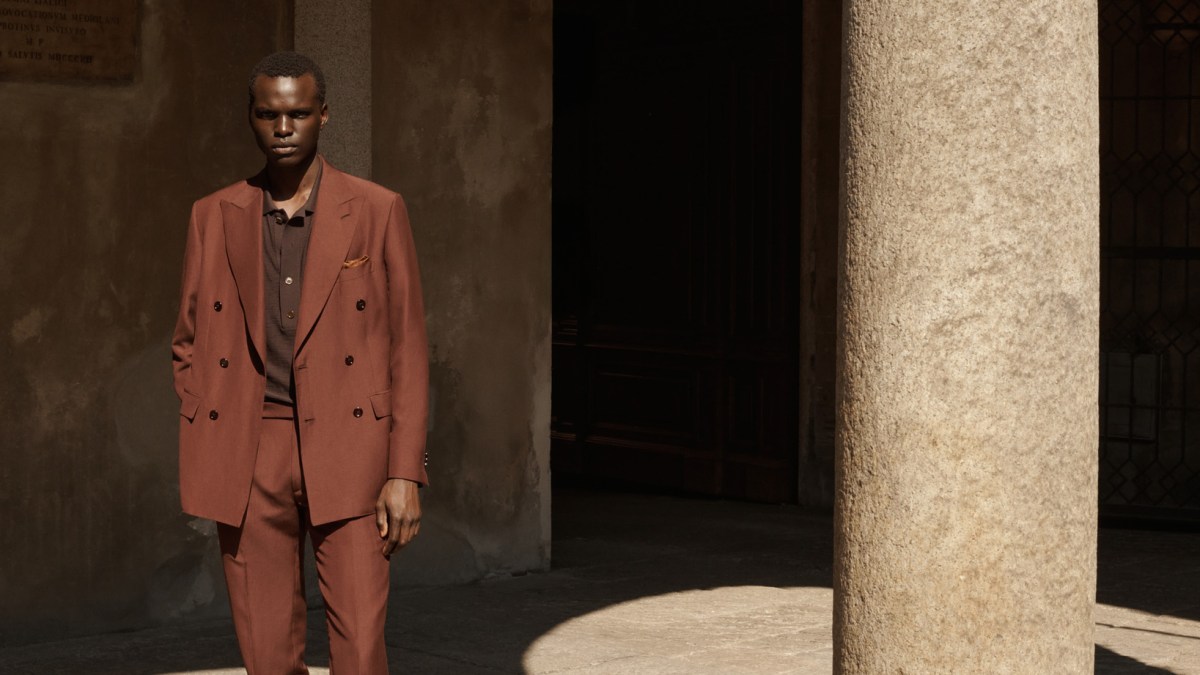
The Anglosphere have become a ‘sucker’ for seersucker. Despite it’s odd name, this fabric have become quite the rage in Western countries. As per a GQ article, it’s appeal lies in the fact that it makes the owner feel comfortable in the summer, while appearing refined and impeccable at the same time. The lightweight cotton fabric comes in smooth and puckered stripes and keeps the material off your skin, making the outfit more breathable when the mercury levels get off-the-charts high. However, did you know, seersucker was a gift to the world from India?According to a report by Forbes, the fabric, originally named 'Shir O Shekar', came into existence in colonial India. The name which is Persian, means ‘milk and sugar’. It denotes an outfit which is known for soft fabric (milk) and gritty texture (sugar).During its early history, the fabric was regarded as a practical material primarily used by laborers and working-class communities. Its origins can be traced to the Indian subcontinent, where it was manufactured and shipped to European markets during the seventeenth century as per an article published in The Historic New Orleans Collection. As demand for the textile grew, producers in England and France began creating their own versions, helping it gain wider popularity across the continent. In the 18th century, the fabric was exported to the American colonies. The fabric’s breathability lay in how the weaves were designed. The tight threads + loose threads, combined with natural air gaps, made it a perfect summer wear. The wrinkles in the fabric ensured that the clothe did not cling to the skin, making it the perfect outfit for humid weather.As per the article published in The Historic New Orleans Collection, seersucker suits were first mentioned in New Orleans suits in an 1867 ads for Robert Pitkins’ Fashionable Clothing Emporium on Camp Street. In the United States, the fabric was initially associated with working-class communities, such as the Standard Oil gas attendants. However, as per Forbes, seersucker suits gained popularity when Joseph Haspel, a New Orleans haberdasher, reinvented the working class fabric into a lightweight suite for Southern businessmen. Its image began to change during the 1920s when affluent college students in the Ivy League, especially Princeton, embraced it as a symbol of ‘reverse snobbery’. According to Forbes, its image underwent further radical change when Brooks Brothers began marketing seersucker suits across the northern United States to a more prosperous clientele during the 1930s. The once humble fabric was now rebranded into the epitome of summer elegance.By the 1940s, wearing seersucker was no longer seen as a sign of modest means. The fabric’s growing popularity among wealthy and influential circles further elevated its status. One notable admirer was Edward VIII, better known as the Duke of Windsor, who was photographed wearing a seersucker suit while vacationing on the glamorous Italian Riviera.However, despite becoming a cultural summer fashion phenomenon, the Indian roots of seersucker remains unacknowledged.
America’s favorite summer outfit - the 'Seersucker Suit' actually originated from India
Seersucker fabric, now a summer fashion favorite in Western countries, began in colonial India. Originally named 'Sheer O Shakkar', it was a practical material for laborers. Over time, it was adopted by different social classes, eventually becoming a symbol of summer elegance. Despite its global popularity, the fabric's Indian origins are often overlooked.
487 words~2 min read