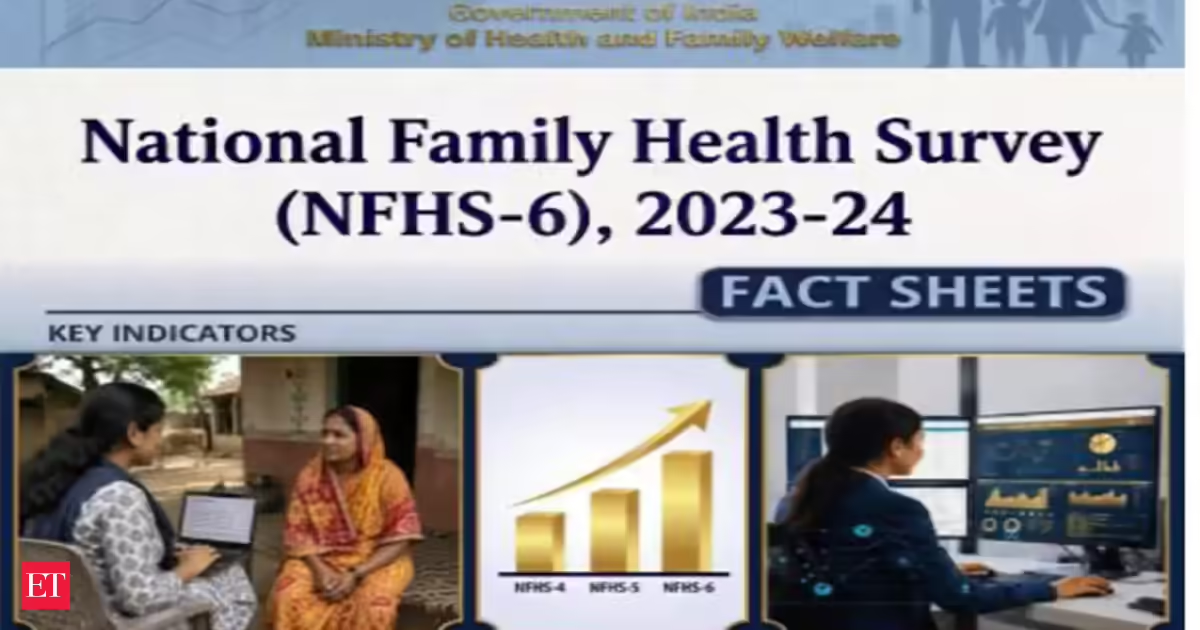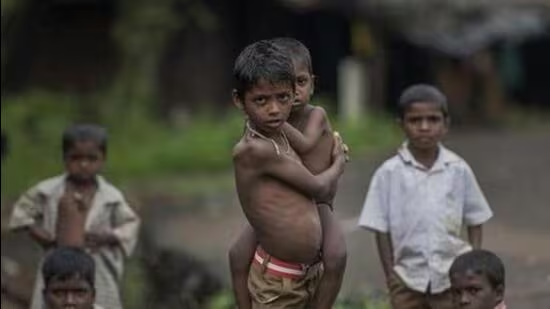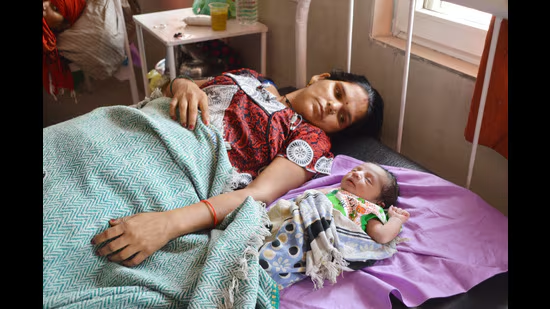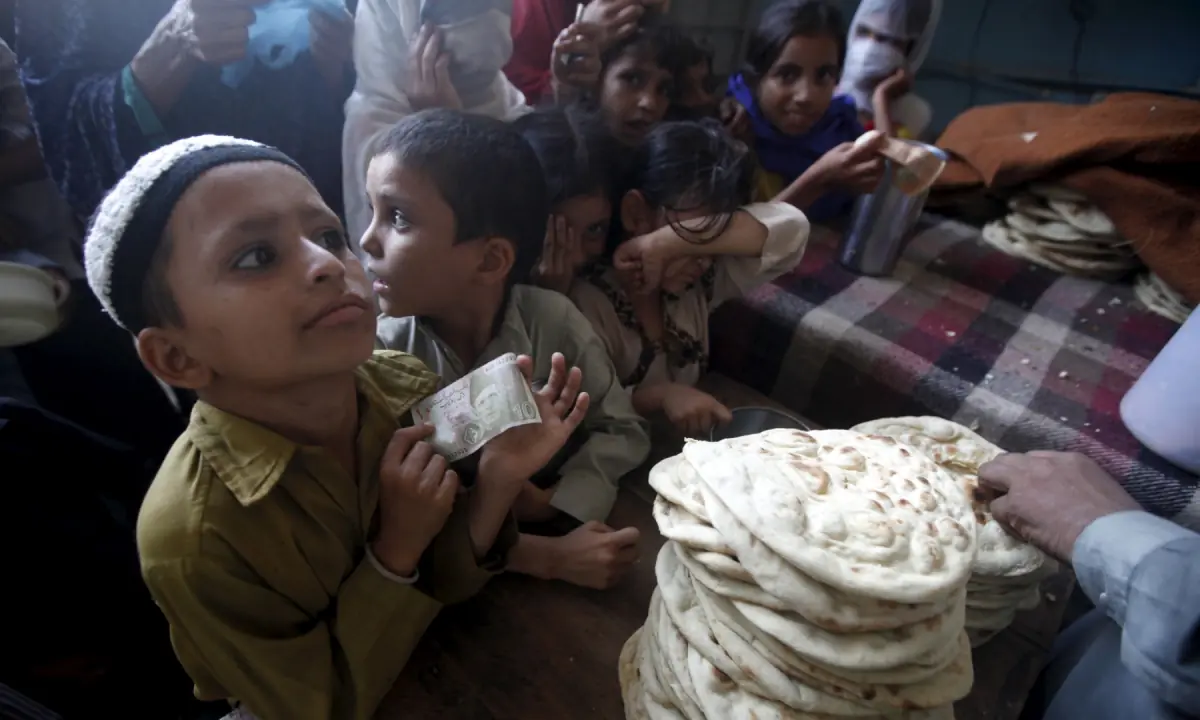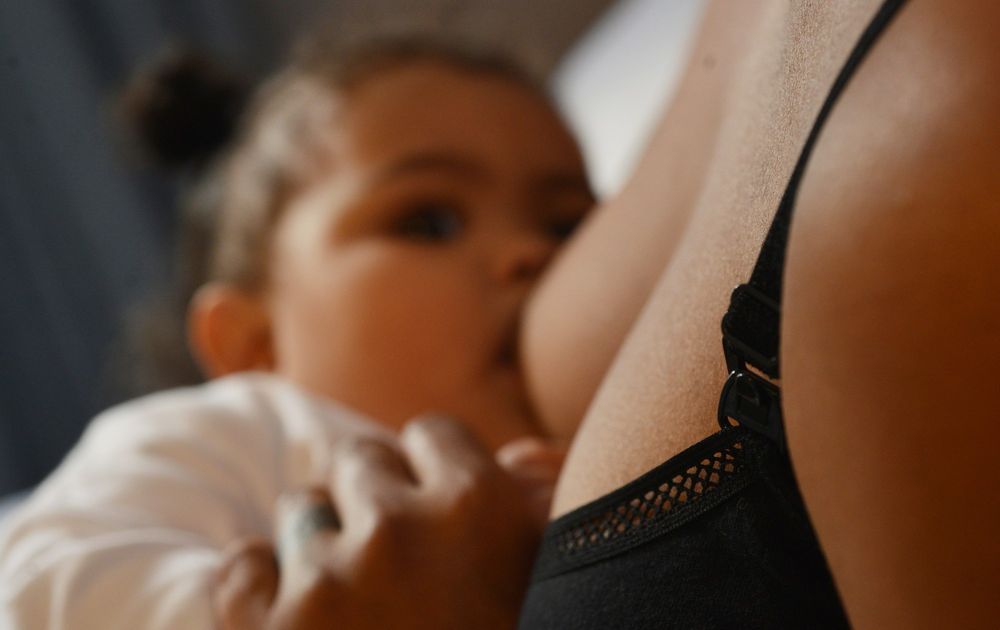
The latest National Family Health Survey (NFHS-6) data has revealed a worrying trend in child nutrition, with a substantial proportion of children aged 6-23 months still not getting an adequate diet despite some improvement witnessed over the previous years.According to the data, the proportion of children in the 6-23-month age group receiving an adequate diet stood at 15.3% in NFHS-6, up from 11% in NFHS-5. This means that Indian toddlers are still missing out on the diverse and frequent meals required for healthy growth and brain development, despite improvements in food availability and government nutrition programmes.Experts warned that children may be receiving enough calories but not enough proteins, micronutrients, and nutrient-rich foods essential for development. The data also showed a decline in exclusive breastfeeding among children aged under six months, from 63.7% in NFHS-5 to 55.8% in NFHS-6. Exclusive breastfeeding during the first six months is universally recommended by global health organisations because breast milk provides the exact balance of nutrients, antibodies, and hydration a baby needs to thrive, while protecting their developing digestive and immune systems from infections and allergies.Breastfeeding Promotion Network of India (BPNI) founder Dr. Arun Gupta said the decline in exclusive breastfeeding is deeply concerning and demands urgent national attention.“Breastfeeding is not merely an individual choice; it is a public health, nutrition, child rights, and national development issue. The NFHS-6 findings clearly show that India must urgently act to rebuild systems that enable mothers to breastfeed successfully,’’ said Dr. Gupta.However, NFHS-6 has some encouraging numbers too. The proportion of children aged 6–8 months receiving solid or semi-solid food alongside breast milk rose from 45.9% to 59.5%. A comparison of NFHS-5 (2019–21) and NFHS-6 (2023–24) showed that India has made progress in reducing child undernutrition, although challenges remain significant.The prevalence of stunting (low height for age) among children under five declined from 35.5% in NFHS-5 to 32.3% in NFHS-6, wasting (low weight for height), a marker of acute undernutrition, fell from 19.3% to 16.3%, while severe wasting declined from 7.7% to 5.7%. The proportion of underweight children (low weight for age) also decreased from 32.1% to 29.2%.“While there is progress in various parameters, it is limited,’’ added Dr. Gupta, stating that these findings also highlighted India’s continuing “double burden” of malnutrition.According to the World Health Organization (WHO), the age group of 6–24 months is a critical period for a child’s growth and brain development. From six months onward, breast milk alone is insufficient, and children should receive safe, nutritious, and diverse complementary foods while continuing breastfeeding up to two years or beyond. WHO recommends a diet including a variety of food groups such as grains, legumes, dairy products, eggs, meat or fish, and fruits and vegetables.Adequate dietary diversity and age-appropriate feeding help prevent stunting, wasting, micronutrient deficiencies, infections, and impaired cognitive development, supporting healthy growth and lifelong well-being.“Reduced breastfeeding could also be linked to caesarean deliveries among other factors, as this is known to interfere with immediate skin-to-skin contact, early initiation of breastfeeding, rooming-in practices, and maternal confidence in breastfeeding,’’ added experts. BPNI expressed concern that inadequate breastfeeding support in health facilities, and aggressive commercial marketing of infant milk substitutes and baby foods are undermining optimal infant feeding practices in the country. It warned that the unprecedented expansion of digital and indirect marketing of infant formula, commercial baby foods, and feeding products normalises formula feeding and weakens confidence in breastfeeding practices.
Only 15.3% children aged 6-23 months receive adequate diet: NFHS-6
NFHS-6 reveals only 15.3% of children 6-23 months receive adequate diets, with declining exclusive breastfeeding rates raising concerns.
564 words~3 min read