WARPTECHNEWS · LAB
HomeAIBusinessTechArchive
WARPTECH LAB NEWS

Warptech Lab News aggrega le notizie più rilevanti da oltre 700 fonti internazionali, con classificazione AI, TL;DR sintetici e timeline cluster su singole storie.

Navigazione

  • Home
  • Archivio
  • Editor's Brief
  • Cerca
  • Il tuo account
  • Newsletter tech/AI

Informazioni legali

  • Privacy Policy
  • Termini di servizio
  • Cookie Policy

© 2026 Sparktech S.R.L. — Tutti i diritti riservati. Sito gestito e manutenuto da Sparktech S.R.L.

Sede legale: Corso Libertà 55, 13100 Vercelli (VC), Italia · P.IVA / C.F. 02835910023 · Contatti: admin@warptechlab.com

Home
Storia in 2 fonti

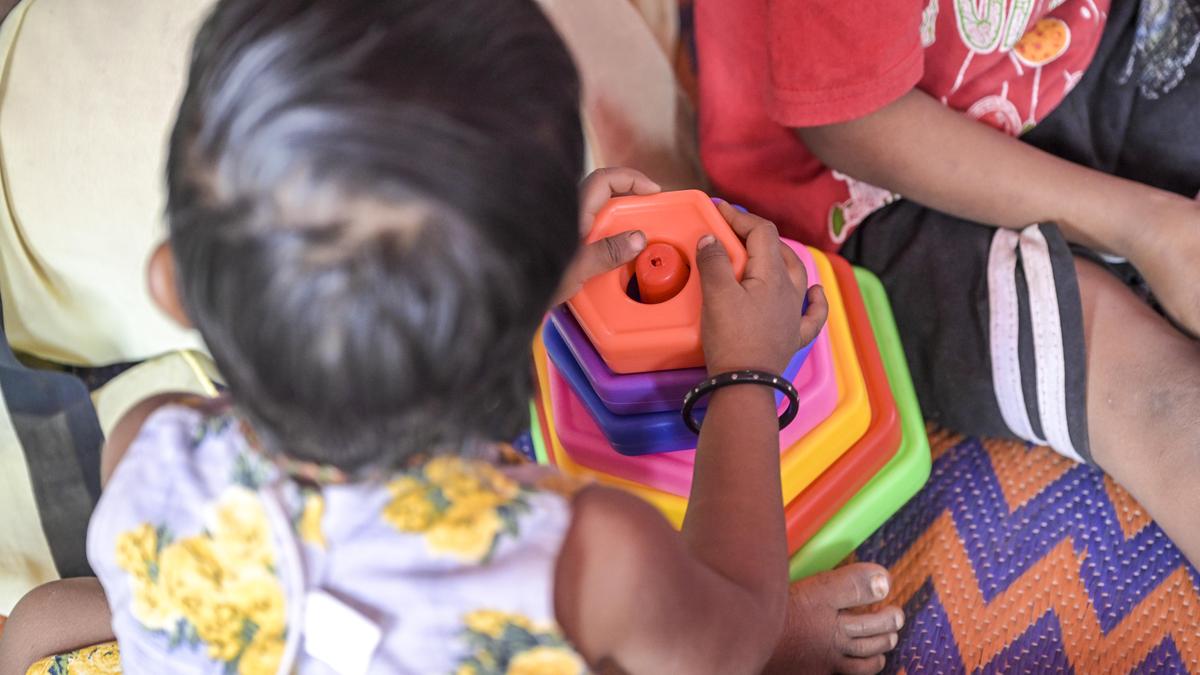
Only 15.3% children aged 6-23 months receive adequate diet: NFHS-6

NFHS-6 reveals only 15.3% of children 6-23 months receive adequate diets, with declining exclusive breastfeeding rates raising concerns.

Raccontata danewsbytesapp.comthehindu.com

Confronto fonti

2 prospettive sulla stessa storia
AI · summaries
thehindu.comStai leggendo3 h fa

Only 15.3% children aged 6-23 months receive adequate diet: NFHS-6

NFHS-6 reveals only 15.3% of children 6-23 months receive adequate diets, with declining exclusive breastfeeding rates raising concerns.

originale
newsbytesapp.com6 h fa

NFHS-6 shows 31.8% children underweight, maternal care improves

Nearly one in three Indian children remains underweight, as per NFHS-6, highlighting persistent nutritional challenges despite improvements in antenatal care and healthcare access.

Leggi questa versione → originale

Timeline cronologica

  1. sabato 30 maggio 2026·newsbytesapp.com

    NFHS-6 shows 31.8% children underweight, maternal care improves

    Nearly one in three Indian children remains underweight, as per NFHS-6, highlighting persistent nutritional challenges despite improvements in antenatal care and healthcare access.

  2. sabato 30 maggio 2026·thehindu.com

    Only 15.3% children aged 6-23 months receive adequate diet: NFHS-6

    NFHS-6 reveals only 15.3% of children 6-23 months receive adequate diets, with declining exclusive breastfeeding rates raising concerns.