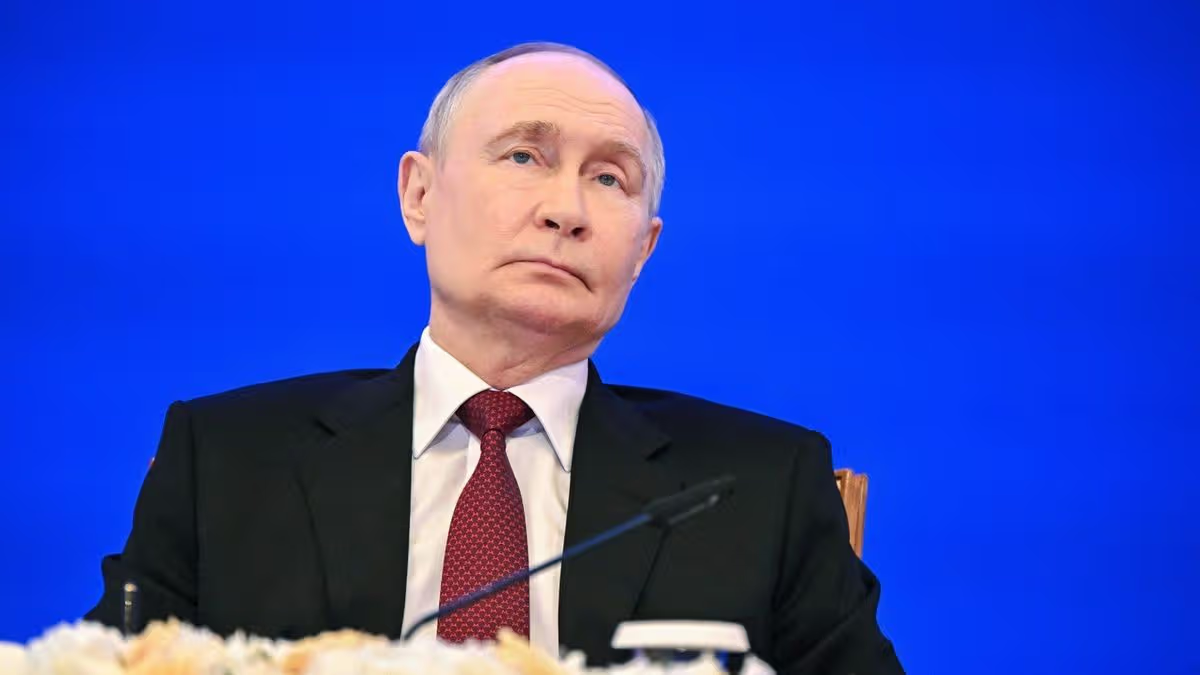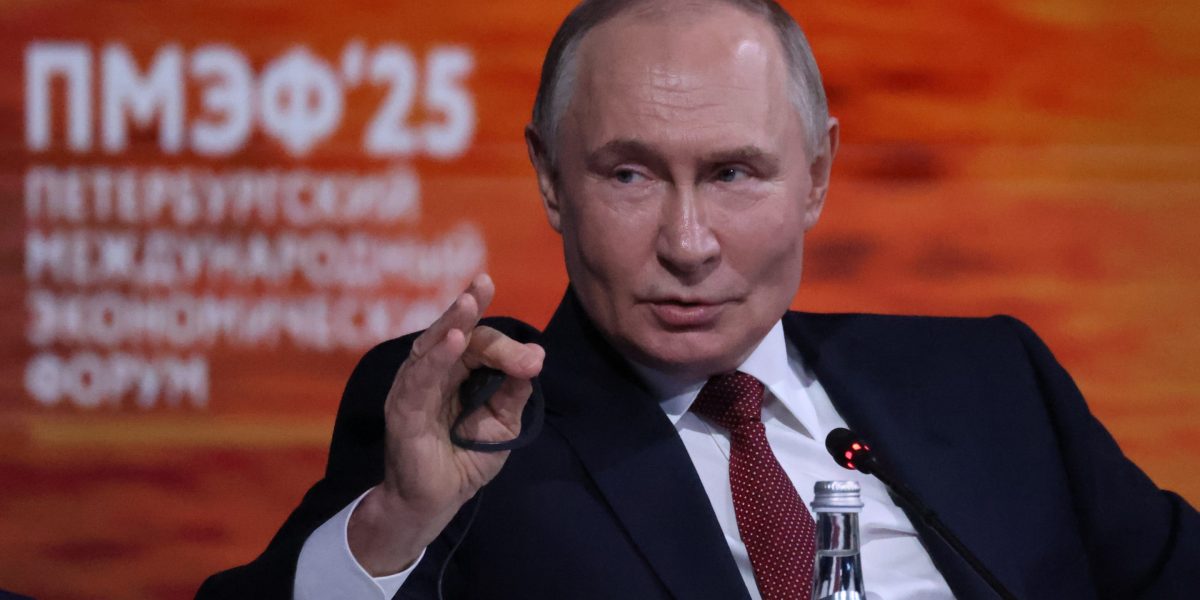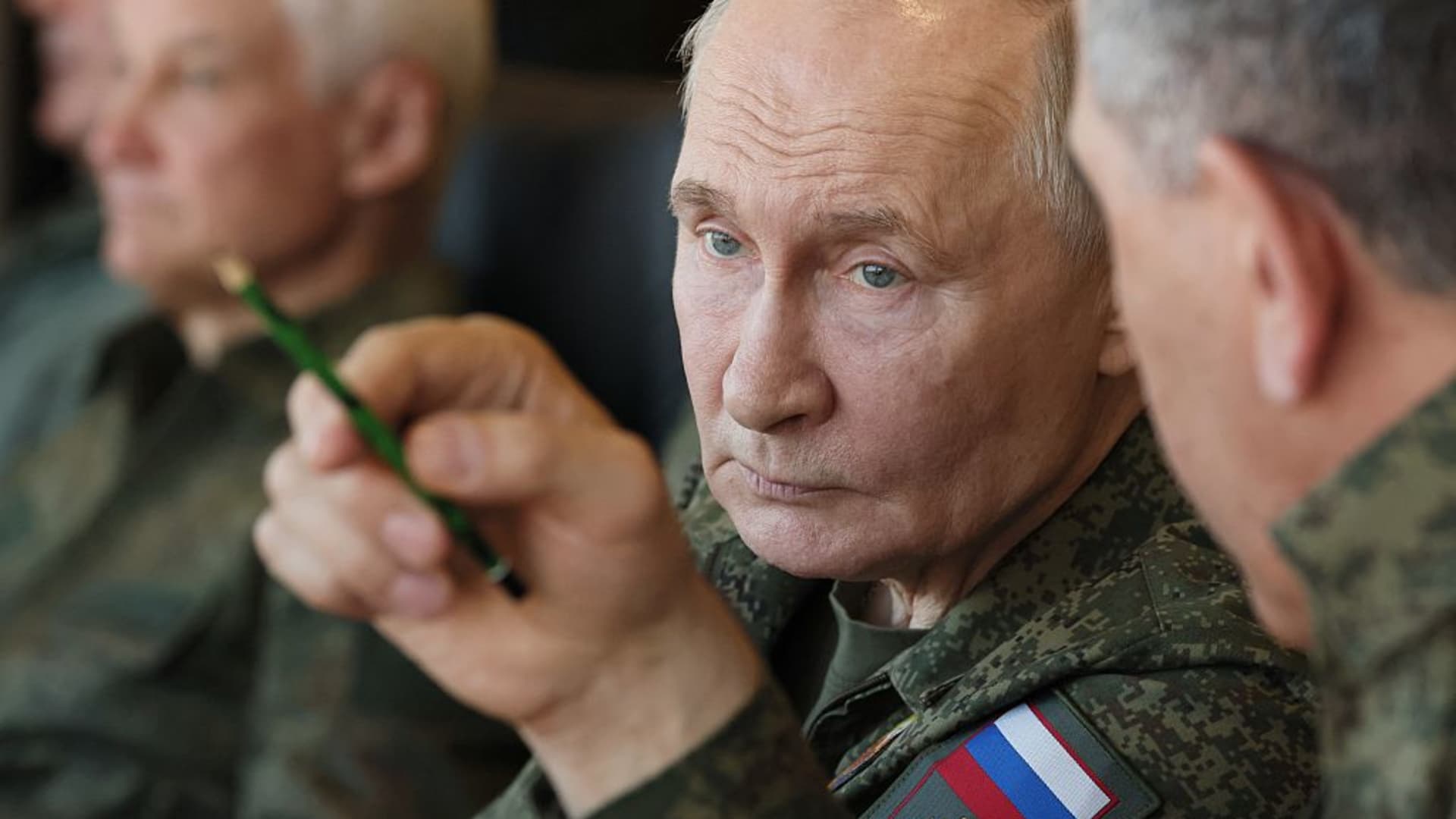
Russia’s domestic market has fractured into a highly unstable “dual economy,” as the massive state expenditures required to sustain the invasion of Ukraine trigger deep stagnation across non-military commercial sectors, Associated Press reported. An initial surge of economic growth fueled by frantic wartime manufacturing has largely exhausted itself, exposing severe structural imbalances inside the country. To keep a ballooning federal budget deficit from spiraling out of control, the Kremlin has drastically increased taxes and expanded internal borrowing, suffocating civilian enterprises in the process.JOIN US ON TELEGRAMFollow our coverage of the war on the @Kyivpost_official. The splintering of the domestic market According to Nigel Gould-Davies, a Senior Fellow for Russia and Eurasia at the London-based International Institute for Strategic Studies (IISS), the intense pressure of the war has driven up the core costs of capital, labor, and basic commodities. This financial distortion has funneled cash and personnel almost exclusively into the military-industrial complex, leaving civilian manufacturing, retail, and public services to wither under high interest rates and regulatory burdens. While the concurrent war between the United States and Iran has driven global crude values above $100 per barrel for the first time since 2022, providing Moscow with unexpected windfall energy revenues, these temporary injections have failed to cure Russia’s fundamental macroeconomic malaise.
Russian Economy Fractures: Sky-High War Costs Trigger Non-Military Stagnation
Massive military expenditures have split Russia’s economy into an overheated defense industry and a stagnating civilian sector, forcing the Kremlin to hike taxes.
814 words~4 min read