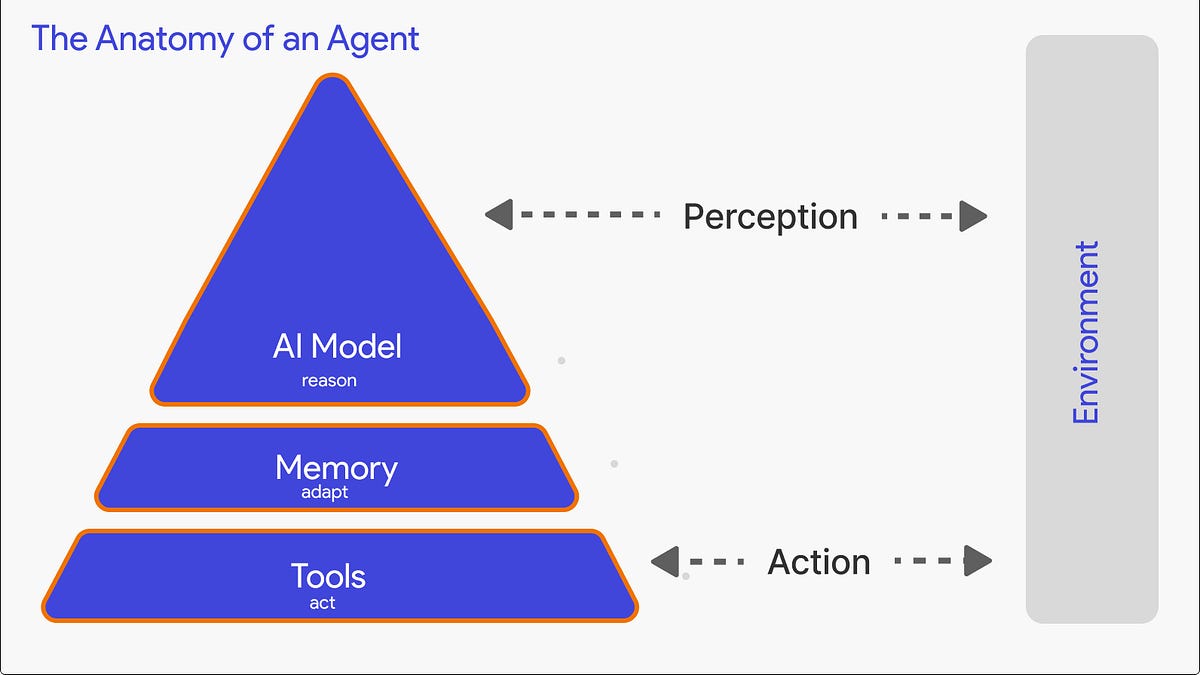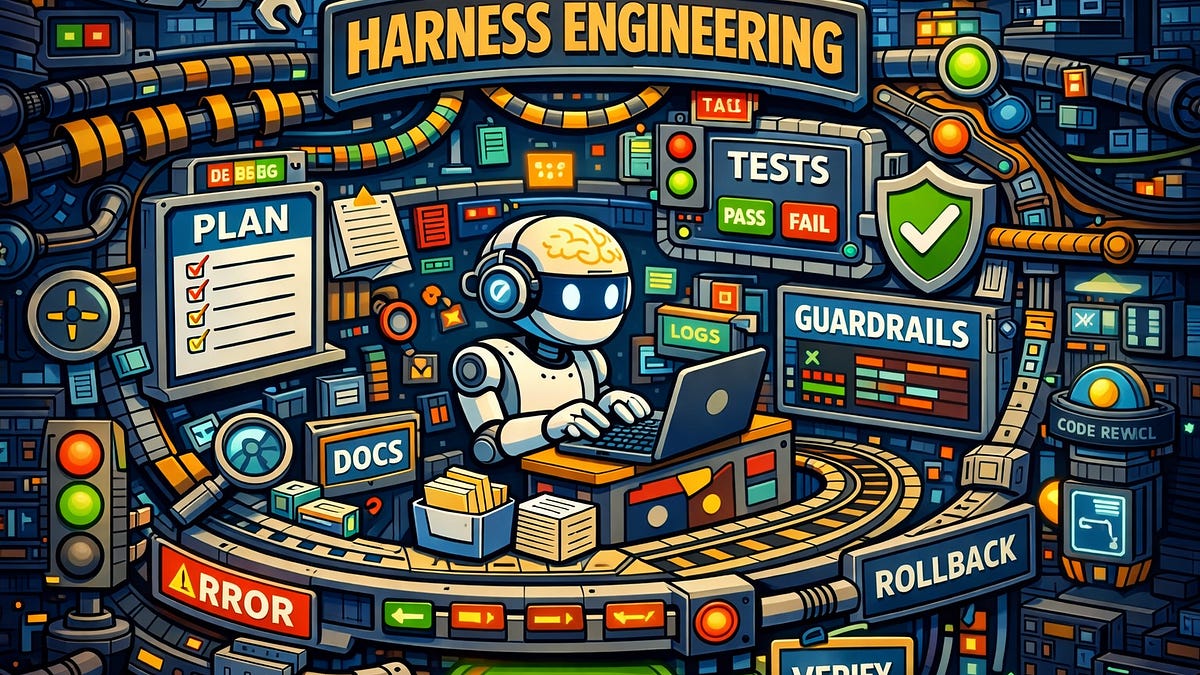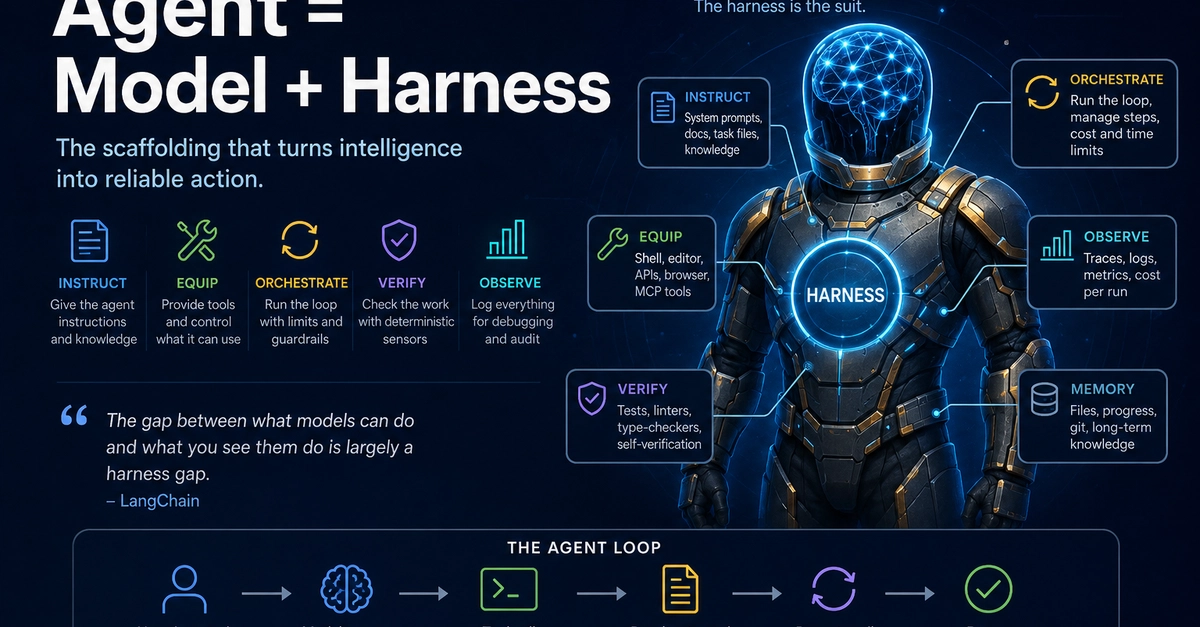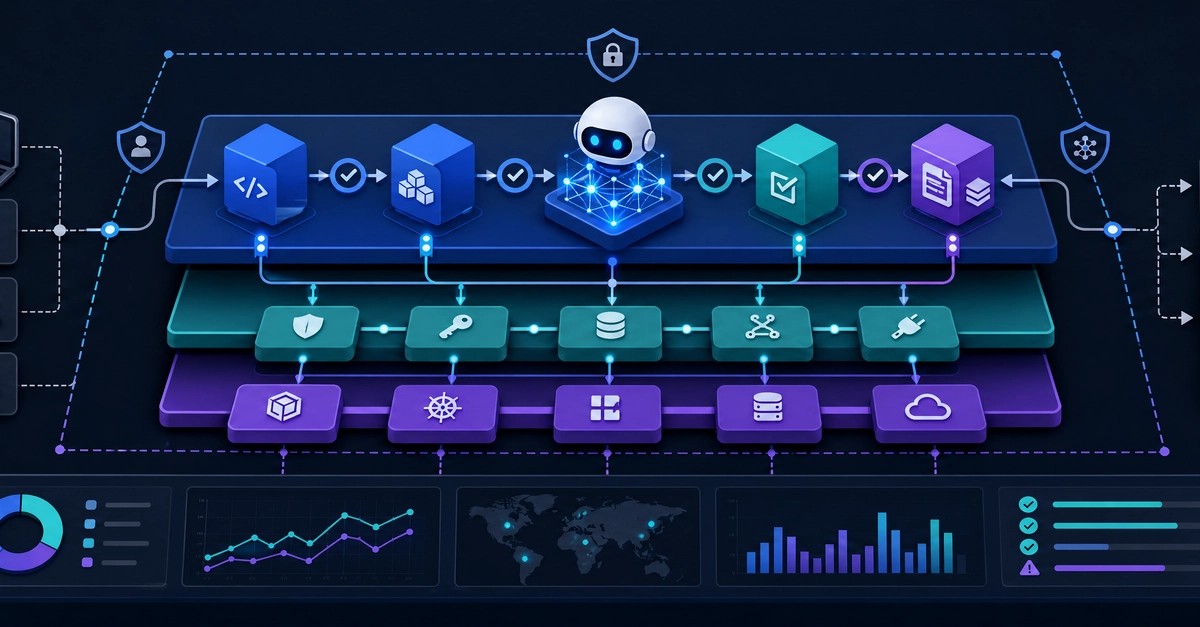
Agent systems have mostly been built around a simple assumption: the model may decide what to do next, but the surrounding execution structure is designed by the developer. We give the model tools, define a loop, manage context, constrain permissions, record traces, add retries, and sometimes insert human approval. The model acts, but the system decides the shape of action.
That assumption is starting to weaken.
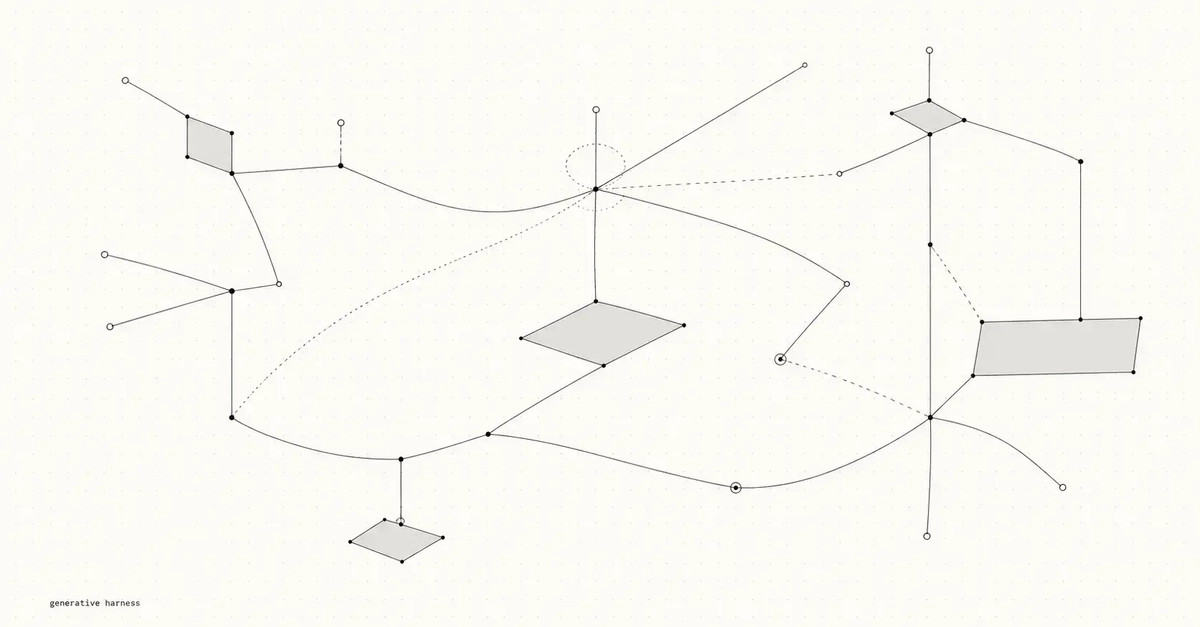
A new pattern is emerging across several parts of the agent stack. Models are no longer only choosing the next tool inside a fixed loop. They are beginning to generate parts of the execution structure itself: code that composes tools, scripts that coordinate workers, workflows that decide how a task should be decomposed, parallelized, checked, and summarized. I would call this pattern generative harness.
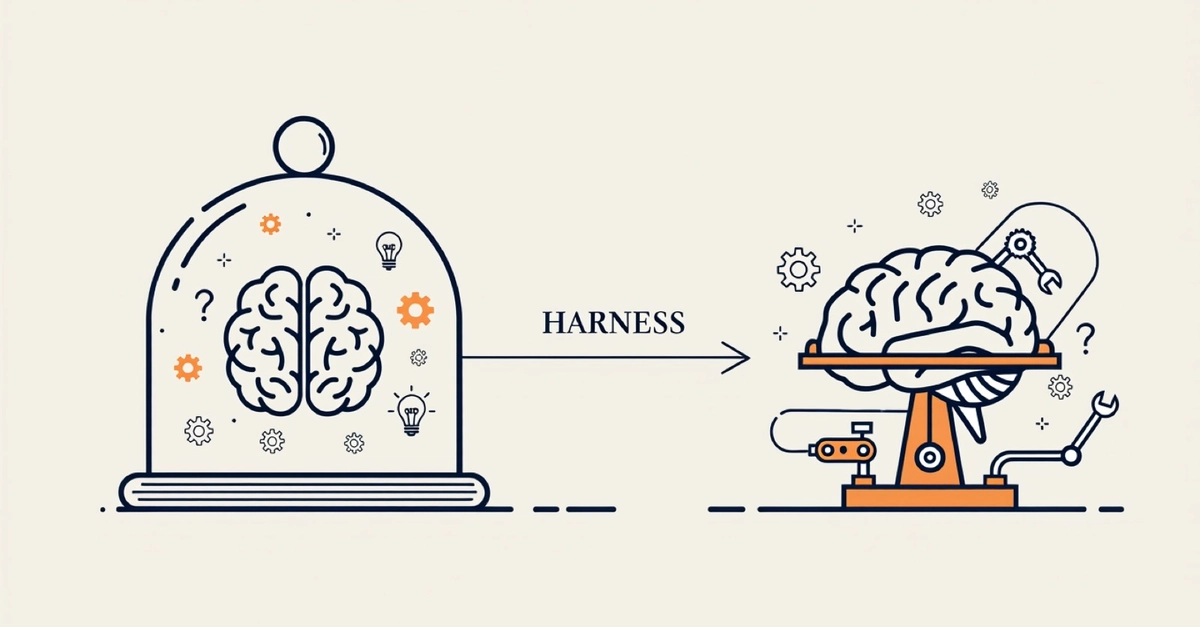
The term is less important than the shift it points to. A harness is the execution structure that turns model capability into task completion. In earlier systems, this structure was fixed or developer-authored. In generative harness, the model begins to produce task-specific orchestration, and the runtime executes it.
This is powerful, but it changes the central problem. The bottleneck is no longer just whether an agent can execute. It is whether we can verify the orchestration it generated.