Consolidation is reshaping the experimentation and feature management landscape. Tools are merging, and partnerships are being repackaged as platforms. But marketing a unified experience is not the same as building one.
Right now, engineering leaders and product managers are reassessing whether the tools they depend on are built for the long term. It’s irrelevant which vendor has the most products. The real question is: When your release workflow crosses six systems in a single afternoon, does your tooling cross with it? The difference between a stitched-together stack of integrations and a true platform built from the ground up is architectural, and its effects are cumulative.
Why fragmented tools slow down feature rollouts
In theory, stitched-together stacks are a quick solution. When your flag tool, analytics platform, warehouse, experimentation engine, and tracing system are connected, the data flows and the dashboard lights up. Integrations further extend what each tool can see and reduce some of the manual work. But there’s a ceiling.
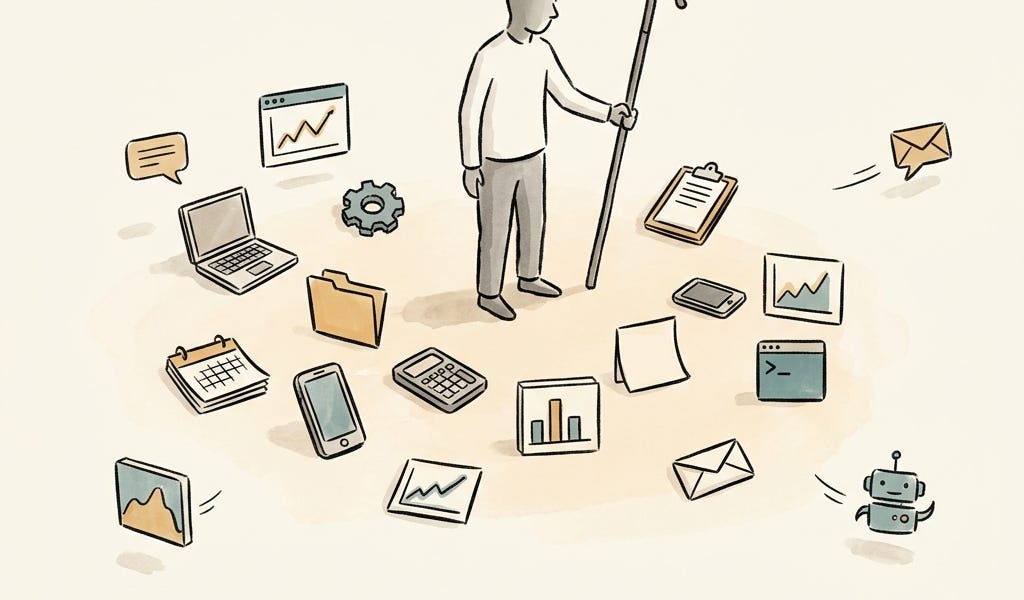
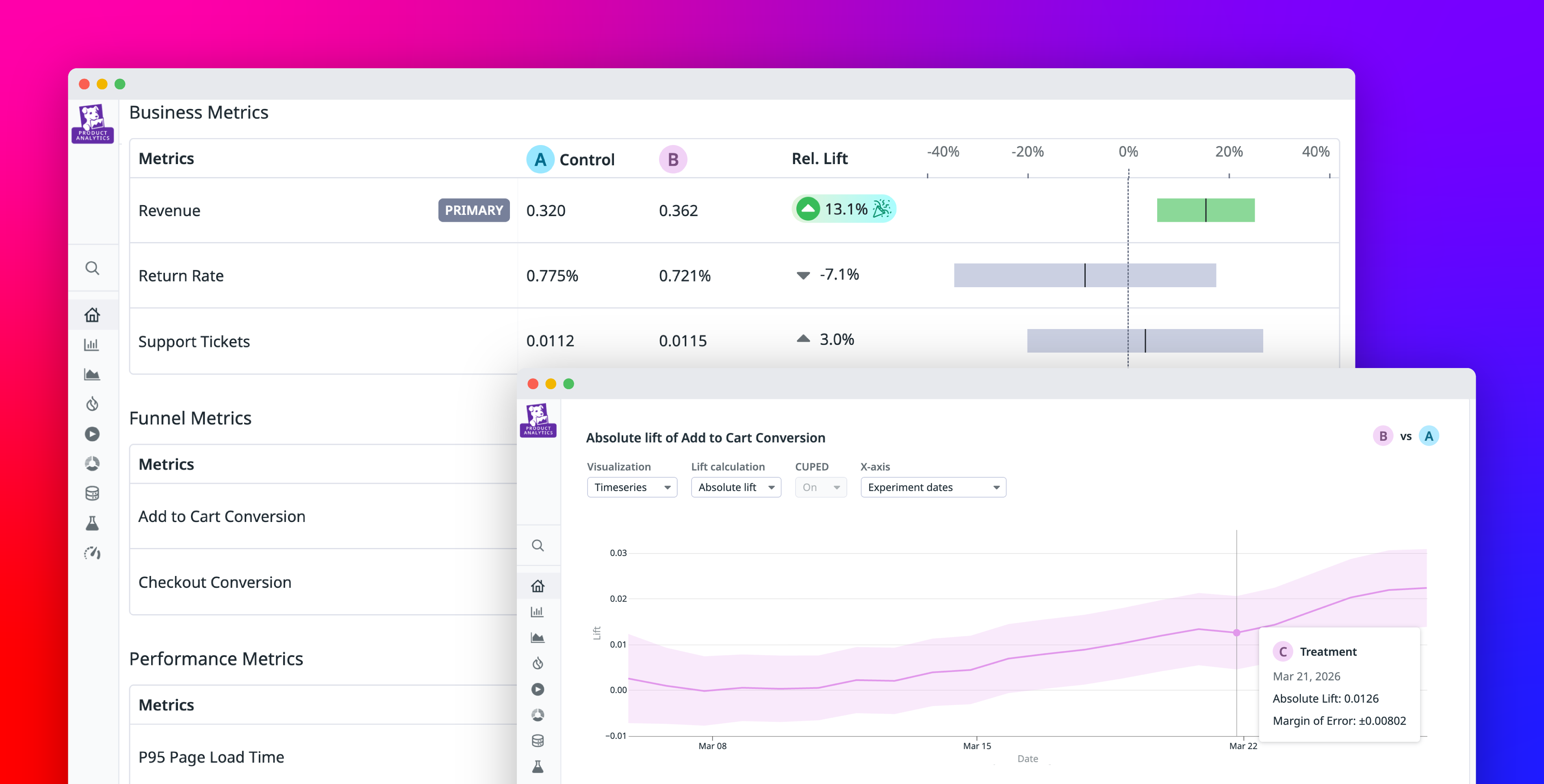
Picture a gradual rollout with a stitched-together stack. Your team creates a feature flag in Tool A, ties it to an experiment to measure impact in Tool B, deploys it through CI/CD in Tool C, and starts the ramp. Your flag is in Tool A, your error rates are in Tool D, and your experiment scorecard and product funnel data are in Tool B. Within minutes, error tracking alerts fire, observability dashboards populate, synthetic tests run, and product analytics capture the first user interactions.