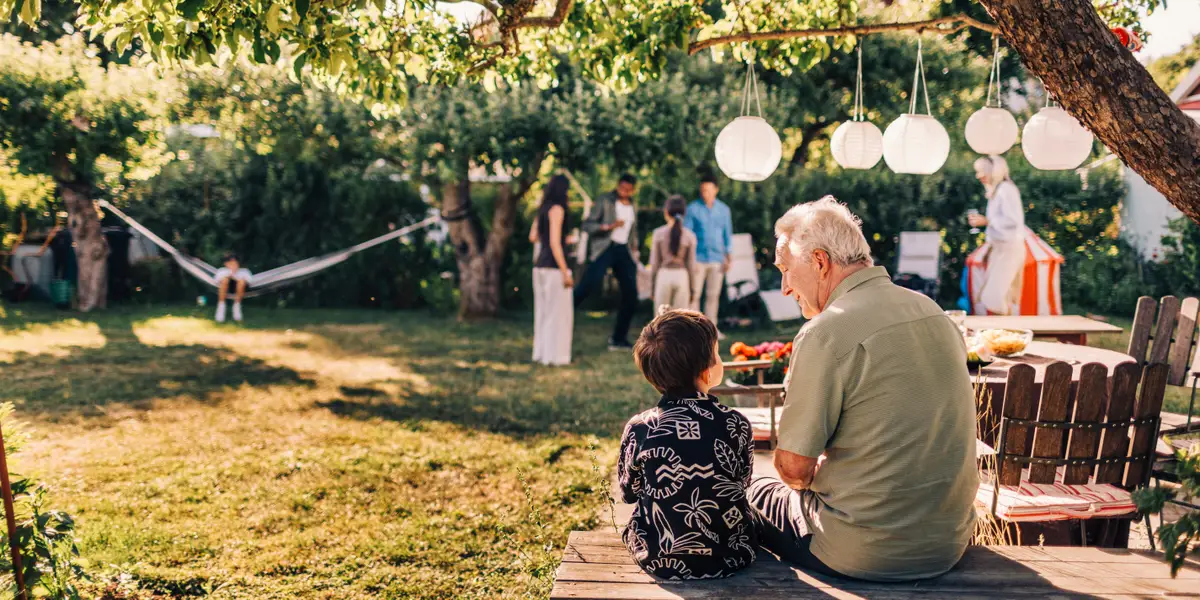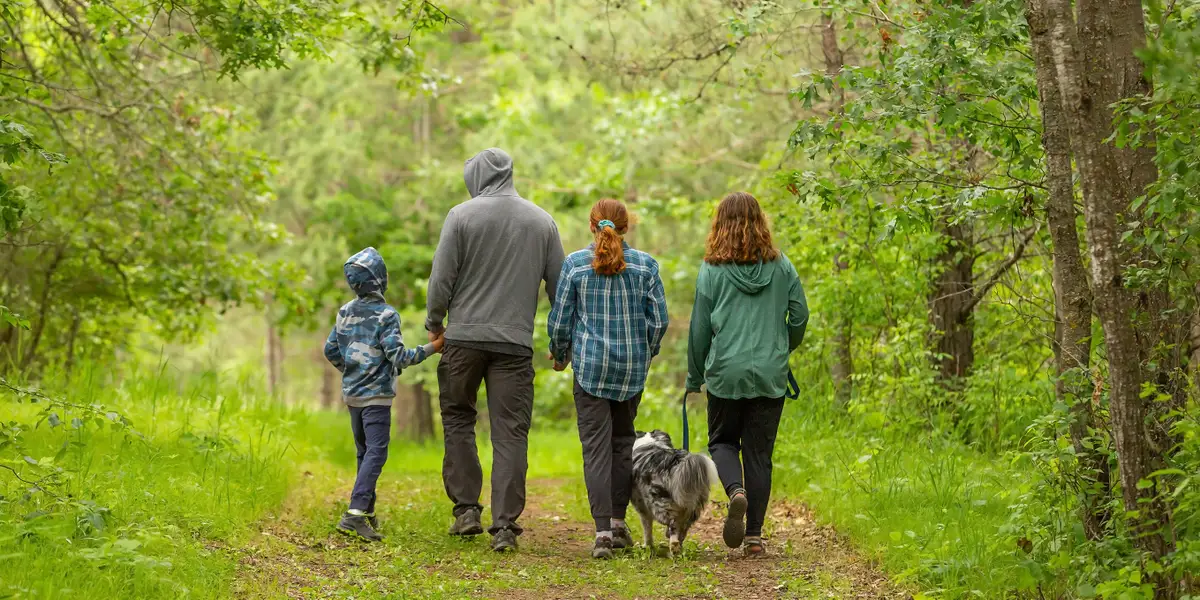
The author's kids (not pictured) are getting older, and he says his role as a parent is changing.
emholk/Getty Images
When our two kids were little, my wife and I were needed for everything. Every snack, every bedtime routine, every scraped knee, every middle-of-the-night wake-up. Our days revolved around the rhythm of theirs.Now my daughter is 11, and my son is 9, and something has changed. They still need us, of course, but not in the same constant, physical way. Increasingly, their lives exist just beyond the edges of ours. They spend more time with friends. They ride bikes around the neighborhood without us. They close their bedroom doors for alone time. Sometimes they disappear outside for hours and come back only when they're hungry (which in the age of screens and distraction, is amazing).I knew this stage was coming, but I wasn't prepared for how strange it would feel while living inside it.Parenting has become less physical and more emotionalWhen kids are small, parenting is tangible. Your time is dominated by tasks like packing lunches, tying shoes, and carrying sleeping children from the car to bed. Your parenting role is obvious: Keep them alive!Now, much of the work happens in subtler ways. My wife and I spend less time actively doing things for our kids and more time paying attention to them. For example, listening carefully when they casually mention a friendship issue, noticing changes in their mood, or trying to create space for them to still want to talk to us. I like to bring one of my kids with me when I walk the dog, as it's an excellent opportunity to talk and be present.The questions they ask are changing, too. They're less concrete and more layered. Conversations drift toward social dynamics, insecurity, growing independence, and trying to figure out who they are becoming.I've realized that parenting older kids requires a different kind of restraint. You can't solve every problem for them anymore. Sometimes the best thing you can do is stay calm, stay available, and resist the urge to be a helicopter parent by giving them space to step up on their own.