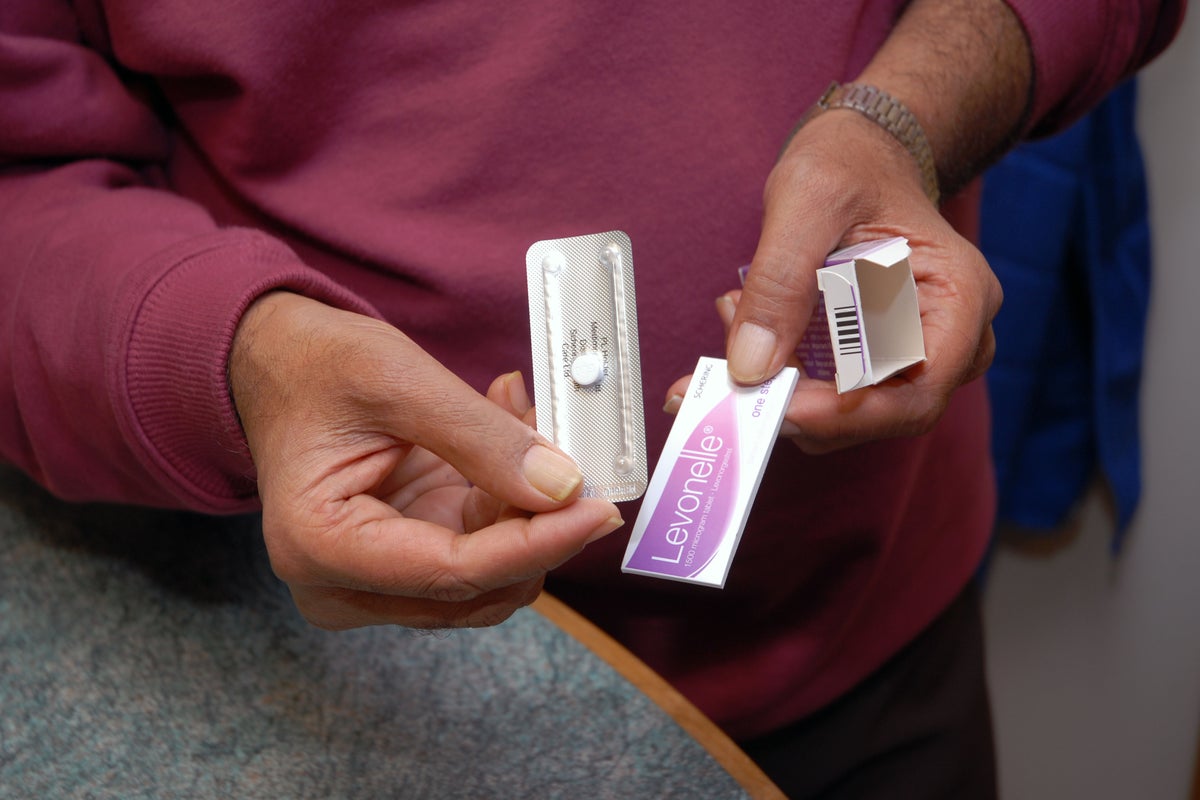
Researchers at UBC found that B.C.'s decision to provide universal, no-cost prescription contraception sharply reduced what patients pay, with the largest financial gains for people in their 20s. Unaffordable contraception is linked to higher rates of unintended pregnancy, which carries significant consequences for health, education and economic equality.
Published in JAMA Health Forum, the study is the first to quantify patient cost impacts after B.C. introduced free prescription contraception in April 2023.
The highest payers gain the most
Before the policy, the pill averaged about $25 per month, while IUDs ranged from $75 to more than $500 up front—and for long-term pill users, lifetime costs could reach $10,000.
Nearly 40% of prescription contraception was not covered by insurance, but was paid out of pocket by patients—the highest rate in Canada and well above most other prescription drugs. Among young adults, that figure was even higher at about 45%. After implementation, their out-of-pocket share fell by roughly 33 percentage points.