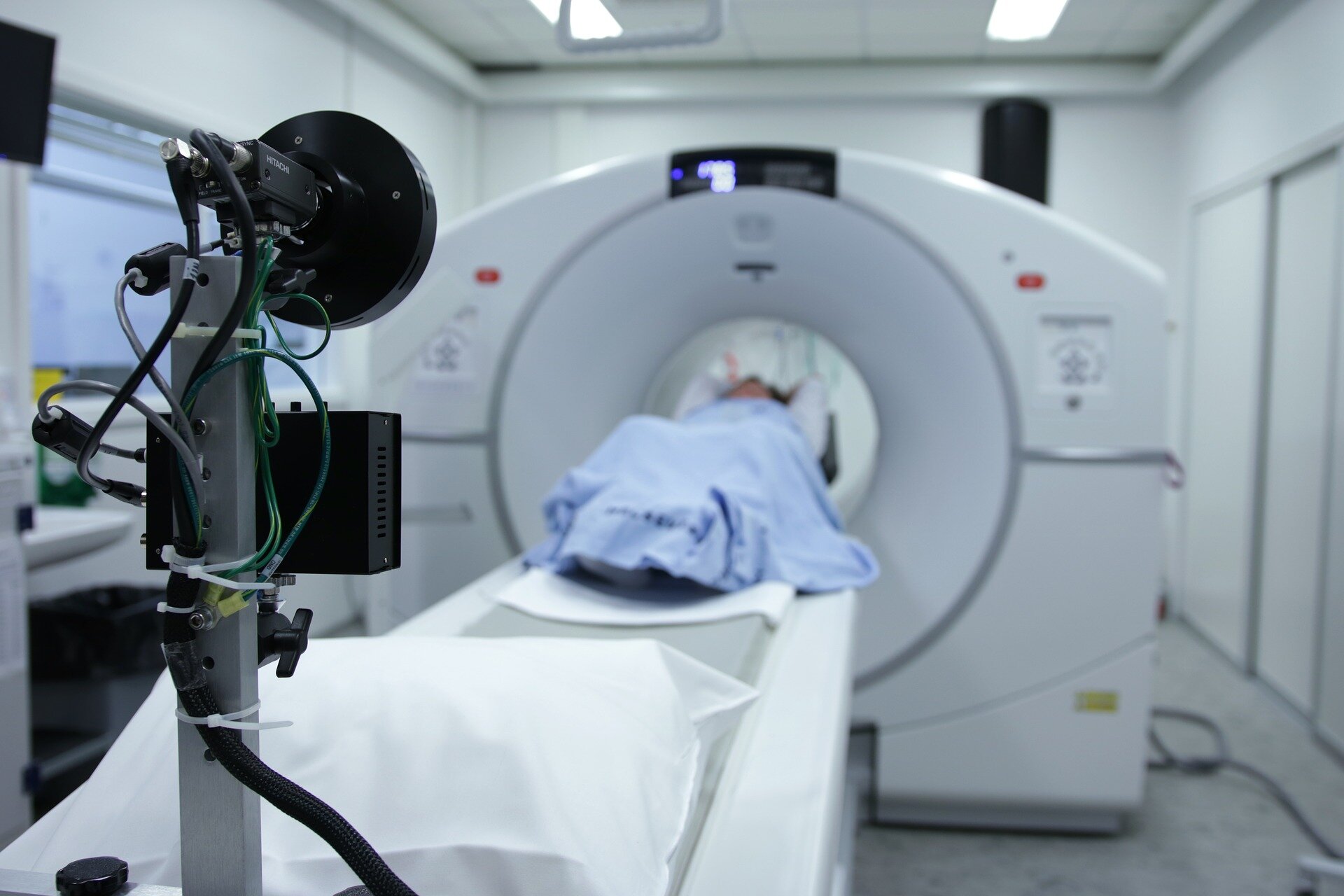
A new study highlights a critical gap: most clinical research studies that use imaging techniques such as amyloid positron emission tomography (PET) scans do not account for the radiation participants have already received from prior medical procedures. As brain imaging technology becomes more widely used in medical research—especially following recent U.S. Food and Drug Administration approvals of new Alzheimer's treatments—questions are emerging about how much radiation research participants are accumulating over a lifetime of medical scans.
While radiation exposure from PET imaging is generally considered acceptable when used in direct patient care, the risks are less clear-cut when exposure occurs solely for research purposes, particularly when participants may not directly benefit. The researchers developed and tested a systematic screening protocol to address this gap—and found it made a meaningful difference in protecting participant safety.
Published in the Ochsner Journal, the study, "Development and Implementation of a Radiation Safety Screening Protocol for a Clinical Study Using Amyloid Positron Emission Tomography Imaging," reviewed 92 clinical research studies listed on ClinicalTrials.gov that included amyloid PET imaging. Researchers found that only 1% of these studies provided specific radiation exposure thresholds as exclusion criteria, and 37% reported no screening for prior radiation exposure at all.