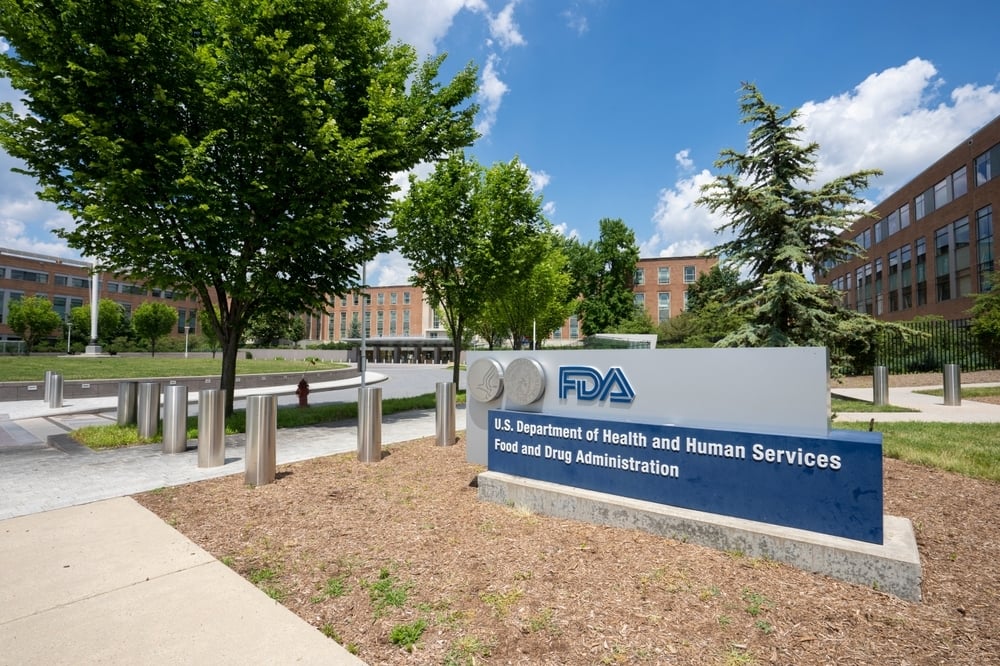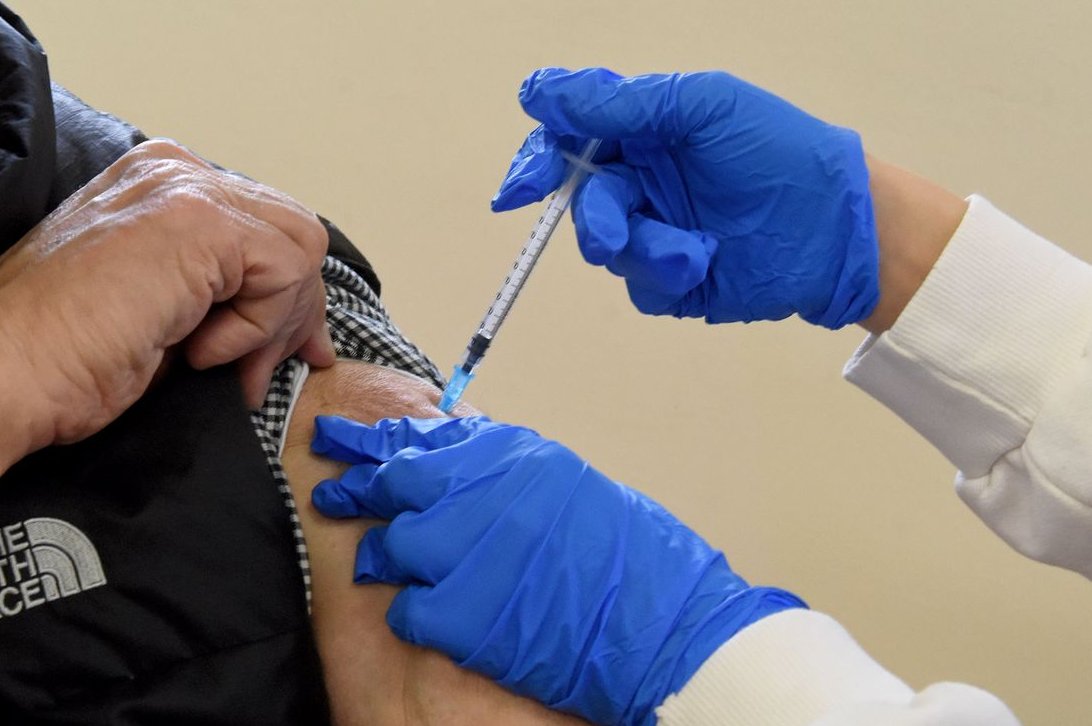
Alzheimer's, Dementia treatment, diagnosis: The U.S. Food and Drug Administration has approved a radioactive agent from Lantheus Holdings for use in brain scans to help assess patients for Alzheimer's disease, the company said on Friday. The agent, branded as Tauklarify, is injected before a positron emission tomography, or PET, scan. It makes abnormal deposits of tau proteins linked to Alzheimer’s visible in images of the brain in adults with cognitive impairment who are being assessed for the disease.A positive scan does not necessarily confirm tau pathology, while a negative scan does not rule it out, the company said. The approval was supported by two studies in which independent readers assessed Tauklarify PET scans from more than 500 participants and classified them as positive or negative for tau pathology.More than 7 million people in the United States have Alzheimer's, and the number of people aged 65 or older with the disease could exceed 13 million by 2050, Lantheus said.The tau-imaging market is dominated by Eli Lilly’s Tauvid, approved in 2020, and is probably worth less than $100 million annually, B. Riley Securities analyst Yuan Zhi told Reuters. Zhi forecasts annual Tauklarify sales of less than $50 million by 2030.Alzheimer's is a progressive brain disease and the most common cause of dementia, gradually damaging memory, thinking and the ability to perform everyday tasks. It is associated with abnormal deposits of beta-amyloid and tau proteins in the brain.Amyloid can begin accumulating years before symptoms appear, while the amount and spread of tau are more closely linked to worsening memory and thinking problems.Unlike beta-amyloid imaging agents such as Lantheus’ Neuraceq, the clinical use of tau imaging remains limited because there is no approved Alzheimer’s treatment targeting tau, Zhi said.Earlier this month, privately-held Curium agreed to buy Lantheus in a deal valued at up to $8 billion to expand its radiopharmaceutical business. The transaction is expected to close in the first half of 2027.
In 2020, Alzheimer’s diagnose process received major breakthrough approval, six years later 7 million patient in U.S. get another big announcement for progressive brain disease treatment
More than 7 million people in the United States have Alzheimer's, and the number of people aged 65 or older with the disease could exceed 13 million by 2050.
319 words~1 min read