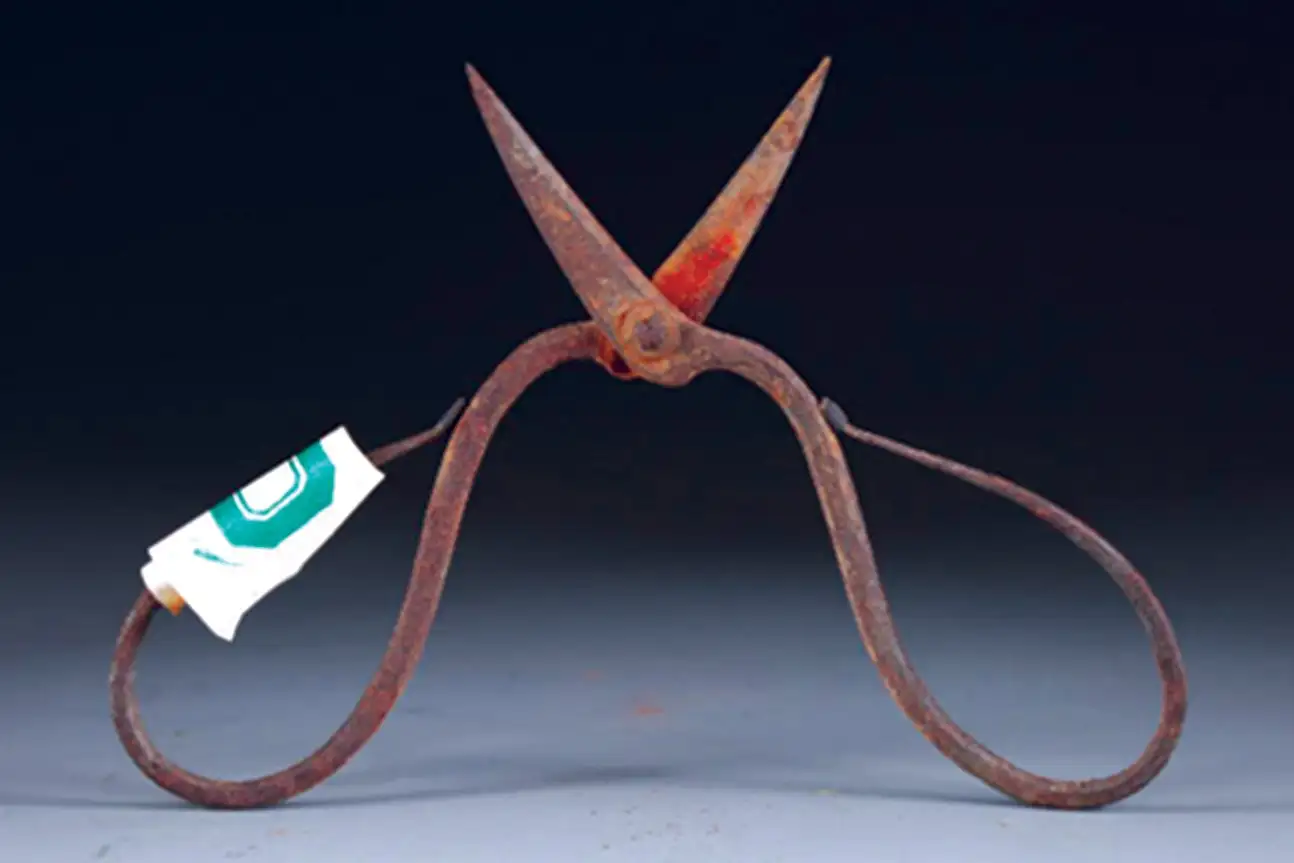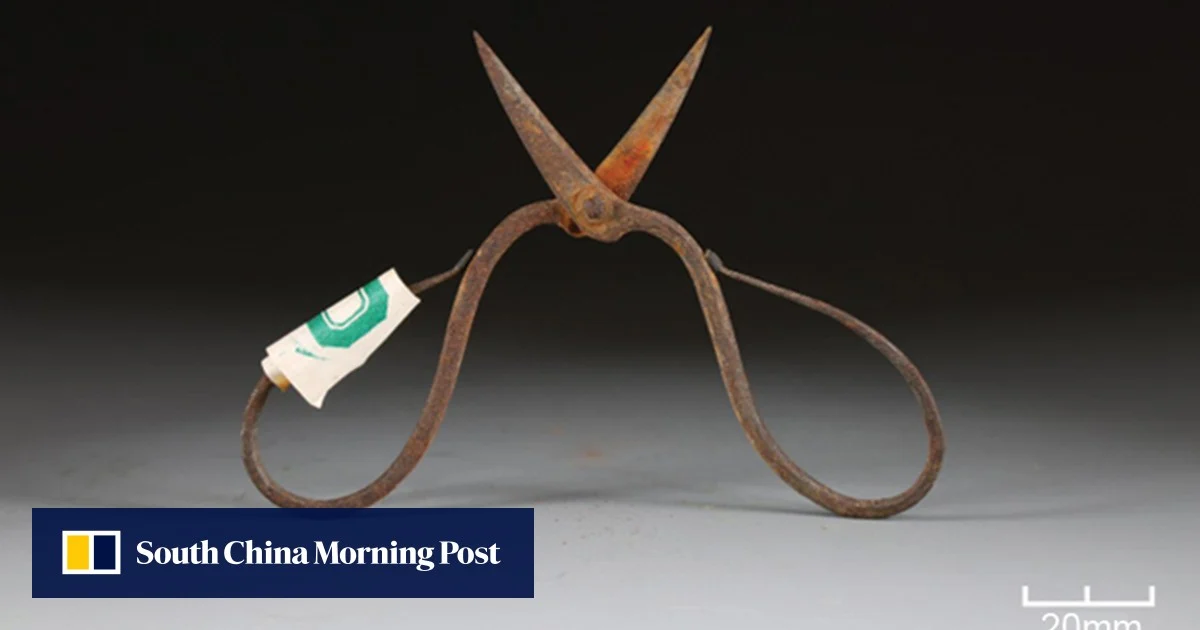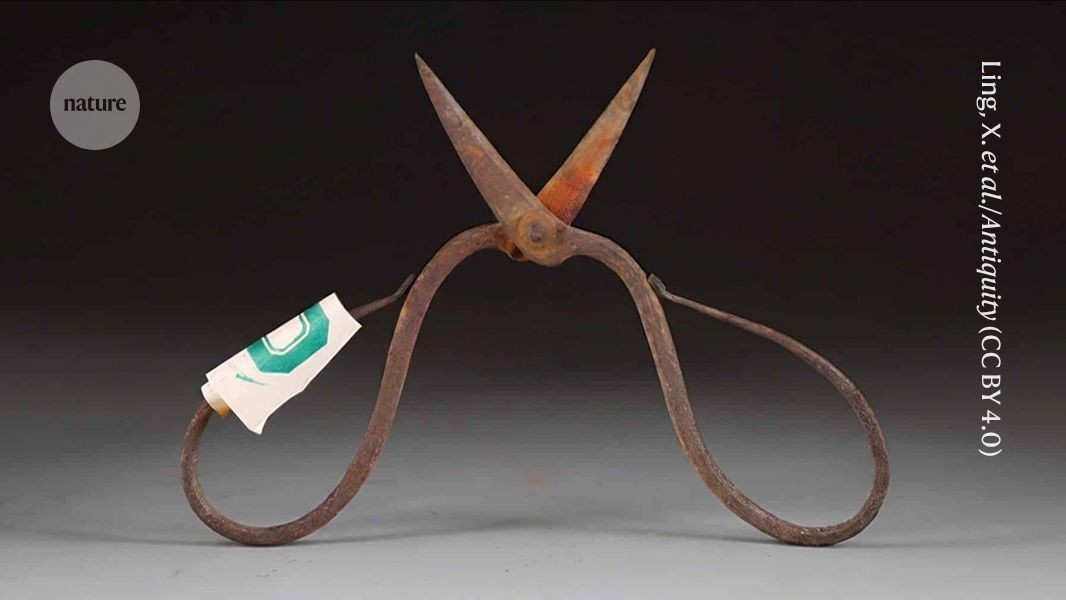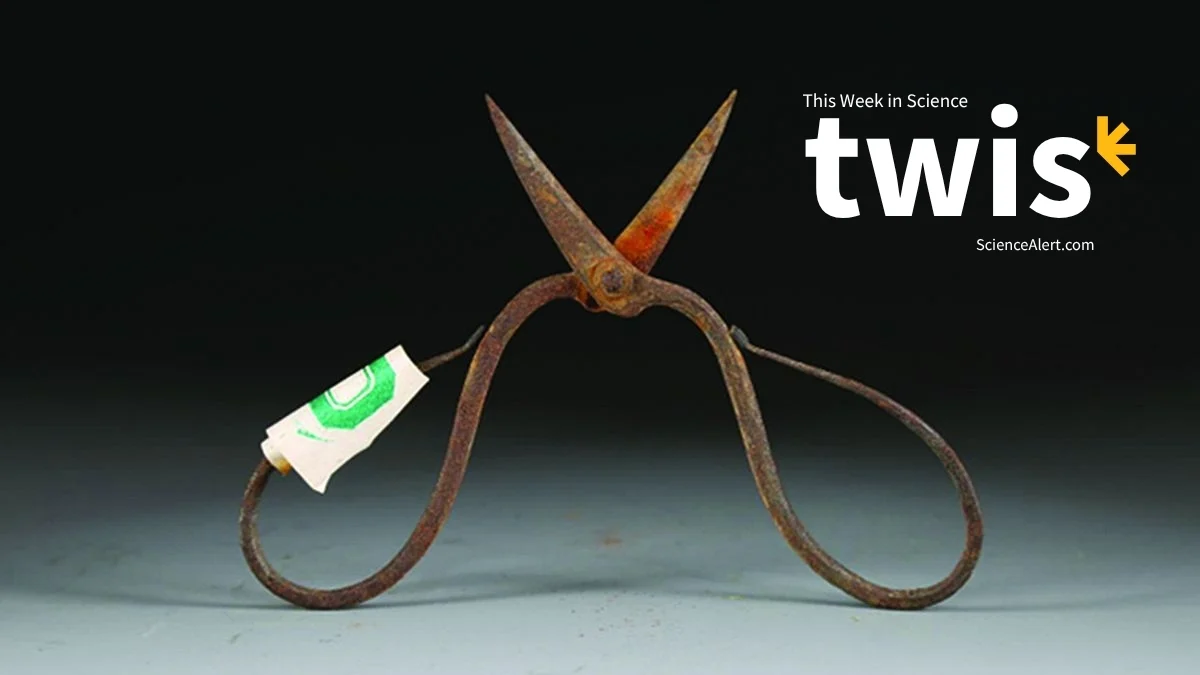
A pair of surgical scissors from the Ming Dynasty tomb of physician Xia Quan. (Ling et al., Antiquity, 2026)
This Week In Science: A sleep apnea pill has been fast-tracked for FDA approval; the earliest evidence of surgical anesthetic detected on tools from more than 600 years ago; strange spacetime 'crystals', and much more!Nightly Sleep Apnea Pill Fast-Tracked For Approval After Latest Trial Success(urbazon/E+/Getty Images)A nightly pill to treat sleep apnea is on the fast track for FDA approval, after promising results in a recent phase 3 clinical trial.By week 26, almost 42 percent of participants taking the drug had moved into a lower severity category – and nearly 18 percent stopped experiencing obstructive sleep apnea altogether.Read the full story here.Ming Dynasty Surgeons Used Poison as an Anesthetic, Ancient Tools RevealA pair of surgical scissors from the Ming Dynasty tomb of physician Xia Quan. (Ling et al., Antiquity, 2026)Early surgeons used toxic compounds as anesthetic, according to a new chemical analysis of 600-year-old medical tools in China."This is the first time humanity has found direct chemical evidence of anesthetics on ancient surgical tools, proving that our ancestors already knew how to safely alleviate patients' pain with highly toxic herbs," says Congcang Zhao of Northwest University in China.Read the full story here.A Dazzling Meteor Just 'Video Bombed' a Volcanic EruptionA bright streak of light explodes above the glowing slopes of Mayon Volcano at 10:33 p.m. on May 25, 2026. (afarTV/YouTube)In a stunning coincidence, a livestream video of a volcano erupting in the Philippines captured a dazzlingly bright meteor on Monday.Whatever this fireball was, it probably wasn't burning space junk. Such human-made objects tend to leave unruly trails of sparkling debris, whereas meteors, which are comparatively denser, typically streak right through Earth's atmosphere.Read the full story here.This Plant Summons Wasps When Under Attack, And We Finally Know HowWhen treated with caterpillar elicitor peptides, plants can induce indirect defenses by attracting beneficial insects, predatory wasps in the genus Polybia and Mischocyttarus. (Brian Behnken)New experiments have revealed how bean plants can attract predatory wasps to defend them from hungry caterpillars.Common bean plants, the study found, have receptors that recognize and react to inceptin, a peptide that occurs commonly in caterpillar 'spit'. When caterpillars chew at a bean plant's leaves, it triggers a wave of immunological responses in the plant, which release volatile compounds that start 'advertising' fresh caterpillar on the wasp menu.Read the full story here.A Common Vitamin Helps Cancer Defend Itself – But Could Also Let Us Fight It(Selvanegra/iStock/Getty Images Plus) Vitamin B2 has been found to play a key role in how cancer defends itself – but it might also be something we can target to fight the disease.The tests also revealed that the compound roseoflavin could potentially work to disrupt this cancer cell shield. It's very early days, but this suggests a way to target cancer cells without interfering with vitamin B2 in healthy cells.Read the full story here.Spacetime 'Crystals' Could Collapse Into Tiny Black Holes, Wild Paper Explains(Philipp Tur/iStock/Getty Images Plus)A wild new paper explains how bits of spacetime could actually 'crystallize' – and these crystals could then collapse into tiny black holes."This spacetime crystal is a very peculiar and fascinating object," says physicist Daniel Grumiller of the Technical University of Vienna in Austria."It is a kind of intermediate state, an unstable point that can evolve in two different directions. It may simply dissolve again, leaving behind ordinary spacetime filled with freely moving particles."But if a tiny amount of energy is added, the evolution takes a completely different path: the inconspicuous spacetime crystal turns into a black hole."Read the full story here.