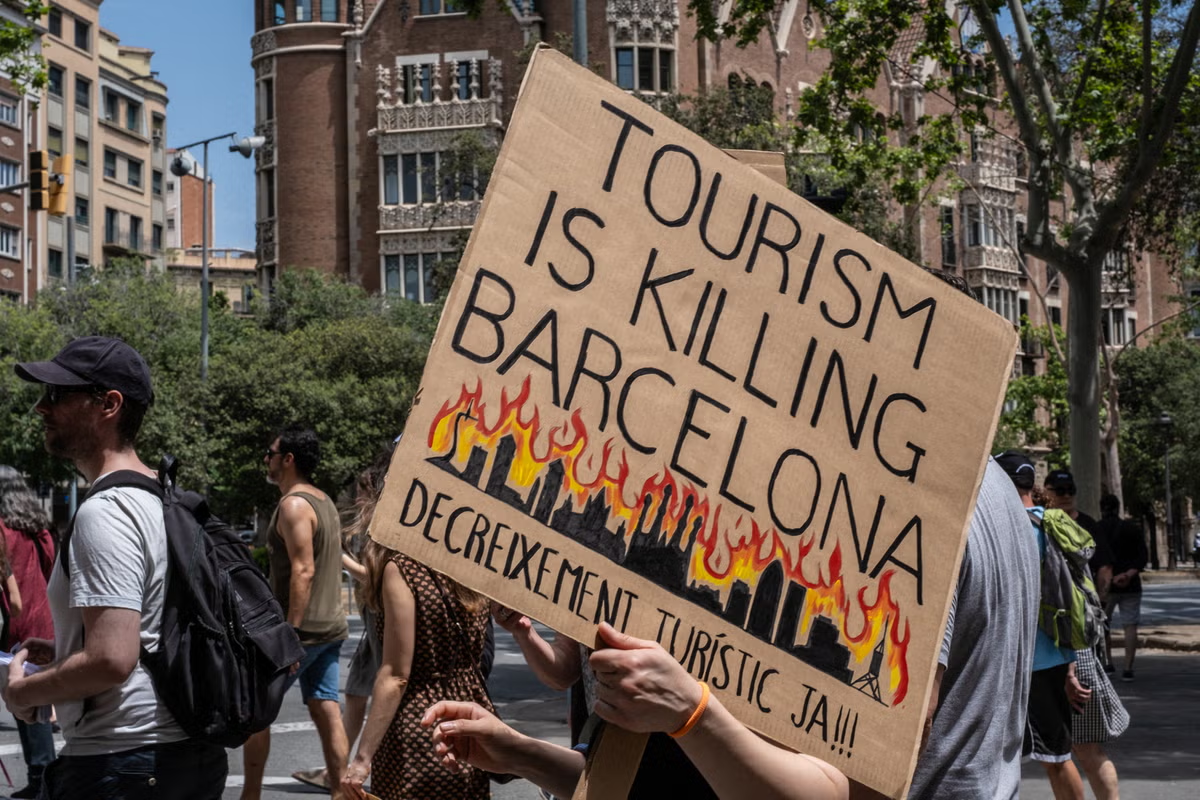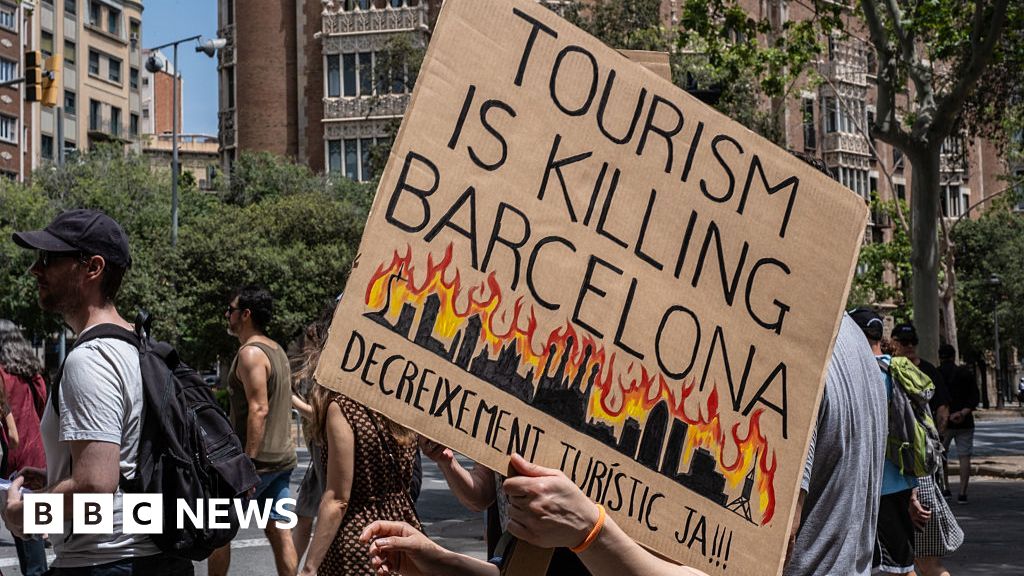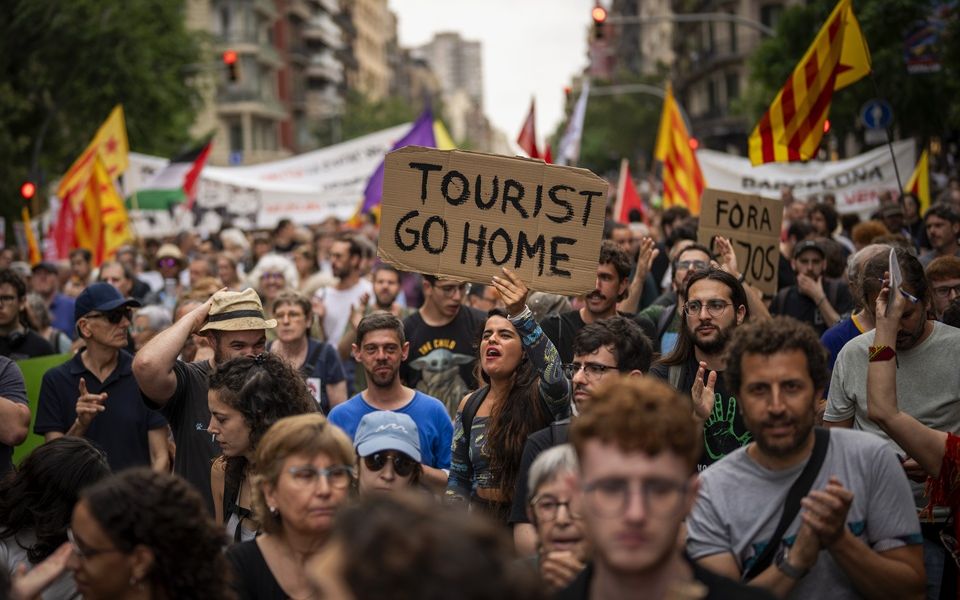
Demonstrators march shouting slogans in downtown Barcelona, Spain, on June 19, 2024, during residents' protests against mass tourism. [Emilio Morenatti/AP]
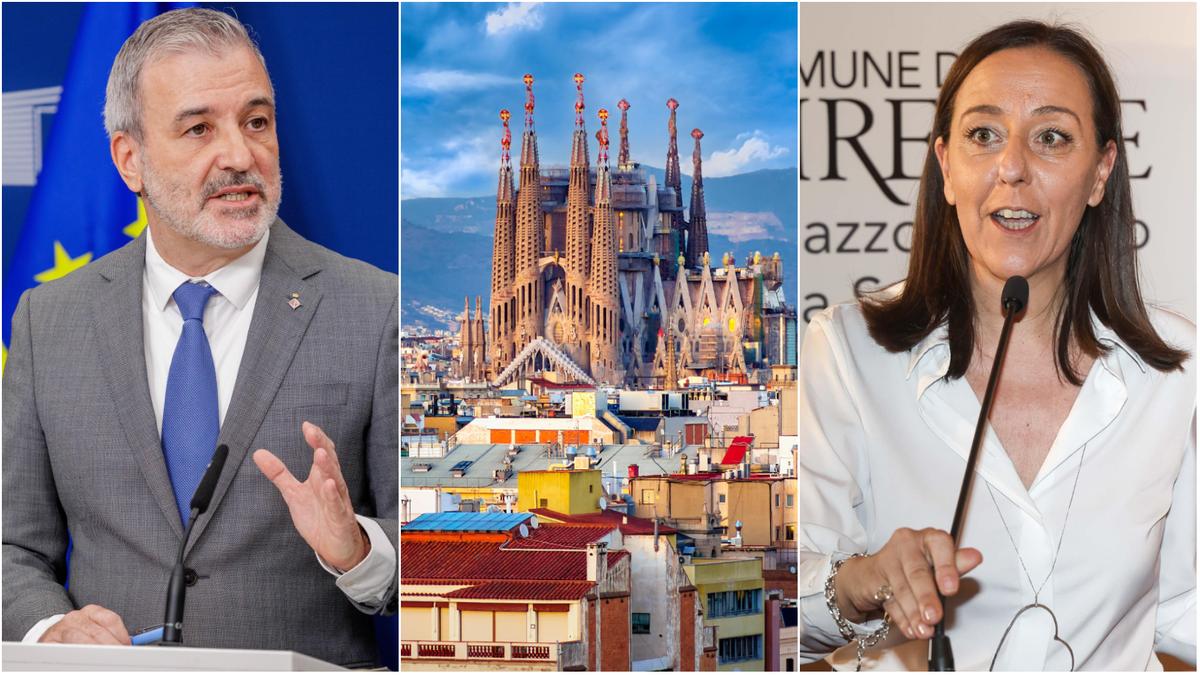
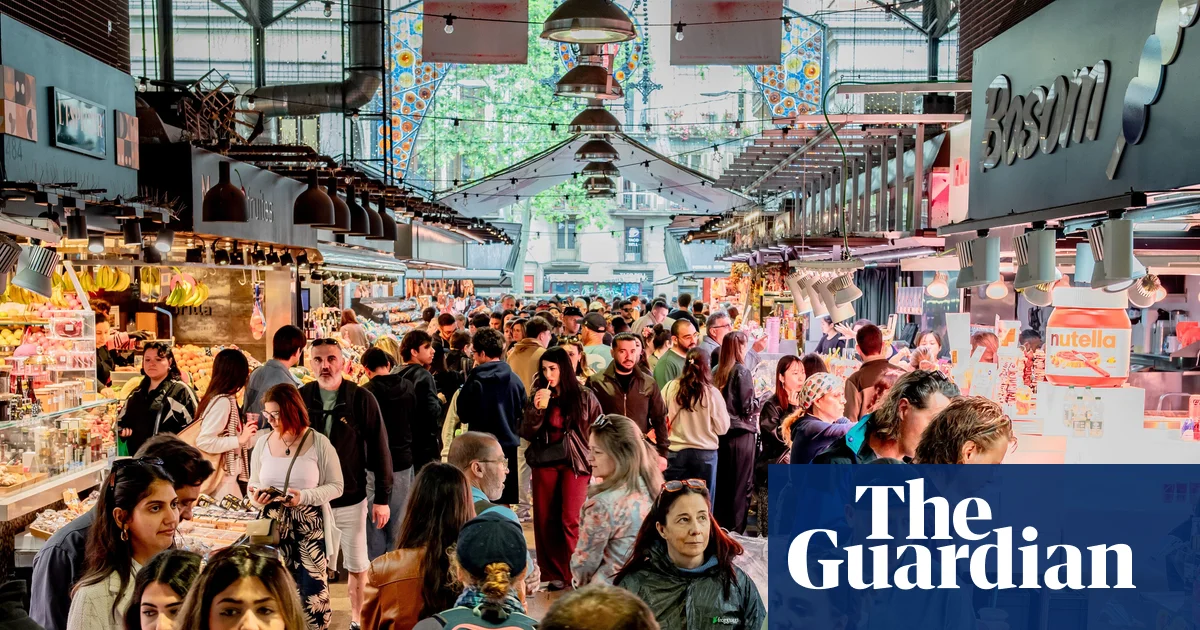
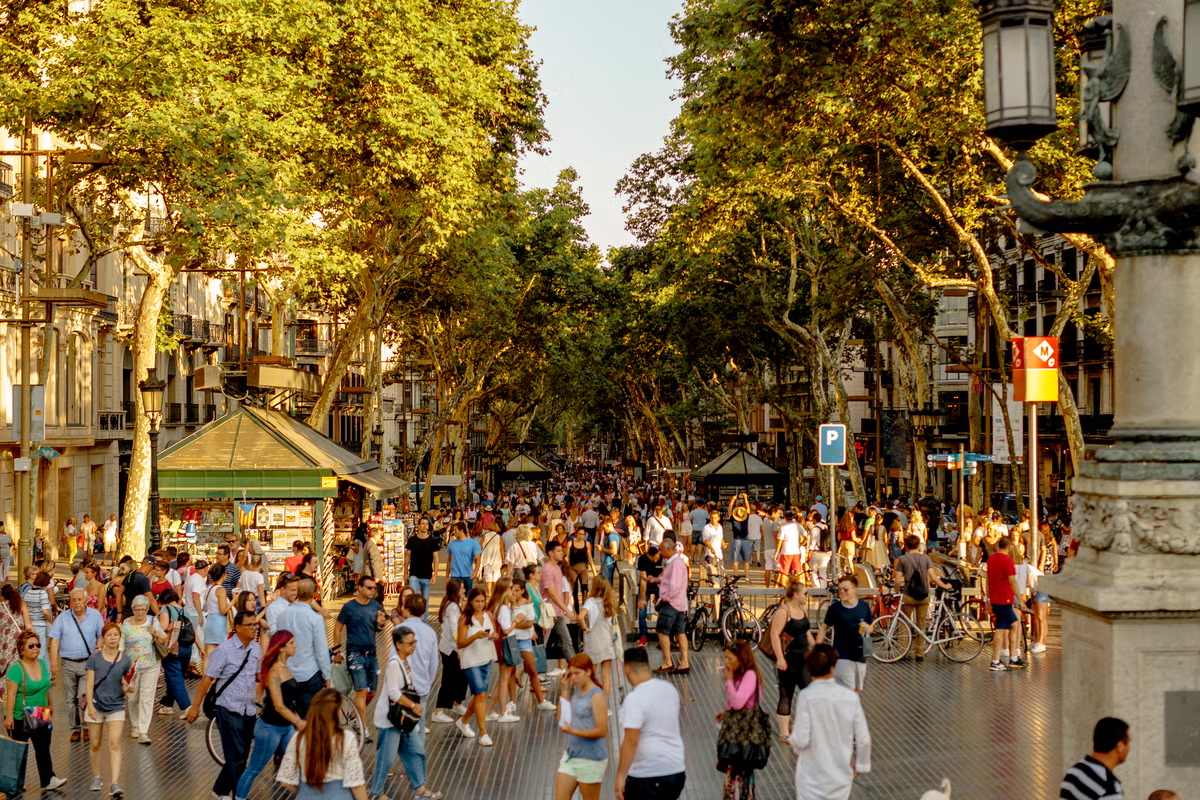
“We’ve reached the end of the road, Barcelona has reached the maximum number of tourists it can accommodate. We don’t want more tourists, not even one more, but we need to manage those we have,” Jose Antonio Donaire, the city’s first commissioner for sustainable tourism, told The Guardian in an article published on May 18, adding that the popular Catalan city has reached a turning point with over tourism.
Barcelona’s municipal authorities announced a series of measures, such as removing permits from 10,000 legal short-term rental accommodations in 2028, offering incentives to owners to make their properties available for long-term rental, limiting day trippers arriving in Barcelona by bus and reducing cruise ship docking, hoping to make the city friendly to its residents again.
Cart before the horse
But how did Barcelona reach saturation point, and what warning signs were ignored in recent years, resulting in life there becoming demonstrably unbearable for its permanent residents?