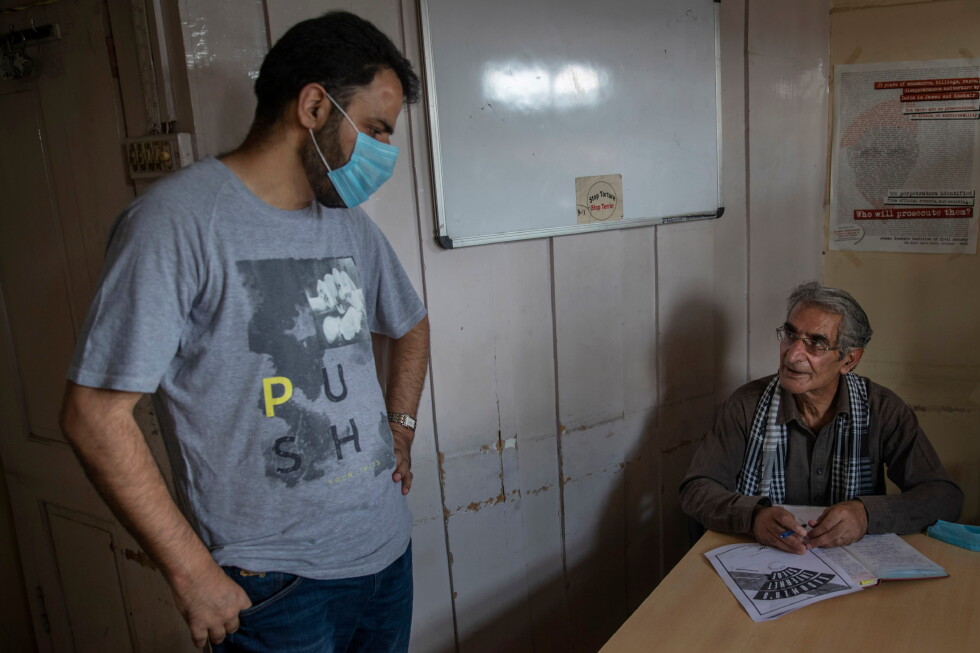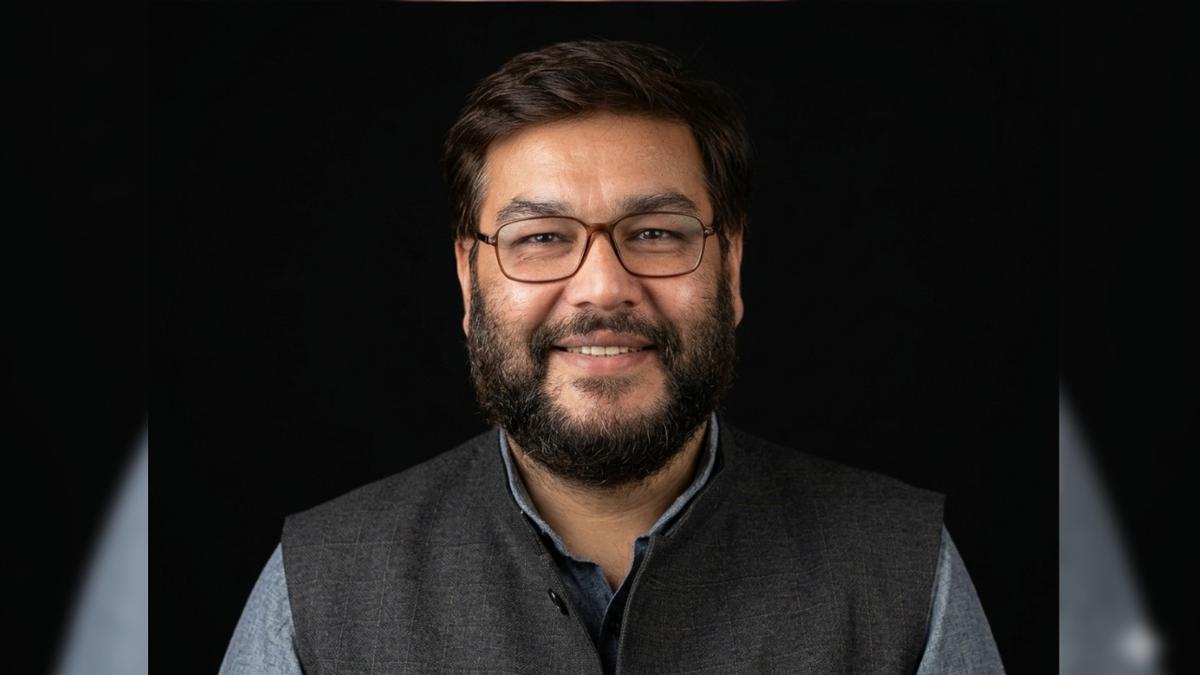
Most of Kashmir’s NGT cases in the past six years have been filed by Raja Muzaffar Bhat. 'I don’t believe the narrative that nothing can be done any more,’ he says.
Raja Muzaffar Bhat knows how to read the fine print. Tender documents are like whodunnits waiting to be unravelled for the 49-year-old environmental activist. Bhat, who built his credibility as a Right to Information (RTI) expert and is now chairman of the J&K Climate Action Group, is the tenth generation of his family to live in Wathora village, 12 km south of Srinagar and home to Kashmir’s famous Bhand Pather folk theatre.He adeptly plays ace detective as he scours the legalese for clues ranging from problematic clauses to forgotten environmental/pollution clearances. He can recite sections of existing laws faster than you can say ‘Vande Mataram’ and he has the skill set required to hold government institutions accountable. The National Green Tribunal (NGT) and the Supreme Court have sided with him in his sustained campaign against illegal riverbed mining in Kashmir.Bhat was a champion of the RTI movement and helped push through the former State’s RTI Act in 2009. The central Act replaced it a decade later, when the special status of Jammu & Kashmir under Article 370 was revoked. The age of RTIs, when Bhat would file 30-50 applications a month and people referred to him as an “information bank” because he ferreted out details ranging from judges’ assets to the way government schemes were working, has ended.Post-2019, as officials delayed answering RTI queries and a jump in infrastructure and construction projects made Bhat’s paradise look ragged, he turned his attention to the strained natural environment.