ISLAMABAD: In the foothills of Azad Kashmir, where receding springs once signaled environmental collapse and families quietly planned their migration, a former schoolteacher is proving that climate action doesn’t have to come from the top.
Usman Abbasi, 46, began his environmental journey a decade ago in his hometown of Kotli, where he watched rising temperatures, erratic rainfall and deforestation chip away at the valley’s ecological balance. A teacher at the time, Abbasi started modestly, planting trees and installing dustbins around his community, but the impact of Pakistan’s climate crisis soon compelled him to take his mission further.
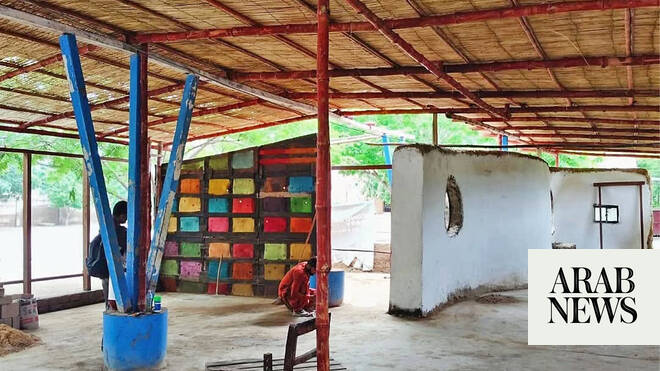
Fast forward to 2025, and Abbasi is leading a quiet but powerful grassroots movement centered on rainwater harvesting wells and ponds. His efforts, now expanding into the Pakistani capital of Islamabad, have helped communities save millions of rupees, restored groundwater in parched regions and convinced entire families to abandon their plans to leave.
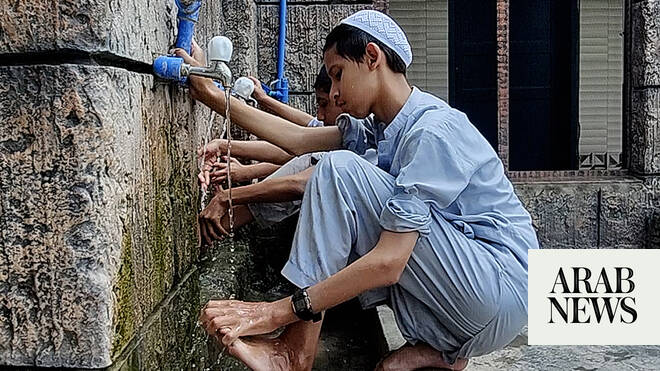
“This solution is not expensive,” Abbasi told Arab News during a visit to the Institute of Islamic Sciences in Islamabad, one of the many institutions transformed by his approach. “If someone can afford to install a Rs600,000 ($2,117) borewell at home, they can add this [electric motor] system for just Rs150,000 ($529).”