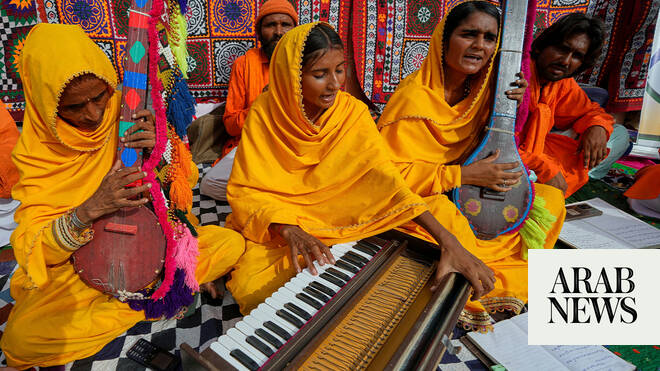
UMERKOT, Pakistan: Villagers hush when Pakistani folk musician Sham Bhai starts singing about climate change, her clear voice rising above the simple squat dwellings.
“We are the people of the south. The winds seem to be blowing from the north. The winds seem cold and warm. My heart is burned from seeing the collapsed houses in the rain. Oh, beloved, come home soon.”
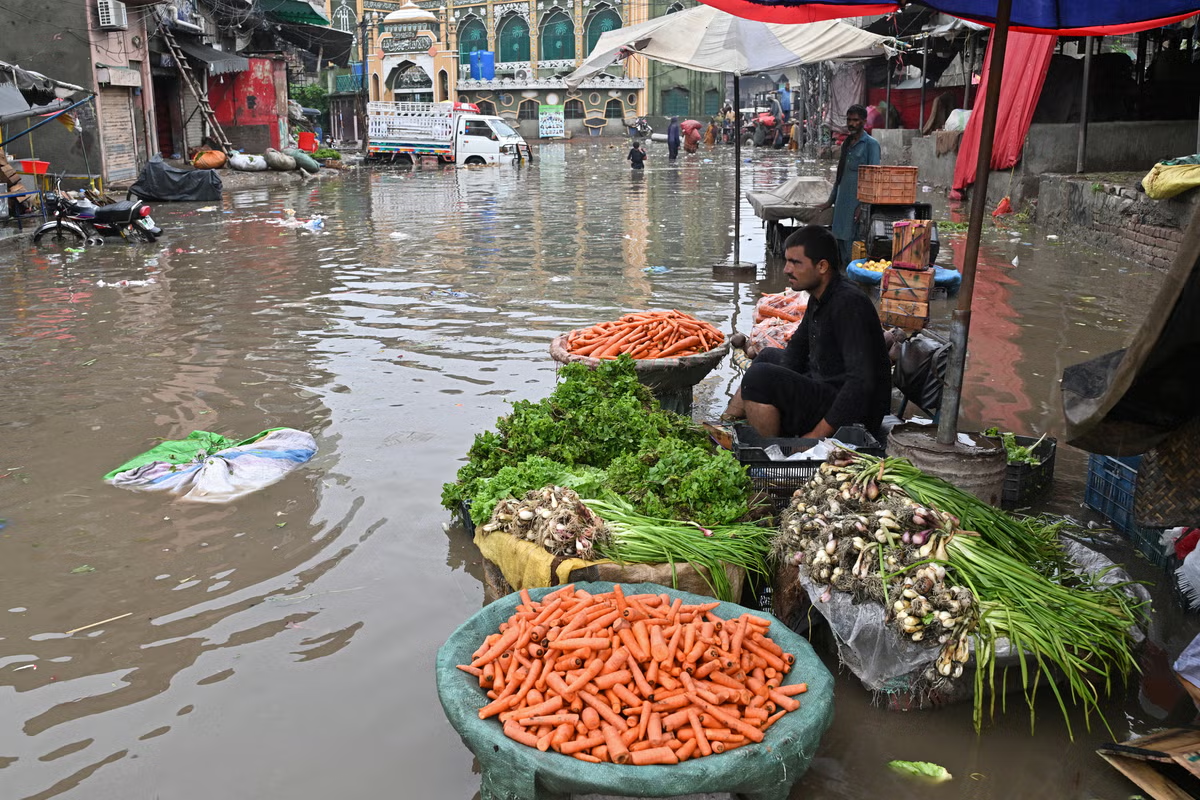
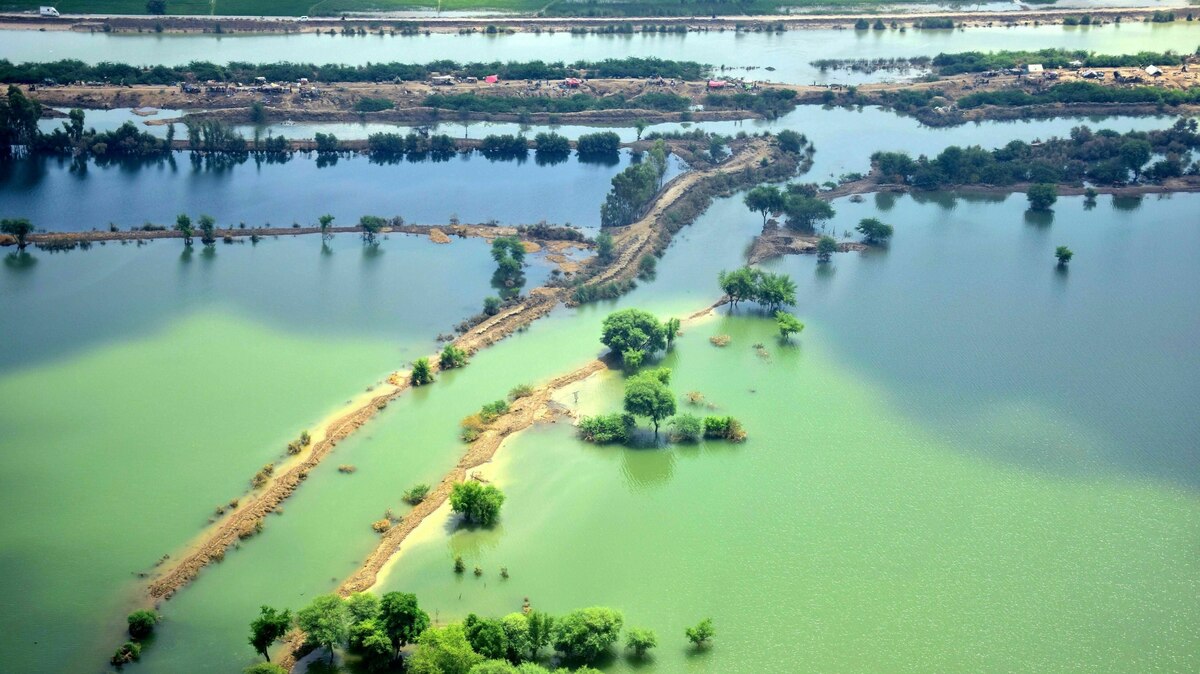
Sham is from Sindh, the Pakistani province worst-hit three years ago by climate-worsened deluges that affected tens of millions of people nationwide and washed away homes, farmland and infrastructure.
She has toured a dozen villages in Sindh during the past two years, teaching people about climate adaptation and resilience through song, a useful medium for sharing information in places where literacy is low and Internet is scarce.
“When we give a message through song, it is easy to communicate to people because they understand it,” the 18-year-old singer told The Associated Press. She was performing in Umerkot district, singing in her native tongue and official provincial language, Sindhi, which is more likely to be spoken and understood in places like Umerkot than the official and national language of Pakistan, Urdu.