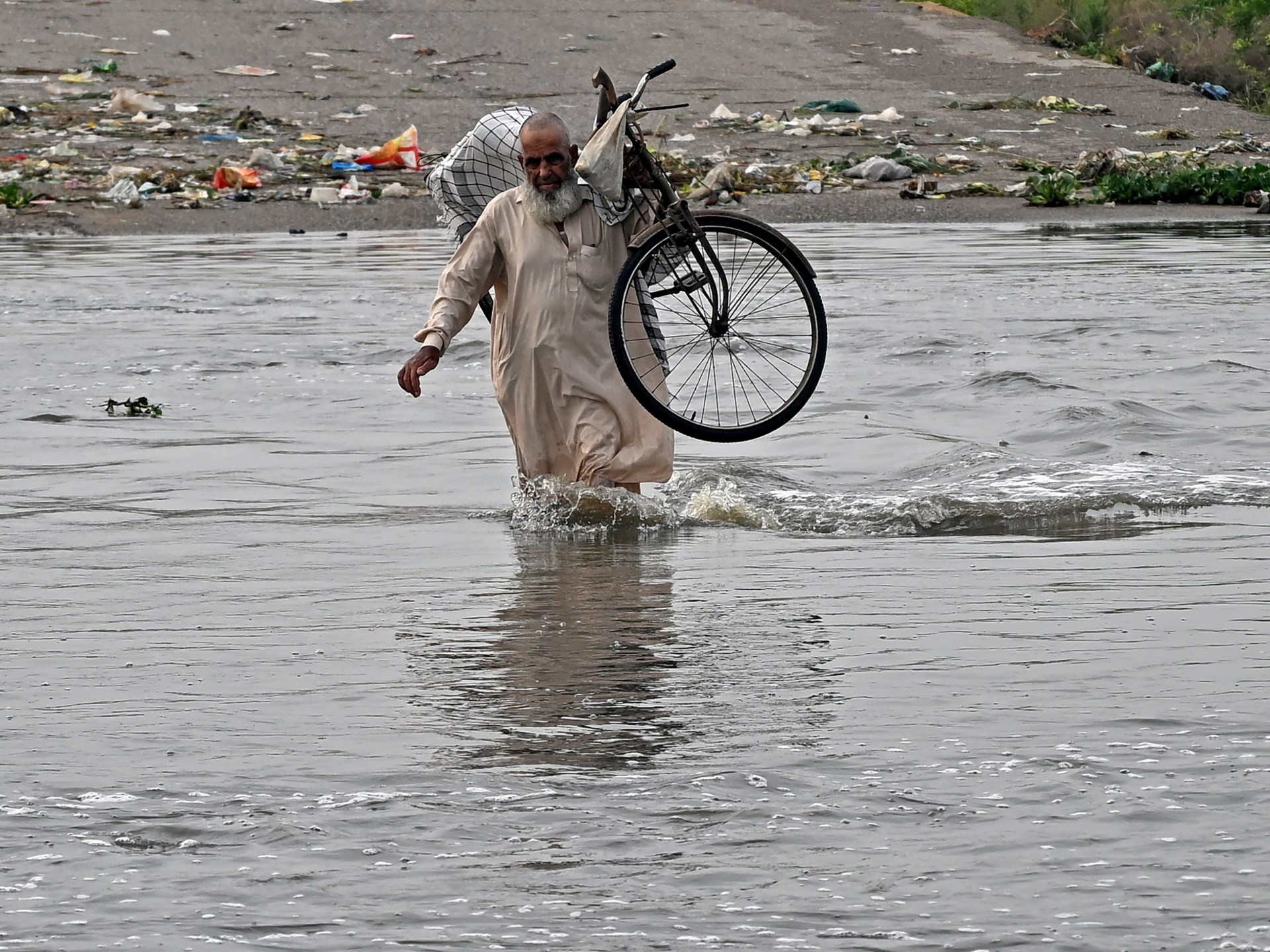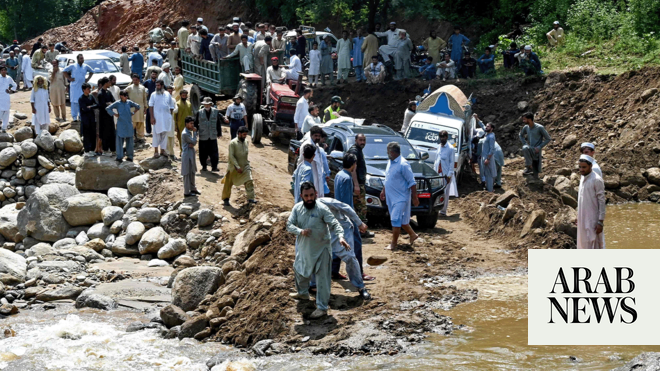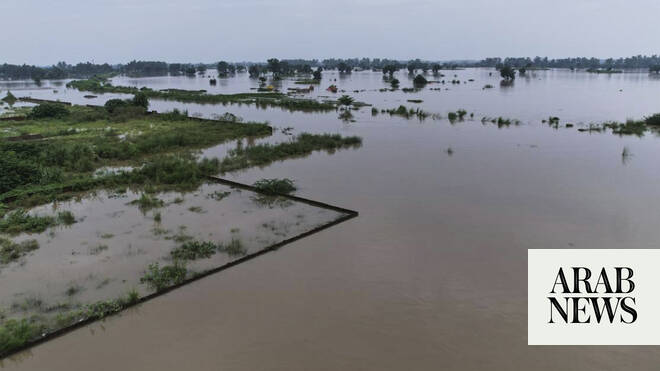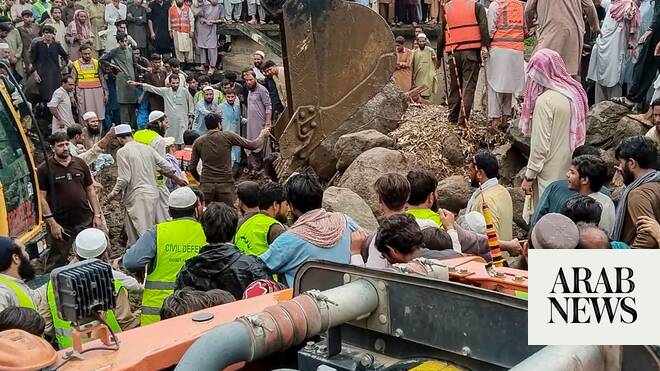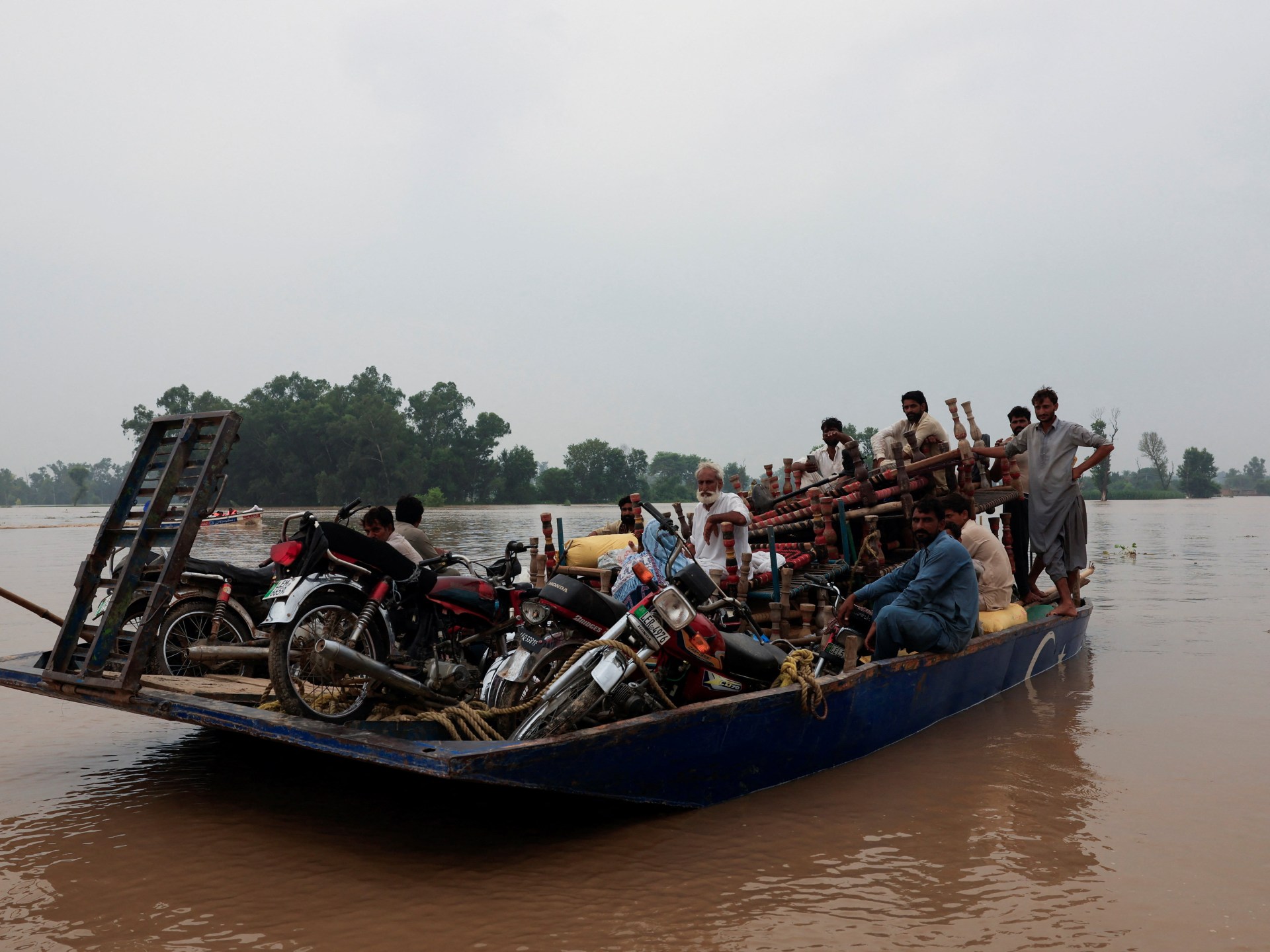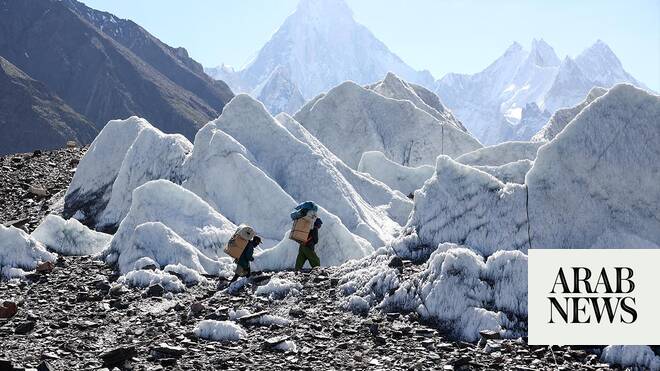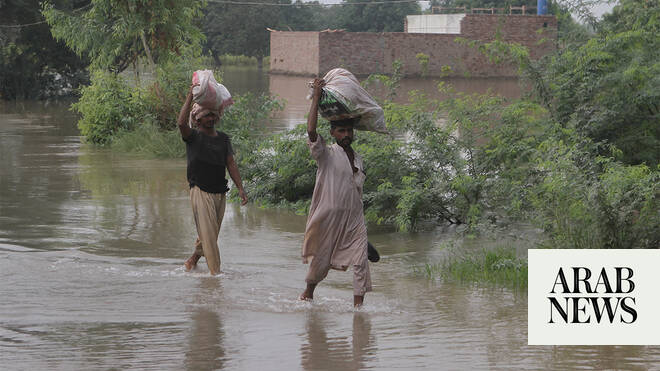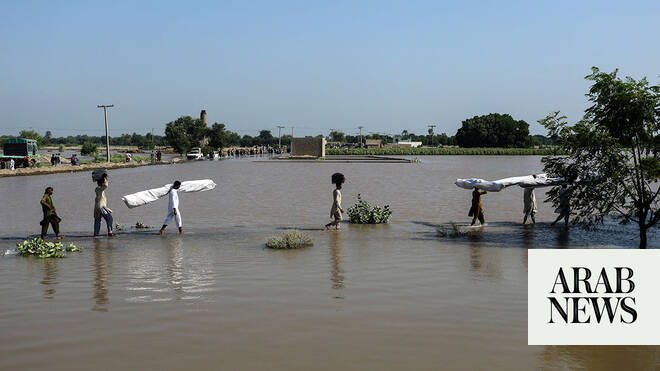
ISLAMABAD: Pakistan is turning to advanced technologies and innovative agricultural practices to fight back climate change, a parliamentary panel was informed on Monday, amid widespread death and destruction from monsoon rains, glacial bursts, floods and other similar incidents.
Since late June, nearly 1,000 people have lost their lives in these incidents, according to the National Disaster Management Authority (NDMA). The northwestern Khyber Pakhtunkhwa (KP) accounts for 504 of these deaths, while floods have caused widescale economic losses in the breadbasket Punjab province. While Pakistan contributes less than 1 percent to global greenhouse gas emissions, it remains one of the most vulnerable countries to climate-related disasters. The
South Asian country suffers around $4 billion due to climate change and this year’s flooding could deepen that blow, according to NDMA chief Lt. Gen. Inam Malik.
On Monday, top officials from Pakistan’s KP, and Gilgit-Baltistan (GB) and Azad Kashmir regions briefed a National Assembly’s standing committee on climate change about the steps being taken to mitigate the impacts of climate change on local communities. The committee was informed that deforestation in northern Gilgit-Baltistan has reached “alarming levels,” with approximately 4 million cubic feet of timber cut down in the Diamer district alone over the past three decades, which has disrupted the ecological balance and directly impacted livelihoods of local people, economy and natural resources.