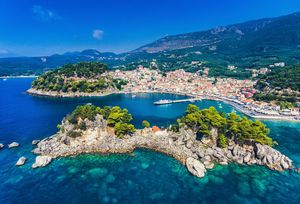
Alexander Spatari / Getty Images
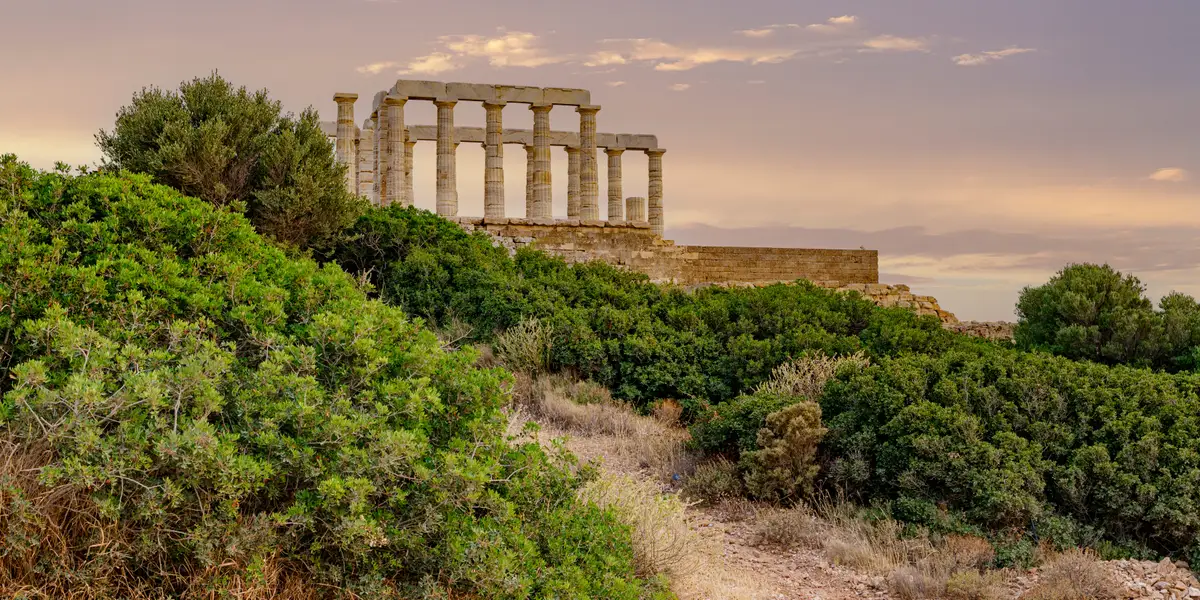
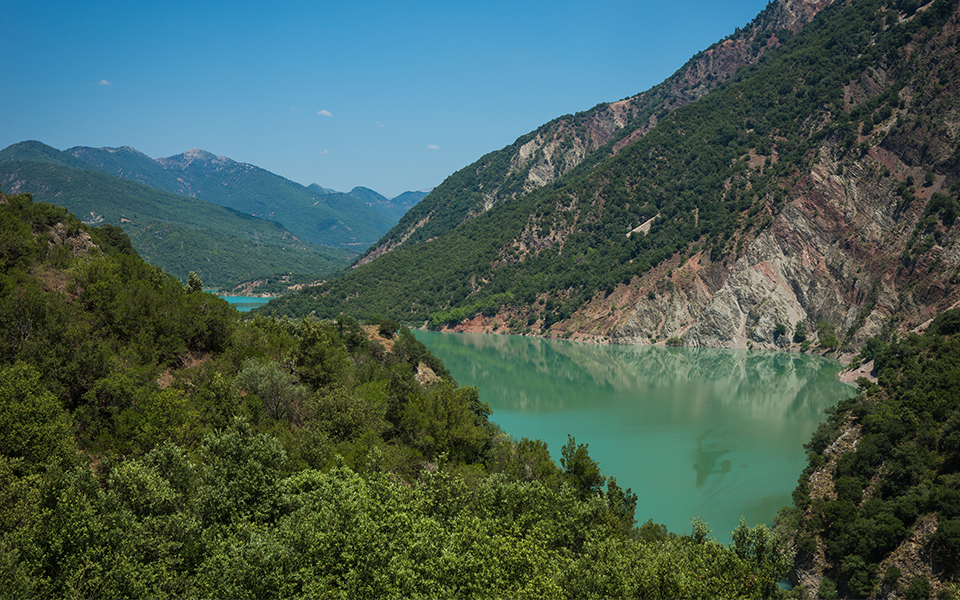
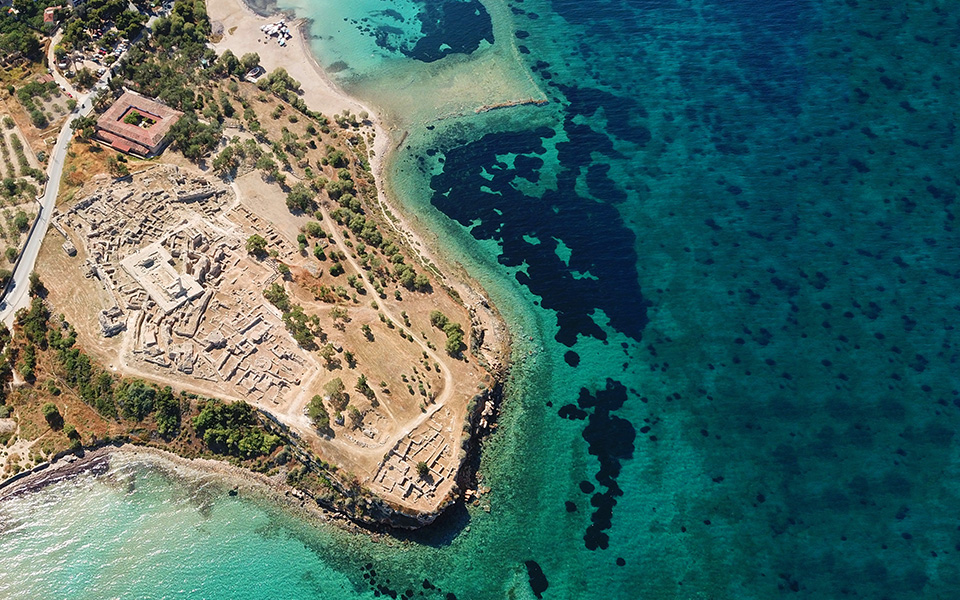
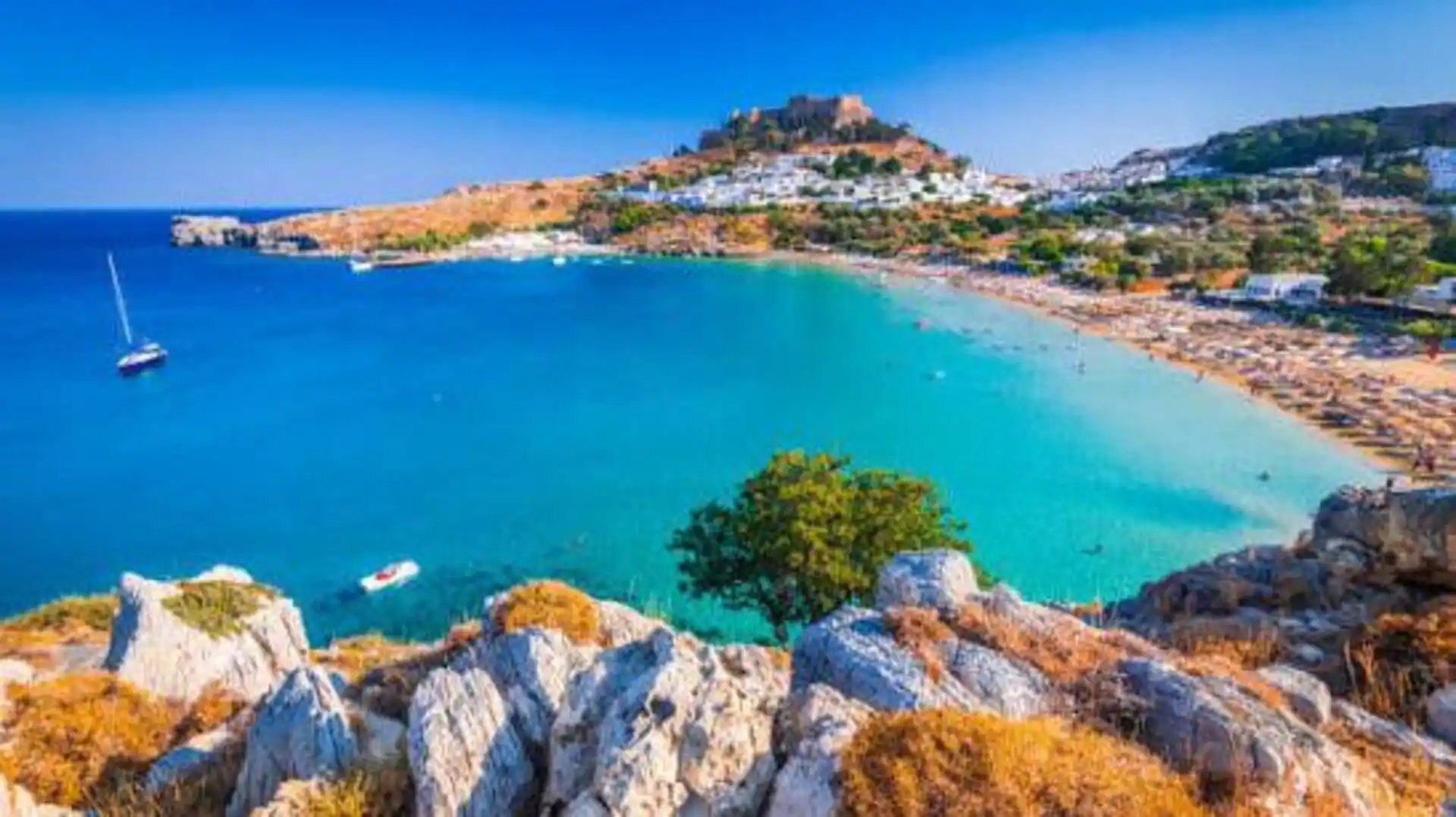
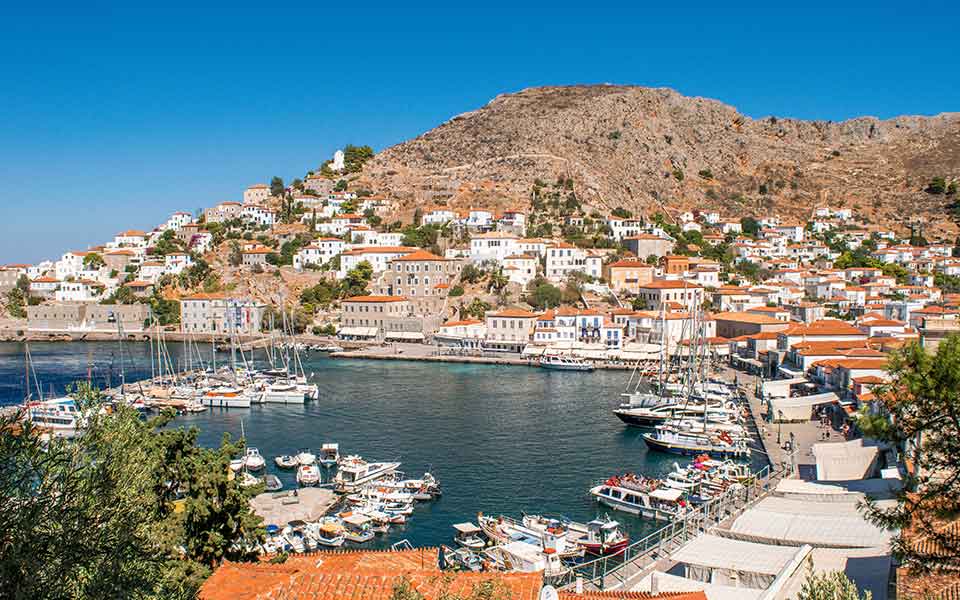
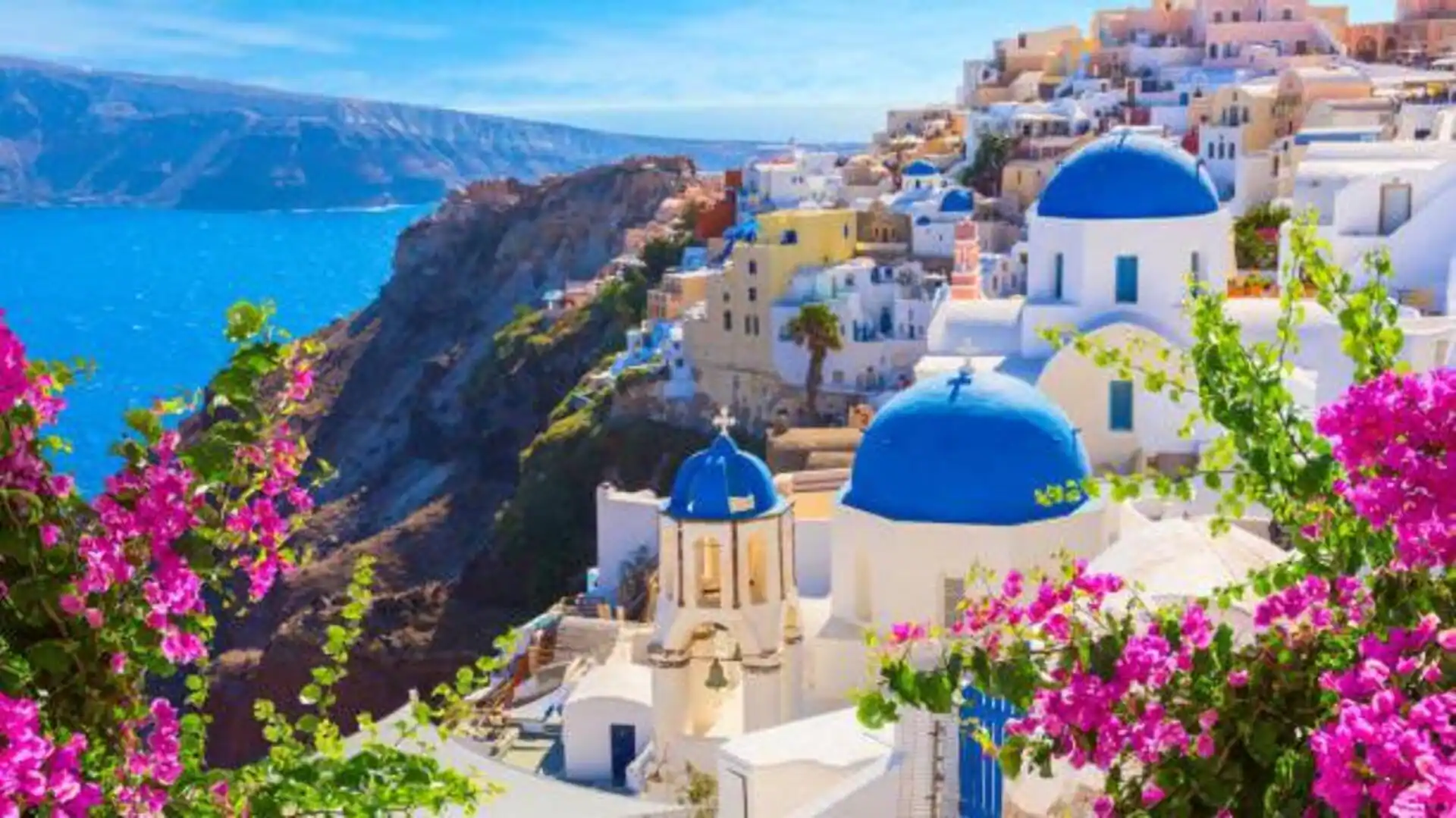
Greece rewards travelers with a range of experiences that few countries of comparable size can match. Ancient ruins occupy the same hillsides as whitewashed village houses. Volcanic islands rise from the Aegean with beaches that look unlike any other coastline on Earth. Monasteries perch on rock formations above valleys still planted with some of the world’s oldest olive groves. The country’s singular appeal — the density of historical, natural, and cultural experiences packed into a relatively compact geography — gives it a claim on the travel imagination that has persisted since the era it helped create.
Planning a Greek trip well requires some navigation of that density. The major destinations — Athens, the Cycladic islands, and Crete — attract enormous visitor volumes in peak season, and the practical experience of these places shifts significantly depending on timing and approach. Less-visited destinations like the fishing village of Kardamyli or the tiny Cycladic islands of Koufonisia offer a different register entirely: quieter, more intimate, and increasingly sought out by travelers who have already done the circuit of famous sites. Greece’s geography, spanning mainland and island settings across three seas, means that no single itinerary can exhaust what the country offers.