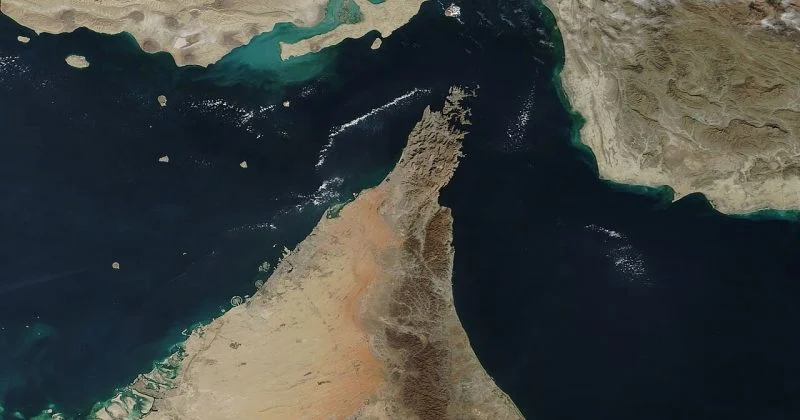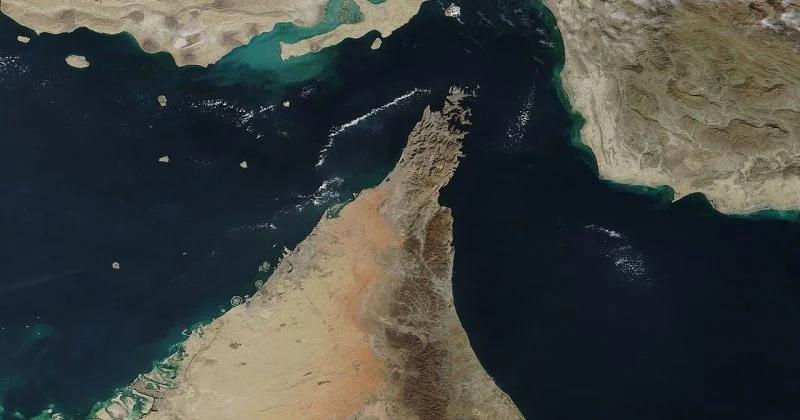
Qatar has drawn a line in the sand, or more precisely, in the water. The Persian Gulf nation is opposing any permanent toll or fee structure on the Strait of Hormuz, calling such measures a violation of international law, while simultaneously expressing willingness to negotiate a temporary arrangement to restore passage through the world’s most critical oil chokepoint.
The Strait of Hormuz handles roughly 20 million barrels of oil every single day.
Since the blockade began in late February 2026, Iran has been charging what it calls “navigational service fees” on vessels transiting the strait. Those fees have reportedly exceeded $1 million per vessel. Iran’s Foreign Ministry has been careful with language, insisting these are service fees rather than tolls, a distinction that carries significant weight under international maritime law.
During past regional conflicts, temporary toll arrangements have peaked at around $2 million per vessel.
Qatar, Saudi Arabia, and the UAE issued a joint warning through the International Maritime Organization on May 25, 2026, advising vessels against complying with Iranian fee demands.