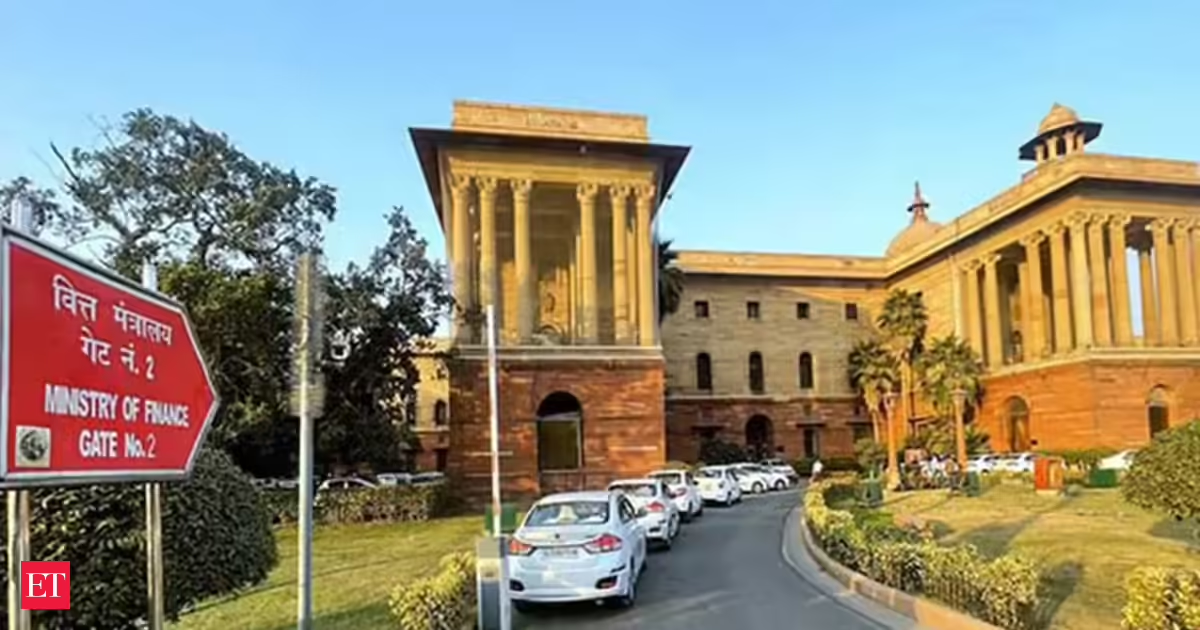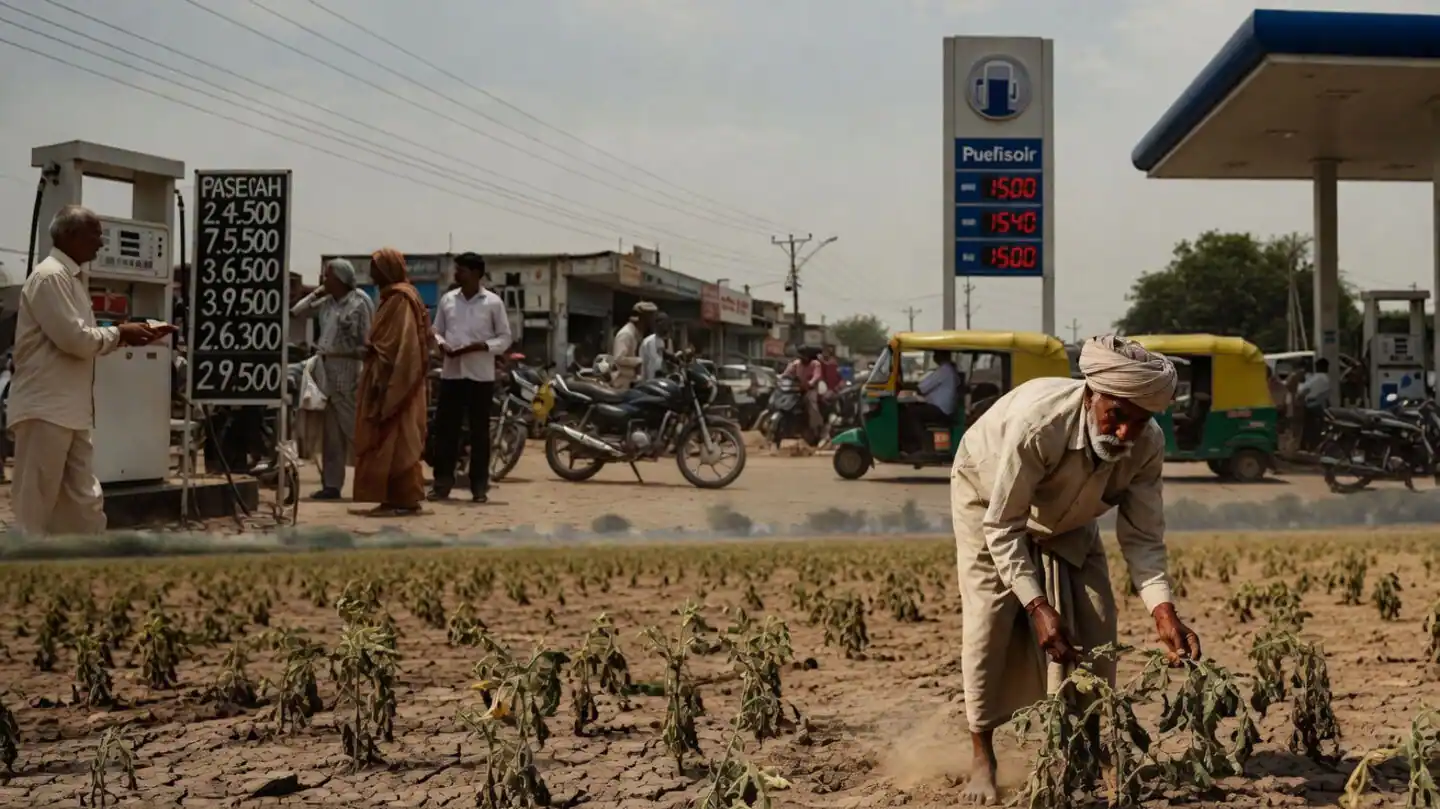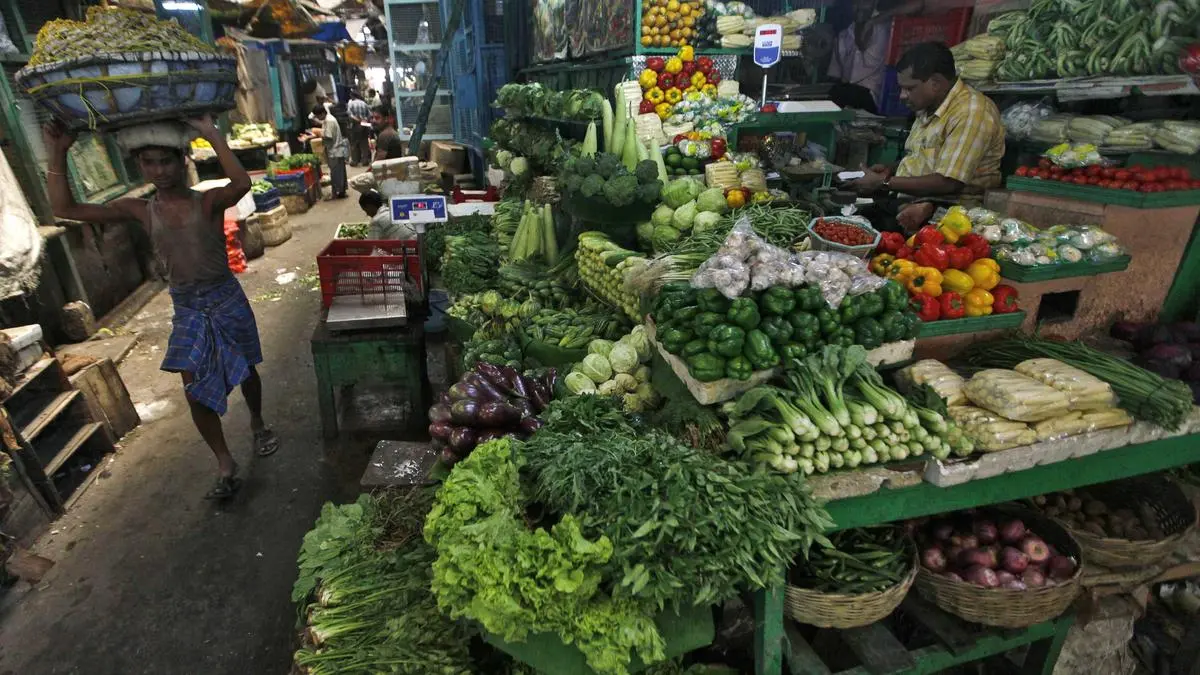
A Finance Ministry report on Saturday cautioned about building inflation pressure and strong headwinds for consumption. It also called for a combination of policy initiatives across monetary, fiscal and structural to navigate the uncertainties on account of geo-political tensions.“The current divergence between retail inflation and wholesale prices signals that upstream cost pressures are building, and the pass-through to consumers, while limited so far, may not be far behind,” the Monthly Economic Review (MER), prepared by Economic Affairs Department of Finance Ministry said. Retail inflation data based on Consumer Price Index (CPI) for April was 3.5 per cent, while wholesale inflation based on Wholesale Price Index (WPI) was 8.3 per cent in April.Retail inflation data was prepared before multiple rounds of price hikes for petrol and diesel. “The recent hike in petrol and diesel prices may activate both direct and indirect transmission channels, and any further escalation in energy prices could narrow the existing cushion more quickly than anticipated,” the MER said. The recent hikes (on four occasions) in petrol and diesel prices (which have a combined share of 5 per cent in the CPI basket) by ₹7.38 and ₹7.52, respectively, may activate both the direct and indirect channels of transmission of the global price shock to the country’s retail inflation.Along with inflation, the report talked about headwind for consumption. A deficient monsoon could add food price pressures on top of energy-driven ones. “With forecasts pointing to a below-normal monsoon and a likely moderation in economic activity, overall consumption demand may face headwinds in the coming months,” it said.Talking about the overall economy, the report said that the near-term outlook for the Indian economy is one of cautious resilience. Domestic fundamentals remain broadly intact, manufacturing and services PMIs are in expansionary territory, the labour market is stable, and foreign exchange reserves provide meaningful insulation against external shocks. At the same time, the global environment has become materially more challenging since the onset of the West Asia conflict, with elevated crude prices, tightening financial conditions, and weakening growth momentum across major economies posing headwinds that India cannot fully insulate itself from.Looking ahead, the report added, the duration of the Strait of Hormuz disruption remains the single most consequential variable for India’s external and price outlook. Should normalisation occur soon, the conditions for a broader-based recovery, supported by strong services exports and sustained investment commitments, are in place. “Policy will need to remain agile across monetary, fiscal, and structural dimensions to navigate this period of compounded uncertainty, external and climatic, while keeping medium-term growth objectives firmly in view,” it concluded.Published on May 30, 2026
Upstream cost pressures build, pass-through to consumers may not be far behind, says Finmin report
A Finance Ministry report warns of rising inflation pressures and consumption challenges due to geopolitical tensions and energy price hikes.
431 words~2 min read